Ir para o conteúdo
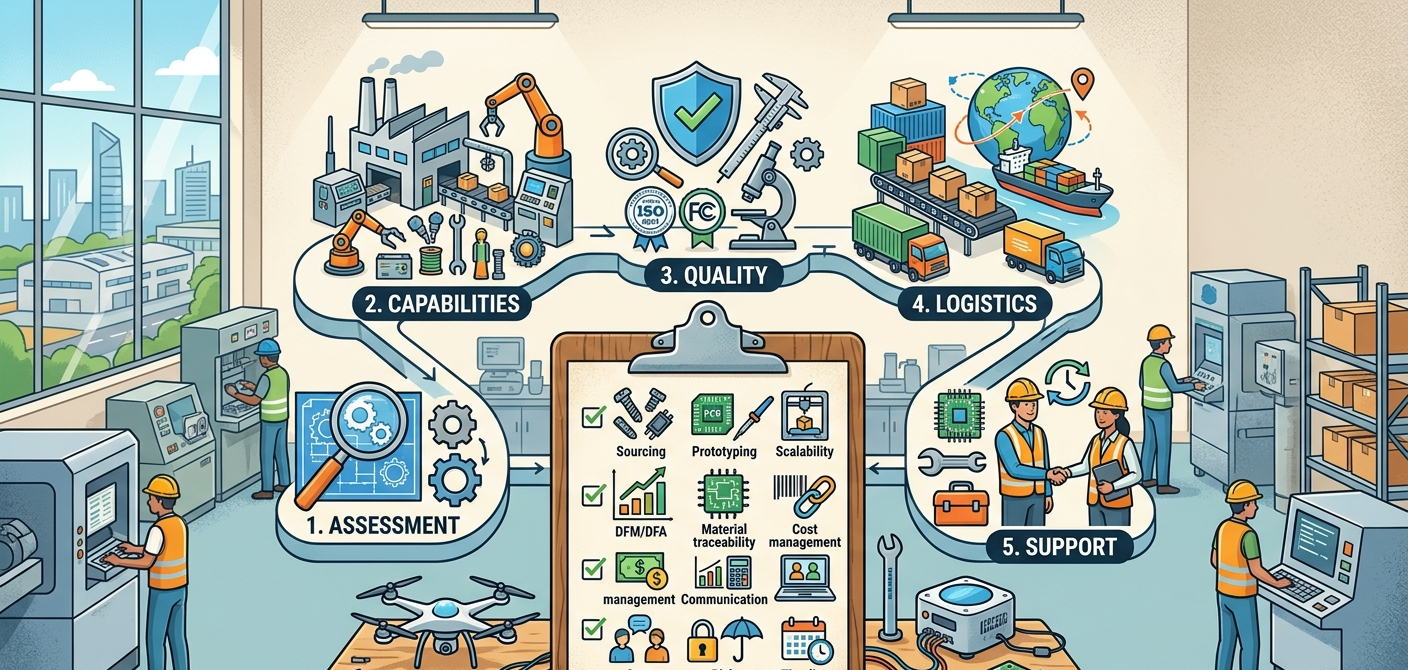
For a first-time hardware startup founder going from CAD to first 1,000 units, picking a contract manufacturer based on the cheapest line-item quote is the single decision most likely to kill the program. The cheapest quote is almost always missing tooling amortization, post-processing, packaging, IP protection, or a realistic lead time — and the founder finds out about each missing line item at the worst possible point in the program. At Xinyang we have onboarded more than 70 hardware startups since 2021, and the pattern is consistent: the founders who survive their first production run are the ones who vetted on five operational dimensions before signing a tooling PO, not just unit price. The ones who lose three months and $40,000 on a re-tool are the ones who optimized line one of the quote and ignored the rest.
Hardware startups have a different problem from large OEMs. The OEM has a quality, sourcing, and engineering team. The startup is usually one to three people, often non-technical on manufacturing, ordering 200 to 2,000 units against a hard runway. The right manufacturing partner for that profile is not the biggest factory; it is the one whose process visibility, MOQ flexibility, and engineering responsiveness match the startup’s actual operating cadence. This guide is the checklist we wish every founder had before their first call with a Shenzhen factory.
Why a One-Stop CNC + Injection Molding Partner Beats Coordinating Five Vendors
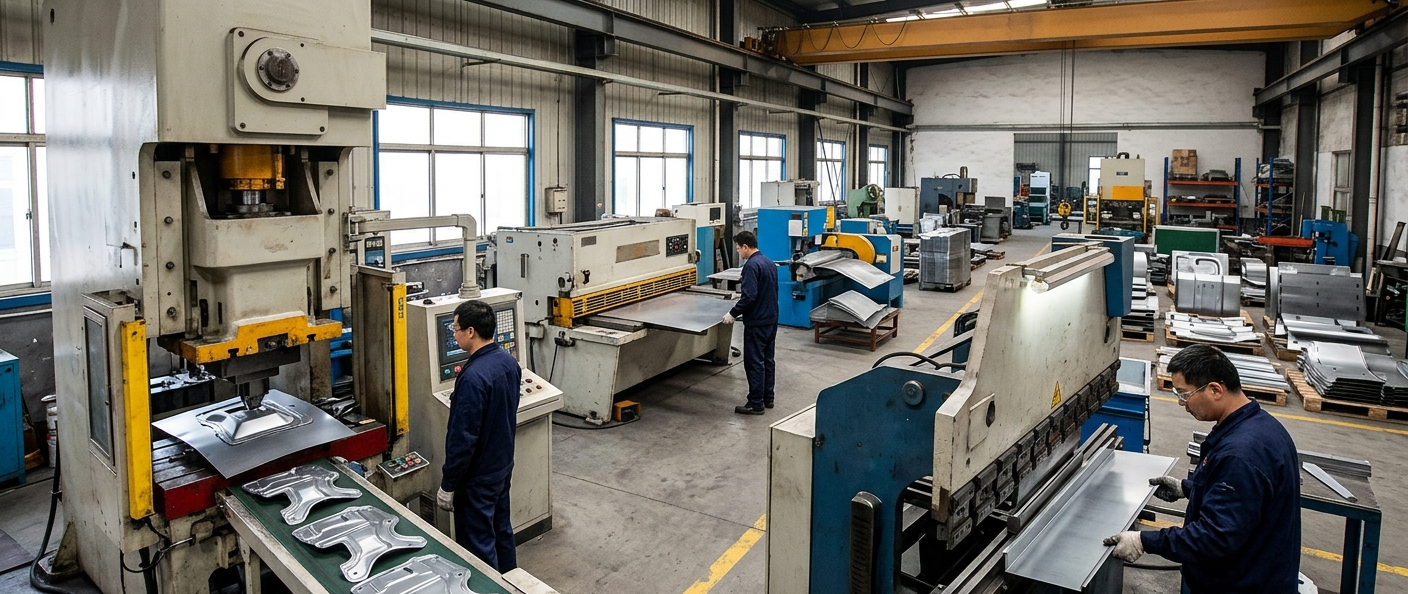
A consumer hardware product almost always touches three or more processes — CNC machined housings or brackets, injection-molded enclosures or buttons, sheet metal chassis, 3D-printed prototypes, sometimes spring or wire-harness assembly. A startup founder coordinating five separate vendors carries five quality systems, five lead-time risks, five payment cycles, and one assembly step where every part has to land at the same warehouse on the same day. We have watched first-time founders lose four weeks to a single delayed plastic injection batch that held up shipment of an otherwise complete order.
A genuine one-stop manufacturer takes the coordination overhead off the founder’s plate and rolls it into one timeline, one quality system, and one accountable contact. The trade-off is that one-stop shops are slightly more expensive at the unit-cost line than the cheapest single-process specialist, typically by 5–12%. For a startup, the trade is almost always worth it on the first three production runs. Once the BOM is stable and volumes are predictable, sourcing can decompose to specialist suppliers — but that decomposition is a Year 2 move, not a Day 1 move.
What Capacity Should a Hardware Startup Look for in a Manufacturing Partner?
Capacity questions are the first signal of whether a supplier is set up to serve startup-scale work. Big factories that have built their economics around 50,000-unit runs are often the worst fit for a 500-unit Kickstarter launch — not because they cannot do the work, but because their internal scheduling deprioritizes small jobs in favor of anchor customers.
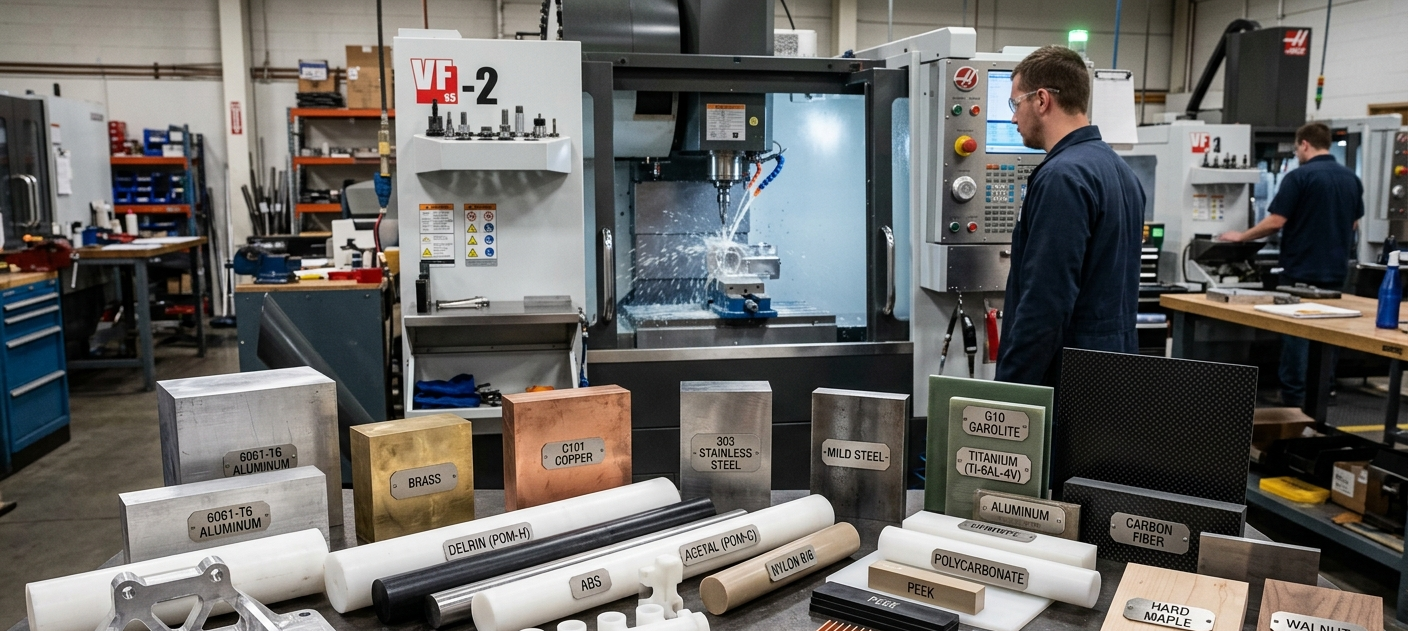
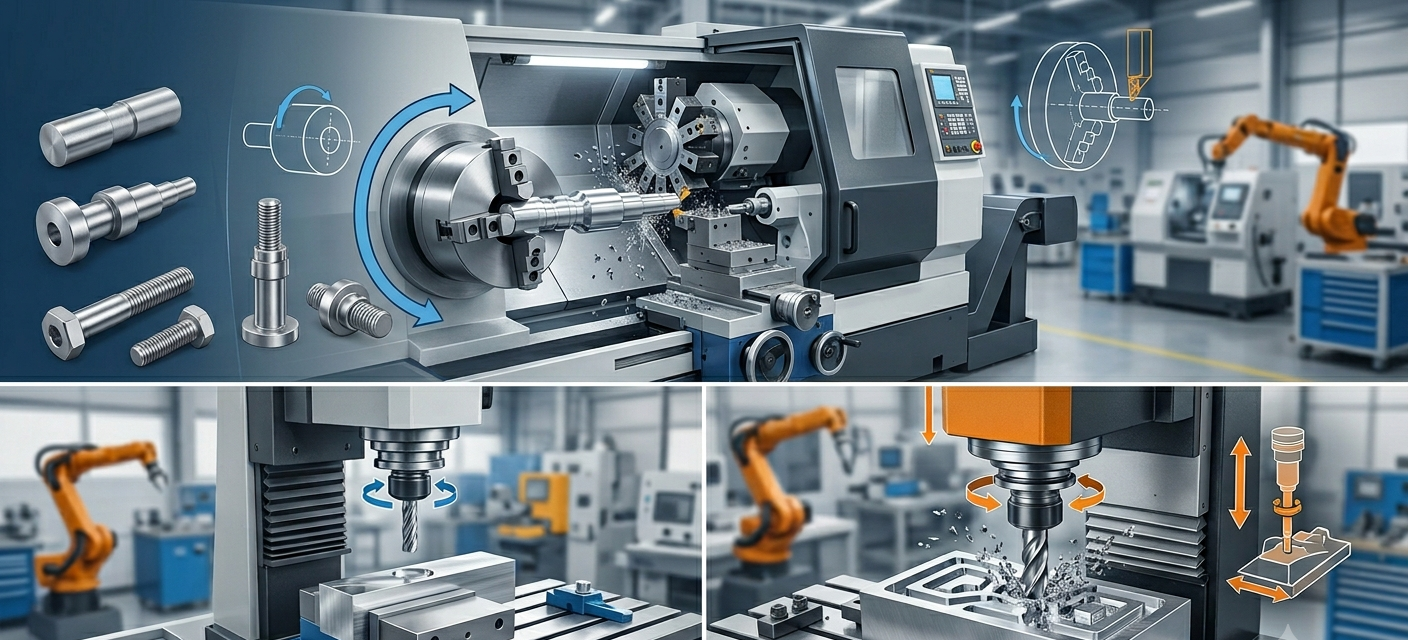
- CNC capacity — 3-axis, 4-axis, and 5-axis cells available for tight-tolerance metal work (±0.005 mm achievable). Look for at least 20–50 CNC machines across mill and turn, with prototype lead times in 5–10 days.
- Injection molding capacity — tonnage range 50–500 ton covers most consumer hardware enclosures. Confirm in-house mold making with steel grade options (aluminum for soft tooling, P20/H13 for production).
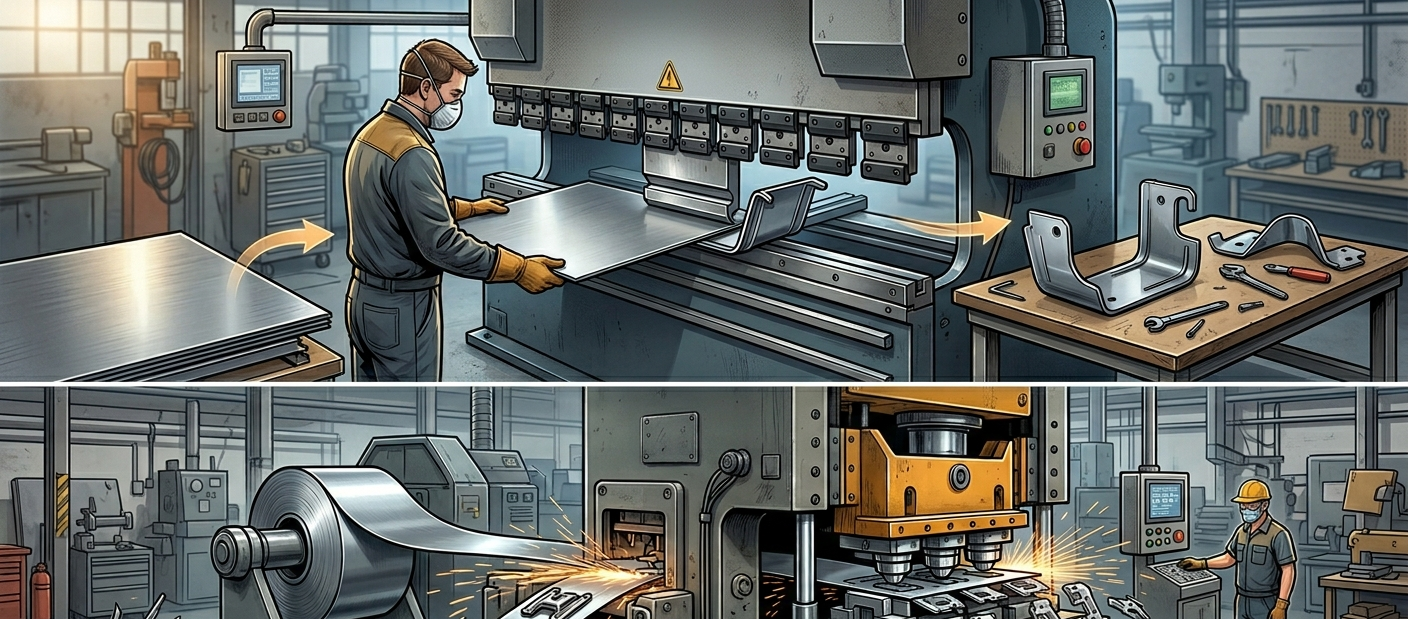
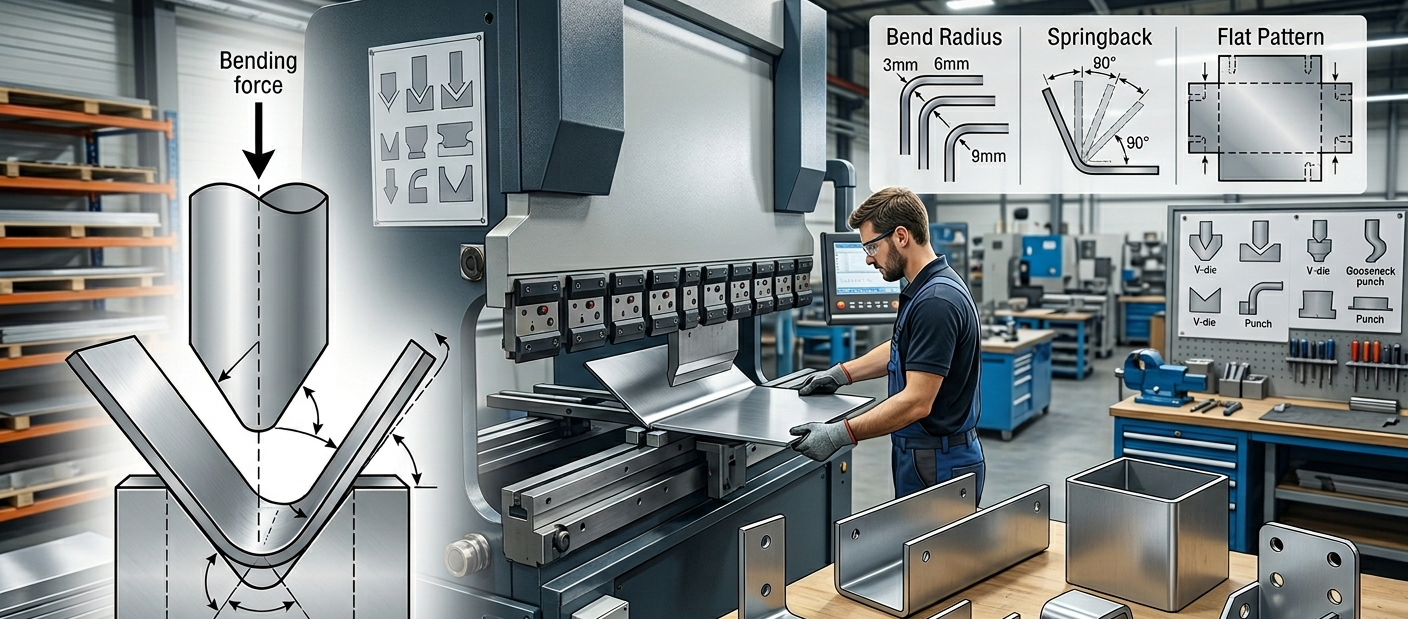
- Sheet metal — laser cutting, press brake bending, and welding under one roof. A startup chassis often needs all three on the same lead time.
- 3D printing — SLA, SLS, FDM, MJF — for functional prototypes ahead of tooling. Lead time 1–3 days for a single print is the right benchmark.
- Assembly — light kitting, hardware insertion, basic functional test. Reduces the founder’s burden of receiving five separate part bins.
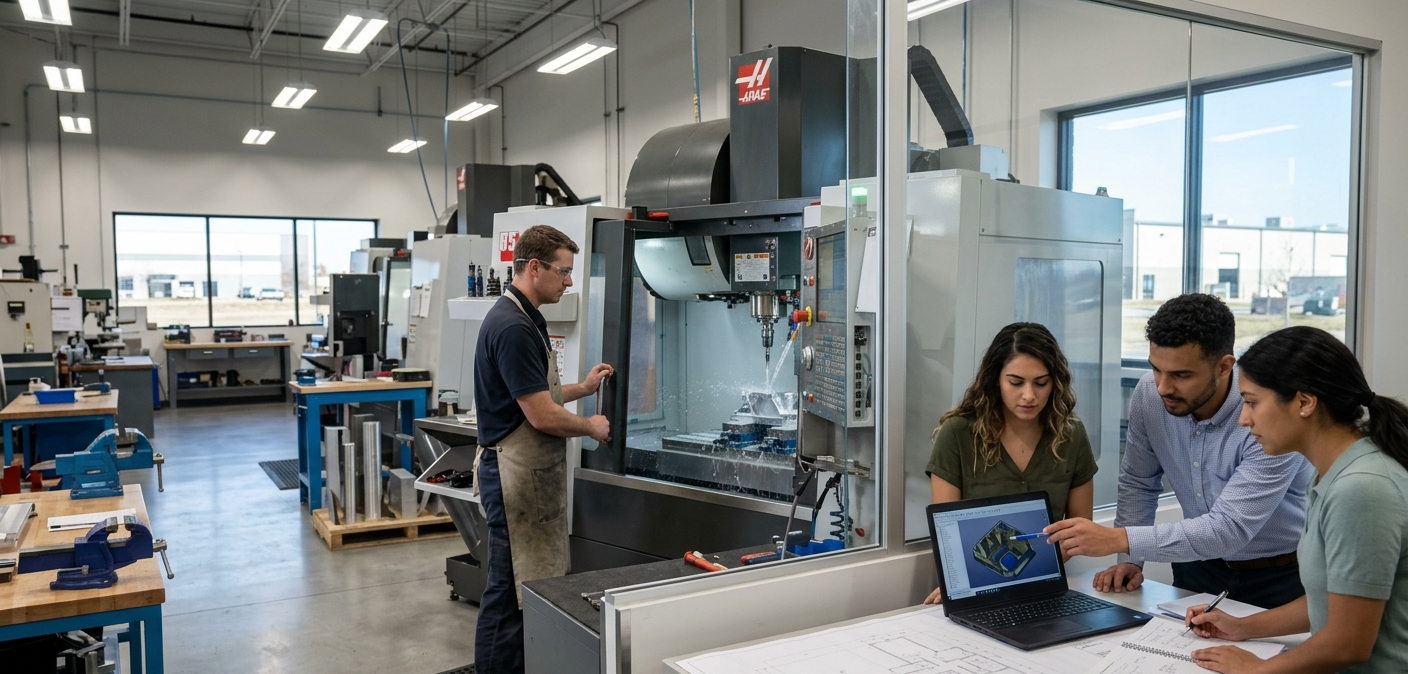
Xinyang runs all five capabilities under a single paperless digital QMS, so the founder sees the same job number progress across machining, molding, sheet metal, and assembly without chasing five WhatsApp threads.
MOQ, Tooling, and First-Run Economics: What a Hardware Startup Should Actually Pay
MOQ is the number that breaks more startup programs than any other line. The right MOQ for a first-time hardware run is whatever the program can absorb without spending more than 30% of remaining runway on inventory that may need to be reworked. For most pre-launch hardware brands, that is 200 to 800 units of the first SKU.
Below is the 2026 pricing band for a representative first run on a consumer hardware product — 500 units of a device with a CNC-machined aluminum frame, an injection-molded ABS cover, and assembly. These are realistic ranges from current quotes at one-stop Shenzhen suppliers.
| Cost component | Low estimate | Typical mid | High estimate |
|---|---|---|---|
| Aluminum CNC frame (500 units, 6061-T6) | $4,200 | $6,800 | $11,500 |
| Injection mold (soft aluminum, single cavity) | $2,400 | $4,800 | $8,500 |
| ABS injection-molded cover (500 units) | $650 | $1,150 | $2,200 |
| Sheet metal chassis (500 units) | $1,400 | $2,400 | $4,200 |
| Assembly + functional test (500 units) | $800 | $1,400 | $2,600 |
| Packaging + carton labelling | $350 | $650 | $1,200 |
| First-run total (500 units, before shipping) | $9,800 | $17,200 | $30,200 |
The single most expensive line is the injection mold itself. For a startup, the right opening move is almost always to amortize the mold over a soft tooling steel (aluminum, P20-equivalent) good for 5,000–25,000 shots — not a hardened H13 production mold that will outlive three product revisions. Soft tooling brings mold cost down 50–70% with no impact on first-1,000-unit part quality.
How to Protect Your IP When Manufacturing in China as a Hardware Startup
IP protection is the founder concern we hear most often on first calls, and it is the area where misinformation runs deepest. The short reality: signing an NNN (Non-Disclosure, Non-Use, Non-Circumvention) agreement under Chinese law with a Chinese partner is materially more enforceable than an NDA in English; design registration in China is cheap and fast; and the most common IP leak path for a hardware startup is not the contract manufacturer at all, it is the contract manufacturer’s sub-supplier of a sub-component.
- NNN agreement, drafted in Chinese, signed by the legal entity — not a sales contact. Specifies damages and venue inside China.
- China design patent (外观设计专利) filing — typically $500–$1,500 and 4–8 months to grant; covers the product’s appearance against domestic copying.
- Utility model patent (实用新型) — covers structural innovations, faster than invention patents, $800–$2,000.
- Tooling and mold ownership clause — explicit ownership of the mold in your name, with right of return at end of program.
- Sub-supplier transparency — get the supplier’s named list of sub-component vendors; the riskier sub-component (often a PCBA assembler) is where leaks happen.
Xinyang’s standard agreement signs NNN at the entity level, lists every sub-supplier on the BOM, and registers the founder’s tooling assets in our internal database with photo proof.
5 Communication Patterns That Tell You a Manufacturer Is Built for Startups
After 70+ startup onboardings, these are the patterns that correlate with successful first runs. A supplier hitting all five is rare and worth paying a 5–10% premium for; a supplier missing three or more is a risk on a startup-scale program regardless of unit price.
- Engineering response under 24 hours — RFQs and DFM questions come back with named engineer signatures, not generic sales replies.
- Photos and videos on every batch — startup founders cannot fly to Shenzhen weekly; daily WIP photos and a short video clip at each milestone close the visibility gap.
- Named project manager — one human accountable for the program, English-fluent, available on WhatsApp and email.
- Honest lead time pushback — a supplier who says “that lead time is not realistic” is more valuable than one who says yes and misses.
- Sample policy that includes revisions — a $300 sample is fine if it includes 2–3 revision cycles. A $80 sample with no revision allowance ends up costing $1,200 across four cycles.
The Hardware Startup Manufacturing Partner Selection Framework
| Criterion | Pass threshold | Why it matters for startups |
|---|---|---|
| MOQ on the first run | 200–800 units acceptable | Higher MOQ burns startup runway in inventory risk |
| One-stop process coverage | CNC + injection + sheet metal + 3D print + assembly | Multi-vendor coordination breaks startup timelines |
| Tooling amortization | Soft tooling for first 5,000–25,000 units | Hard tooling locks the design before the product is proven |
| IP protection | NNN + tooling ownership + sub-supplier list | Sub-supplier leaks are the real risk vector |
| Visibility & communication | Daily WIP photos, named PM, < 24h response | Founders cannot afford weekly information lag |
Frequently Asked Questions
What is the minimum order quantity for a hardware startup in 2026?
Most one-stop CNC + injection molding suppliers in Shenzhen and Dongguan now accept first runs from 100 to 500 units, with the unit economics improving dramatically above 500. Below 100 units, expect to absorb significantly higher per-unit costs because tooling and setup amortize poorly. A pragmatic startup target is 300 to 800 units for the first SKU, scaling to 1,000–3,000 units once the design is locked and demand validated.
Should I use soft tooling or hard tooling for my first hardware production run?
Soft tooling almost always. A soft aluminum or P20-equivalent injection mold runs $2,000–$8,000 depending on part size and complexity, and is good for 5,000–25,000 shots. A hardened H13 production mold runs $8,000–$35,000 and is good for 250,000+ shots. For a startup running 500–5,000 units of an unproven design, soft tooling brings cost down 50–70% with no first-batch quality difference and leaves room for design iteration before committing to a hard mold.
How long does a first hardware production run typically take?
From locked CAD to first 500 units shipped, a realistic timeline is 8 to 14 weeks. The breakdown: 2–3 weeks for engineering review and DFM, 3–5 weeks for soft mold fabrication, 1–2 weeks for first-article samples and revisions, 2–3 weeks for full production, and 1 week for assembly, QC, and packing. Trying to compress below 8 weeks usually means cutting validation steps that the founder will regret at unboxing.
How do I make sure my contract manufacturer does not copy my design?
Sign a Chinese-law NNN agreement at the entity level, register a China design patent on the product appearance, document tooling ownership in writing with photo proof, and require the supplier to disclose its sub-supplier list. The most common IP leak path is not the prime manufacturer; it is a careless sub-supplier of a sub-component. Suppliers willing to disclose their sub-supplier list are statistically the safer partners — opacity is the warning.
What does a paperless digital QMS actually mean for my startup?
A paperless digital QMS replaces paper travelers, paper inspection sheets, and WhatsApp progress reports with a single digital workflow where every operation, inspection, and revision is logged against a unique job number. For a startup founder, the practical benefit is that you can pull up your part’s complete production history — every measurement, every dimensional check, every operator signature — from one URL, instead of asking the supplier’s QC team to dig through binders. This becomes critical when you need to investigate a field failure six months after shipment.
Should I visit the factory before placing my first PO?
If your first PO exceeds $15,000 and you can afford the trip, yes. A two-day visit to Shenzhen lets you see the actual cells, meet the engineering team, and check the inspection equipment. If you cannot visit, ask for a live video tour, request the supplier’s last two ISO 9001 surveillance audit reports, and have a sourcing agent or trusted contact in-region do a one-day audit. Visiting beats every other due-diligence step combined.
Conclusion
- Hardware startups should vet manufacturing partners on five operational dimensions — capacity, MOQ flexibility, tooling amortization, IP protection, and communication cadence — not just unit price.
- Soft tooling for the first 5,000–25,000 units brings mold cost down 50–70% and leaves room for design iteration before hard tooling commitment.
- A paperless digital QMS gives the startup founder the visibility a $50M factory rarely provides, and closes the information gap that breaks most first-time production runs.