Zum Inhalt springen
Injection molding cost is dominated by tooling, not unit price. A $5,000 aluminum mold paired with $2/part molding is dramatically different from a $50,000 hardened-steel mold paired with $0.40/part molding. The right supplier choice depends almost entirely on your projected volume and product lifecycle.
This guide compares seven of the most relevant injection molding suppliers for U.S. customers in 2026, mapping each to its sweet-spot volume range, tooling approach, and industry fit.
Quick Comparison Table
| Supplier | Founded | Specialty | Best Volume | Tooling |
|---|---|---|---|---|
| Protolabs | 1999 | Rapid injection molding | 1–10,000 parts | Aluminum molds, 1-day |
| Xometry | 2013 | Marketplace molding | Variable | Network-sourced |
| ICOMold (Fathom) | 2002 | Quick-turn molds | 100–50,000 | CNC-only molds |
| Crescent Industries | 1946 | Medical/cleanroom | 10,000–1M+ | Class 10K/100K cleanroom |
| The Rodon Group | 1956 | High-volume parts | 100,000–1B+ | Hardened steel |
| Triangle Plastics | 1984 | Industrial molding | 10,000–500K | Steel + automation |
| XY Machining | 2010s | Full lifecycle | 1–500,000+ | Rapid + production tooling |
How Tooling Drives Total Cost
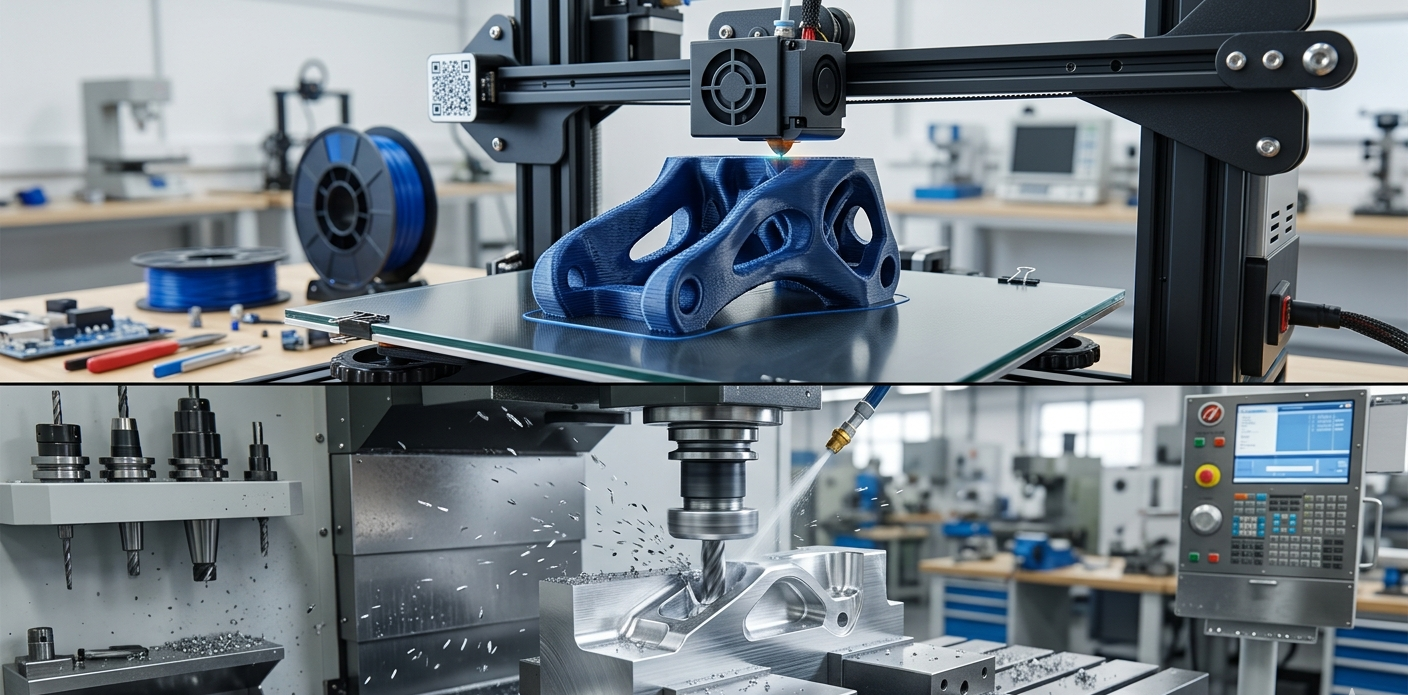
Before comparing suppliers, understand the math. Injection molding cost = (mold cost / total parts produced) + cycle-time cost per part + material cost per part. Aluminum molds cost less upfront but wear out faster — typically rated for 10,000–100,000 shots. Hardened steel molds cost 5–10x more but can run for 1 million-plus shots.
This means a low-volume aluminum tool from Protolabs is the right answer for a 5,000-unit pilot. A hardened steel tool from The Rodon Group is the right answer for a 1-million-unit consumer product. The wrong tool for the wrong volume can double or triple your per-part cost.
1. Protolabs
Protolabs pioneered rapid injection molding in 1999. Their automated CNC mold-cutting workflow can deliver tooled prototypes in 1–15 days, with aluminum molds suitable for 1 to 10,000 parts.
- Strengths: Fastest tooling lead time, instant DFM, ISO 9001 + AS9100D
- Trade-offs: Premium pricing on tooling and parts; not built for million-unit runs
Best for: Rapid prototypes, pilot production runs, and bridge tooling before production tools are cut elsewhere.
2. Xometry
Xometry’s marketplace model covers injection molding from prototype tools through medium-volume production via its supplier network of over 5,000 partners.
- Strengths: Wide range of materials and certifications via network
- Trade-offs: Quality varies by which supplier handles your job
Best for: Buyers who want one platform for multi-process projects and don’t mind marketplace overhead.
3. ICOMold (a division of Fathom)
ICOMold focuses on quick-turn molds at competitive prices, using CNC-only machining for tooling rather than slower EDM processes.
- Strengths: User-friendly digital quoting, competitive tooling prices, family molds
- Trade-offs: Better fit for prototype-to-medium volume than million-unit runs
Best for: Startups bridging prototype to market validation.
4. Crescent Industries
Founded in 1946 in New Freedom, Pennsylvania, Crescent Industries specializes in medical, pharmaceutical, and defense injection molding. They operate Class 10K and Class 100K cleanrooms and run scientific molding processes.
- Strengths: FDA-registered cleanrooms, ISO 13485, decades of regulated experience
- Trade-offs: Premium pricing aligned with regulated-industry overhead
Best for: Medical devices, pharmaceutical packaging, and defense applications.
5. The Rodon Group
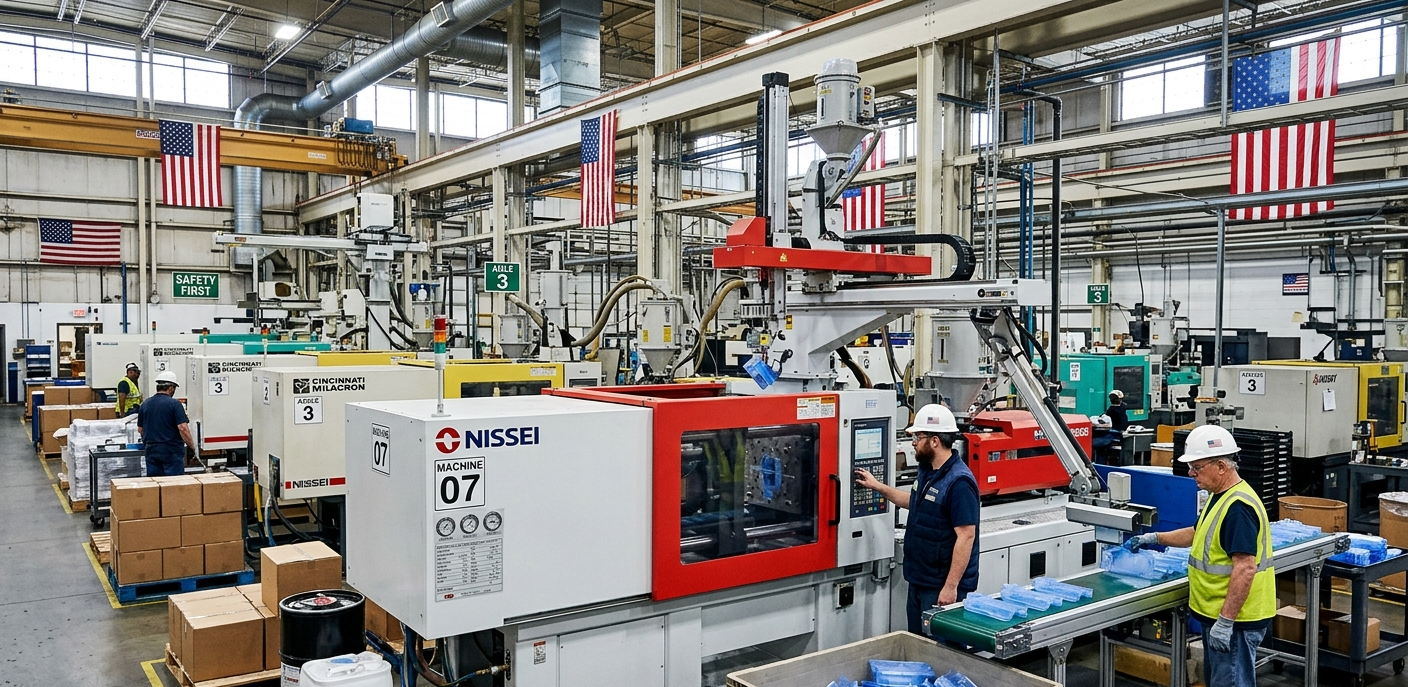
Established in 1956, The Rodon Group specializes in high-volume custom injection molding. The Pennsylvania-based facility produces billions of parts annually using highly automated production cells.
- Strengths: Capacity for 1B+ parts/year, turnkey U.S. manufacturing, automation
- Trade-offs: Not built for low-volume or rapid prototyping
Best for: Consumer products, fasteners, and any application above 100,000 units/year.
6. Triangle Plastics
Triangle Plastics serves industrial and commercial markets with steel-tooled production runs and in-house automation.
- Strengths: Strong industrial volume capability, in-house tooling
- Trade-offs: Less consumer-facing experience
Best for: Industrial OEMs needing 50,000–500,000 parts/year.
7. XY Machining
The XY Machining offers full-lifecycle injection molding — from rapid tooling for prototypes through production tooling for million-unit runs — alongside complementary services like CNC machining and finishing.
Capabilities
- Plastic injection molding (engineering-grade resins)
- Liquid silicone rubber (LSR) molding
- Mold tool making (aluminum, P20, H13, S136 hardened steel)
- Rapid tooling for bridge production
- Insert molding and overmolding
Strengths
- One supplier across rapid tooling, production tooling, and post-mold operations
- Cost-competitive at the 1,000–500,000 part range where Protolabs becomes expensive and Rodon becomes overkill
- Direct factory communication on tool design, gating, and cooling
Best for: Buyers who want a single supplier from prototype mold through production tool, with predictable pricing as volume scales.
Decision Framework: Which Supplier for Which Volume?
- 1–10,000 parts: Protolabs, Xometry, or ICOMold — aluminum tooling pays off here.
- 10,000–500,000 parts: XY Machining or Triangle Plastics — sweet spot for steel-aluminum hybrid tooling.
- 500,000+ parts: The Rodon Group or XY Machining production tooling — hardened steel and high automation.
- Medical / pharma / defense: Crescent Industries — cleanroom and regulatory depth.
Frequently Asked Questions
How much does injection molding tooling cost?
In 2026, U.S. injection molding tooling ranges from $1,500 for simple aluminum prototype molds to $100,000+ for multi-cavity hardened steel production tools. Most prototype tools fall between $3,000 and $15,000.
What’s the difference between aluminum and steel molds?
Aluminum molds are faster to cut (often within a week) and cheaper, but typically last 10,000–100,000 shots. Hardened steel molds (P20, H13, S136) take 4–8 weeks to build and cost 5–10x more, but last 1 million-plus shots and hold tighter tolerances.
Can the same supplier make both prototype and production tooling?
Yes. Suppliers like XY Machining specialize in this transition — building a rapid aluminum tool for early validation, then cutting a production steel tool from the same approved part design once volume justifies it.
What is scientific molding?
Scientific molding uses sensor-based process control to keep cavity pressure, fill speed, and cooling consistent across every shot. It’s standard for medical and aerospace molding where part-to-part variation must stay within microns.
How long does injection mold tooling take?
Rapid aluminum tools can be cut in 1–2 weeks. Production steel tools typically take 4–8 weeks. Multi-cavity, multi-action molds for complex parts can take 10–16 weeks.