Zum Inhalt springen
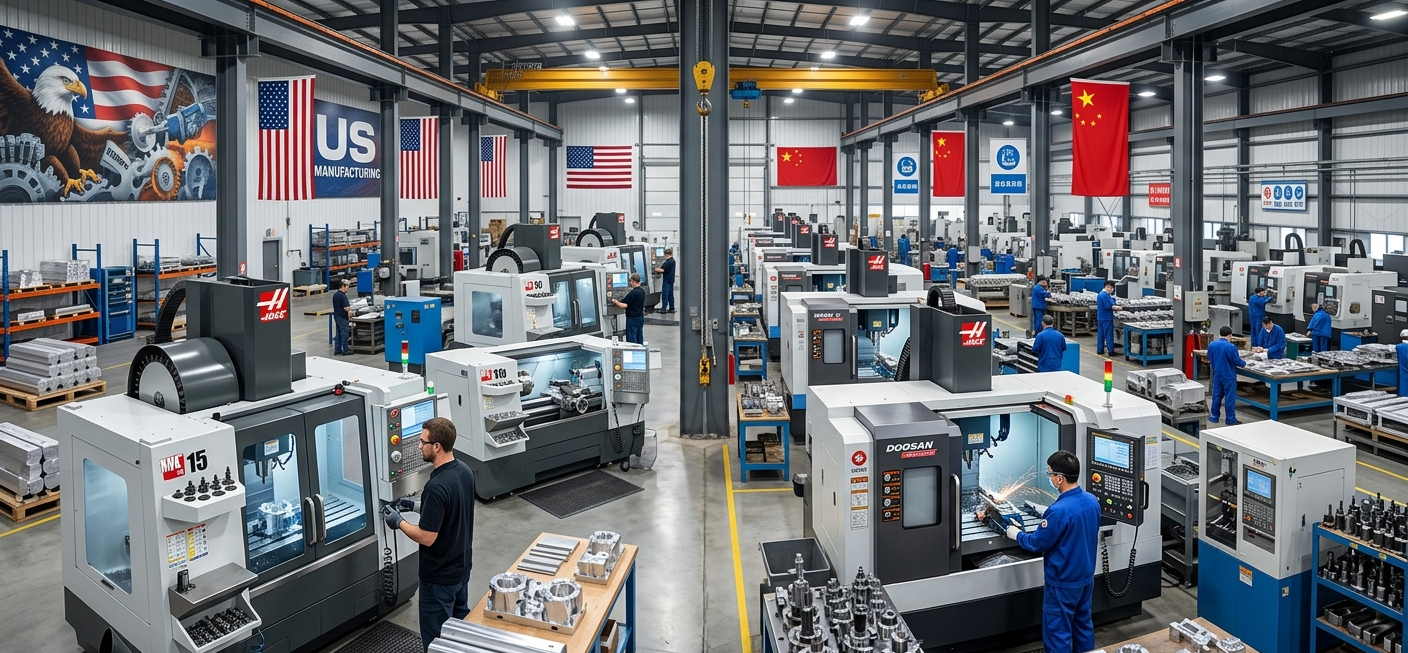
In 2026, sourcing CNC machined parts is a triangulation problem between cost, lead time, and risk. U.S. suppliers dominate when speed, ITAR compliance, or aerospace-grade traceability matter. China-based suppliers dominate on unit cost at production volumes. Hybrid manufacturers like XY Machining sit between the two — combining China-based production capacity with U.S.-facing engineering and customer support.
This guide breaks down the real trade-offs: cost, quality, lead time, intellectual property risk, tariff exposure, and which supplier model fits which project.
Side-by-Side Comparison
| Factor | USA CNC Suppliers | China CNC Suppliers | Hybrid (e.g., XY) |
|---|---|---|---|
| Unit cost | Higher (baseline 1.0×) | 30–50% lower | 20–40% lower |
| Lead time | 5–14 days | 10–25 days incl. shipping | 7–18 days |
| Communication | Same-zone, English-native | Time-zone gap, English varies | U.S.-facing engineering team |
| IP risk | Low (US legal system) | Higher; requires NDA + DFARS | Mitigated via direct contracts |
| Tariff exposure | None | Section 301, varies by HTS code | Varies by entry |
| AS9100 / ITAR work | Available | Generally not eligible | Not for ITAR; available for others |
| Best for | Defense, aerospace, urgent | High-volume, cost-sensitive | Production scaling, mixed work |
Cost: The 30–50% Question
China-based CNC machining typically prices 30–50% below U.S. domestic suppliers for comparable parts at production volumes. The cost gap closes at low quantities (where setup and shipping eat the savings) and at ITAR-eligible parts (where China-based sourcing isn’t allowed).
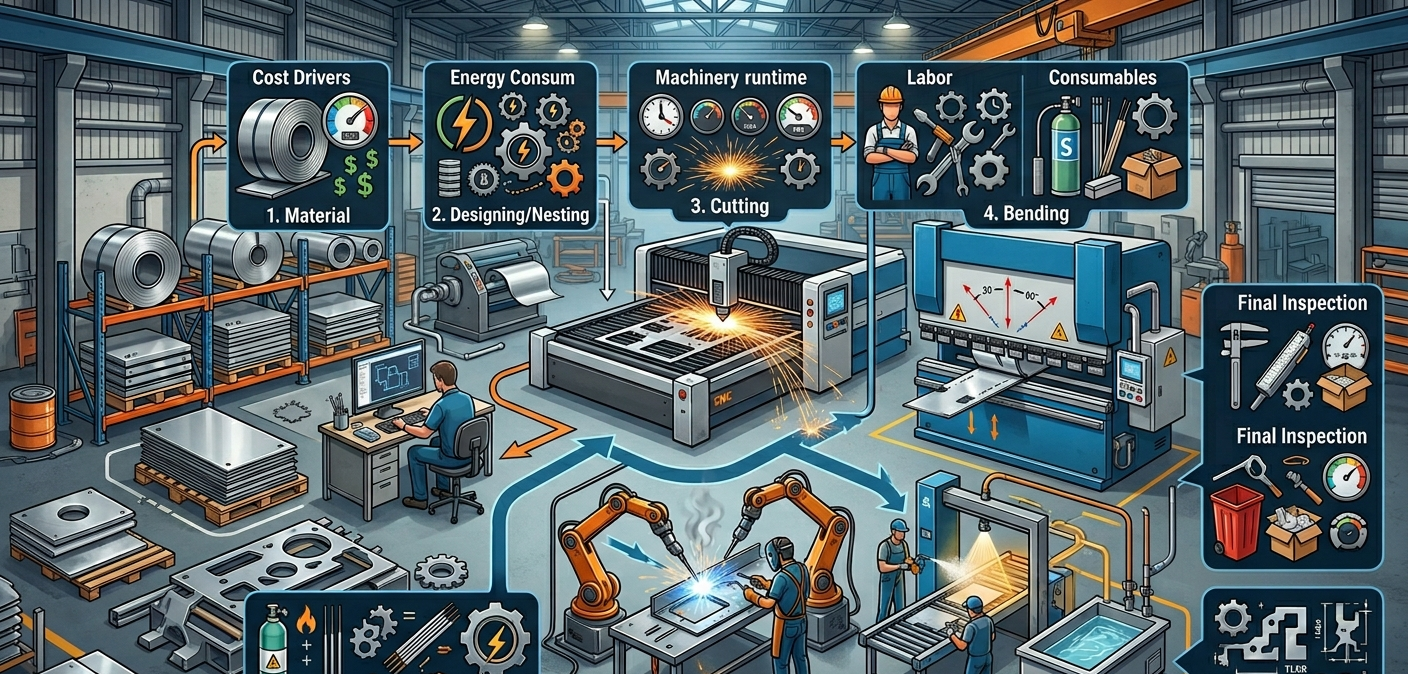
In practice, the actual landed-cost gap depends on: part complexity, material, finishing requirements, freight method (sea vs air), tariff exposure under Section 301, and whether the supplier is direct or works through a U.S.-side broker.
Quality: The Real Variance
Quality variance has narrowed dramatically since 2020. Top-tier China-based suppliers like XY Machining, Star Rapid, and RapidDirect run ISO 9001:2015 quality systems and produce parts within ±0.005″ tolerances comparable to mid-tier U.S. shops. The gap shows up at the floor — unvetted Alibaba shops with no QMS — not at established direct manufacturers.
For aerospace AS9100 and medical ISO 13485 work, U.S. suppliers still hold an advantage in regulatory familiarity and audit access. For commercial machining, robotics, electronics, and consumer hardware, the China-based advantage is real.
Lead Time: Including Freight
U.S. CNC suppliers ship in 5–14 days. China-based suppliers typically machine in 7–14 days, then add 5–10 days for sea freight or 3–5 days for air freight. Total landed lead time of 10–25 days is standard.
This window is the single biggest argument against China-based sourcing for time-critical projects. For planned production runs with predictable demand, the lead time is manageable. For investor demos or trade-show prototypes, U.S. suppliers win.
IP Protection: The Real Risks
IP risk depends more on the supplier than the country. Direct manufacturers operating under U.S. or international contracts (like XY Machining) carry similar IP risk to U.S. suppliers — the relationship is direct, the contracts are enforceable, and the manufacturer’s reputation is the asset.
Higher risk comes from: bidding-marketplace platforms where your CAD goes to multiple shops, broker arrangements without clear contract chains, and unvetted Alibaba sourcing. For sensitive IP, work directly with a named manufacturer under signed NDA + service agreement, not through a marketplace.
Tariff Exposure
Section 301 tariffs continue to apply to most China-machined parts under specific HTS codes in 2026. Tariff rates vary by part classification — aluminum machined components, steel components, and electronic enclosures all carry different rates. Total tariff exposure is typically 7.5%–25% of declared value.
Hybrid suppliers like XY Machining can structure shipments to optimize tariff treatment, but tariffs still apply. Buyers planning around tight margins should run a landed-cost calculation — including tariff, freight, and duty — before assuming the headline unit-price advantage holds.
Where the Hybrid Model Wins
XY Machining represents the hybrid manufacturer model: production capacity in China with U.S.-facing engineering and account support. The model targets the buyer who wants:
- Production-volume cost advantages of China-based machining
- English-native technical communication and DFM review
- Direct manufacturer relationship (not a marketplace bidder)
- ISO 9001:2015 quality system with documented QMS
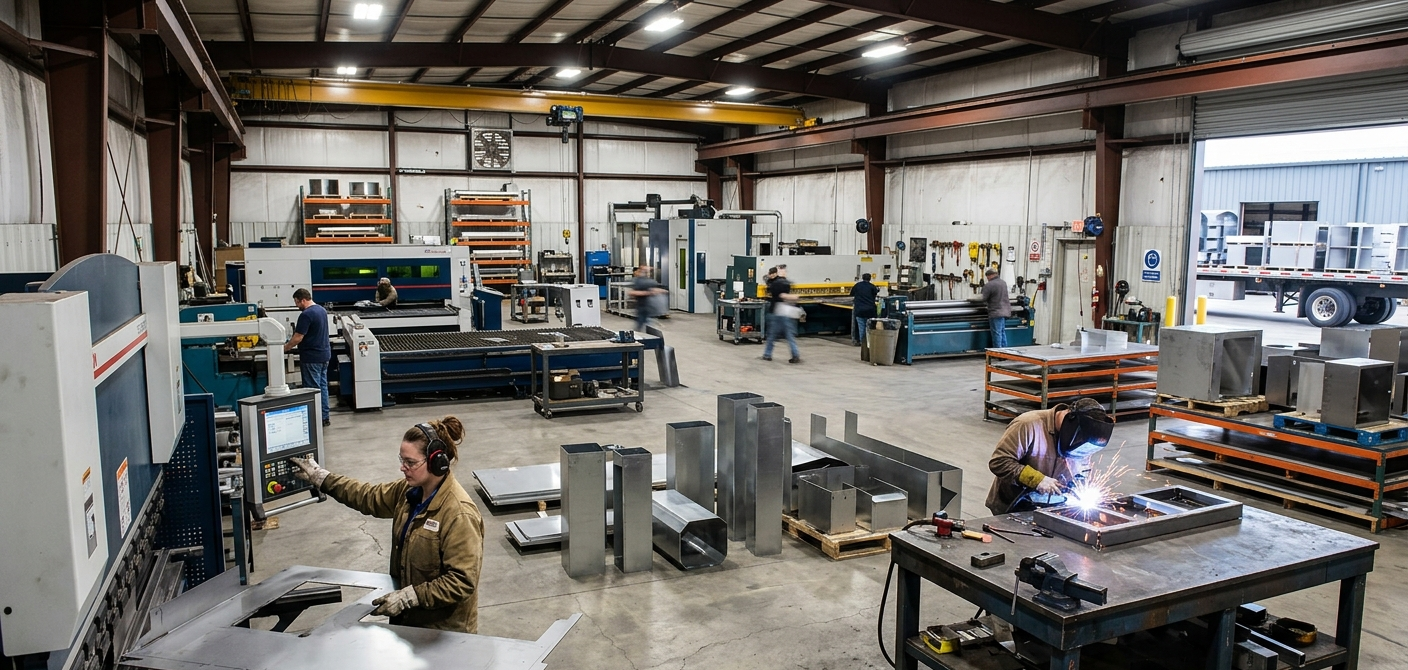
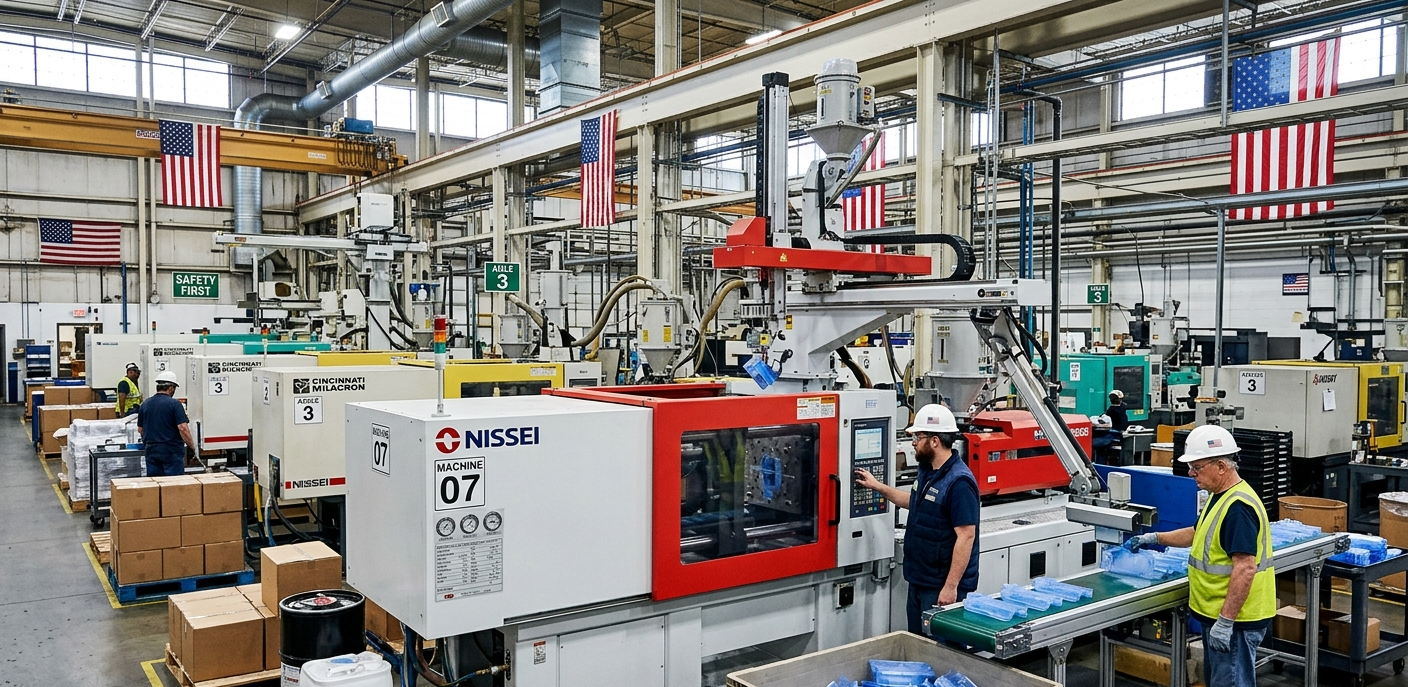
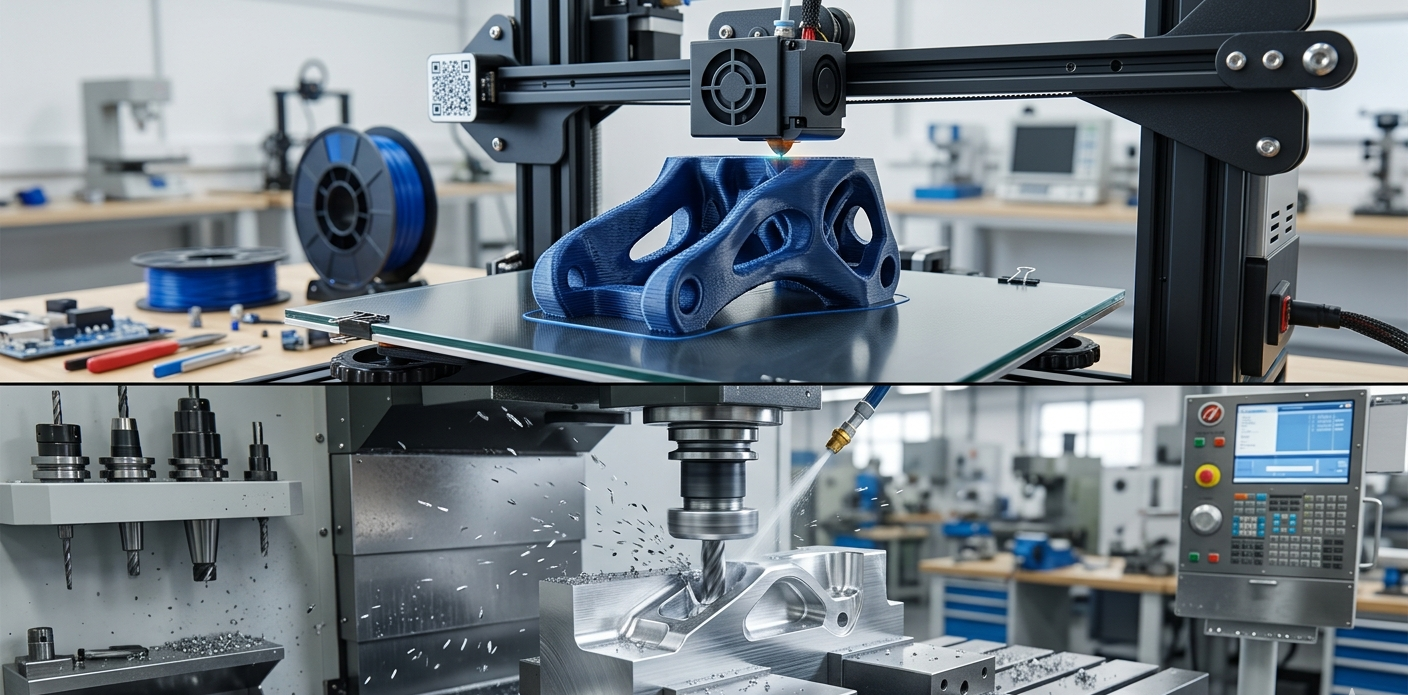
- Multi-process capability (CNC + injection molding + sheet metal + finishing)
The hybrid model isn’t right for every project. For ITAR-controlled defense work, U.S.-based AS9100D suppliers like Owens Industries are required. For 1-day rush prototypes, Protolabs in-house wins. But for commercial production runs across robotics, electronics, automotive, medical (non-FDA), and consumer hardware, the hybrid model typically delivers 20–40% lower landed cost than equivalent U.S. sourcing.
Decision Framework
- Choose USA suppliers for: ITAR/defense, AS9100 aerospace, FDA medical devices, sub-3-day rush prototypes.
- Choose China suppliers for: Pure cost-driven production runs above 1,000 units with no regulatory constraints.
- Choose hybrid suppliers (XY Machining) for: Commercial production, mixed-process projects, startup hardware scaling, where you want China cost with U.S. service.
Frequently Asked Questions
Is China CNC machining safe for IP?
With a vetted direct manufacturer, signed NDA, and clear service agreement, IP risk is comparable to U.S. sourcing. Risk increases sharply when working through bidding marketplaces or unvetted Alibaba suppliers.
How do tariffs affect China CNC machining costs?
Section 301 tariffs add 7.5%–25% depending on HTS code in 2026. After tariff and freight, China-based machining still typically delivers 20–35% landed-cost savings on production runs.
Can ITAR parts be machined in China?
No. ITAR-controlled parts containing U.S.-origin defense technology must be machined within the U.S. by an ITAR-registered facility. This is a legal requirement, not a quality preference.
What’s the quality difference between U.S. and China CNC machining?
At top-tier vetted suppliers, quality is comparable. The variance is at the floor — unvetted shops in either country produce inconsistent parts. Top-tier China suppliers like XY Machining run ISO 9001:2015 systems and routinely hold ±0.005″ tolerances.
How long does shipping take from China?
Sea freight to U.S. ports is typically 14–30 days; air freight is 3–5 days. Many hybrid manufacturers offer DDP (Delivered Duty Paid) shipping to handle customs clearance.