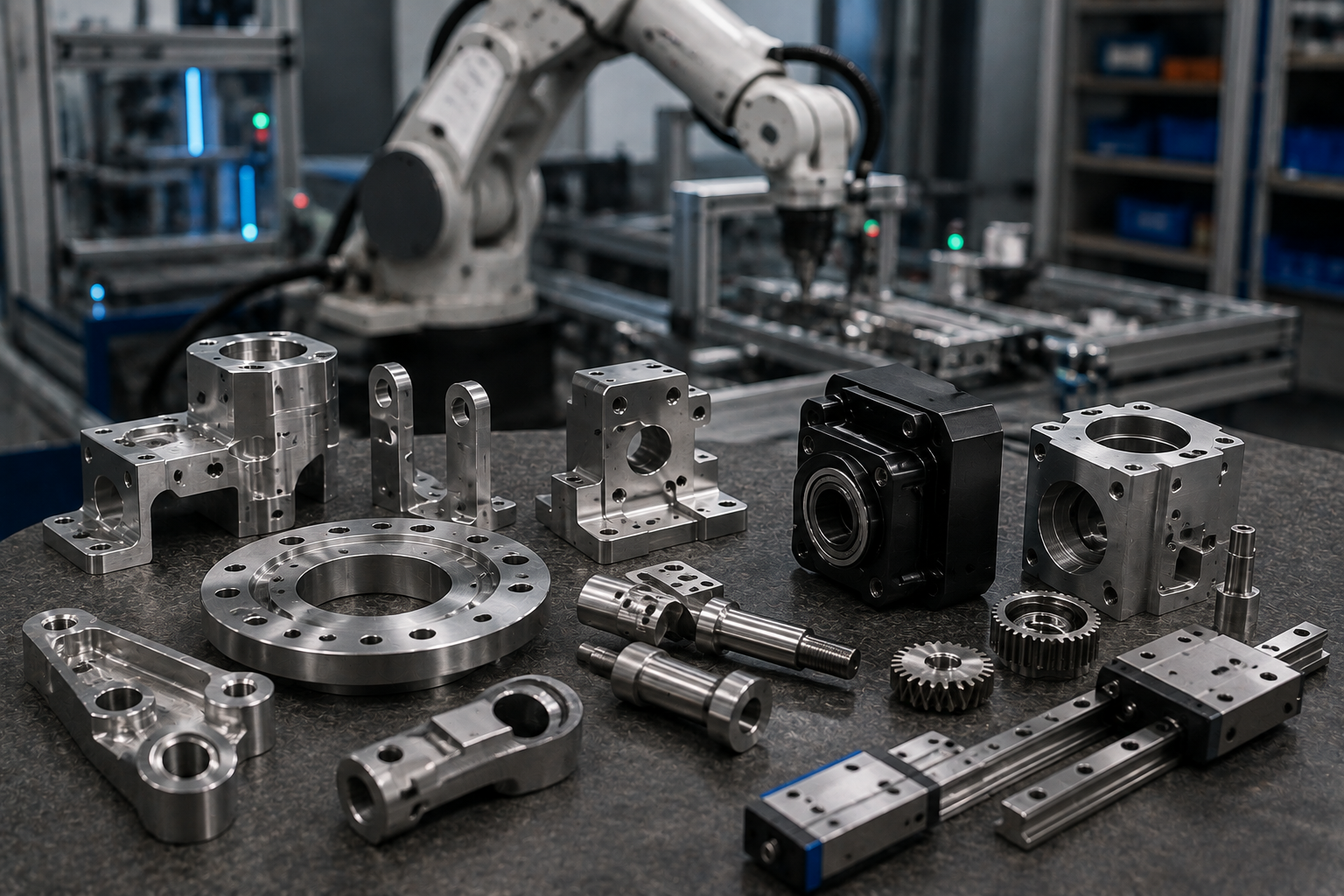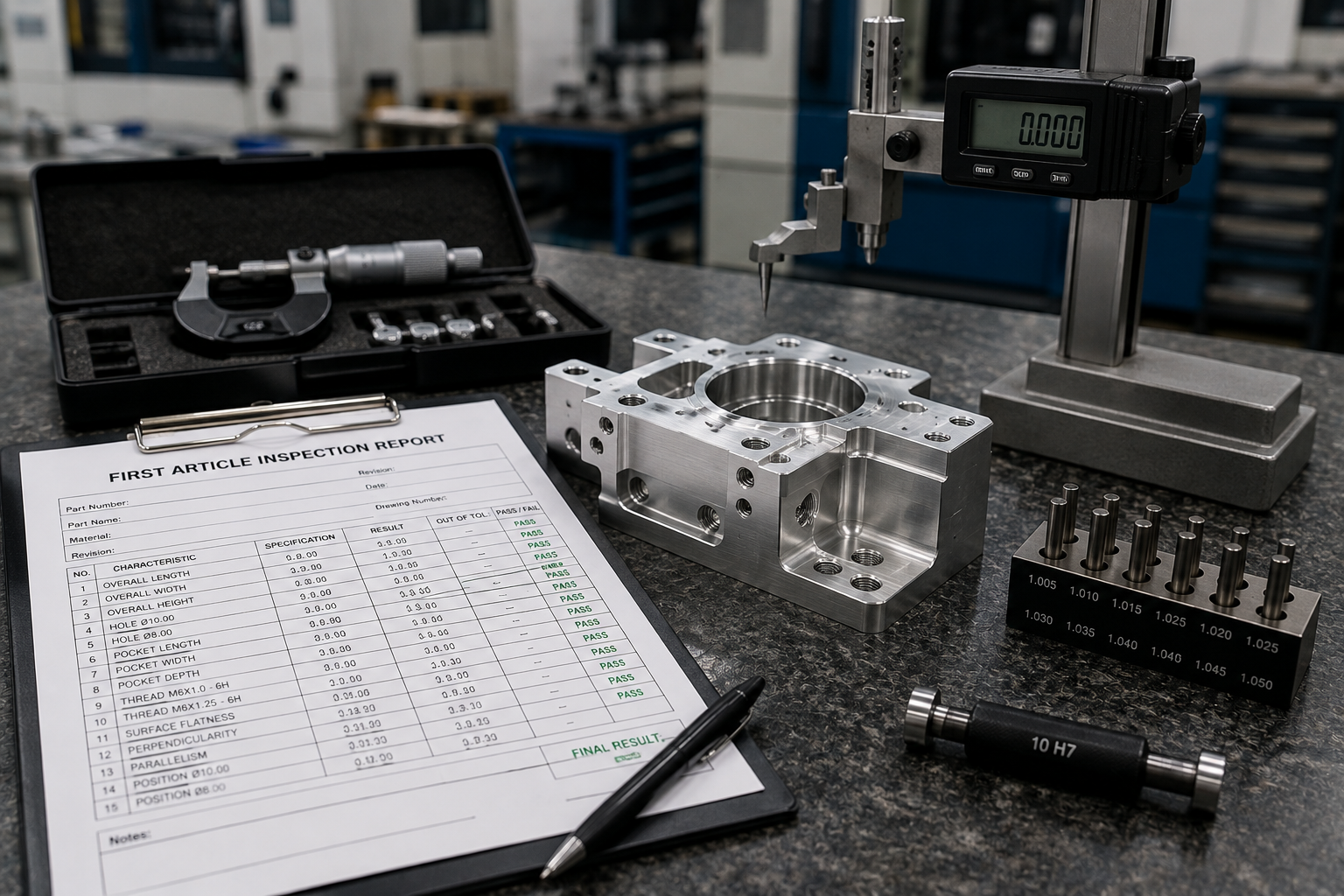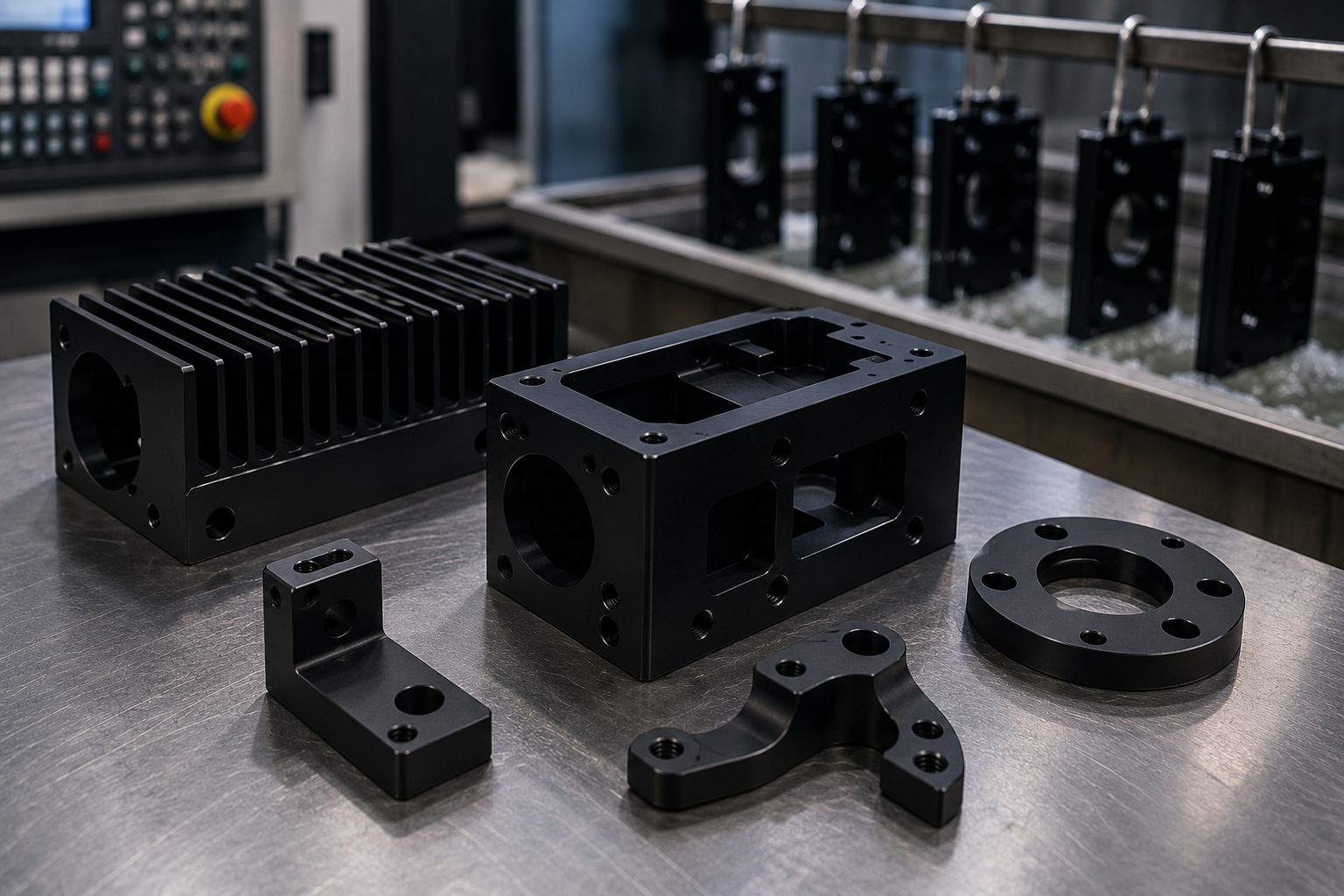
Choosing a CNC machining partner in 2026 is no longer a simple price-and-lead-time decision. The U.S. market now spans three distinct categories: in-house digital manufacturers like Protolabs that own their machines, marketplace platforms like Xometry that route jobs to a global supplier network, and direct manufacturers like MXY Machining that combine production capacity with U.S.-facing engineering support.
Each model has trade-offs around tolerance control, transparency, scalability, and cost. This guide compares the top 10 CNC machining companies serving U.S. customers in 2026 — covering capabilities, certifications (ISO 9001, AS9100, ITAR), tolerances, lead times, and pricing structure — so engineers, procurement managers, and startup founders can match the right partner to the right project.
Quick Comparison Table
| Provider | Founded | Model | Lead Time | Best Strength | Best For |
|---|---|---|---|---|---|
| Protolabs | 1999 | In-house factories | 1–3 days | Fastest turnaround | Urgent prototypes |
| Xometry | 2013 | Marketplace (5,000+ suppliers) | 3–10 days | Process breadth | Variety of processes |
| Fictiv | 2013 | Curated network (4 regions) | 3–7 days | Quality + DFM support | Regulated industries |
| Hubs (Protolabs Network) | 2013 | Vetted partner network | 5–10 days | Global localization | Distributed sourcing |
| MXY Machining | 2010s | Direct manufacturer + US-facing service | 5–14 days | Cost + multi-process | Production scaling |
| eMachineShop | 2002 | Online + own + partners | 7–14 days | Affordable low-volume | Hobbyists & startups |
| Star Rapid | 2005 | Direct manufacturer | 10–15 days | Engineering depth | Complex prototypes |
| Owens Industries | 1985 | In-house US shop | Quote-based | Tolerance ±0.0001″ | Aerospace & defense |
| Gensun Precision | 2008 | Direct manufacturer | 7–14 days | Precision + finishing | Optical & medical |
| Fast Radius / SyBridge | 2017 | Hybrid digital + physical | 5–10 days | Larger envelopes | Automotive & aerospace |
How We Evaluated CNC Machining Companies
Every provider on this list was assessed against six criteria that matter most for U.S. buyers in 2026: machining capability (3-axis, 4-axis, 5-axis, mill-turn, EDM), achievable tolerance, certifications and compliance, lead time at standard and rush tiers, supplier model, and total landed cost including tooling, finishing, and shipping.
We also weighted three softer factors that shape real procurement decisions: design-for-manufacturing (DFM) feedback quality, communication and account management, and the ability to scale from a single prototype to a 10,000-piece production run with the same supplier.
1. Protolabs
Founded in 1999 and headquartered in Maple Plain, Minnesota, Protolabs is the original digital manufacturer in the U.S. The company runs its own automated factories rather than relying on a partner network, which gives it the tightest control over speed and quality among the major platforms.
Capabilities
- CNC milling (3-axis), CNC turning, 5-axis machining
- Injection molding, sheet metal, 3D printing
- Materials: aluminum, stainless steel, brass, copper, titanium, plastics
Strengths
- Industry-leading lead times — parts in 1 to 3 days for standard geometries
- Instant DFM feedback built into the quoting tool
- ISO 9001 and ITAR registered facilities
Trade-offs
- Premium pricing — typically 20–40% higher than marketplace competitors
- Rigid design constraints driven by their automated toolpath software
- Less flexible for highly complex 5-axis geometries or exotic materials
Best for: Aerospace, medical, and automotive teams that need certified prototypes fast and can absorb premium pricing.
2. Xometry
Xometry (NASDAQ: XMTR) is the largest on-demand manufacturing marketplace in the U.S., headquartered in North Bethesda, Maryland. Founded in 2013, the platform connects buyers to over 5,000 vetted suppliers and uses AI-driven instant pricing.
Capabilities
- CNC machining (3/4/5-axis milling, turning, wire EDM)
- Injection molding, sheet metal, urethane casting, 3D printing
- Certifications via network: ISO 9001, AS9100D, ITAR, CMMC Level 2
Strengths
- Near-unlimited capacity through its supplier network
- Strong U.S. domestic sourcing for ITAR/defense work
- Broadest process coverage on a single platform
Trade-offs
- Quality varies by which supplier the algorithm assigns
- Marketplace markup adds a premium over direct sourcing
- Less direct communication with the actual machinist
Best for: Buyers who need process variety and capacity flexibility on one platform.
3. Fictiv
Fictiv operates a curated digital manufacturing network across four regions — the U.S., Mexico, India, and China. Founded in 2013 and headquartered in San Francisco, the company emphasizes vetted suppliers and engineering support over raw network size.
Capabilities
- CNC milling, CNC turning, EDM, gear hobbing, large-format machining
- Injection molding, 3D printing, sheet metal, die casting, urethane casting
- Certifications: ISO 9001:2015, AS9100 Rev D, ISO 13485:2016, IATF 16949:2016
Strengths
- Strong DFM feedback and engineering oversight
- Multi-region sourcing for tariff resilience
- Trusted by aerospace, medtech, and robotics teams
Trade-offs
- Pricing typically 15–30% higher than pure marketplaces
- Smaller supplier base than Xometry, leading to surge-time delays
- Overkill for simple parts that don’t need engineering input
Best for: Regulated industries and complex parts where a bad part is more expensive than a higher unit cost.
4. Hubs (Protolabs Network)
Originally founded as 3D Hubs in 2013, Hubs now operates as Protolabs Network — a vetted global partner network of 250+ manufacturing shops. It complements Protolabs’ in-house factories with broader process and material coverage.
Strengths
- Strong European footprint with U.S. localization
- Used by Airbus, Philips, and 100,000+ businesses worldwide
- Bridges the gap between Protolabs’ speed and marketplace flexibility
Trade-offs
- Slightly longer lead times than Protolabs in-house
- Network reliance means quality consistency varies
Best for: Distributed sourcing where you need partners closer to your assembly location.
5. MXY Machining
MXY Machining (Xinyang Manufacturing) operates as a direct manufacturer with U.S.-facing engineering and account support. Unlike pure marketplaces, MXY owns its production capacity, which means tighter quality control, faster iteration on revisions, and pricing that scales naturally from prototype to production.
Capabilities
- CNC milling, CNC turning, 5-axis CNC machining, precision machining
- Injection molding, mold tool making, liquid silicone rubber molding, rapid tooling
- Sheet metal fabrication, laser cutting, metal bending
- 3D printing, die casting, urethane casting, custom extrusion
Strengths
- Single supplier across machining, molding, fabrication, and finishing — no handoffs between vendors
- Cost competitive at production volumes where marketplaces become expensive
- Industry coverage: aerospace, automotive, medical, electronics, robotics, semiconductor, green energy
- Direct DFM feedback from the team that will actually machine the part
Trade-offs
- Lead times longer than Protolabs for ultra-rush prototyping
- Best fit for projects with clear specs rather than open-ended R&D
Best for: Engineering teams and procurement managers who need a single supplier from prototype through scaled production with predictable pricing.
6. eMachineShop
Founded in 2002 in Mahwah, New Jersey, eMachineShop pioneered the online-quoting model with its proprietary CAD software. The platform combines its own facility with a vetted partner network.
- Affordable pricing for low-volume and hobbyist projects
- Free CAD software with built-in quote integration
- No minimum order quantity
- Trade-off: Lead times can stretch to 2–3 weeks; less suited for production volumes
Best for: Hobbyists, students, and early-stage startups validating a single design.
7. Star Rapid
Star Rapid is a direct manufacturer with deep engineering support, headquartered in Zhongshan, China, but with strong U.S. account management. The company specializes in complex prototypes and low-volume production runs.
- Strong engineering review on complex geometries
- Tight tolerances on aerospace-grade aluminum and titanium
- ISO 9001:2015 certified
- Trade-off: Longer shipping lead times for U.S. delivery, customs/tariff exposure
Best for: Engineering-heavy prototypes that need real human review, not just an automated quote.
8. Owens Industries
Owens Industries, based in Brookfield, Wisconsin, has been machining since 1985. The shop specializes in extreme-precision work for aerospace, defense, and optical applications.
- Tolerances down to ±0.0001 inches on production parts
- AS9100D and ITAR registered
- Specialty in hard-to-machine materials like Inconel and titanium
- Trade-off: Quote-based only — no instant pricing; premium cost
Best for: Aerospace and defense parts where ±0.001″ isn’t tight enough.
9. Gensun Precision Machining
Gensun is a direct manufacturer with a strong U.S. customer base, focusing on precision CNC machining and high-quality surface finishes.
- Strong finishing capability — anodizing, plating, polishing
- Good fit for optical, medical, and consumer hardware
- Competitive pricing on production runs
Best for: Production parts where finish quality matters as much as machining accuracy.
10. Fast Radius (now part of SyBridge Technologies)
Fast Radius pioneered the idea of cloud manufacturing with larger part envelopes and now operates under SyBridge Technologies. The combined entity offers a hybrid digital-plus-physical manufacturing model.
- Handles larger CNC parts than most digital platforms
- Strong automotive and aerospace experience
- Standard tolerance of ±0.005″
Best for: Larger CNC parts or assemblies that don’t fit in a desktop-machine envelope.
How to Choose the Right CNC Machining Company
There’s no single “best” CNC machining company — only the best one for a specific project. Use these decision triggers to narrow your choice:
- Need parts in 1–3 days: Protolabs is the only platform that consistently delivers at this speed.
- Need broad process coverage: Xometry covers more processes than any competitor on one platform.
- Building regulated parts: Fictiv or Owens Industries — both have the certification depth.
- Scaling from prototype to production: MXY Machining keeps the same supplier across the full lifecycle, removing the cost spikes that hit when marketplace pricing scales up.
- Tight budget, low volume: eMachineShop or Star Rapid offer the best price-per-part for small runs.
- Larger parts: Fast Radius / SyBridge handles envelopes that desktop-machine networks can’t.
Frequently Asked Questions
Who is the largest CNC machining company in the USA?
Protolabs is the largest publicly-traded in-house CNC machining company in the U.S., while Xometry is the largest CNC machining marketplace by supplier count, with over 5,000 vetted suppliers as of 2026.
What is the typical lead time for CNC machined parts?
In 2026, U.S. CNC machining lead times range from 1–3 days at the fastest tier (Protolabs in-house) to 5–14 days for production-volume work through marketplaces and direct manufacturers like MXY Machining. Rush options typically add 30–50% to the part cost.
How much does CNC machining cost?
CNC machining cost depends on material, geometry complexity, tolerance, finish, and quantity. Standard aluminum prototype parts in the U.S. typically range from $80–$500 per part at quantity one, dropping to $15–$60 per part at quantity 100, and below $10 per part at production volumes above 1,000.
What is the difference between an in-house manufacturer and a marketplace?
An in-house manufacturer like Protolabs owns the machines that make your part, giving you direct quality control. A marketplace like Xometry routes your job to a third-party supplier from its network, giving you broader capacity and process options but less direct oversight. A direct manufacturer like MXY Machining combines in-house production capacity with U.S.-facing engineering support.
Which CNC machining service is best for low-volume production?
For low-volume production (10–500 parts), direct manufacturers like MXY Machining and Star Rapid typically offer the best total cost. Marketplaces win on convenience but charge a premium that grows with order size.
What certifications should I look for in a CNC machining supplier?
ISO 9001:2015 is the baseline. AS9100D is required for aerospace, ISO 13485 for medical devices, IATF 16949 for automotive, and ITAR registration for U.S. defense parts. CMMC Level 2 is increasingly required for U.S. Department of Defense supply chain work.
Final Verdict: Matching the Supplier to the Project
The U.S. CNC machining market in 2026 has matured into clear specializations. Protolabs owns speed. Xometry owns process breadth. Fictiv owns DFM and quality assurance. MXY Machining owns the prototype-to-production lifecycle for buyers who want a single, capacity-owning partner without the marketplace markup.
If you’re still validating a design and need parts tomorrow, choose a fast in-house manufacturer. If you’re scaling a product into production and want predictable pricing across machining, molding, sheet metal, and finishing under one roof, MXY Machining is built for that exact transition.
Ready to compare your project? Upload your CAD file to MXY Machining for a quote across CNC machining, injection molding, and sheet metal fabrication — backed by direct engineering review, not an automated price kicker.