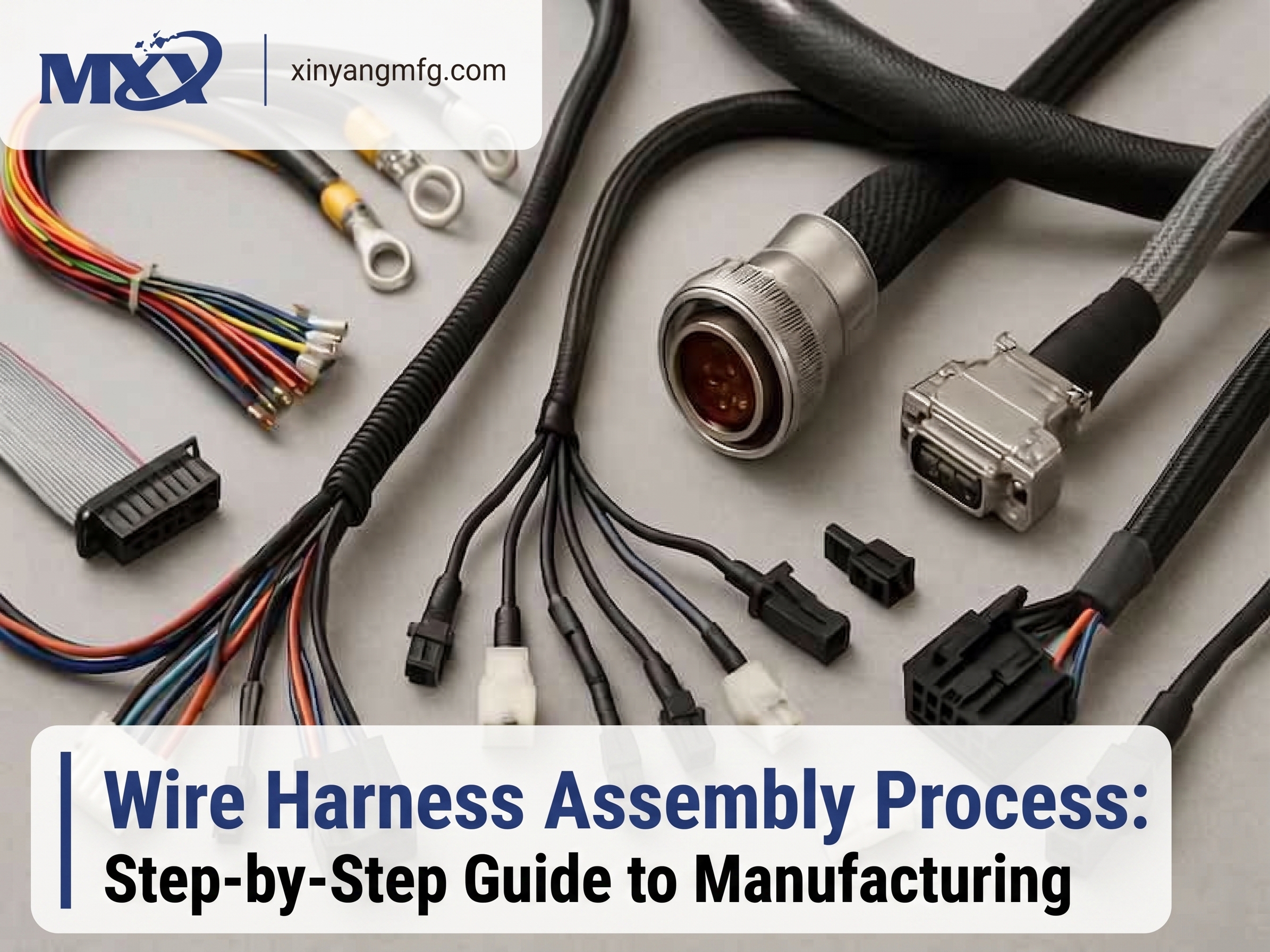
What is the wire harness assembly process? How are wire harnesses manufactured from raw wires into finished electrical systems? What are the main wire harness assembly steps used by manufacturers to ensure quality, safety, and reliability?
The wire harness assembly process involves cutting, stripping, connecting, routing, testing, and inspecting multiple wires and electrical components to create an organized wiring system. Manufacturers follow structured wire harness manufacturing processes to ensure every connection meets electrical, mechanical, and safety requirements.
Wire harnesses are essential components used in automotive systems, aerospace equipment, industrial machines, medical devices, and electronic products. A properly manufactured harness improves electrical performance, reduces installation time, and protects wiring systems from damage.
For businesses requiring professional production support, wire harness manufacturing services provide customized solutions for different industries and application requirements.
What Is a Wire Harness Assembly?
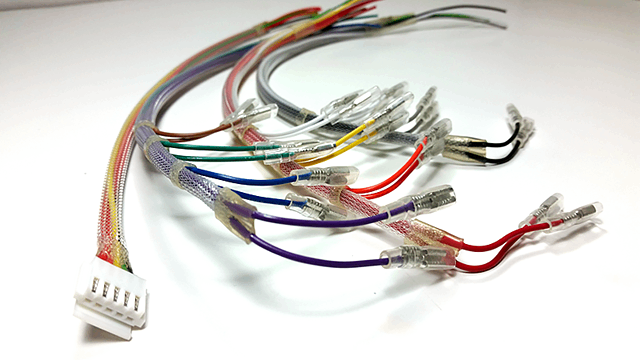
A wire harness assembly is a structured group of wires, cables, terminals, connectors, and protective materials combined into a single organized unit. Instead of installing individual wires separately, manufacturers assemble multiple electrical connections into one harness that simplifies installation and maintenance.
Wire harnesses are designed according to product specifications, electrical requirements, environmental conditions, and mechanical limitations. Each harness must have accurate wire lengths, correct connector placement, proper insulation, and reliable electrical connections.
The wire harness assembly methods used depend on factors such as production volume, design complexity, material selection, and industry standards.
Why Is the Wire Harness Assembly Process Important?
The quality of a wire harness directly affects the performance and safety of the final product. A poorly assembled harness can cause electrical failures, signal problems, overheating, or system malfunctions.
Professional manufacturers follow controlled assembly procedures to maintain consistency across every production batch.
| Manufacturing Factor | Importance in Wire Harness Production |
| Accurate Wire Cutting | Ensures correct dimensions and proper fitting |
| Terminal Quality | Creates reliable electrical connections |
| Proper Routing | Prevents wire damage and improves installation |
| Electrical Testing | Identifies connection failures before delivery |
The assembly process also helps reduce production complexity by creating ready-to-install wiring solutions. Industries that require high reliability often combine wire harness production with other manufacturing solutions such as Serviços de usinagem CNC for complete component development.
Wire Harness Assembly Process: Step-by-Step Guide
Step 1: Reviewing Design Specifications
The first stage of the wire harness manufacturing process begins with reviewing engineering drawings, wiring diagrams, and product requirements.
Manufacturers analyze:
- Wire types and sizes
- Connector specifications
- Terminal requirements
- Length measurements
- Protective materials
- Testing standards
A detailed design review helps prevent errors during production and ensures that the final harness matches the intended application.
Modern manufacturers often use digital documentation and engineering software to improve accuracy during the planning stage.
Step 2: Wire Cutting and Measurement
Wire cutting is one of the most important wire harness assembly steps because incorrect wire length can affect installation and electrical performance.
Automated cutting machines are commonly used for high-volume production because they provide accurate measurements and consistent results.
During this stage, manufacturers determine:
- Required wire length
- Wire gauge
- Cutting quantity
- Labeling requirements
Accurate cutting reduces material waste and ensures every harness follows the approved design specifications.
Step 3: Wire Stripping
After cutting, insulation is removed from specific sections of the wire to expose the conductive material.
Wire stripping must be performed carefully because excessive damage to the conductor can weaken the connection. Manufacturers use automated stripping equipment or specialized tools depending on production requirements.
The stripping process prepares wires for terminals, connectors, and other electrical components.
Step 4: Terminal Crimping
Terminal crimping connects metal terminals to wire ends by applying controlled pressure. This creates a strong mechanical and electrical connection.
A high-quality crimp must provide:
- Proper contact resistance
- Strong mechanical holding force
- Consistent connection quality
Incorrect crimping can lead to loose connections, electrical failures, or reduced product lifespan.
Step 5: Connector Assembly
After terminals are attached, they are inserted into specific connectors according to the wiring design.
Connector assembly requires accurate placement because each connector position controls how the harness integrates with the final product.
Manufacturers verify connector orientation and locking mechanisms to ensure secure installation.
Step 6: Wire Routing and Assembly Board Process
Wire routing organizes individual wires according to the required shape and layout. Many manufacturers use assembly boards that display the exact harness structure.
Technicians place wires, connectors, clips, and protective components according to the design.
This step ensures:
- Correct wire positioning
- Proper branch locations
- Accurate connector placement
- Easier installation in the final product
Step 7: Adding Protection Components
Depending on the application, wire harnesses may require additional protection materials.
Common protective components include:
- Electrical tape
- Corrugated tubing
- Sleeves
- Heat shrink tubing
- Protective covers
Protection improves resistance against vibration, heat, moisture, and mechanical damage.
Industries such as automotive and aerospace require advanced protection because wiring systems often operate in challenging environments.
Step 8: Electrical Testing and Quality Inspection
Testing is a critical stage in every wire harness assembly process. Manufacturers inspect finished harnesses to verify electrical performance and assembly accuracy.
Common tests include:
| Test Type | Objetivo |
| Continuity Test | Confirms electrical paths are connected correctly |
| Insulation Test | Checks protection against electrical leakage |
| Connector Inspection | Verifies correct installation and locking |
| Visual Inspection | Identifies physical assembly problems |
Quality inspection ensures that defective harnesses are identified before reaching customers.
Companies working on complex products often combine testing procedures with rapid prototyping services to validate designs before large-scale production.
Different Wire Harness Assembly Methods
The choice of assembly method depends on production requirements and product complexity.
Manual Wire Harness Assembly
Manual assembly is commonly used for low-volume production, prototypes, and complex harness designs.
Skilled technicians perform cutting, routing, crimping, and inspection manually. This method provides flexibility when designs change frequently.
Automated Wire Harness Assembly
Automated assembly uses advanced machinery for repetitive manufacturing tasks.
Automation improves:
- Production speed
- Measurement accuracy
- Process consistency
It is especially useful for high-volume industries such as automotive manufacturing.
Hybrid Assembly Method
Many manufacturers use a combination of manual and automated processes.
Machines handle repetitive tasks, while technicians manage complex routing, inspection, and final assembly.
This approach provides a balance between efficiency and flexibility.
Materials Used in Wire Harness Manufacturing
Different applications require different materials to achieve reliability and durability.
| Componente | Common Materials | Function |
| Conductive Wire | Copper, Copper Alloy | Transfers electrical signals |
| Insulation | PVC, XLPE, TPE | Protects conductors |
| Connectors | Plastic and Metal Components | Provides electrical connection |
| Protection Sleeves | Nylon, Fabric, Rubber | Prevents physical damage |
Material selection depends on temperature requirements, environmental exposure, electrical load, and application standards.
Industries That Use Wire Harness Assemblies
Wire harnesses are used across many industries because they simplify complex electrical systems.
Automotive manufacturers use harnesses for engine systems, lighting, safety systems, and electronic controls.
Aerospace companies require lightweight and highly reliable harnesses for aircraft systems.
Industrial equipment manufacturers use wire harnesses to organize machine controls and power connections.
Medical equipment manufacturers rely on precise wiring systems for reliable device operation.
How Manufacturers Improve Wire Harness Quality
Quality improvement depends on accurate processes, skilled technicians, proper testing, and continuous process monitoring.
Manufacturers improve reliability by:
- Using detailed assembly instructions
- Maintaining equipment calibration
- Performing electrical testing
- Following industry standards
- Inspecting finished products
A structured manufacturing approach reduces defects and improves long-term product performance.
Considerações finais
O wire harness assembly process is a detailed manufacturing workflow that transforms individual wires and components into reliable electrical systems. Every stage, from design review and cutting to testing and inspection, contributes to the final quality of the harness.
Understanding the wire harness manufacturing process helps businesses choose better production methods, improve product reliability, and reduce assembly challenges.
Whether producing automotive systems, industrial machines, or electronic equipment, selecting the right wire harness assembly methods ensures better performance and long-term durability. Working with experienced manufacturing partners allows companies to achieve consistent quality while meeting industry requirements.
Perguntas frequentes
What are the main steps in wire harness assembly?
The main wire harness assembly steps include design review, wire cutting, stripping, terminal crimping, connector installation, routing, protection, testing, and final inspection. Each stage ensures the harness meets electrical and mechanical requirements.
How long does the wire harness manufacturing process take?
Production time depends on harness complexity, quantity, materials, and testing requirements. Simple harnesses may require short production cycles, while complex industrial harnesses need more detailed assembly and inspection.
What is the difference between cable assembly and wire harness assembly?
Wire harness assemblies organize multiple wires into a structured system, while cable assemblies usually focus on a smaller group of cables with connectors. Both solutions are used for electrical connections but serve different applications.
Which industries need wire harness manufacturing?
Automotive, aerospace, industrial equipment, medical devices, electronics, and transportation industries commonly use wire harness assemblies because they require organized and reliable electrical systems.
Why is testing important in wire harness production?
Testing identifies connection problems, incorrect wiring, insulation issues, and assembly defects before delivery. Proper testing improves product safety, reliability, and performance.
Sobre o autor Patrick Chen — Engenheiro de Aplicações, XY Machining Patrick analisa projetos de peças com paredes finas para equipes de engenharia dos EUA na XY Machining e trabalha em conjunto com a equipe de produção na definição de dispositivos de fixação e trajetórias de usinagem que garantam que peças delicadas permaneçam dentro das tolerâncias. Para realizar um teste de pressão em uma peça com paredes finas antes de elaborar o orçamento, Envie seu modelo para nossa equipe.