Serviço de torneamento CNC
Serviços de torneamento CNC de alta precisão para peças cilíndricas e rotativas, com tolerâncias rigorosas e qualidade consistente. Usinagem XY utiliza tornos CNC, centros de torneamento multieixos e sistemas de ferramentas motorizadas para fabricar eixos, buchas, componentes rosqueados, conexões e peças torneadas complexas para aplicações aeroespaciais, médicas, automotivas, eletrônicas e industriais. A partir de prototipagem rápida Para a produção em grande escala, nosso torneamento CNC de precisão oferece repetibilidade, precisão dimensional e prazos de entrega rápidos.
- Upload seguro de arquivos CAD com acordo de confidencialidade (NDA) e proteção de confidencialidade
- Orçamentos rápidos e precisos com feedback sobre DFM em 24 horas
- Capacidade para usinagem com ferramentas motorizadas e do tipo suíço, respaldada por um controle de qualidade em conformidade com a norma ISO 9001
Obtenha cotações instantâneas, prazos de entrega dos projetos e feedback sobre DFM
- Todos os envios são seguros e confidenciais.
O que é torneamento CNC?
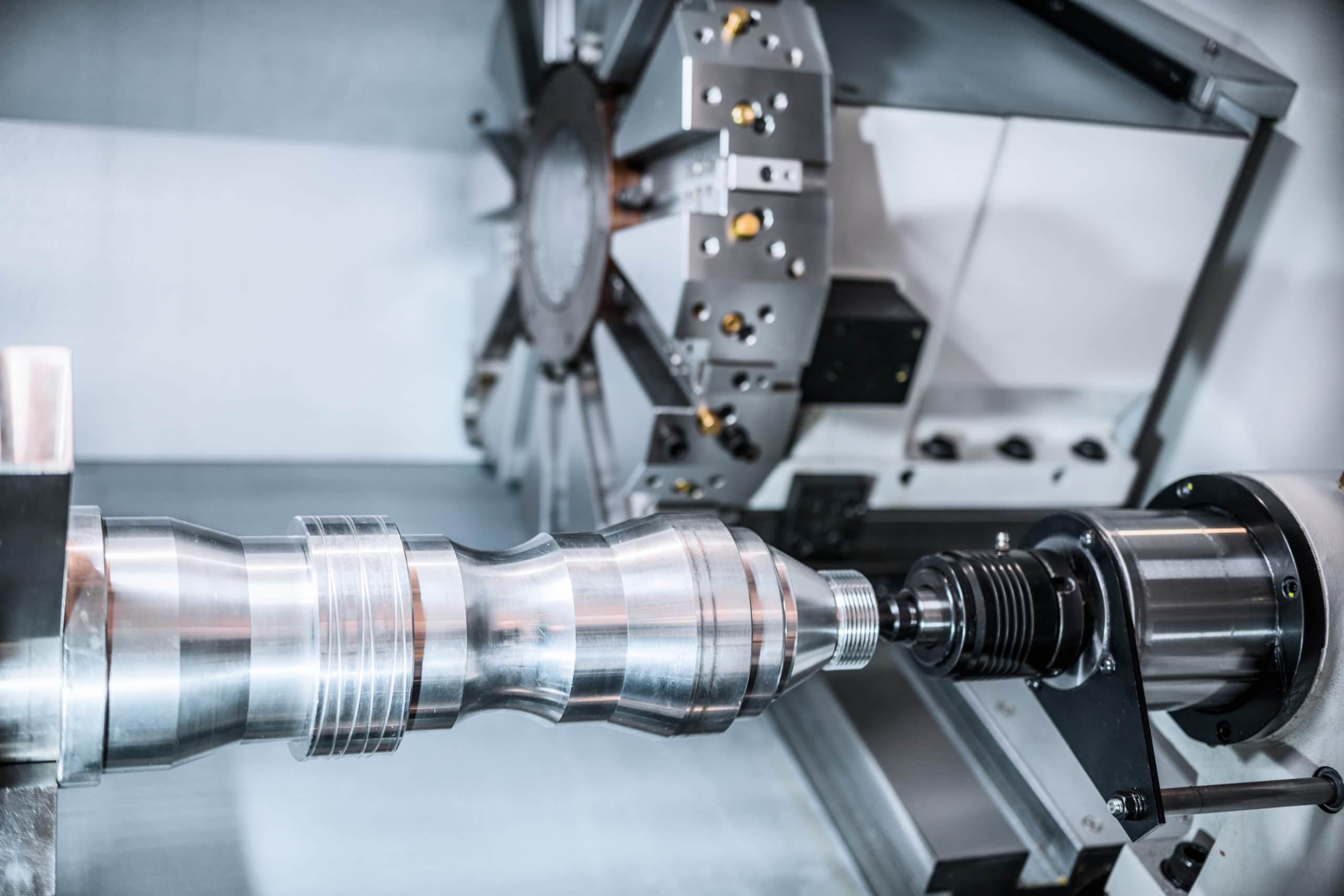
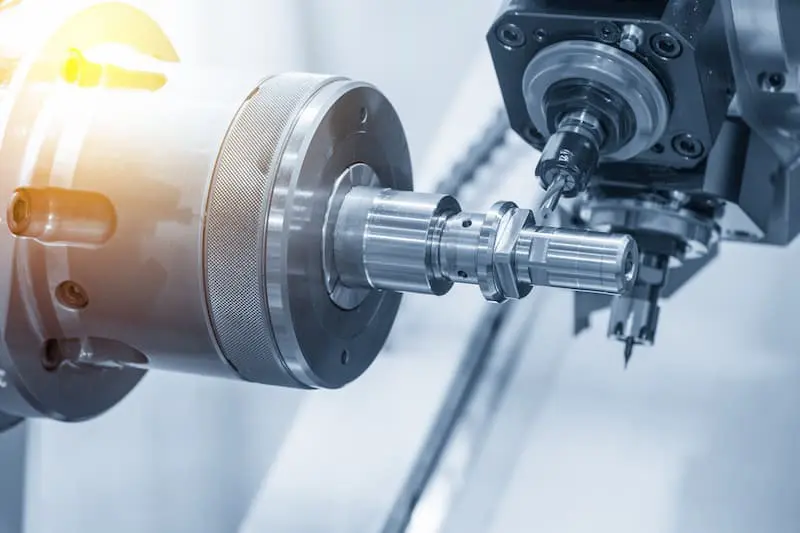
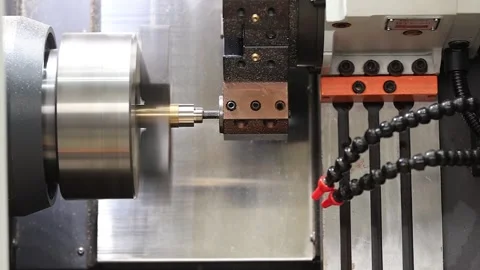
O torneamento CNC é um processo de fabricação subtrativa no qual uma peça em rotação é moldada por ferramentas de corte fixas em um torno CNC. Controlado por software CAD/CAM, o torno remove material para produzir geometrias cilíndricas precisas, roscas, conicidades, ranhuras e características internas.
Os modernos centros de torneamento CNC com ferramentas motorizadas permitem realizar fresagem, perfuração e rosqueamento em uma única configuração, o que reduz o tempo de produção, melhora a concentricidade e garante alta repetibilidade. O processo é ideal para componentes redondos, como eixos, conectores, espaçadores, corpos de válvulas e peças mecânicas de precisão.
Por que escolher a XY Machining para serviços de torneamento CNC?
Nossos serviços de torneamento CNC combinam tornos avançados, conhecimento em engenharia e rigoroso controle de qualidade para oferecer resultados consistentes tanto em protótipos quanto em lotes de produção. Cada pedido passa por uma análise de engenharia para melhorar a viabilidade de fabricação, reduzir custos e garantir o desempenho.
Oferecemos tolerâncias rigorosas, rastreabilidade total dos materiais e relatórios de inspeção dimensional mediante solicitação. Nossa equipe atende setores dos Estados Unidos, incluindo o aeroespacial, de defesa, de dispositivos médicos, de robótica e automotivo, fornecendo componentes torneados de alta precisão que atendem a exigentes requisitos de desempenho e regulatórios.
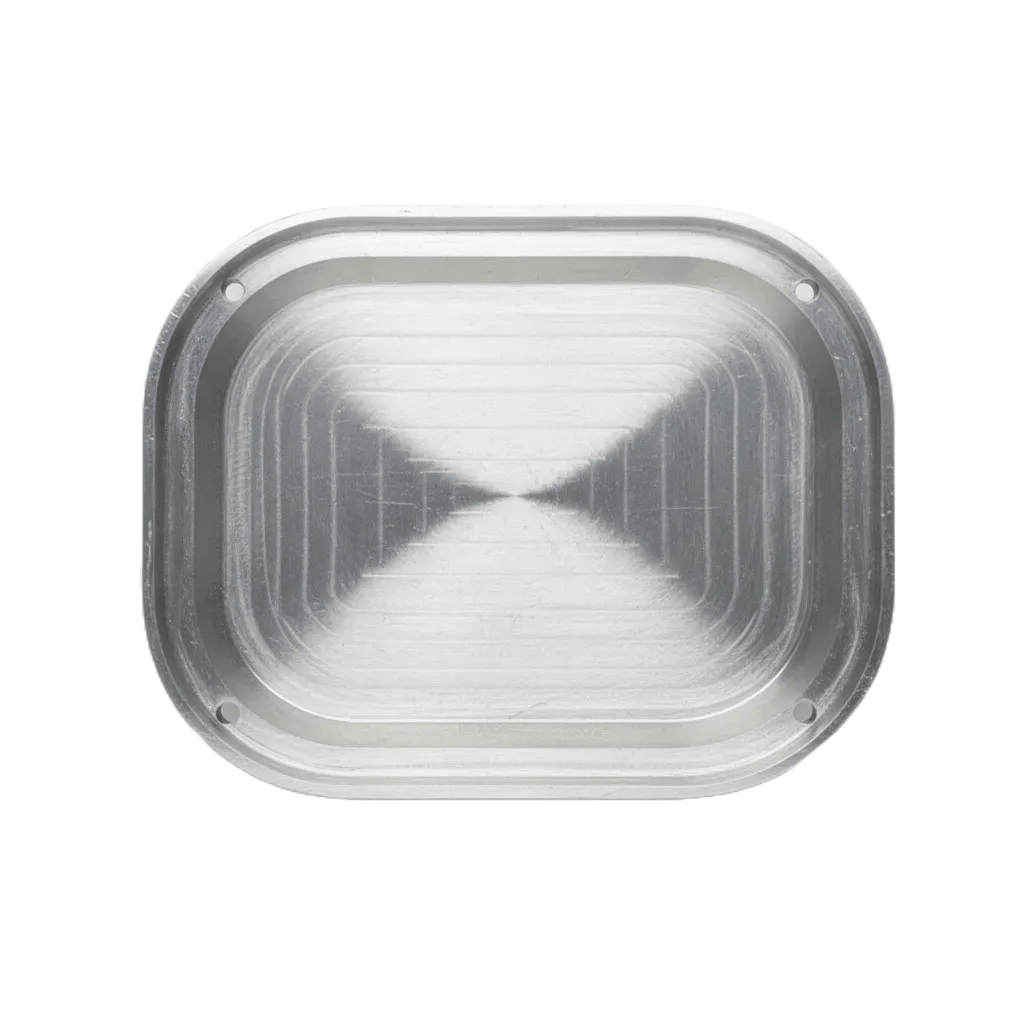
Acabamento usinado padrão com marcas de ferramenta visíveis, adequado para peças funcionais nas quais a aparência não é determinante.
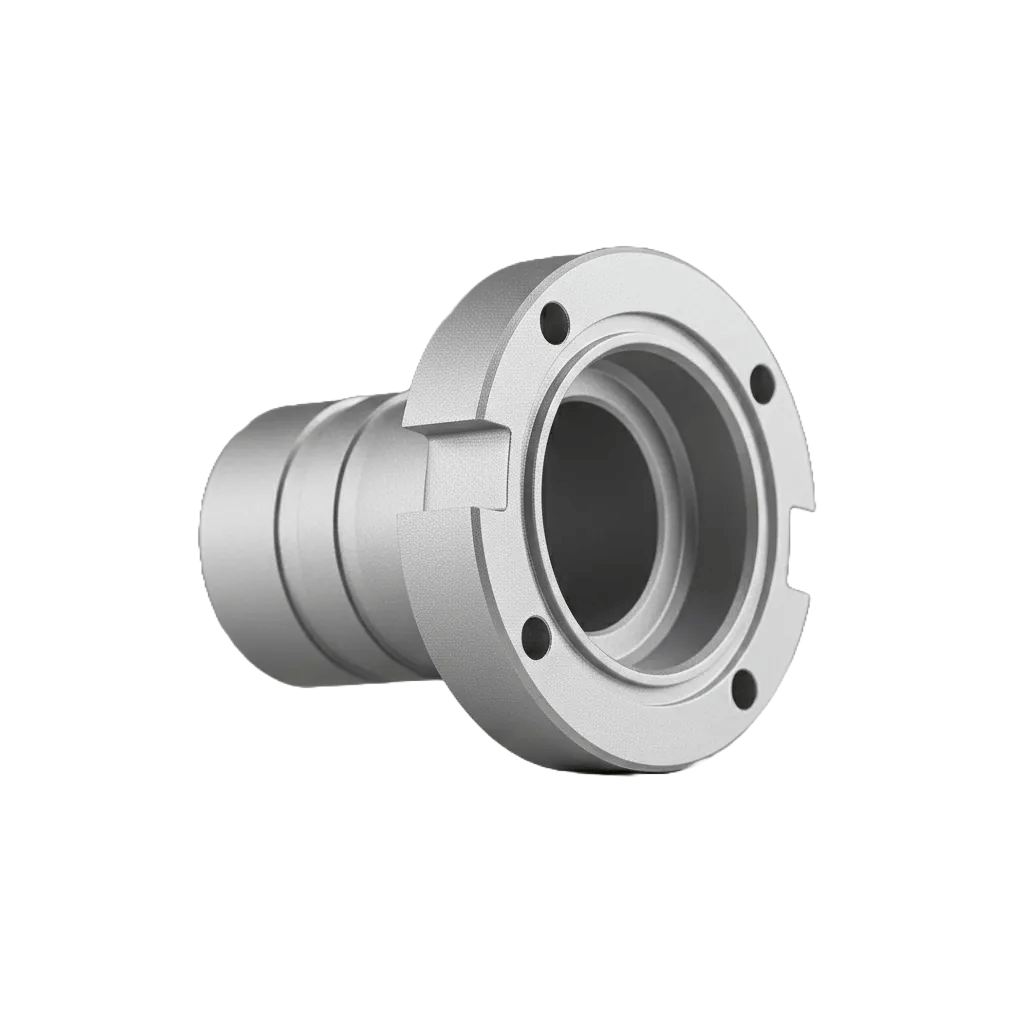
Textura fosca uniforme que elimina marcas visíveis de ferramentas.
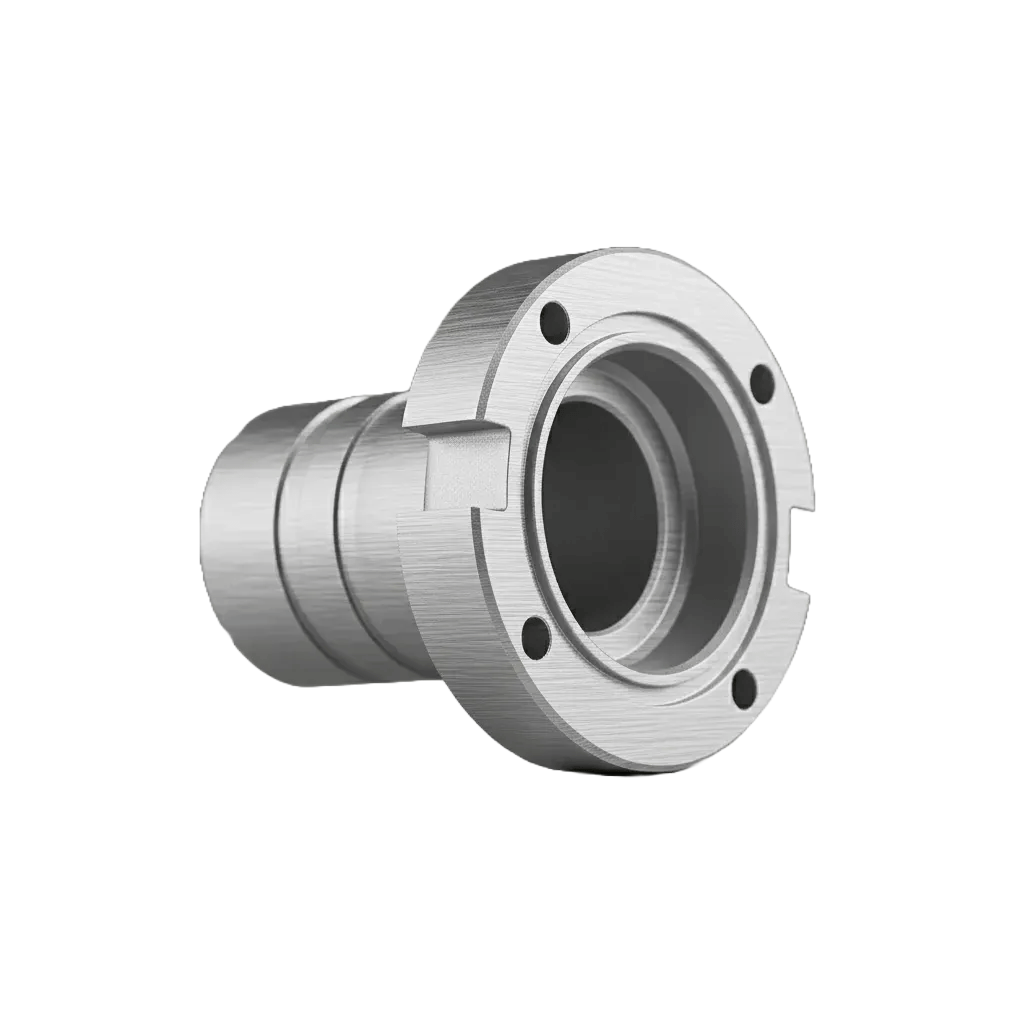
Grão direcional fino para um acabamento metálico elegante em peças de consumo e industriais.
Camada protetora de óxido sobre o alumínio que melhora a resistência à corrosão e ao desgaste, disponível em várias cores.
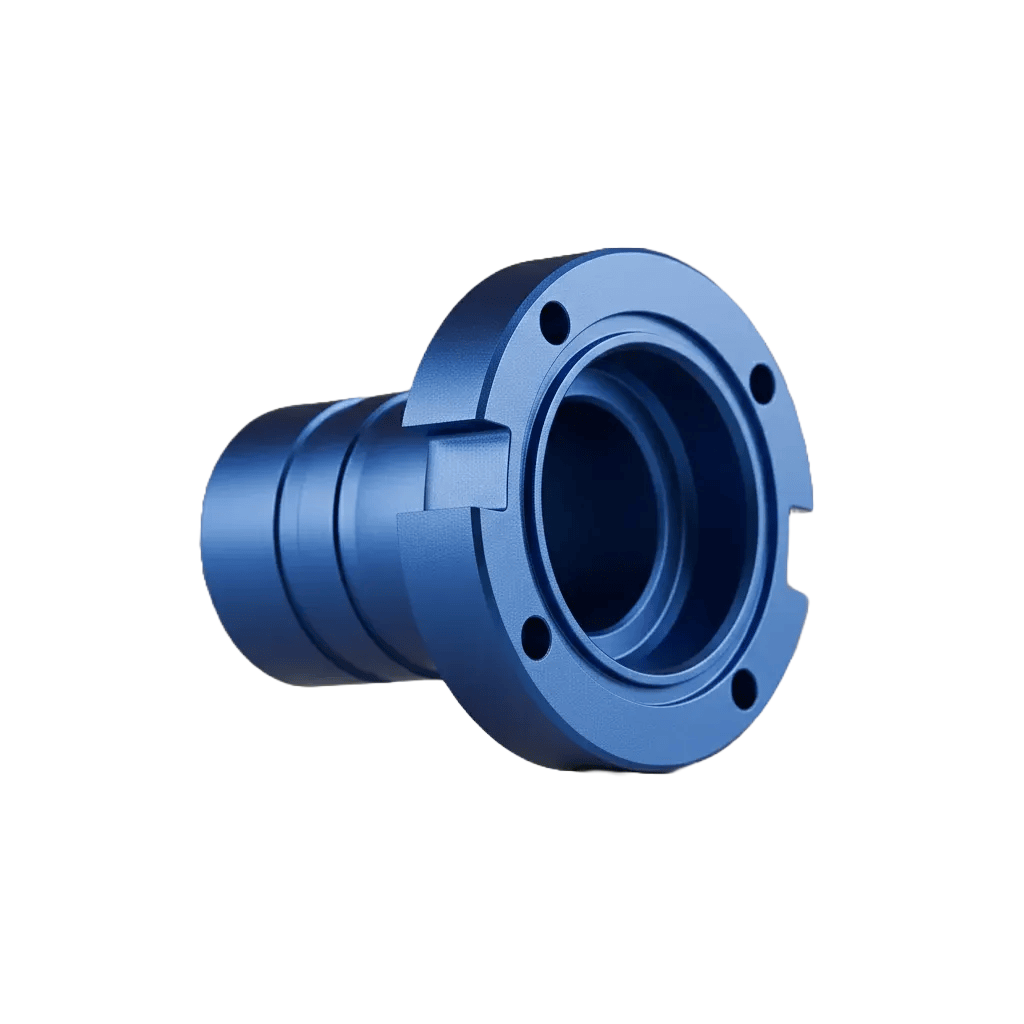
Revestimento mais espesso e resistente ao desgaste para componentes industriais que exigem alta durabilidade.
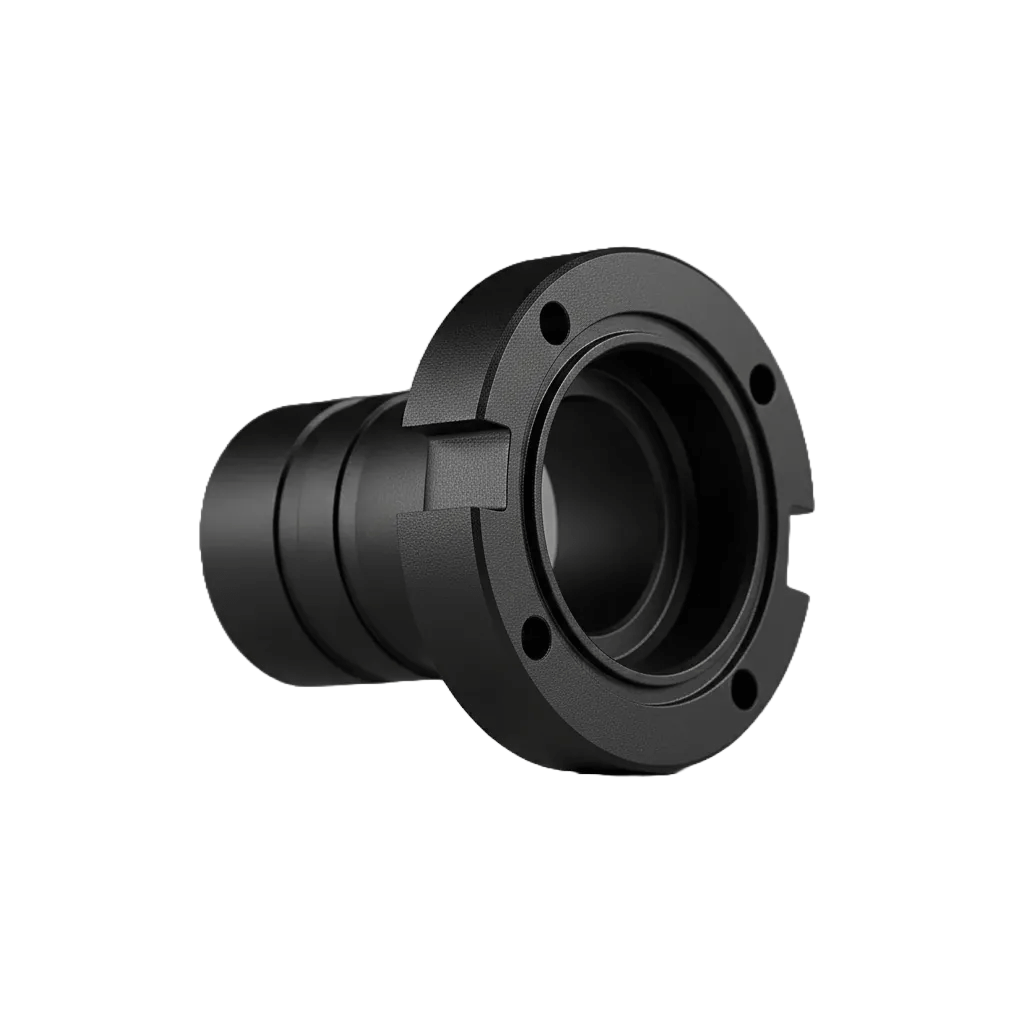
Proteção contra corrosão que preserva a condutividade elétrica em caixas de componentes eletrônicos.
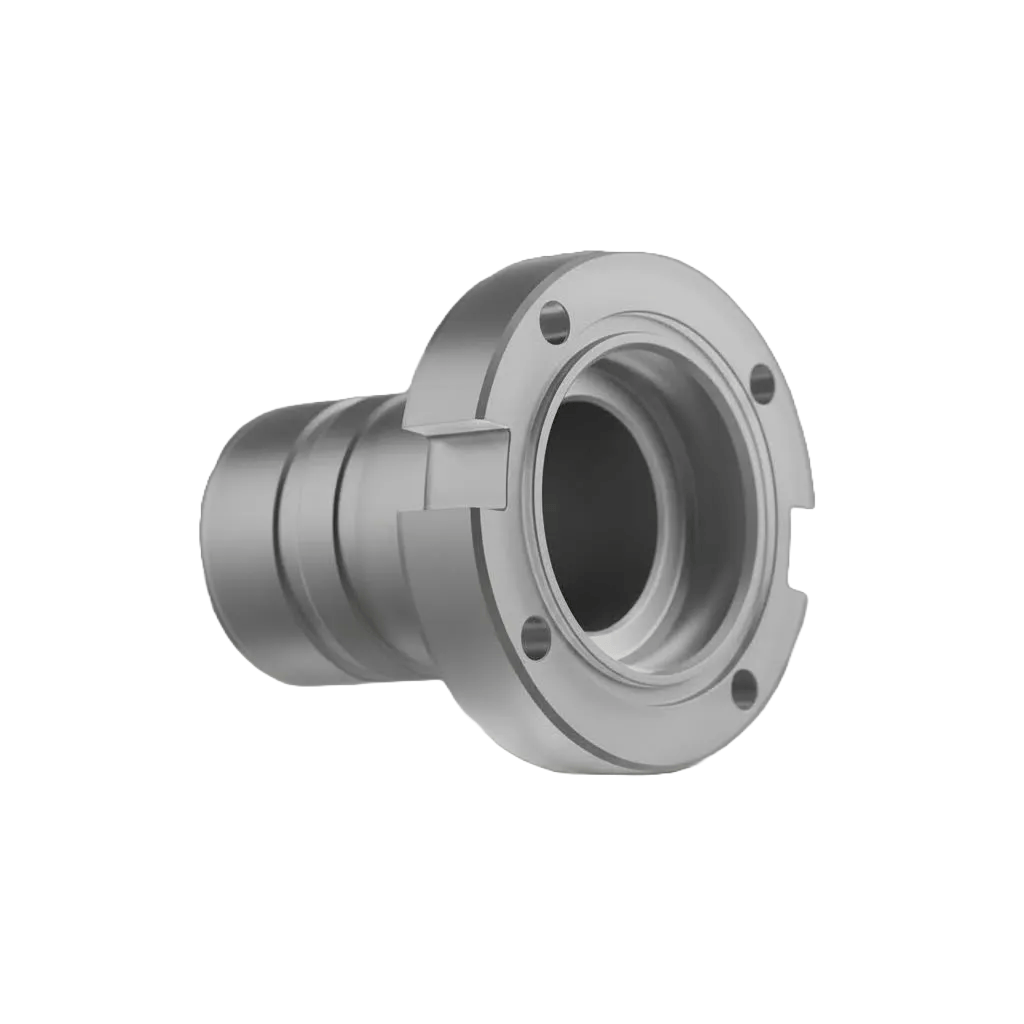
Melhora a clareza em plásticos ópticos e para telas.
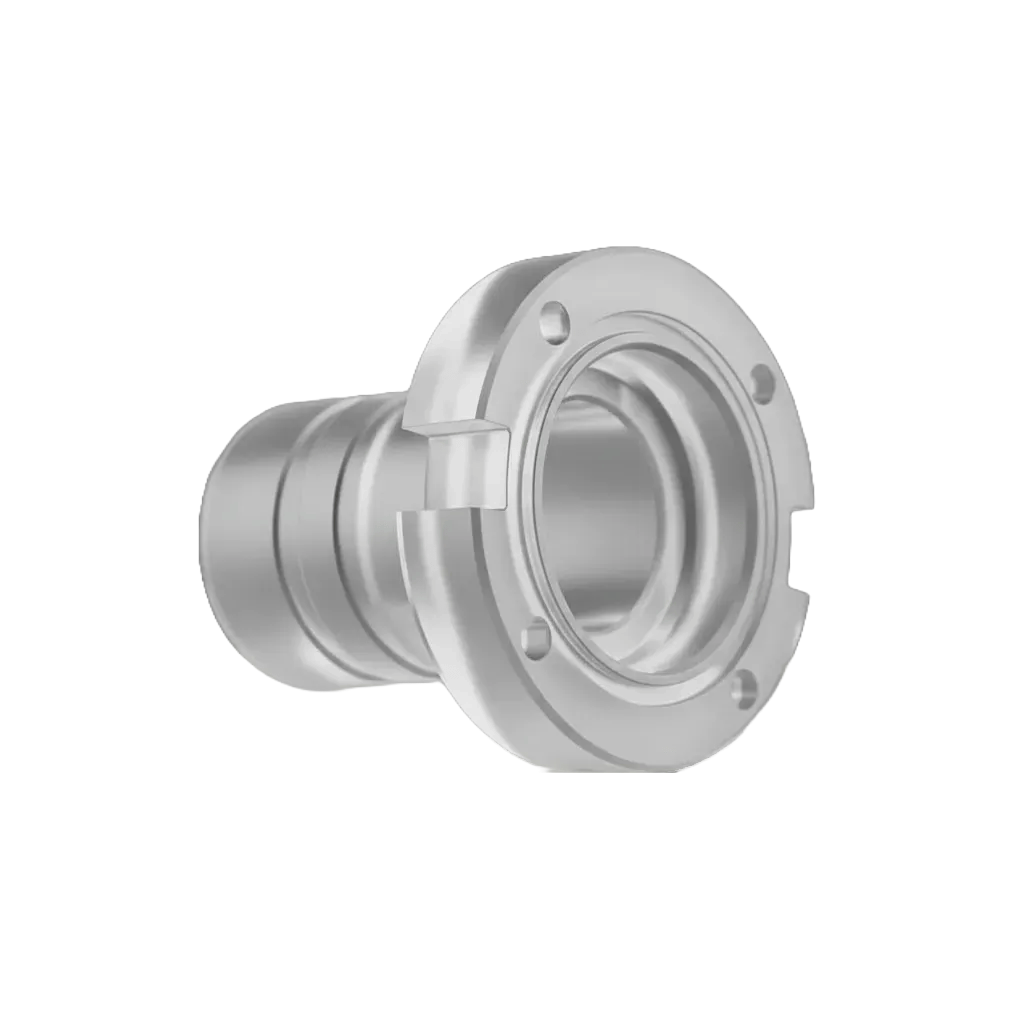
Acabamento de alto brilho, quase óptico, para peças decorativas ou de exibição de precisão.
Acabamentos de superfície na usinagem CNC
Capacidades de torneamento CNC
Recurso | Especificações |
Tolerâncias gerais | ISO 2768-m, salvo indicação em contrário. |
Tolerâncias de precisão | Tolerância padrão: ±0,005 pol. (±0,127 mm). Tolerância estreita: até ±0,001 pol. (±0,025 mm). |
Diâmetro máximo de torneamento | Ø 200 mm (tamanhos maiores sob consulta). |
Comprimento máximo de torneamento | 500 mm. |
Diâmetro mínimo | Tamanho mínimo de 2 mm, dependendo da geometria e do material. |
Ferramentas motorizadas | Fresagem, perfuração e rosqueamento em uma única configuração para peças usinadas por torneamento e fresagem. |
Volume de produção | Prototipagem: 1–100 unidades. Pequeno volume: 100–10.000 unidades. Produção: 10.000+ unidades. |
Com tornos de ferramentas motorizadas e do tipo suíço, nossos serviços de torneamento CNC multieixos realizam o acabamento de peças redondas complexas em uma única configuração. O torneamento com tolerâncias estreitas de ±0,001 pol. e o desvio radial controlado são confirmados para cada característica durante a análise de fabricabilidade (DFM), de modo que você só paga pela precisão necessária para a peça.
O que diferencia a XY Machining das demais empresas




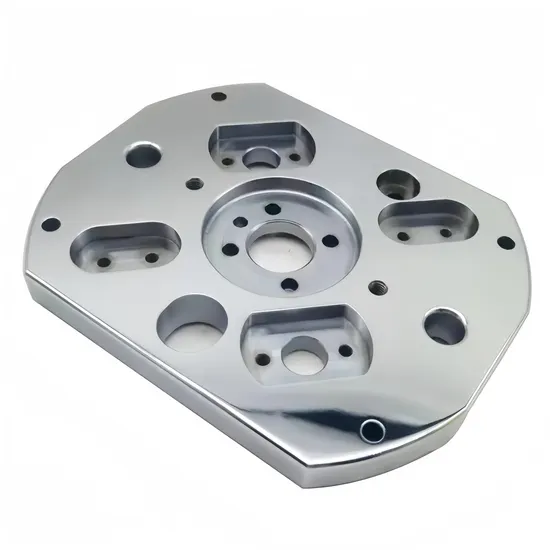
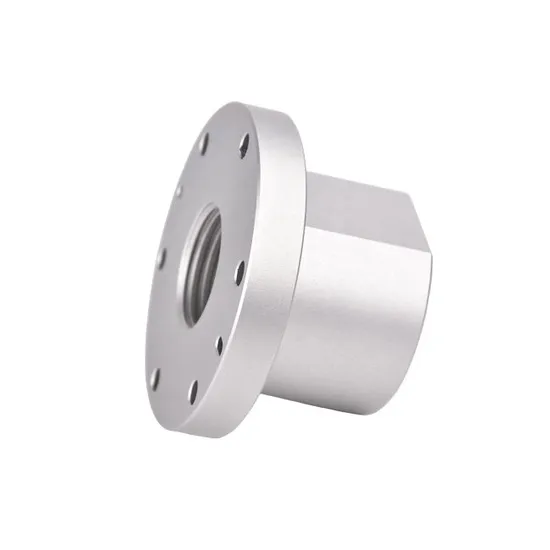
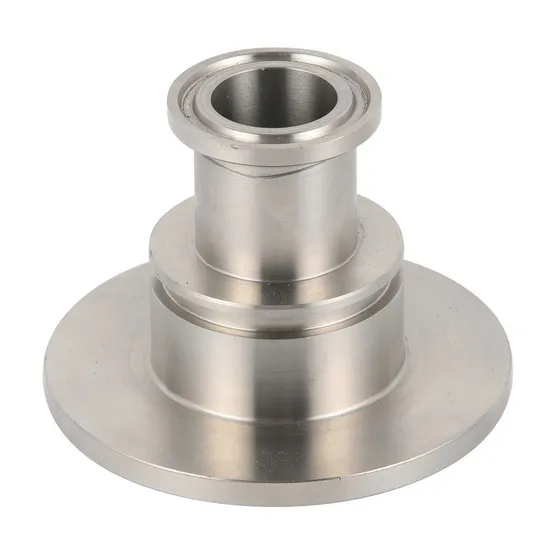
Nossa galeria de torneamento CNC
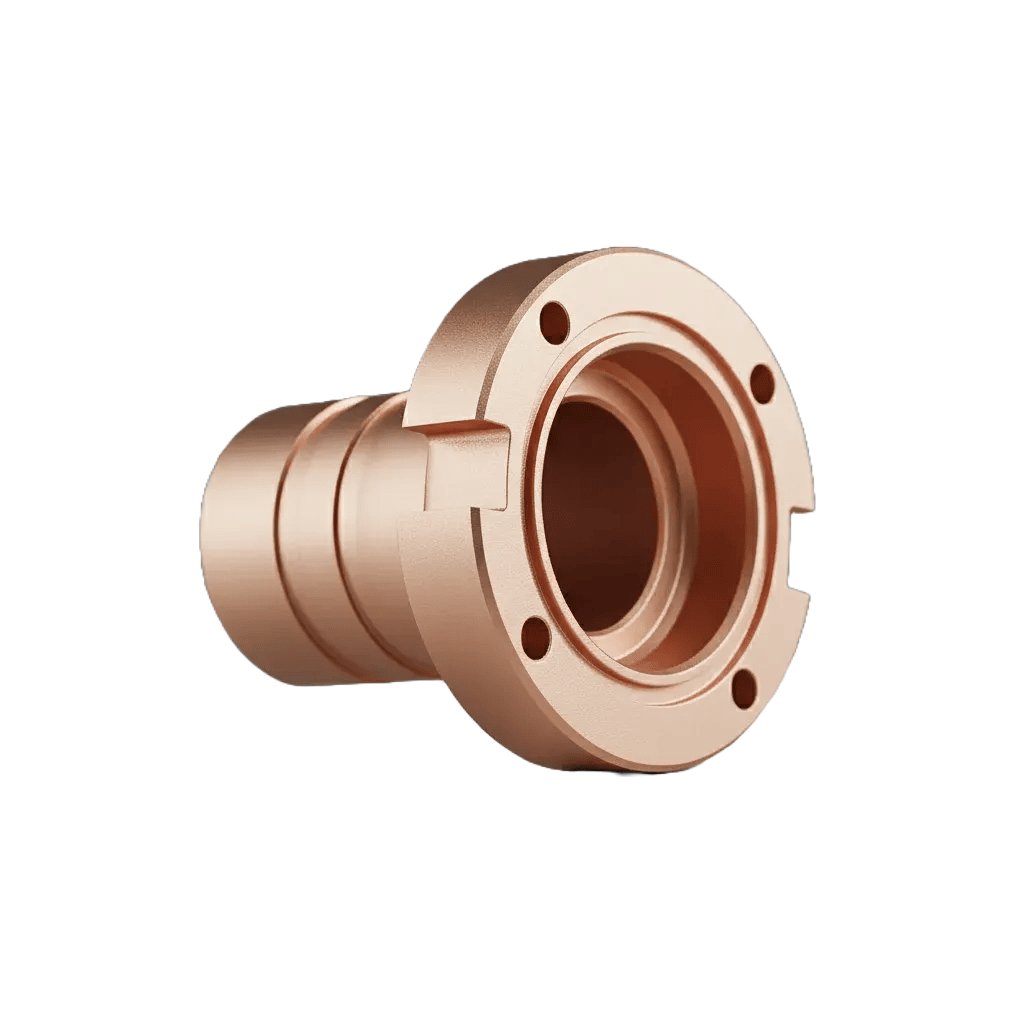
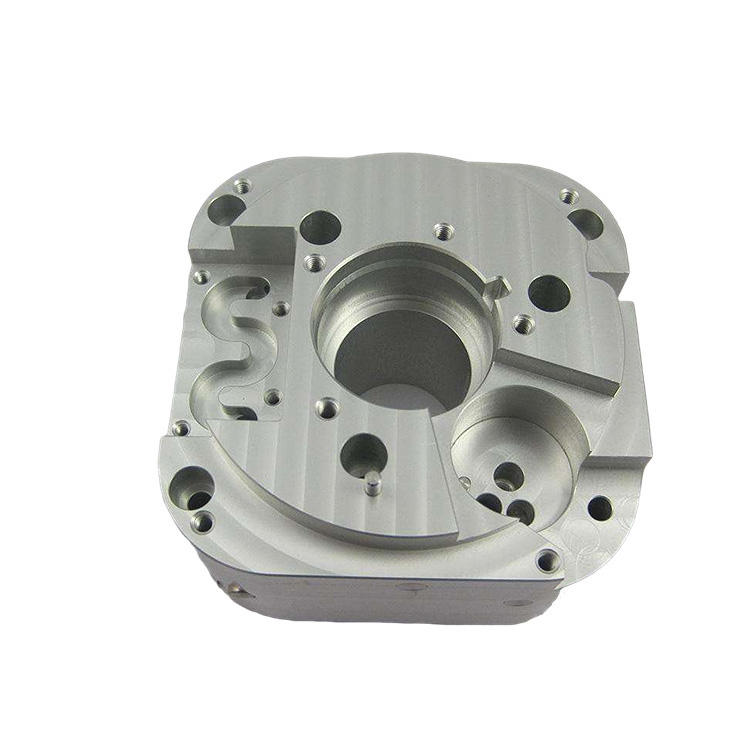
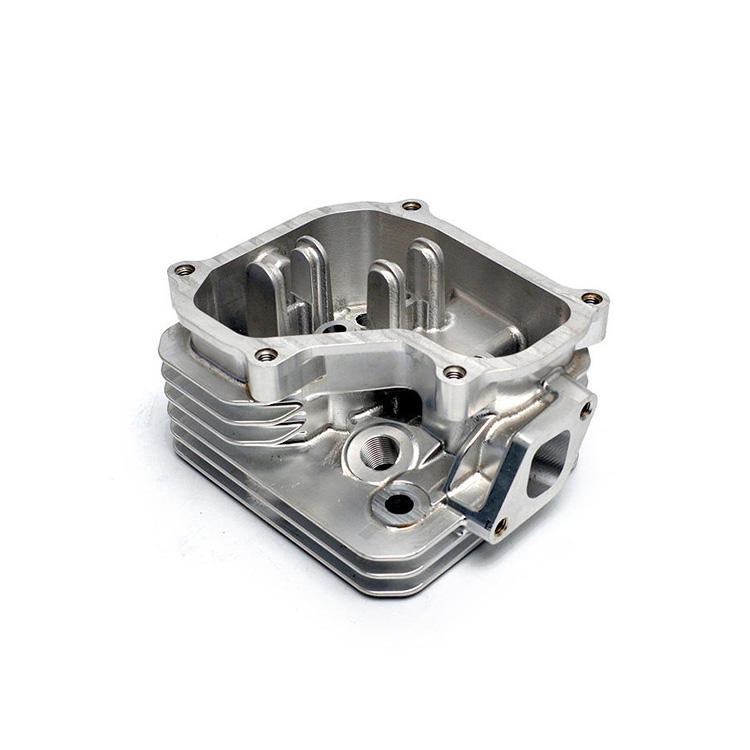
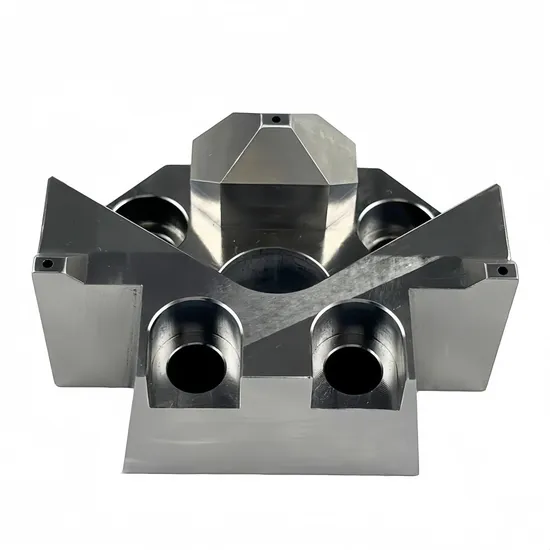
Nosso portfólio apresenta componentes torneados com precisão, produzidos para setores exigentes. De eixos com tolerâncias rigorosas a peças complexas que envolvem várias operações, cada projeto reflete nossa expertise em Torno CNC usinagem e nosso compromisso com a qualidade.
Diretrizes de projeto para torneamento CNC
Algumas escolhas de projeto determinam grande parte do custo e da qualidade do seu torneamento. Estas orientações ajudam a garantir que sua peça seja usinada com precisão logo na primeira tentativa:
Recurso | Diretriz |
Espessura da parede | Mantenha uma espessura ≥ 0,5 mm para metais, a fim de garantir a rigidez da peça durante o corte. |
Profundidade do furo | Profundidade recomendada ≤ 4 vezes o diâmetro do furo para garantir a estabilidade da usinagem. |
Comprimento da rosca | Idealmente, ≤ 3 vezes o diâmetro nominal, a menos que a função exija mais. |
Cantos internos | Evite transições internas abruptas; adicione pequenos raios para facilitar o acesso da ferramenta. |
Relação comprimento-diâmetro | Relações superiores a 10:1 podem exigir o uso do contraponto ou do apoio fixo para evitar vibrações. |
Setores que atendemos
Torneamento de precisão para eixos, elementos de fixação, buchas e componentes estruturais que exigem tolerâncias rigorosas e certificação de materiais.
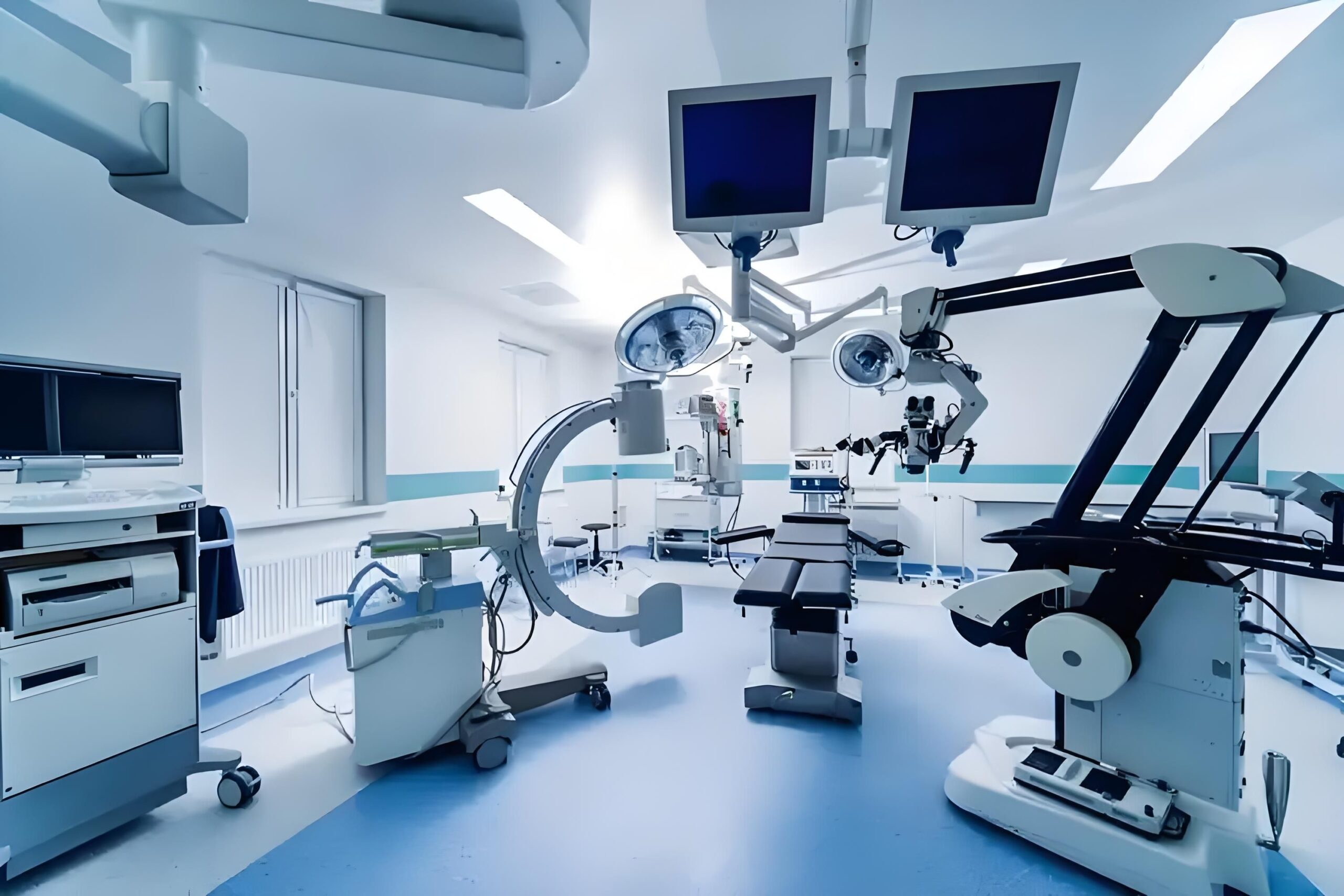
Peças torneadas com microprecisão para instrumentos cirúrgicos e conjuntos médicos, com rigoroso controle dimensional.
Componentes torneados de alto desempenho para motores, transmissões e sistemas de veículos elétricos.
Conectores de precisão, carcaças e componentes rotativos que exigem concentricidade e acabamentos de superfície lisos.
A fabricação rápida de ferramentas agiliza o caminho da ideia até as peças funcionais. Utilizando precisão Usinagem CNC, fabricamos moldes e ferramentas para testar projetos, validar o encaixe e o funcionamento e chegar mais rapidamente ao mercado. Esse processo é ideal para protótipos, produções de baixo volume e fases iniciais de desenvolvimento, nas quais a precisão é fundamental.
No que diz respeito às ferramentas de produção, priorizamos a durabilidade a longo prazo. Fabricadas com materiais de alta qualidade e usinagem de precisão, nossos moldes permitem a produção em escala real sem perda de precisão, garantindo peças consistentes e ciclos de produção estáveis em grandes lotes.
Vantagens do torneamento CNC
- Excelente concentricidade: Ideal para peças cilíndricas e rotativas que precisam funcionar com precisão.
- Alta repetibilidade: Resultados consistentes em todas as séries de produção.
- Custo-benefício para peças redondas: Tempos de ciclo mais rápidos do que na fresagem de geometrias cilíndricas.
- Capacidade de usinagem com ferramentas motorizadas:Funções de fresagem e perfuração adicionadas em uma única configuração.
- Versatilidade do material:Alumínio, aço inoxidável, latão, cobre, titânio, POM, ABS e outros.
Do protótipo à produção — um parceiro confiável
- Experiência comprovada nos setores médico, automotivo, eletrônico e de robótica
- Suporte técnico ágil com respostas rápidas às solicitações de orçamento
- Capacidade de usinagem CNC moderna de 3 e 5 eixos
- Feedback colaborativo sobre DFM para reduzir riscos e custos
- Produção sob demanda confiável com inspeção documentada
Como funciona – Fluxo de trabalho em três etapas
Garantimos que as peças usinadas por CNC sejam entregues dentro do prazo e que o processo seja totalmente transparente, seguindo estas três etapas simples:
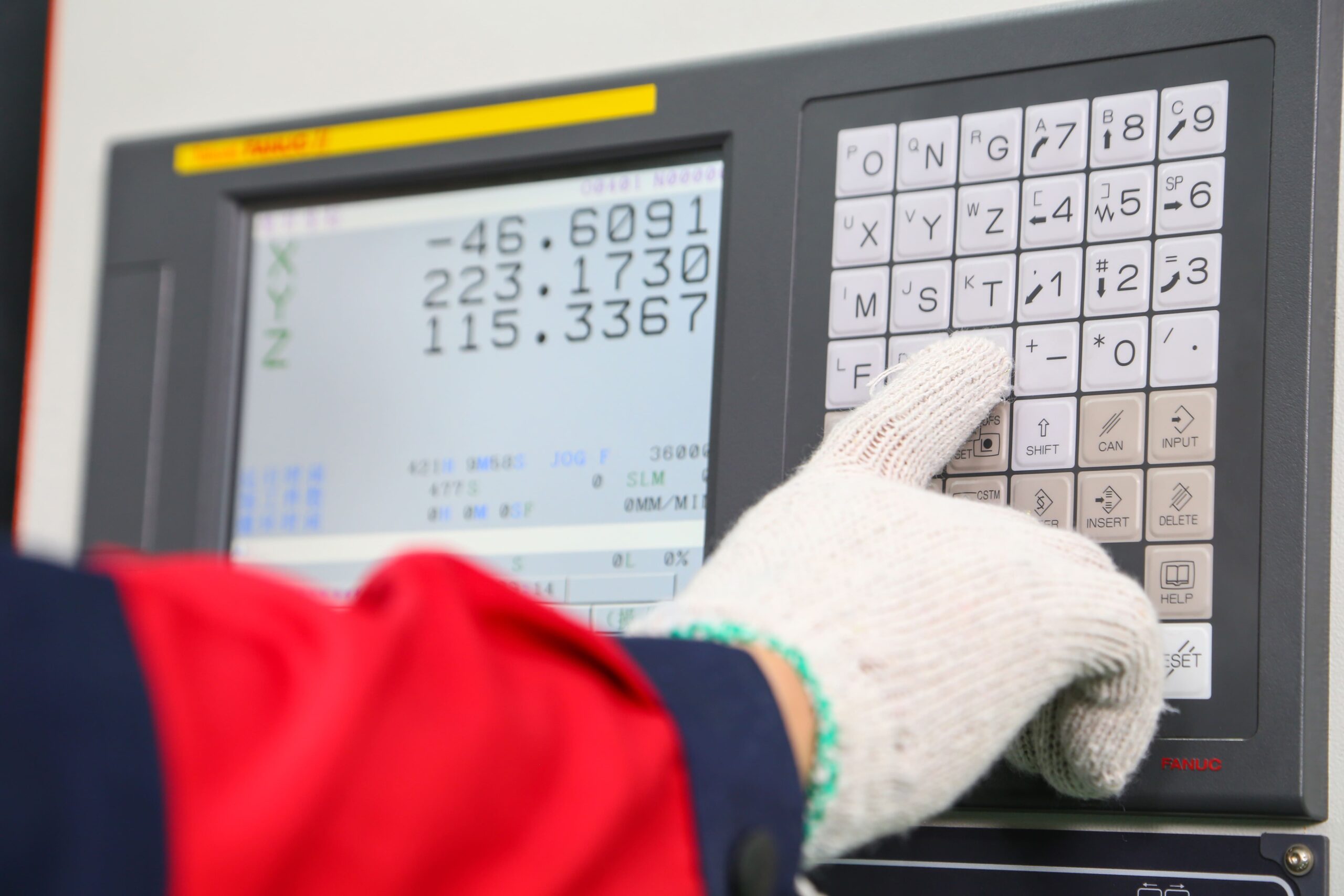

Envie arquivos nos formatos STEP, IGES ou outros formatos padrão e receba uma cotação, além de recomendações de DFM para otimizar seu projeto.

Seus componentes são usinados em tornos calibrados com ferramentas motorizadas e verificados por meio de inspeção durante o processo.

As peças passam pela inspeção dimensional e são enviadas com segurança, com a documentação de inspeção disponível mediante solicitação.
Soluções completas da XY Machining
Perguntas frequentes
Qual é a diferença entre torneamento CNC e fresagem CNC?
No torneamento CNC, a peça gira no torno enquanto uma ferramenta fixa remove material; é por isso que o torneamento é a opção mais eficiente para peças redondas, como eixos, pinos e buchas. Na fresagem CNC, a peça permanece fixa enquanto uma fresa rotativa molda características planas e tridimensionais. O torneamento proporciona excelente concentricidade e tempos de ciclo mais rápidos em geometrias cilíndricas, enquanto a fresagem lida com cavidades, contornos e usinagem multifacetada. Com ferramentas motorizadas em nossos tornos, combinamos ambas as técnicas em uma única configuração quando uma peça redonda também precisa de superfícies planas, ranhuras ou furos transversais.
O que é a usinagem com ferramentas motorizadas e quando preciso dela?
As ferramentas motorizadas adicionam ferramentas rotativas acionadas a um torno CNC, permitindo fresar superfícies planas, fazer furos transversais, cortar ranhuras e rosquear sem precisar mover a peça para uma máquina separada. Nossos serviços de torneamento multieixos CNC utilizam essa tecnologia para dar acabamento a peças torneadas complexas em uma única montagem, o que melhora a concentricidade e reduz o tempo de produção. Isso é necessário sempre que uma peça cilíndrica também possui características fora do eixo que um torno convencional não consegue alcançar. Manter tudo em uma única configuração elimina os erros de refixação que ocorrem quando uma peça muda de máquina.
Quando devo optar pelo torneamento do tipo suíço em vez do torneamento padrão?
O torneamento do tipo suíço é a melhor opção para peças pequenas, delgadas e de alta precisão, com diâmetro geralmente inferior a 32 mm, como pinos médicos, contatos de conectores e eixos em miniatura. O torno suíço guia a barra de material próximo à ferramenta de corte, o que reduz a deflexão e mantém tolerâncias mais restritas em características longas e finas do que um torno de mandril padrão. Para diâmetros maiores ou peças curtas e robustas, o torneamento padrão costuma ser mais rápido e econômico. Adaptamos a máquina à geometria da sua peça durante a cotação para que você obtenha precisão onde é essencial, sem pagar a mais.
Até que ponto é possível manter a concentricidade e o desvio axial em eixos torneados?
A tolerância de diâmetro e o desvio circular são duas coisas diferentes, e é o desvio circular que geralmente determina se um rolamento se encaixa. Centros de torneamento bem conservados mantêm, de forma confiável, o desvio circular na faixa de 0,005 a 0,010 mm, e reduzimos ainda mais esse valor em munhões críticos quando o desenho assim o exige. Eixos com múltiplos degraus e vários assentos de rolamento são mais complexos, pois cada nova fixação no mandril pode causar um deslocamento no eixo; por isso, usinamos diâmetros críticos em uma única configuração, sempre que possível. Indique o desvio ou o desvio total no desenho, não apenas o diâmetro, e faremos a inspeção de acordo com esses valores.
Quais são os diâmetros máximo e mínimo que você consegue tornear?
Usinamos peças de até 200 mm de diâmetro e 500 mm de comprimento, o que abrange a maioria dos eixos, carcaças e corpos cilíndricos; peças maiores estão disponíveis mediante solicitação. Na extremidade menor, usinamos diâmetros a partir de 2 mm para pinos, contatos e componentes em miniatura. Peças muito longas e finas precisam de suporte extra para evitar oscilações, portanto, o comprimento é tão importante quanto o diâmetro. Envie seu desenho e confirmaremos as dimensões máximas e o melhor sistema de fixação para sua peça específica.
Qual relação comprimento/diâmetro você consegue tornear sem apoio?
Como regra geral, quando uma peça torneada ultrapassa uma relação comprimento/diâmetro de aproximadamente 10 para 1, ela começa a se desviar e vibrar sob a força de corte, o que prejudica tanto a tolerância quanto o acabamento. Para eixos mais longos, adicionamos apoio no contraponto ou no apoio fixo para manter a peça rígida e alinhada. Peças delgadas também se beneficiam de cortes mais leves e do torneamento do tipo suíço. Indique no seu desenho as características longas e finas, e nós planejaremos o suporte na montagem antes do corte.
Qual acabamento superficial (Ra) o torneamento CNC pode alcançar?
Nosso acabamento padrão após torneamento é de aproximadamente Ra 1,6 µm, o que é mais liso do que uma superfície típica após fresagem, pois a ferramenta corta continuamente ao redor da peça em rotação. Com avanços controlados, ferramentas afiadas ou processos secundários, alcançamos Ra 0,8 µm ou mais fino para faces de vedação e peças estéticas. Acabamentos mais finos levam mais tempo, por isso os aplicamos apenas onde a peça realmente precisa. Anote o valor de Ra exigido no desenho e ajustamos os avanços e as ferramentas para atingi-lo.
É possível tornear e fresar uma peça em uma única configuração?
Sim. Nossos centros de torneamento com ferramentas motorizadas oferecem serviços combinados de torneamento e fresamento CNC; assim, um corpo redondo é torneado e, em seguida, fresado para a criação de superfícies planas, ranhuras, furos transversais ou roscas, sem precisar sair da máquina. Realizar ambas as operações em uma única configuração mantém todas as características referenciadas ao mesmo ponto de referência, o que melhora a precisão e reduz o tempo de produção em comparação com a divisão do trabalho entre um torno e uma fresadora. É a opção mais eficiente para eixos complexos, corpos de válvulas e conectores. Envie o modelo e faremos o orçamento da peça completa, não de uma operação por vez.
Como posso controlar o custo das peças torneadas com precisão?
Especifique tolerâncias restritas e desvio radial apenas nas características que realmente exigem, pois o torneamento CNC de precisão com tolerância de ±0,001 pol. e desvio radial controlado aumenta o tempo e o custo da inspeção. A escolha de um material de usinagem fácil, a manutenção de relações comprimento-diâmetro razoáveis e a evitação de acabamentos superficiais excessivamente precisos reduzem o tempo de ciclo. Quantidades maiores também reduzem o preço por peça, já que a configuração é distribuída por toda a tiragem, o que é adequado para fabricantes de equipamentos originais (OEM) e pedidos de produção em série. Nosso feedback de DFM (Projeto para Fabricação) mostra quais características influenciam sua cotação para que você possa fazer ajustes antes de confirmar o pedido.
É possível usinar em CNC plásticos como PEEK, Delrin e PTFE?
Sim. Além do alumínio, do aço inoxidável, do latão, do cobre e do titânio, usinamos plásticos de engenharia, incluindo PEEK, Delrin (POM), PTFE (Teflon), náilon e policarbonato. Os plásticos exigem ferramentas afiadas e velocidades controladas para evitar derretimento ou deformação, e alguns tipos sofrem alterações com a temperatura e a umidade; por isso, ajustamos o processo para manter a tolerância. Peças torneadas de plástico são adequadas para isoladores, vedações, buchas e componentes biocompatíveis. Informe-nos o tipo de material e as dimensões críticas, e confirmaremos o que é possível realizar.