CNC Turning service
High-precision CNC turning services for cylindrical and rotational parts, delivered with tight tolerances and consistent quality. XY Machining runs CNC lathes, multi-axis turning centers, and live tooling systems to manufacture shafts, bushings, threaded components, fittings, and complex turned parts for aerospace, medical, automotive, electronics, and industrial applications. From rapid prototyping to high-volume production, our precision CNC turning holds repeatability, dimensional accuracy, and fast turnaround.
- Secure CAD file upload with NDA and confidentiality protection
- Fast, accurate quotes with DFM feedback in 24 hours
- Live-tool and Swiss-type capability backed by ISO 9001-aligned quality control
Get instant pricing, project lead times, and DFM feedback
- All uploads are secure and confidential.
What is CNC Turning?
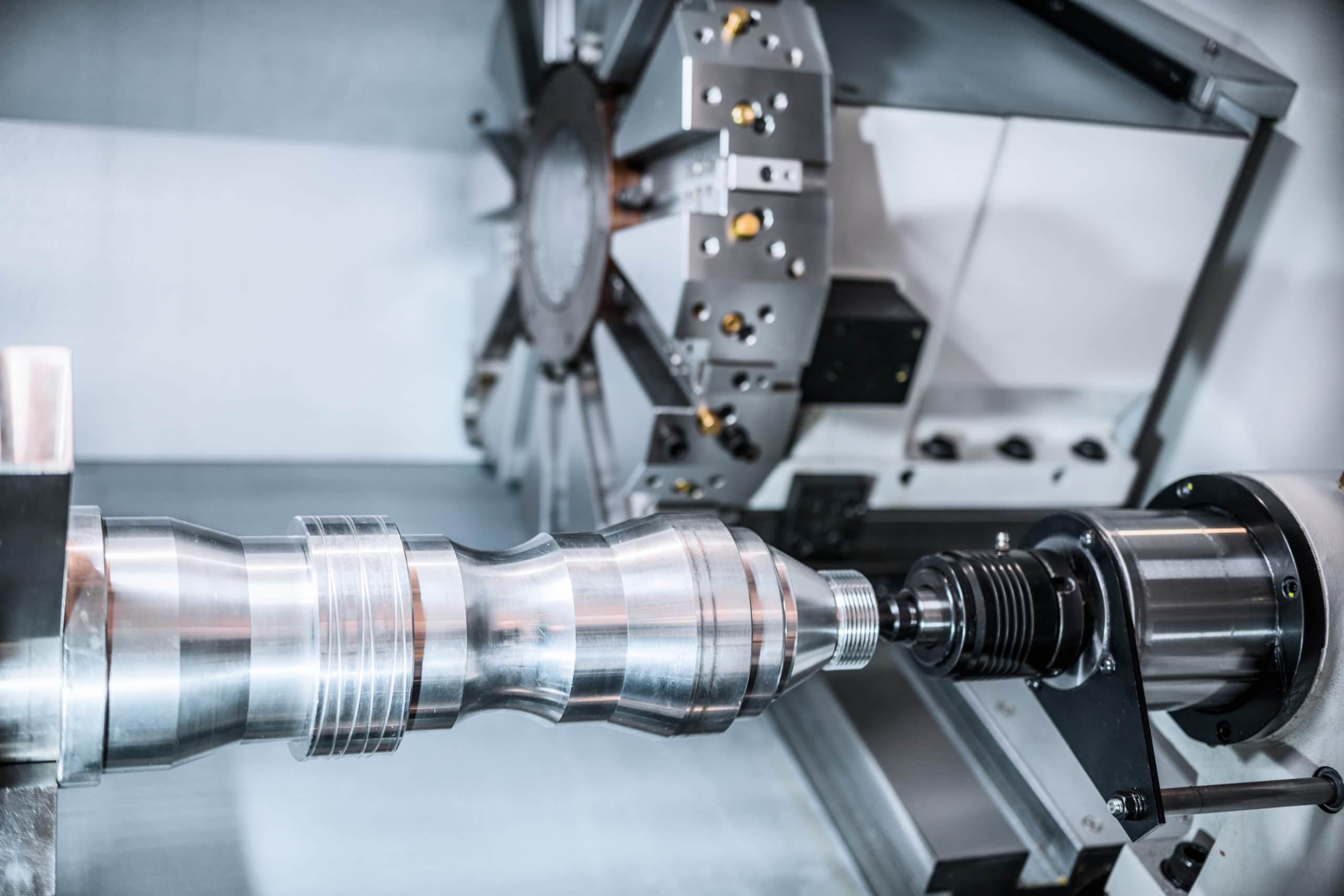
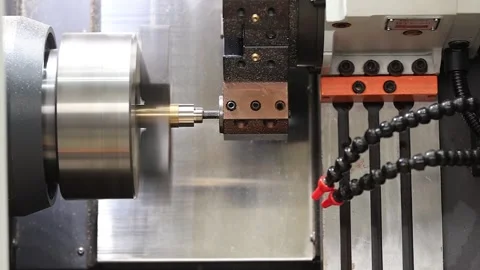
CNC turning is a subtractive manufacturing process where a rotating workpiece is shaped by stationary cutting tools on a CNC lathe. Controlled by CAD/CAM software, the lathe removes material to produce precise cylindrical geometries, threads, tapers, grooves, and internal features.
Modern CNC turning centers with live tooling add milling, drilling, and tapping in a single setup, which cuts lead time, improves concentricity, and holds high repeatability. The process is ideal for round components such as shafts, connectors, spacers, valve bodies, and precision mechanical parts.
Why Choose XY Machining for CNC Turning Services?
Our CNC turning services combine advanced lathes, engineering expertise, and strict quality control to deliver consistent results across prototypes and production runs. Every order goes through engineering review to improve manufacturability, reduce cost, and protect performance.
We support tight tolerances, full material traceability, and dimensional inspection reports on request. Our team serves U.S. industries including aerospace, defense, medical devices, robotics, and automotive, delivering high-precision turned components that meet demanding performance and regulatory requirements.
Standard machined finish with visible tool marks, suited to functional parts where appearance is not critical.
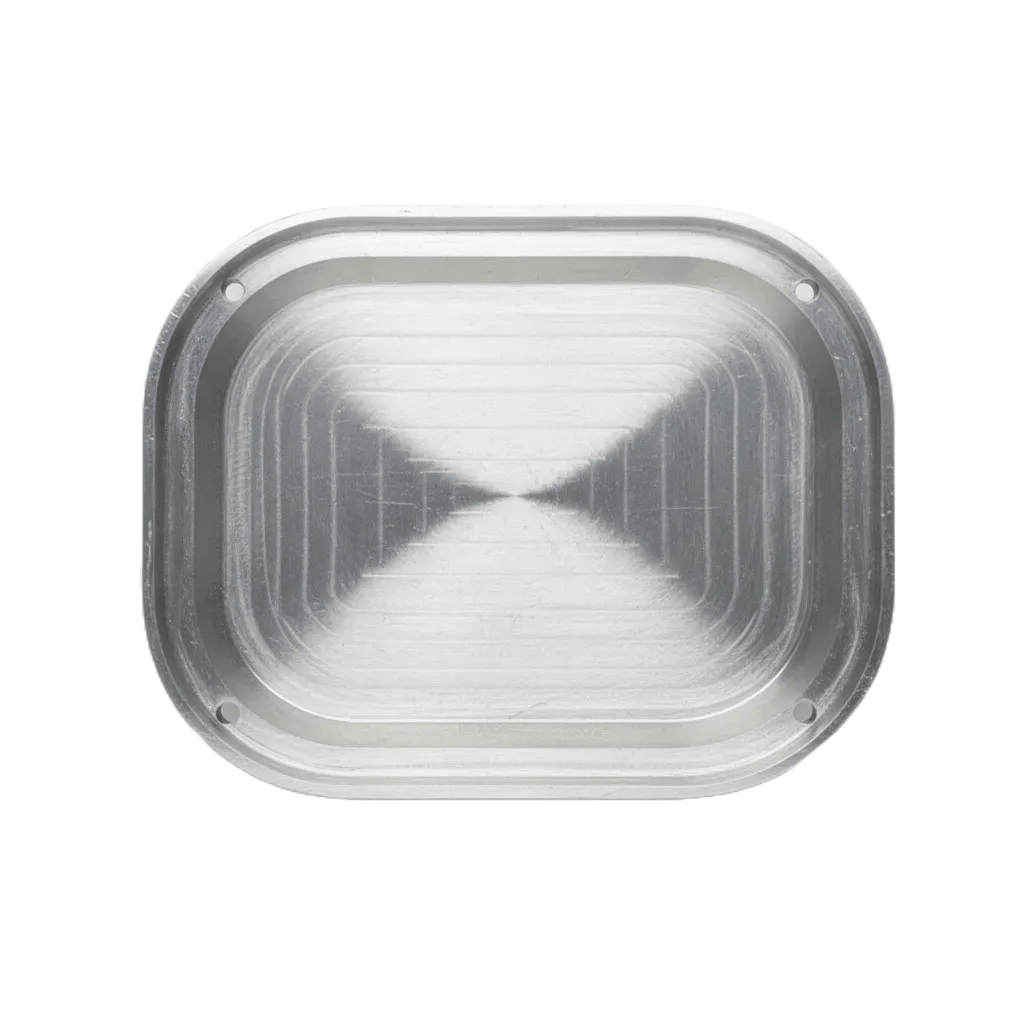
Uniform matte texture that removes visible tool marks.
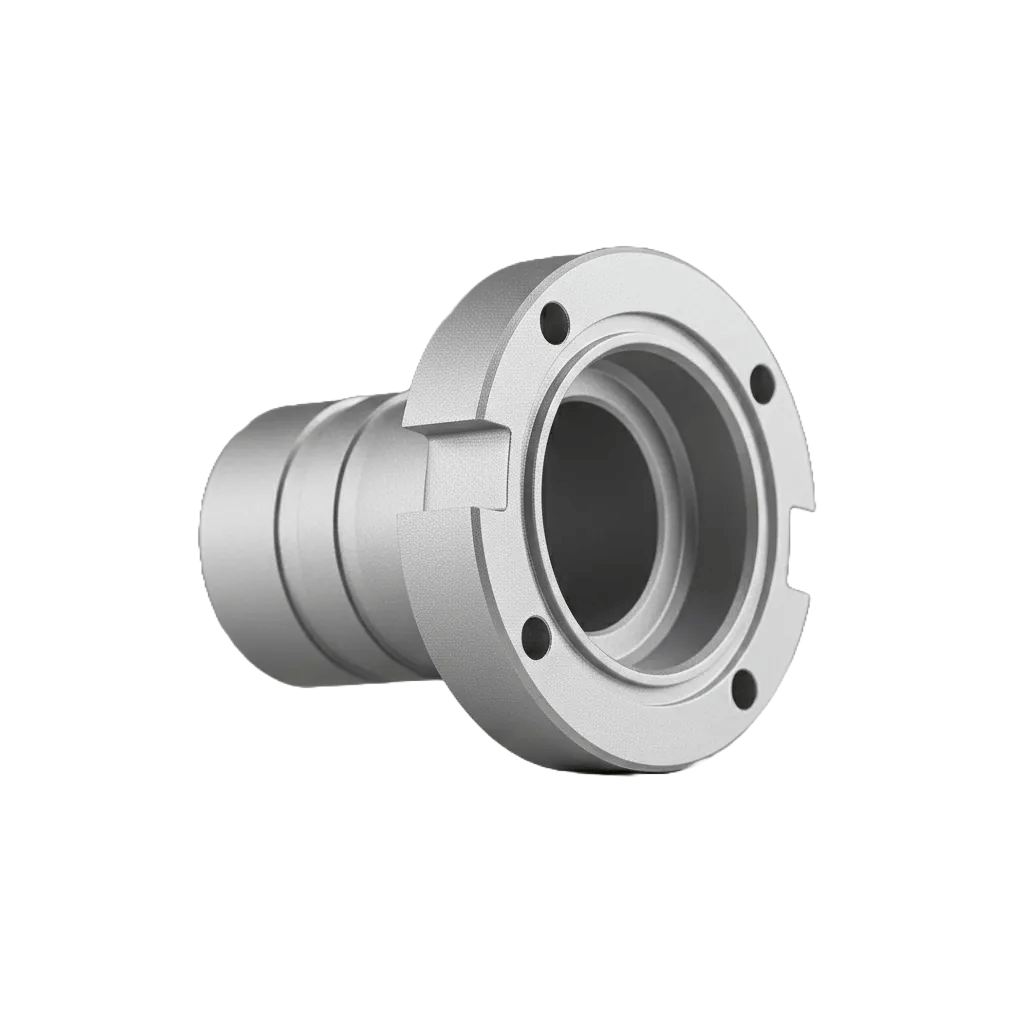
Fine directional grain for a clean metallic look on consumer and industrial parts.
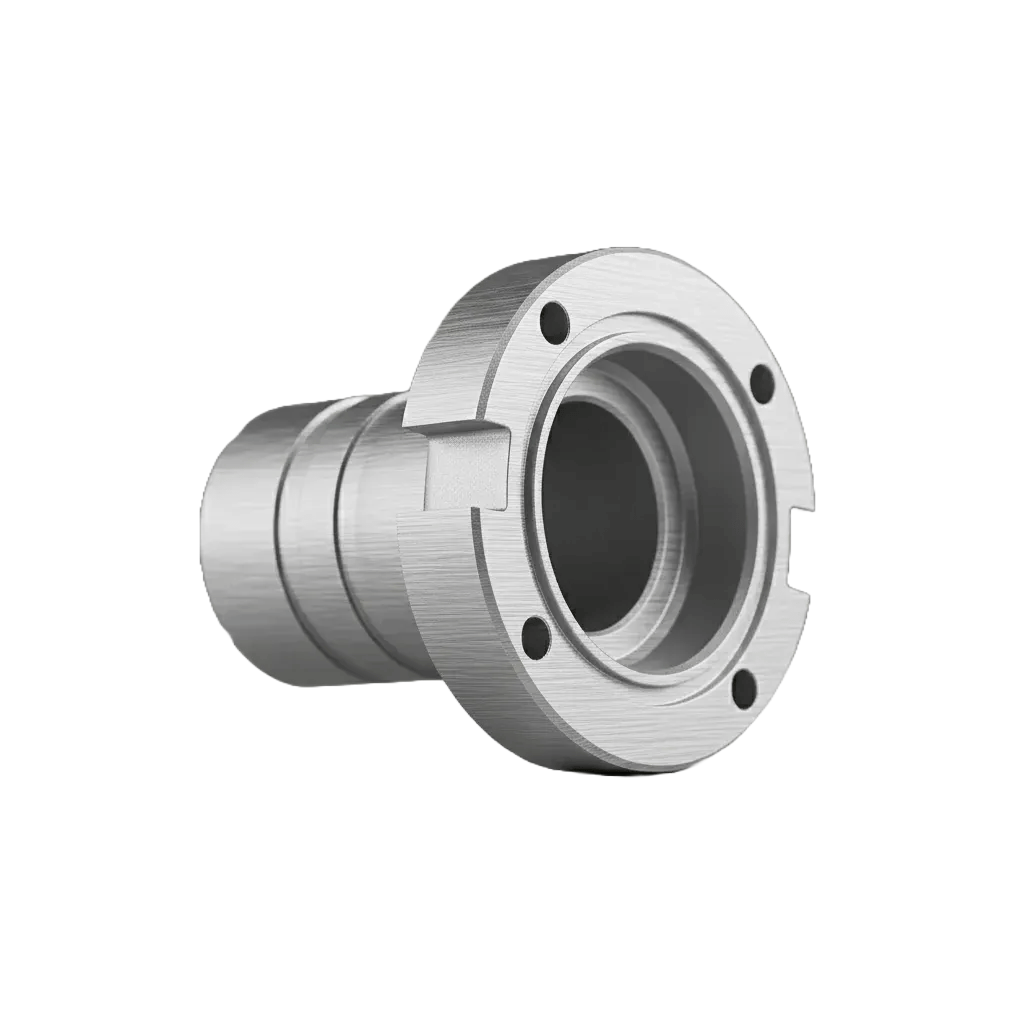
Protective oxide layer on aluminum that improves corrosion resistance and wear, available in multiple colors.
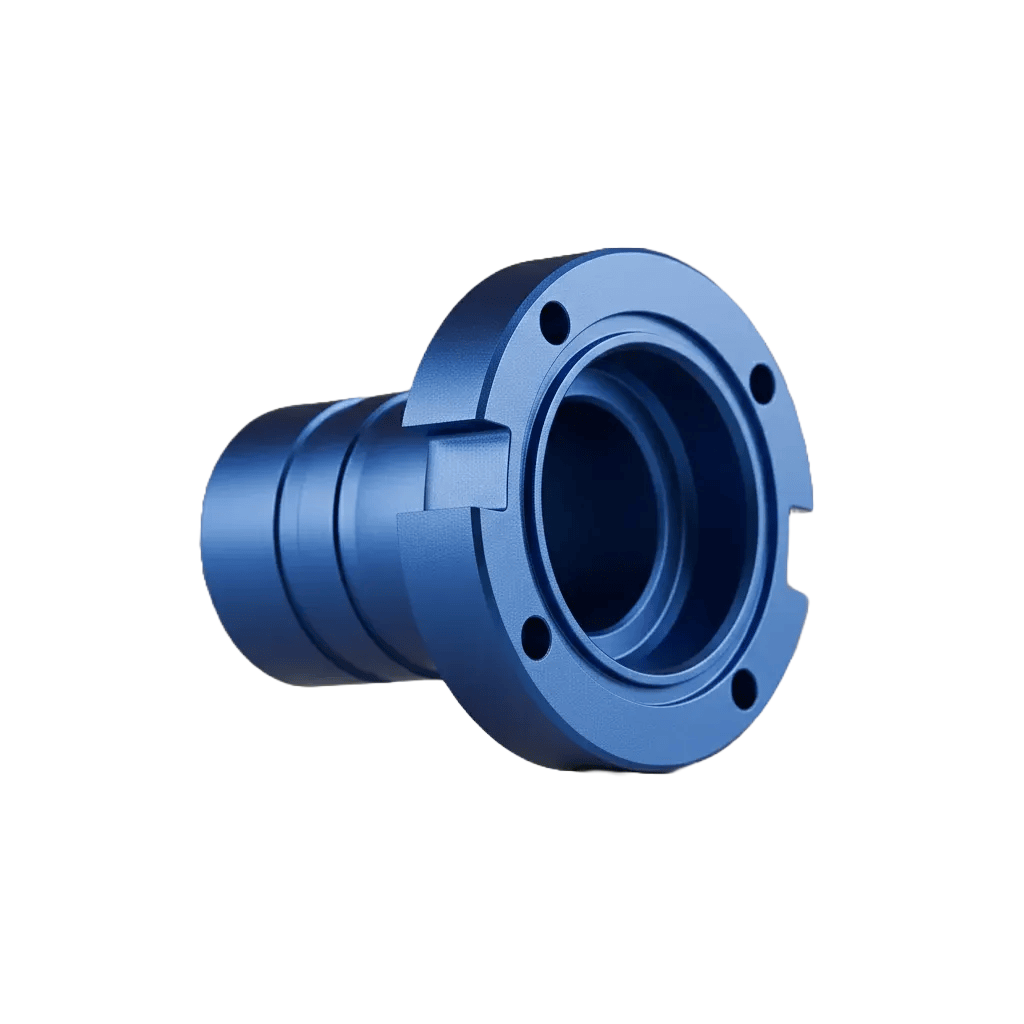
Thicker, high-wear coating for demanding industrial components.
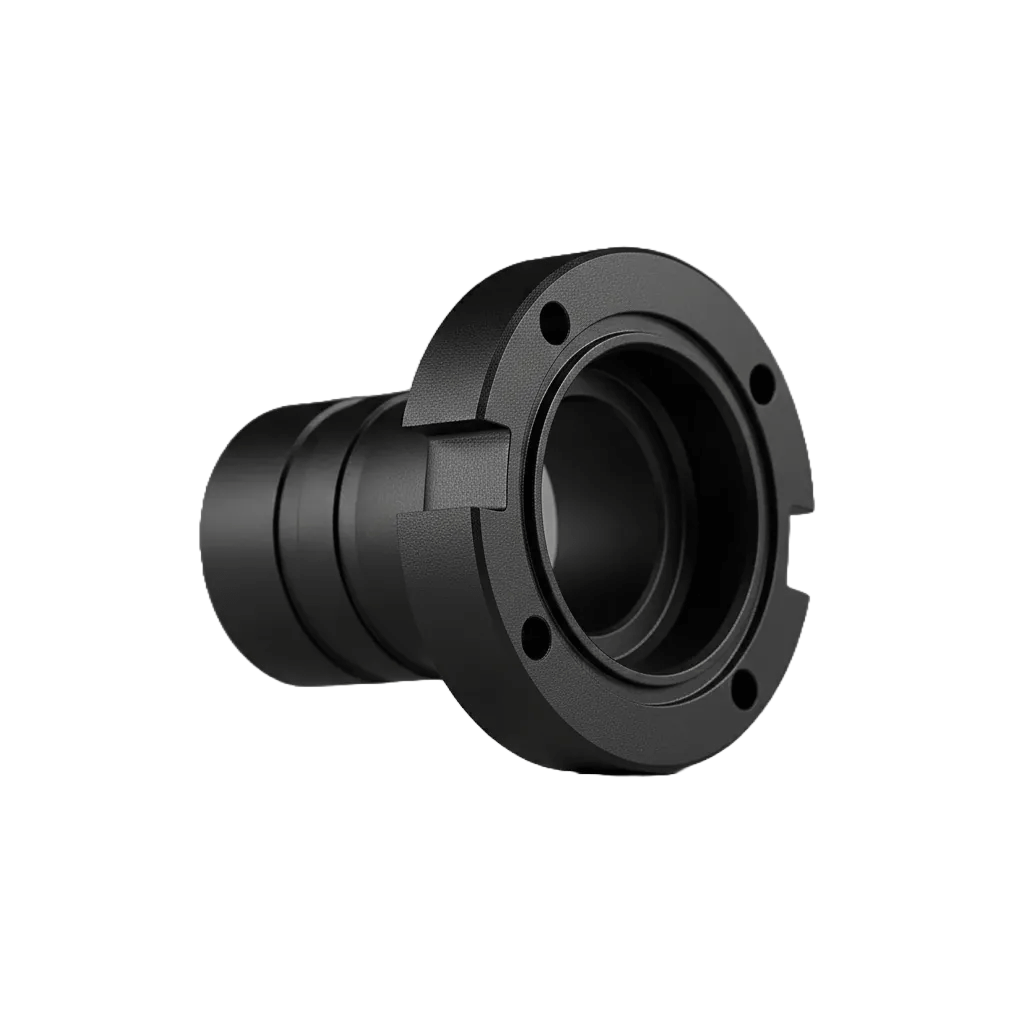
Corrosion protection that preserves electrical conductivity for electronic housings.
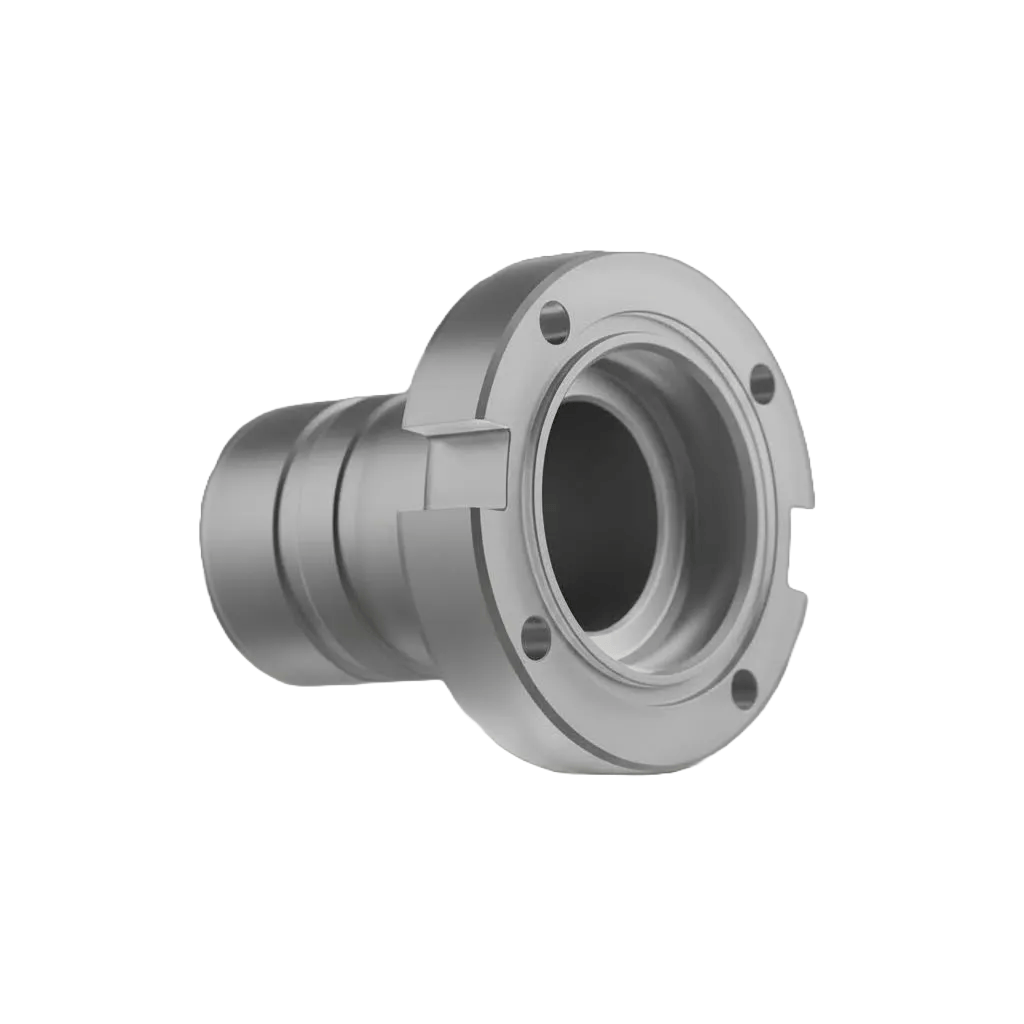
Improves clarity on optical and display-grade plastics.
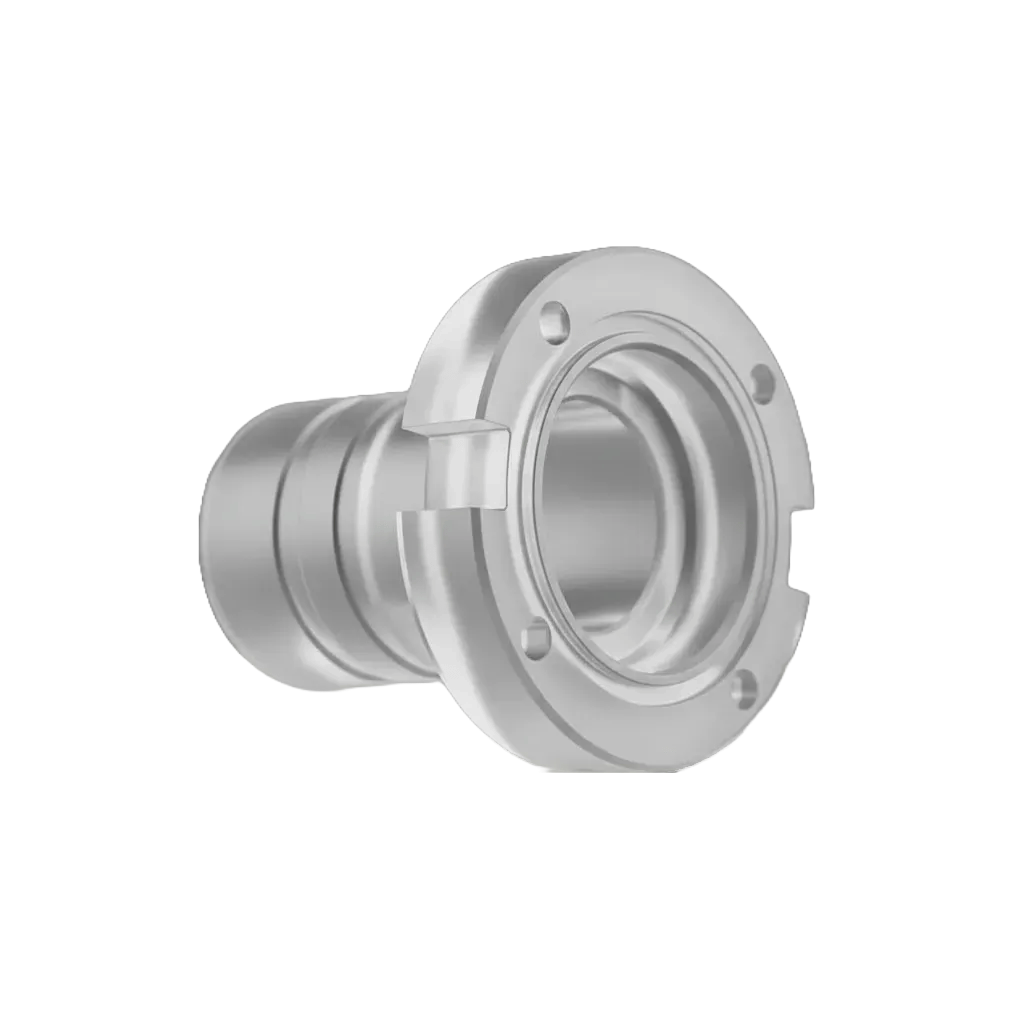
Near-optical, high-gloss finish for decorative or precision display parts.
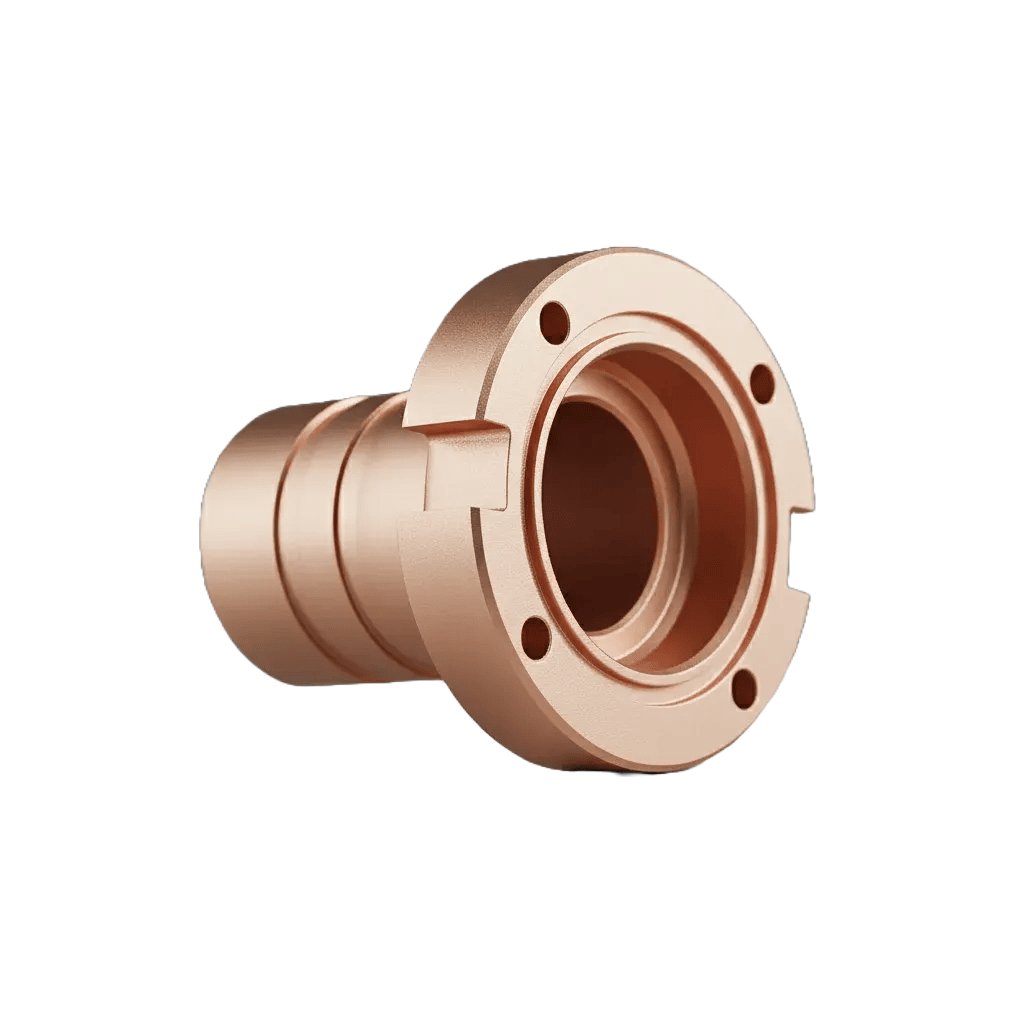
CNC Machining Surface Finishes
CNC Turning Capabilities
Feature | Specification |
General tolerances | ISO 2768-m unless otherwise specified. |
Precision tolerances | Standard ±0.005 in (±0.127 mm). Tight turning down to ±0.001 in (±0.025 mm). |
Maximum turning diameter | Ø200 mm (larger on request). |
Maximum turning length | 500 mm. |
Minimum diameter | As small as 2 mm depending on geometry and material. |
Live tooling | Milling, drilling, and tapping in one setup for turn-mill parts. |
Production volume | Prototyping: 1–100 pcs. Low volume: 100–10,000 pcs. Production: 10,000+ pcs. |
With live-tool and Swiss-type lathes, our CNC multi-axis turning services finish complex round parts in a single setup. Tight tolerance turning to ±0.001 in and controlled runout are confirmed per feature during DFM, so you only pay for precision where the part needs it.
What Makes XY Machining Different from Others




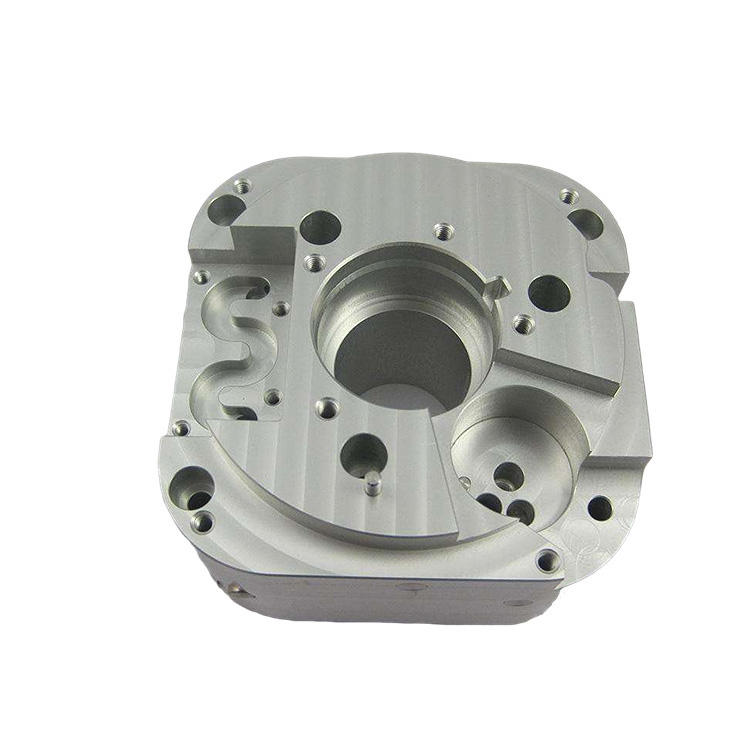
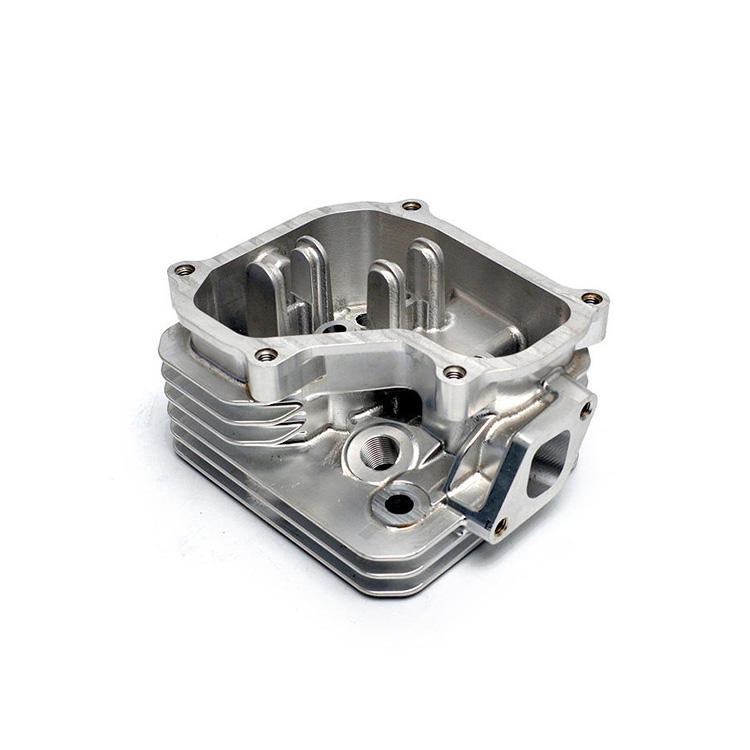
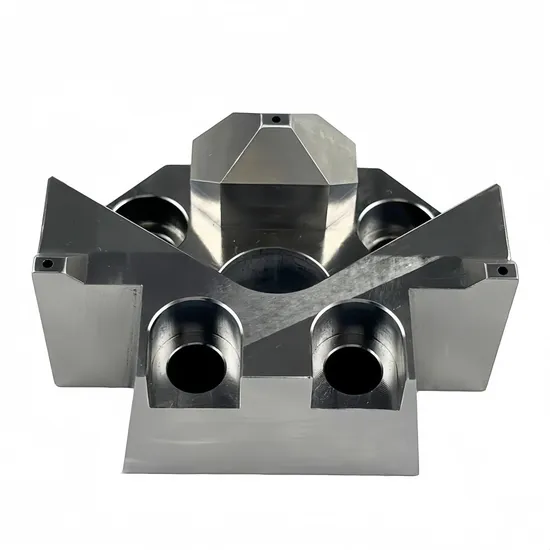
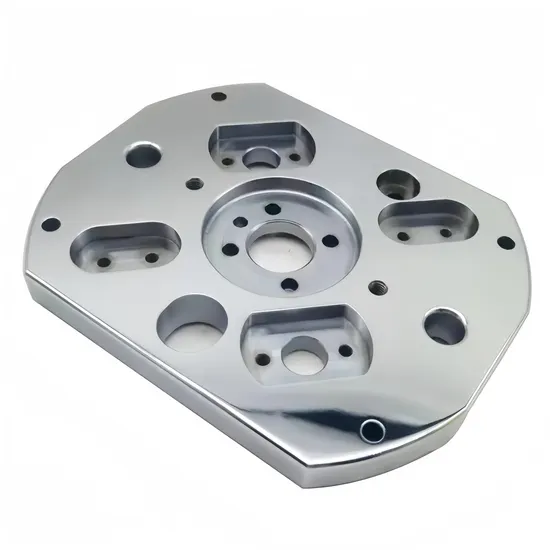
Our CNC Turning Gallery
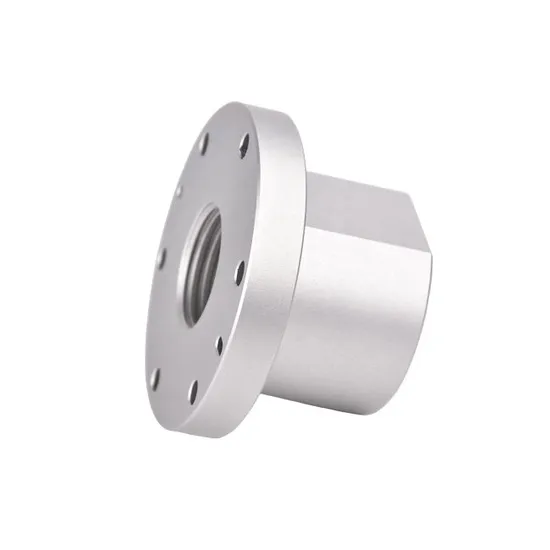
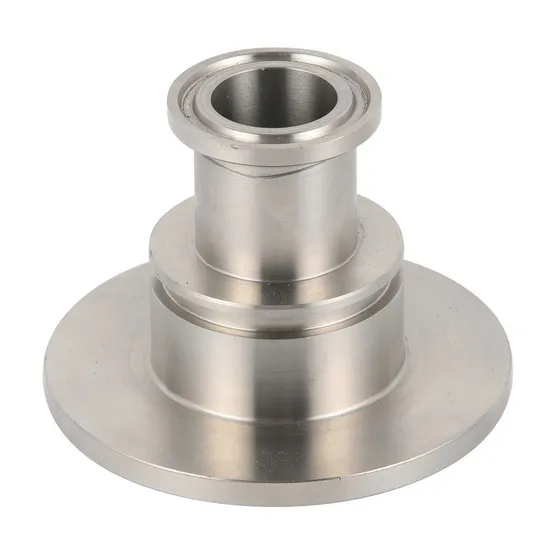
Our portfolio shows precision turned components produced for demanding industries. From tight-tolerance shafts to complex multi-operation parts, each project reflects our expertise in CNC lathe machining and our commitment to quality.
Design Guidelines for CNC Turning
A few design choices decide most of your turning cost and quality. These guidelines help your part machine cleanly the first time:
Feature | Guideline |
Wall thickness | Maintain ≥ 0.5 mm for metals to keep the part rigid during cutting. |
Hole depth | Recommended depth ≤ 4× the hole diameter for machining stability. |
Thread length | Ideally ≤ 3× the nominal diameter unless the function requires more. |
Internal corners | Avoid sharp internal transitions; add small radii for tool access. |
Length-to-diameter ratio | Ratios above 10:1 may need tailstock or steady-rest support to prevent vibration. |
Industries We Serve

Precision turning for shafts, fasteners, bushings, and structural components needing strict tolerances and material certification.

Micro-precision turned parts for surgical instruments and medical assemblies with tight dimensional control.

High-performance turned components for engines, transmissions, and EV systems.

Precision connectors, housings, and rotating components requiring concentricity and smooth surface finishes.
Rapid tooling speeds the path from idea to functional parts. Using precision CNC machining, we build molds and tooling to test designs, validate fit and function, and reach market faster. It suits prototypes, low-volume runs, and early-stage development where precision matters most.
For production tooling we prioritize long-term durability. Built from high-grade materials with precision machining, our tooling supports full-scale runs without losing accuracy, delivering consistent parts and stable production cycles across large batches.
Pros of CNC Turning
- Excellent Concentricity: Ideal for cylindrical and rotational parts that must run true.
- High Repeatability: Consistent results across production runs.
- Cost Efficient for Round Parts: Faster cycle times than milling on cylindrical geometry.
- Live Tooling Capability:Milling and drilling features added in one setup.
- Material Versatility:Aluminum, stainless steel, brass, copper, titanium, POM, ABS, and more.
From Prototype to Production — One Reliable Partner
- Proven expertise in medical, automotive, electronics, and robotics industries
- Responsive engineering support with fast quotation turnaround
- Modern 3-axis and 5-axis CNC machining capability
- Collaborative DFM feedback to reduce risk and cost
- Reliable on-demand production with documented inspection
How It Works – 3-Stages Workflow
We guarantee that CNC parts are delivered on time and that the process is completely transparent in the following 3 simple steps:

Submit STEP, IGES, or other standard formats and receive pricing plus DFM feedback to optimize your design.

Your components are turned on calibrated lathes with live tooling, verified through in-process inspection.

Parts pass dimensional inspection and ship securely, with inspection documentation available on request.
End-to-End Solutions From XY Machining
Frequently asked questions
What is the difference between CNC turning and CNC milling?
In CNC turning, the part spins on a lathe while a stationary tool removes material, which is why turning is the efficient choice for round parts like shafts, pins, and bushings. In CNC milling, the part stays fixed while a rotating cutter shapes flat and 3D features. Turning gives excellent concentricity and faster cycle times on cylindrical geometry, while milling handles pockets, contours, and multi-face work. With live tooling on our lathes, we combine both in a single setup when a round part also needs flats, slots, or cross holes.
What is live tooling and when do I need it?
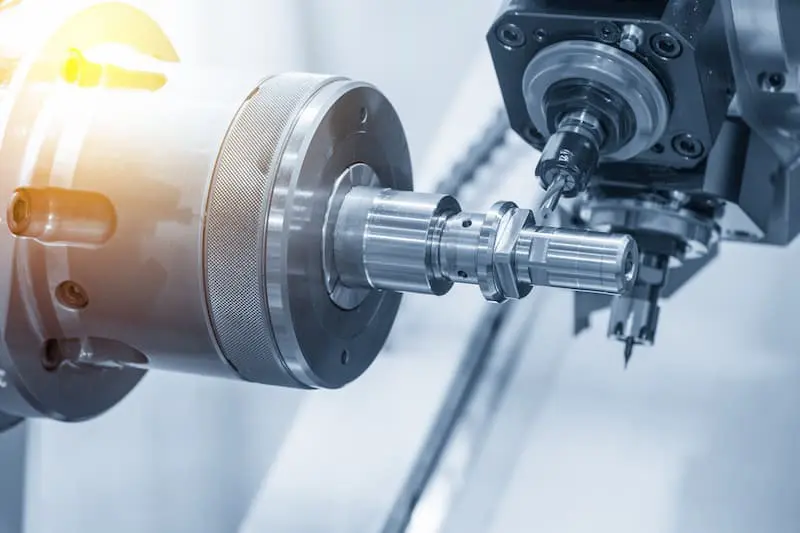
Live tooling adds powered rotating tools to a CNC lathe so we can mill flats, drill cross holes, cut slots, and tap threads without moving the part to a separate machine. Our CNC multi-axis turning services use this to finish complex turned parts in one setup, which improves concentricity and shortens lead time. You need it whenever a cylindrical part also has off-axis features that a plain lathe cannot reach. Keeping everything in one setup removes the re-fixturing errors that show up when a part changes machines.
When should I choose Swiss-type turning over standard turning?
Swiss-type turning is the better choice for small, slender, high-precision parts, roughly under 32 mm in diameter, such as medical pins, connector contacts, and miniature shafts. The Swiss lathe guides the bar stock close to the cutting tool, which reduces deflection and holds tighter tolerances on long, thin features than a standard chucker. For larger diameters or short, stout parts, standard turning is usually faster and more cost effective. We match the machine to your part geometry during quoting so you get precision where it matters without overpaying.
How tight can you hold concentricity and runout on turned shafts?
Diameter tolerance and runout are two different things, and runout is what usually decides whether a bearing seats. Well-maintained turning centers reliably hold circular runout in the 0.005 to 0.010 mm range, and we tighten that further on critical journals when the drawing calls for it. Multi-step shafts with several bearing seats are harder because every re-chucking can add an axis offset, so we machine critical diameters in one setup wherever possible. Call out runout or total runout on the drawing, not just diameter, and we inspect to it.
What are the maximum and minimum diameters you can turn?
We turn parts up to 200 mm in diameter and 500 mm in length, which covers most shafts, housings, and cylindrical bodies, with larger work available on request. At the small end we turn diameters down to 2 mm for pins, contacts, and miniature components. Very long, thin parts need extra support to prevent whip, so length matters as much as diameter. Send your drawing and we confirm the envelope and the best workholding for your specific part.
What length-to-diameter ratio can you turn without support?
As a rule of thumb, once a turned part passes roughly a 10 to 1 length-to-diameter ratio, it starts to deflect and vibrate under cutting force, which hurts both tolerance and finish. For longer shafts we add tailstock or steady-rest support to keep the part rigid and true. Slender parts also benefit from lighter cuts and Swiss-type turning. Flag long, thin features on your drawing and we plan support into the setup before cutting.
What surface finish (Ra) can CNC turning achieve?
Our standard as-turned finish is about Ra 1.6 um, which is smoother than a typical as-milled surface because the tool cuts continuously around the rotating part. With controlled feeds, sharp tooling, or secondary processes we reach Ra 0.8 um or finer for sealing faces and cosmetic parts. Finer finishes take more time, so we apply them only where the part needs them. Note the required Ra on the drawing and we set feeds and tooling to hit it.
Can you turn and mill a part in one setup?
Yes. Our live-tool turning centers provide combined CNC turning and milling services, so a round body is turned and then milled for flats, slots, cross holes, or tapped features without leaving the machine. Doing both in one setup keeps every feature referenced to the same datum, which improves accuracy and cuts lead time versus splitting the work across a lathe and a mill. It is the most efficient route for complex shafts, valve bodies, and connectors. Upload the model and we quote the complete part, not one operation at a time.
How do I control the cost of precision turned parts?
Specify tight tolerances and runout only on the features that need them, because precision CNC turning to ±0.001 in and controlled runout adds inspection time and cost. Choosing a free-machining material, keeping length-to-diameter ratios reasonable, and avoiding unnecessary tight surface finishes all reduce cycle time. Higher quantities also lower the per-part price as setup is spread across the run, which suits OEM and repeat production orders. Our DFM feedback shows which features drive your quote so you can adjust before committing.
Can you CNC turn plastics like PEEK, Delrin, and PTFE?
Yes. Alongside aluminum, stainless steel, brass, copper, and titanium, we turn engineering plastics including PEEK, Delrin (POM), PTFE (Teflon), nylon, and polycarbonate. Plastics need sharp tooling and controlled speeds to avoid melting or deformation, and some grades move with temperature and moisture, so we adjust the process to hold tolerance. Turned plastic parts suit insulators, seals, bushings, and biocompatible components. Tell us the grade and the critical dimensions and we confirm what is achievable.