首页 - 注塑成型
Custom Plastic Injection Molding Services
Our plastic injection molding services deliver high-accuracy, repeatable components for products that scale from prototype to full production. XY加工 runs plastic and LSR molding across 50+ thermoplastics, backed by in-house mold tooling, engineering review, and strict quality control, so every part meets your specifications and cost targets. Upload your CAD files securely and get fast pricing with DFM feedback.
- 安全的文件上传和保密协议保护
- 快速报价并附带DFM反馈
- Aluminum and hardened-steel tooling built in 15 to 25 working days
- ISO 9001-aligned quality control and inspection
立即获取报价、项目交货周期和DFM反馈
- 所有上传内容均安全且保密。.
什么是注塑成型?
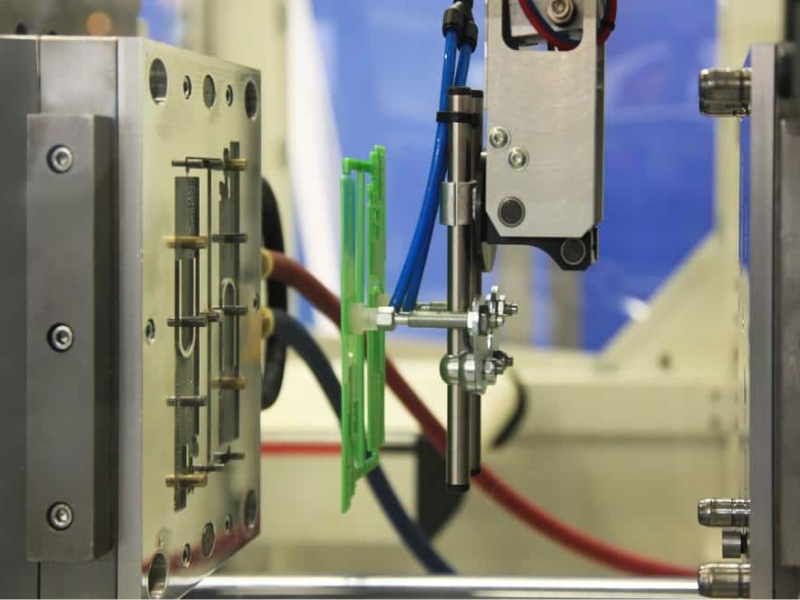
Injection molding is a manufacturing process where molten plastic is injected into a precision-engineered mold to form parts. It excels at producing consistent, high-quality components in medium to high volumes, where mold design, material selection, and processing parameters work together for durability, accuracy, and repeatability.
The process is ideal for complex plastic parts that need tight tolerances, excellent surface finish, and reliable performance across large production runs, with per-part cost dropping as volume rises.
定制零件的塑料注塑成型服务
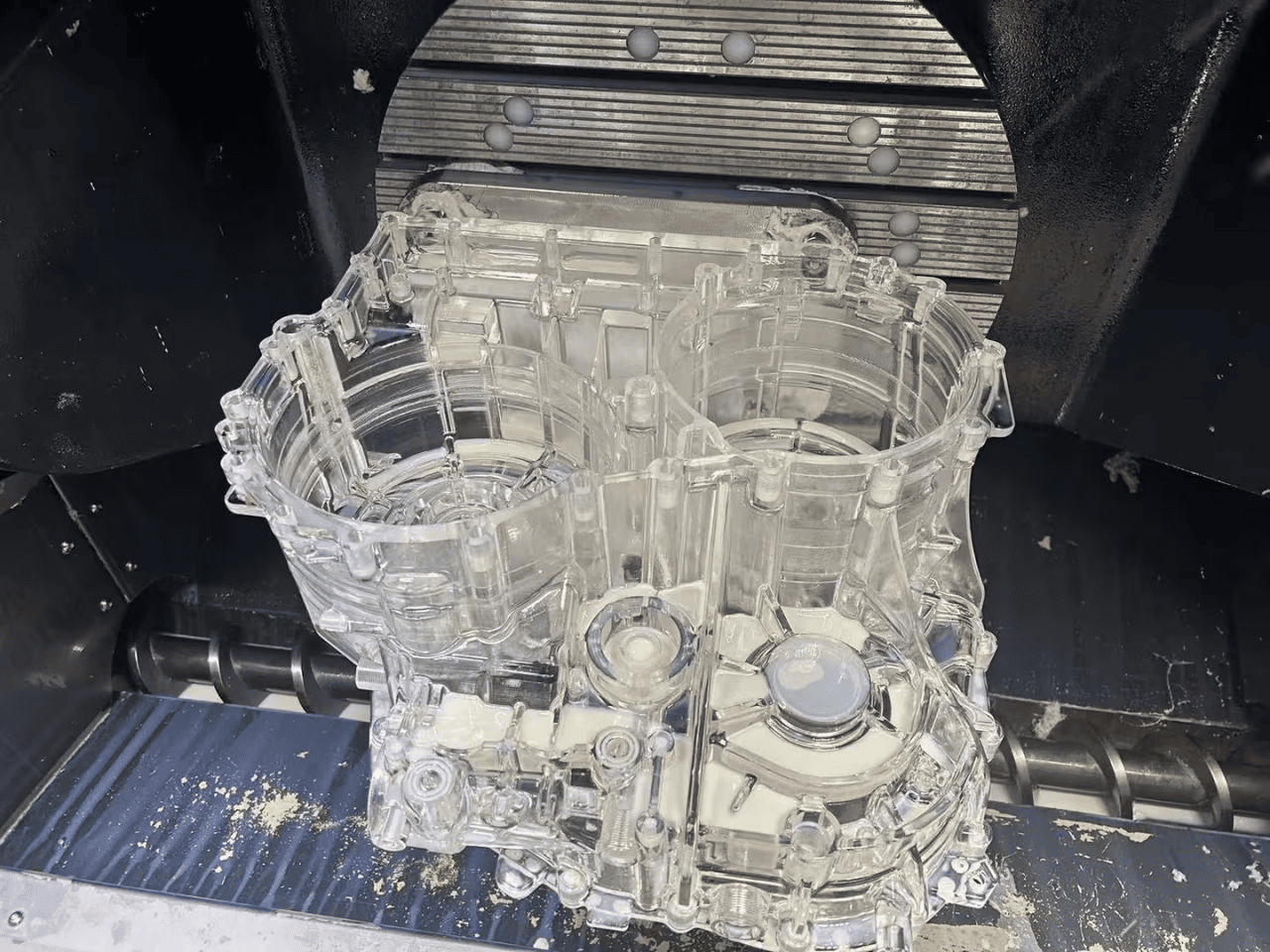
注塑模具
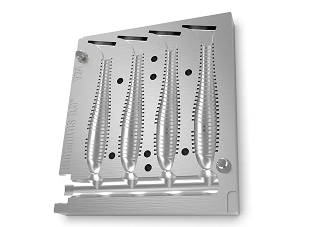
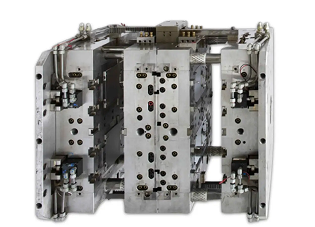
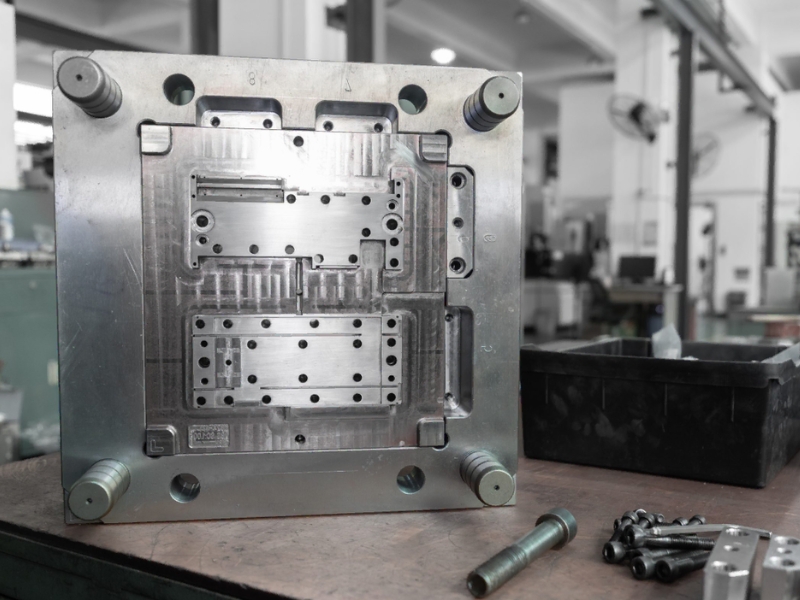
Precision aluminum and hardened-steel molds designed for durability, repeatability, and consistent performance across production cycles. Aluminum tooling suits rapid and low-volume work, while hardened steel serves high-volume production.
包覆成型
Overmolding combines multiple materials into a single part, molding a second material over a substrate to improve grip, sealing, strength, and product functionality.
嵌入式成型
Insert molding integrates metal or other components into a plastic part, building strong metal-to-plastic features while reducing assembly steps and cost.
为什么选择我们的注塑成型服务?
We combine advanced engineering, precision tooling, and digital manufacturing to deliver reliable custom injection molding. Our team supports the full process, from mold design and material selection to flow analysis and optimization, ensuring consistent part quality and lower production cost.
With a focus on accuracy and durability, we build molds that perform across repeated cycles while holding tight tolerances and clean surface finishes. Through a streamlined digital workflow, you upload CAD files and receive fast, accurate quotations, and our ISO-aligned quality systems inspect every molded component. We control fit, finish, and performance at each stage to deliver dependable results for both low-volume and high-volume needs.
我们的服务
Injection molding works best as part of a complete development path. Alongside molding, we support your project with in-house machining and finishing:
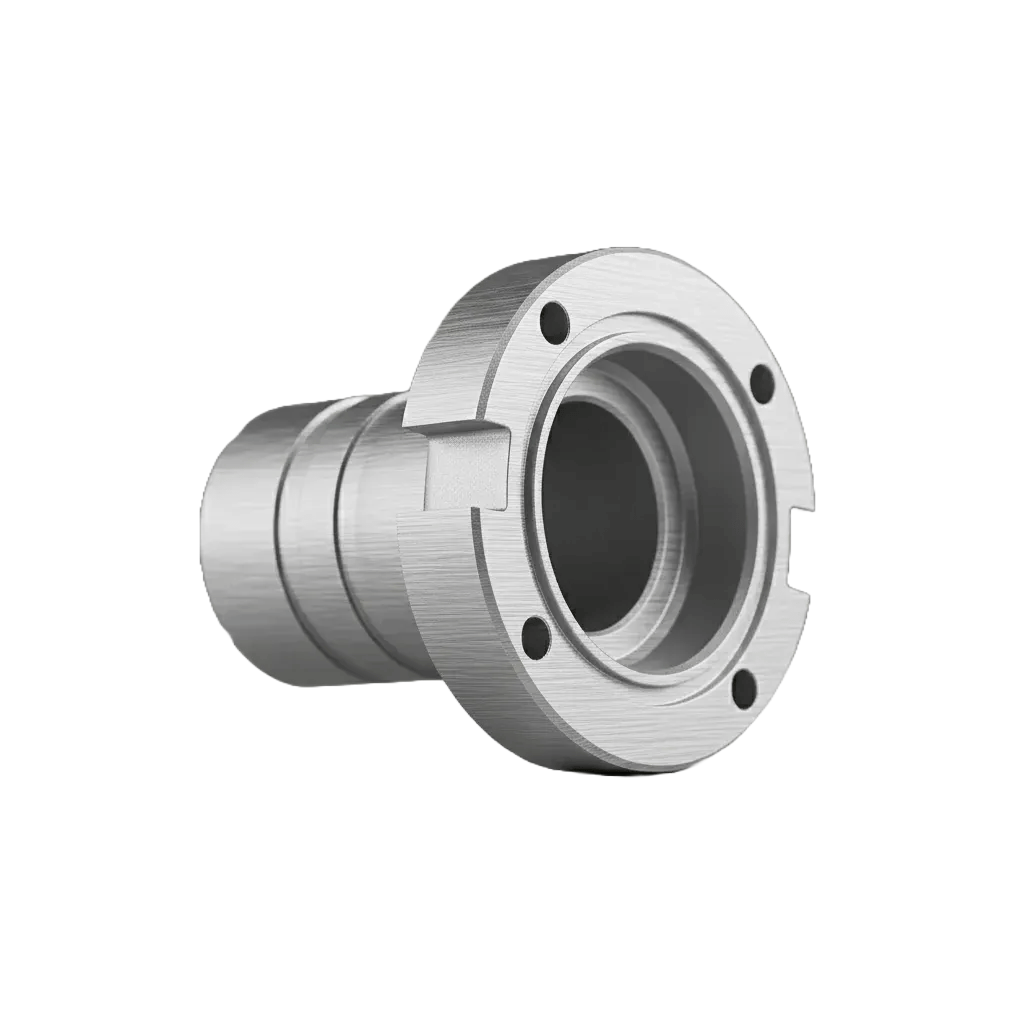
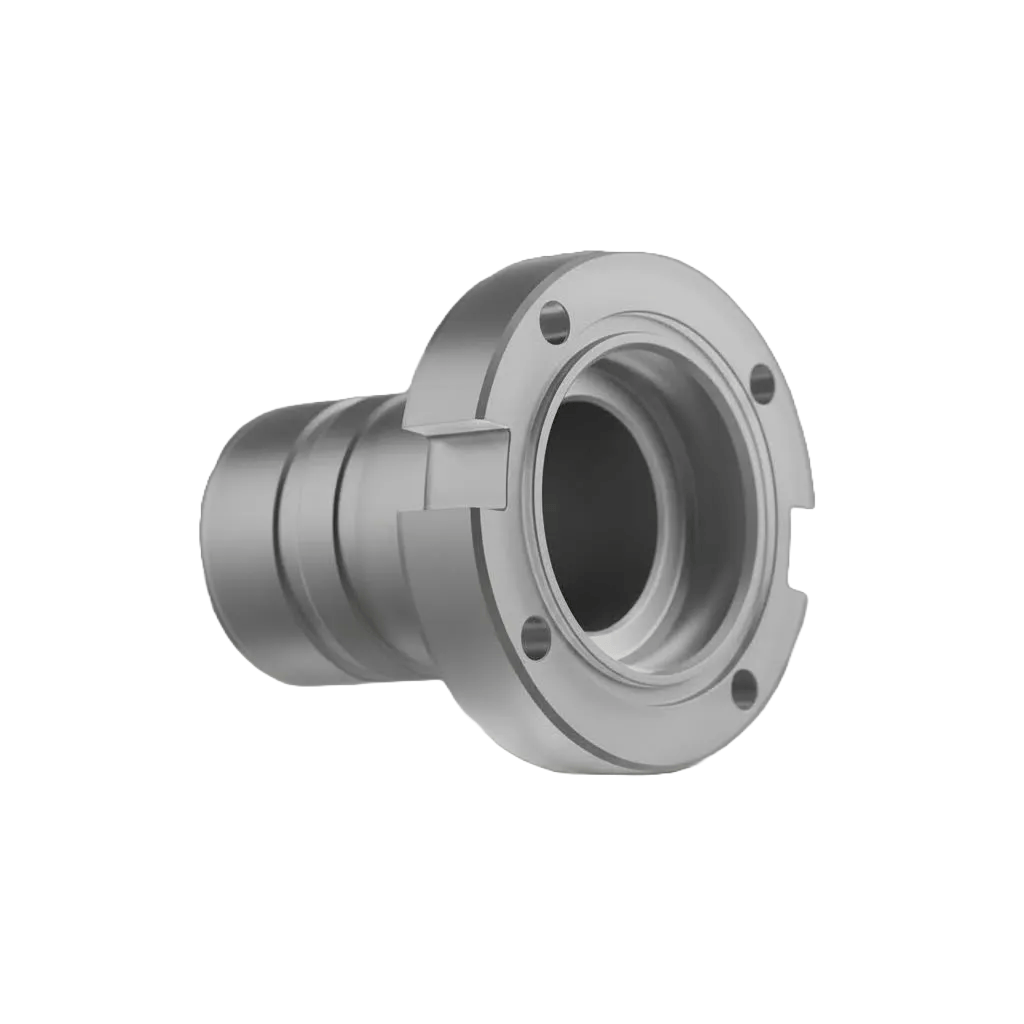
Standard finish for functional parts where appearance is not critical.
Uniform matte texture that hides minor imperfections and improves appearance.
Fine parallel lines that enhance the look of metal or plastic components.
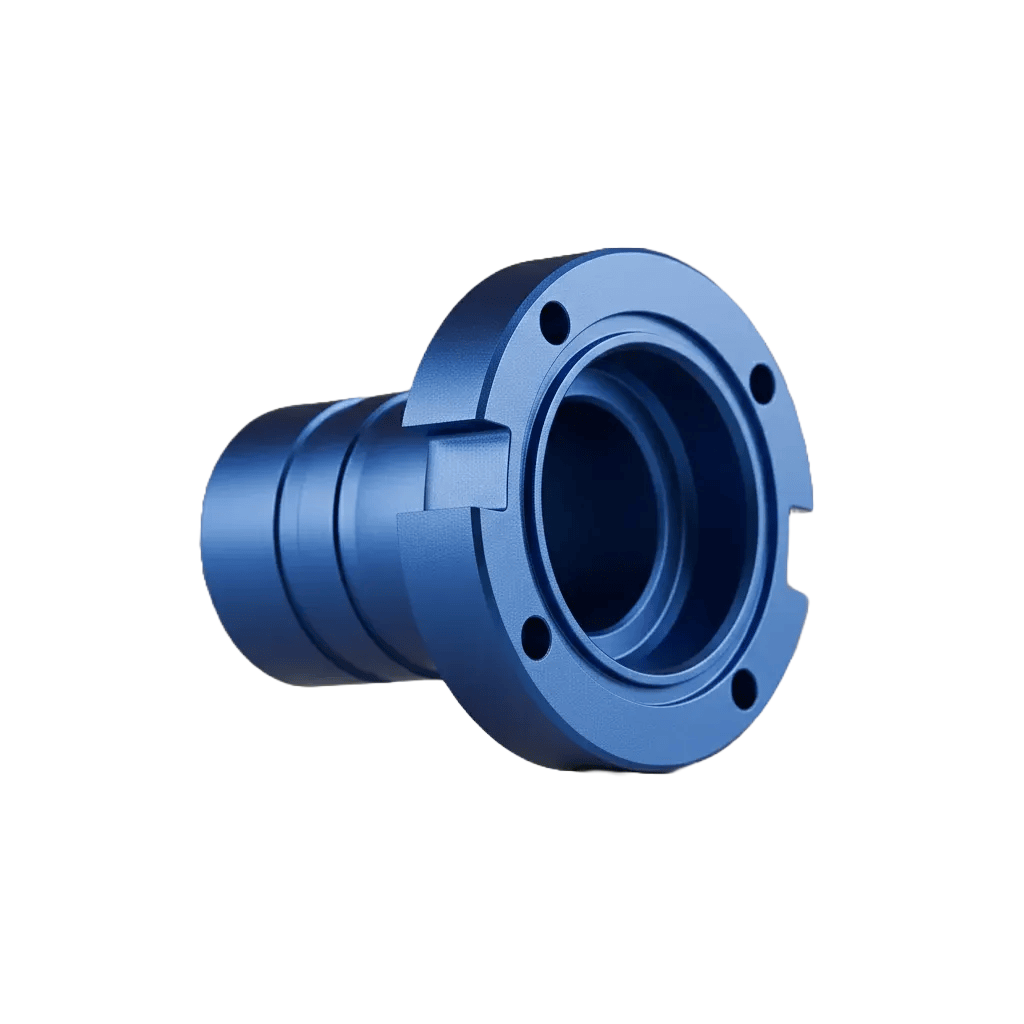
Protective coating with corrosion resistance and color options.
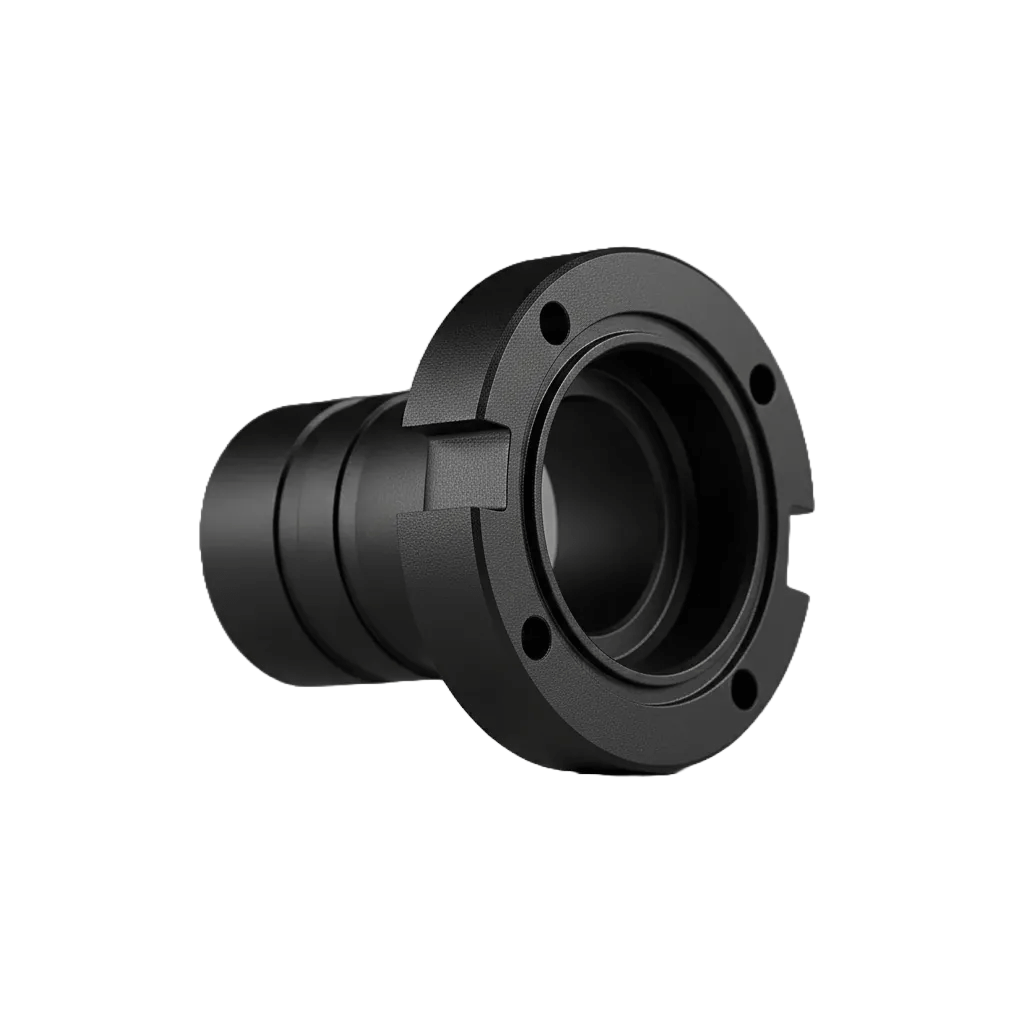
Thick protective layer for components requiring maximum wear resistance.
Preserves electrical conductivity while adding a protective coating.
High clarity on plastic surfaces for optical or transparent components.
Smooth, high-gloss finish for premium and decorative parts.
注塑成型 表面处理
注塑成型设计指南
规格 | 详情 |
最大零件尺寸 | 最大尺寸为 1300 × 900 × 500 毫米,具体取决于材料和模具设计 |
最小零件尺寸 | 小至 6 × 6 × 6 毫米 |
件间重复性 | ±0.08 mm for consistent production quality |
模具型腔 | 支持单腔、多腔和系列模具 |
模具材料 | Aluminum for rapid tooling, hardened steel for production |
型腔公差 | ±0.015 mm on functional features |
二次加工 | Texture finishing, labeling, tapping, ultrasonic welding |
下切处理 | 支持滑块、顶杆和可折叠芯轴 |
壁厚范围 | 0.6 毫米 – 4.5 毫米(视材料而定) |
吃水角 | 建议角度为1°–3°,具体取决于表面处理情况 |
Ribs and gussets | 0.6 – 2.5 毫米的厚度范围 |
Boss设计 | Diameter range 3 mm to 12 mm |
典型交货期 | 模具制作在15至25个工作日内完成 |
我们的注塑成型作品集
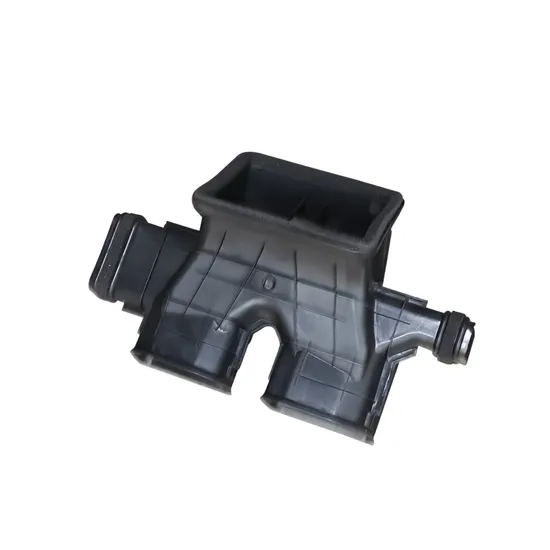
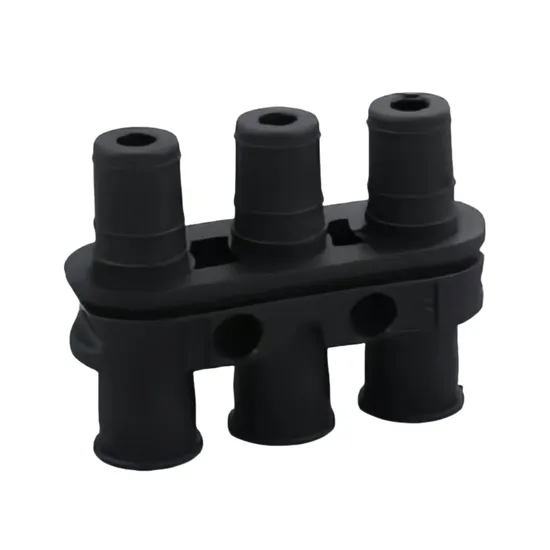
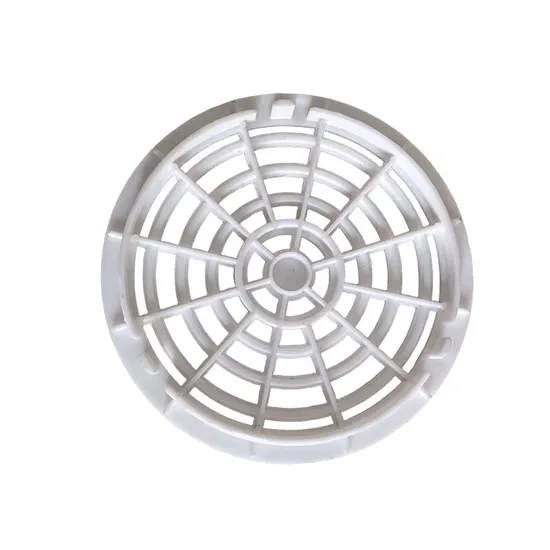
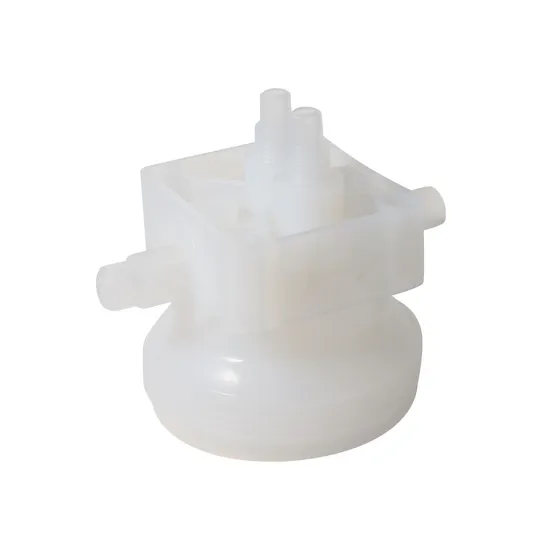
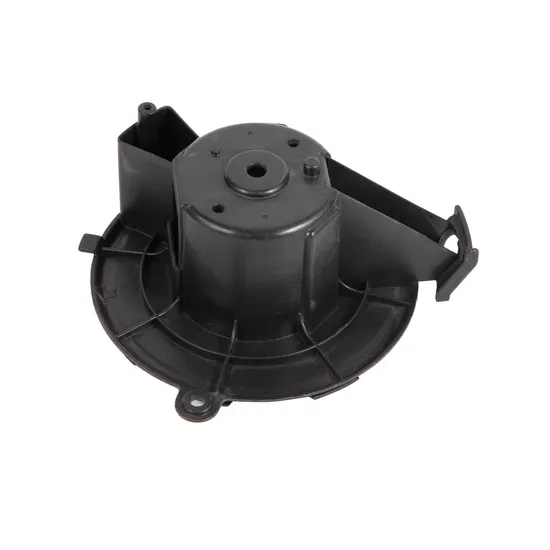
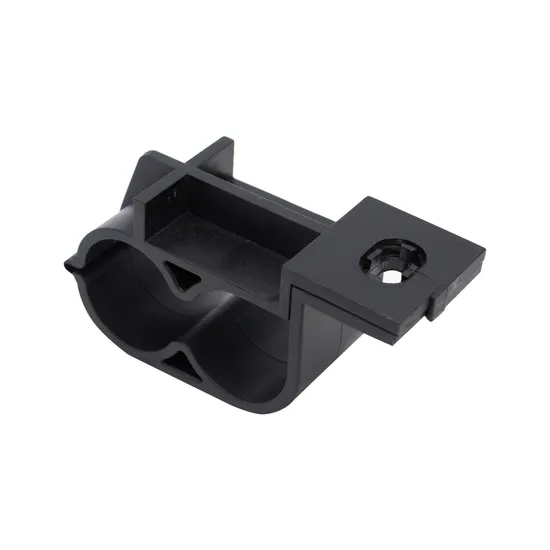
Our portfolio shows molded components across materials and industries, from thin-wall enclosures to multi-material overmolded parts. Each project reflects our commitment to ISO-aligned quality, dimensional consistency, and clean molded finishes.
XY Machining 与众不同之处在于
XY 机械加工行业解决方案
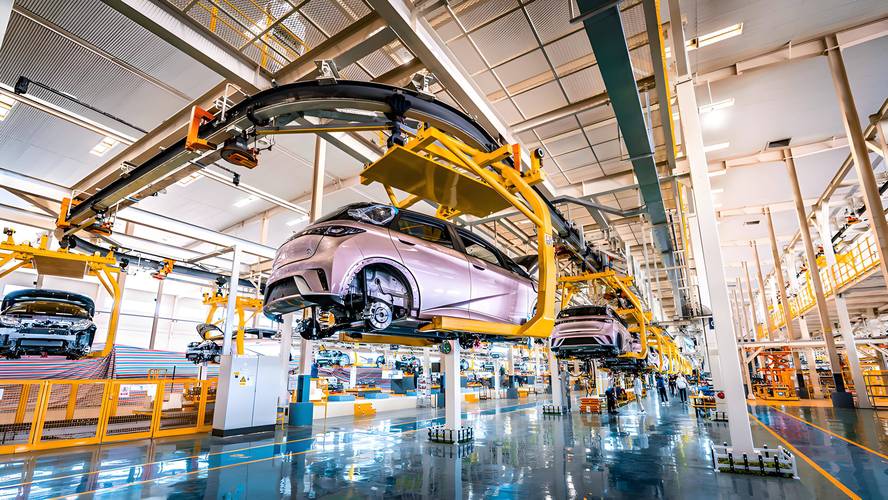
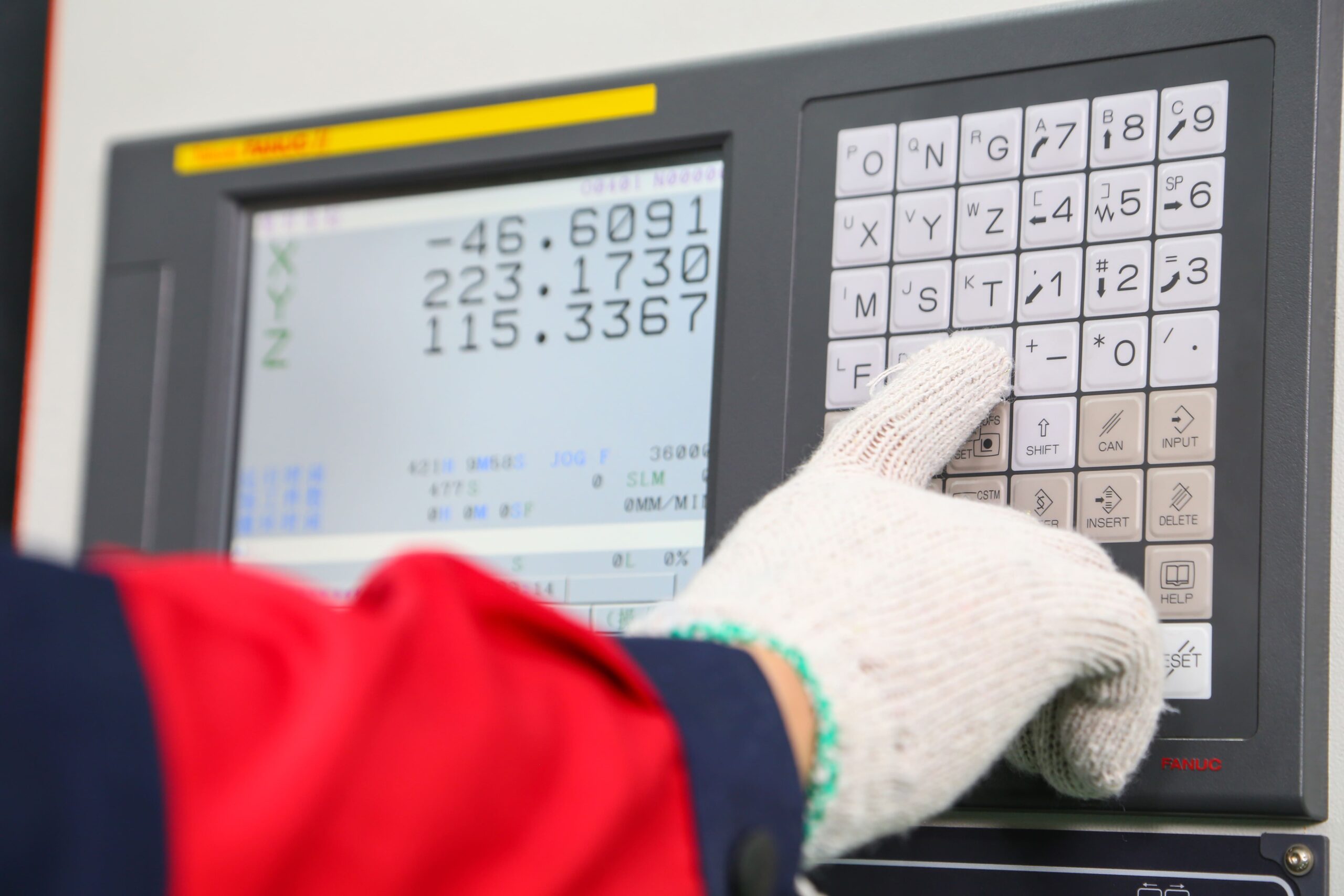
快速模具制造 let’s you go faster to go from an idea to functional parts. With our advanced 数控加工 service, we create molds and tooling with precision needed to test designs, validate fit, and function and bring products to market faster. It’s perfect for prototypes, low volume runs, and early-stage development where outworking competitors is critical and precision matters most.
在生产模具方面,我们优先考虑长期耐用性。凭借顶级材料和精密的数控加工技术,我们制造的模具能够支持大规模生产,且不会牺牲精度。无论您需要数千件相同的零件,还是进行批量生产,我们都能提供性能稳定、值得信赖的模具,并确保生产周期稳定。.
从原型到量产——您值得信赖的合作伙伴
- 在医疗、汽车、电子和机器人行业拥有久经考验的专业技术
- 响应迅速的工程支持,报价周期短
- 现代化的3轴和5轴数控加工能力
- 通过协作式DFM反馈降低风险和成本
- 可靠的按需生产,并附有检验记录
工作原理——三阶段工作流程
We guarantee that 数控零件 are delivered on time and that the process is completely transparent in the following 3 simple steps:
Submit STEP, IGES, or other standard formats and receive pricing plus DFM and mold-flow feedback to optimize the part and tool.
We cut aluminum or steel tooling, run T1 samples for approval, then move to production molding.
零件均通过尺寸检测,并以安全的方式发货,如需检测文件,可随时提供。.
注塑成型的优点
- Low cost per part at volume:Tooling cost amortizes across the run, driving per-part price down sharply.
- Excellent repeatability:Consistent, identical parts across thousands or millions of cycles.
- Material versatility: 50+ thermoplastics plus LSR, from commodity resins to engineering grades.
- Complex geometry and part consolidation: Intricate features and multiple components combined into one molded part.
- Minimal waste:Efficient material use, with runners often reground and reused where suitable.
XY Machining 提供的端到端解决方案
常见问题
How much does injection molding cost?
Injection molding cost splits into two parts: a one-time tooling (mold) cost and a low per-part cost that repeats every cycle. The mold is the big upfront number, and it can run from roughly a thousand dollars for a simple aluminum tool to tens of thousands for a multi-cavity steel tool. Because the tooling cost spreads across every part you make, the per-part price drops sharply as volume rises, which is why molding beats machining at scale. Send your CAD, target quantity, and material and we return an itemized quote with tooling, per-part price, and lead time.
Should I use an aluminum or steel mold?
It depends on your volume and how long the tool must last. Aluminum molds are cheaper and faster to cut, which makes them ideal for low volume injection molding services, bridge production, and design validation, typically up to several thousand parts. Hardened steel molds cost more upfront but survive hundreds of thousands to millions of shots, so they win on cost per part at high volume. We support both aluminum for rapid tooling and hardened steel for production, and we recommend the right one for your quantity during DFM.
How do single-cavity, multi-cavity, and family molds affect cost?
A single-cavity mold makes one part per cycle and costs the least upfront, which suits prototypes and low volumes. A multi-cavity mold makes several identical parts per cycle; it costs more to build but slashes per-part cost, and it usually pays off above about 10,000 parts. A family mold makes several different parts in one cycle, handy for a matched set or assembly. We support single-cavity, multi-cavity, and family molds and size the cavitation to your annual volume so the tooling investment matches the payback.
What is the minimum order quantity for injection molding?
There is no hard minimum, but because the mold is a fixed cost, very small runs carry a high per-part price. For a handful of parts, CNC machining or 3D printing is often cheaper than cutting a mold. Molding starts to win once you need repeatable parts in the hundreds to thousands, and it dominates at higher volumes. If you are unsure, send your quantity and we will tell you honestly whether a mold, a bridge tool, or machining is the lowest-cost route for your stage.
How do I reduce injection molding cost?
Most savings come from the part design, not the negotiation. Uniform wall thickness prevents warping and shortens cooling time, coring out thick sections cuts material and cycle time, generous draft and fewer undercuts simplify the tool, and dropping unnecessary cosmetic finishes lowers tooling effort. Choosing a commodity resin over a high-performance one when the application allows also helps. Our DFM feedback flags these opportunities on your specific part, and design changes made before the mold is cut are far cheaper than changes after.
What is the difference between overmolding and insert molding?
Both combine materials, but they differ in what goes into the mold. Overmolding molds a second material over an existing plastic or metal substrate, commonly a soft grip over a rigid handle, improving comfort, seal, or strength. Insert molding places a pre-made component, often a metal threaded insert or terminal, into the mold so the plastic forms around it, which builds strong metal-to-plastic features and reduces assembly. We offer both, and during DFM we advise which suits your part and how to design the bond or retention feature.
What is LSR (liquid silicone rubber) molding and when should I use it?
LSR molding injects a two-part liquid silicone that cures into a flexible, heat-resistant, biocompatible rubber part, unlike rigid thermoplastics. It is the right choice for seals, gaskets, valves, wearables, and medical or baby-care parts that need flexibility, chemical resistance, and a wide temperature range. Our rubber injection molding services cover LSR alongside standard thermoplastic molding, so we can match the material to the function. If your part needs to flex, seal, or tolerate heat, LSR is usually the answer, and we can quote it from your CAD.
What causes defects like sink marks and warping, and how do you prevent them?
Most molding defects trace back to uneven wall thickness and cooling. Thick sections cool slower and pull inward, causing sink marks, while uneven shrinkage across the part causes warping. We prevent them with uniform walls, coring out thick areas, proper gate placement, and controlled cooling, and we use mold flow analysis to predict fill and shrink before cutting steel. Ribs and bosses are sized to avoid witness marks. Catching these in DFM is far cheaper than fixing a mold, so we review your part for defect risk up front.
我的零件应采用多厚的壁厚和多大的脱模角?
For most thermoplastics we recommend a wall thickness between 0.6 mm and 4.5 mm, kept as uniform as possible, since thin, even walls cool evenly and mold cleanly. Draft angle should be about 1 to 3 degrees on walls perpendicular to the pull direction so parts release from the mold without drag marks or damage. Ribs and gussets work best around 0.6 to 2.5 mm, and bosses from 3 to 12 mm in diameter. Send your model and our DFM review flags any walls, drafts, or ribs that need adjusting before tooling.
Do you offer bridge tooling to start production faster?
Yes. Bridge tooling uses a fast, lower-cost aluminum mold to produce real molded parts while your production steel tool is still being built, so you can launch or run market tests without waiting weeks for hard tooling. It is also ideal for validating fit and function before committing to an expensive production mold. Because we cut aluminum tooling in-house, we can move from approved design to first molded parts quickly. Tell us your timeline and volume and we will lay out a tooling path that fits both.