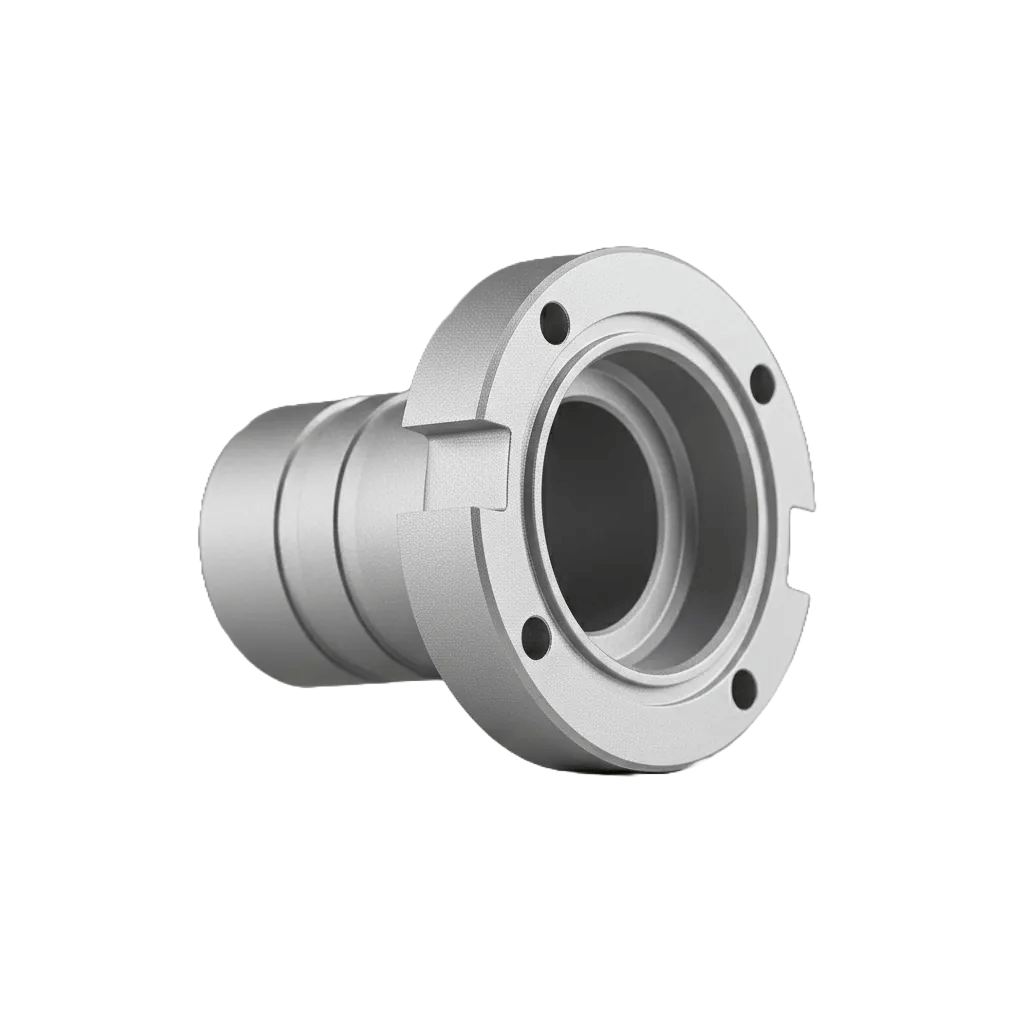
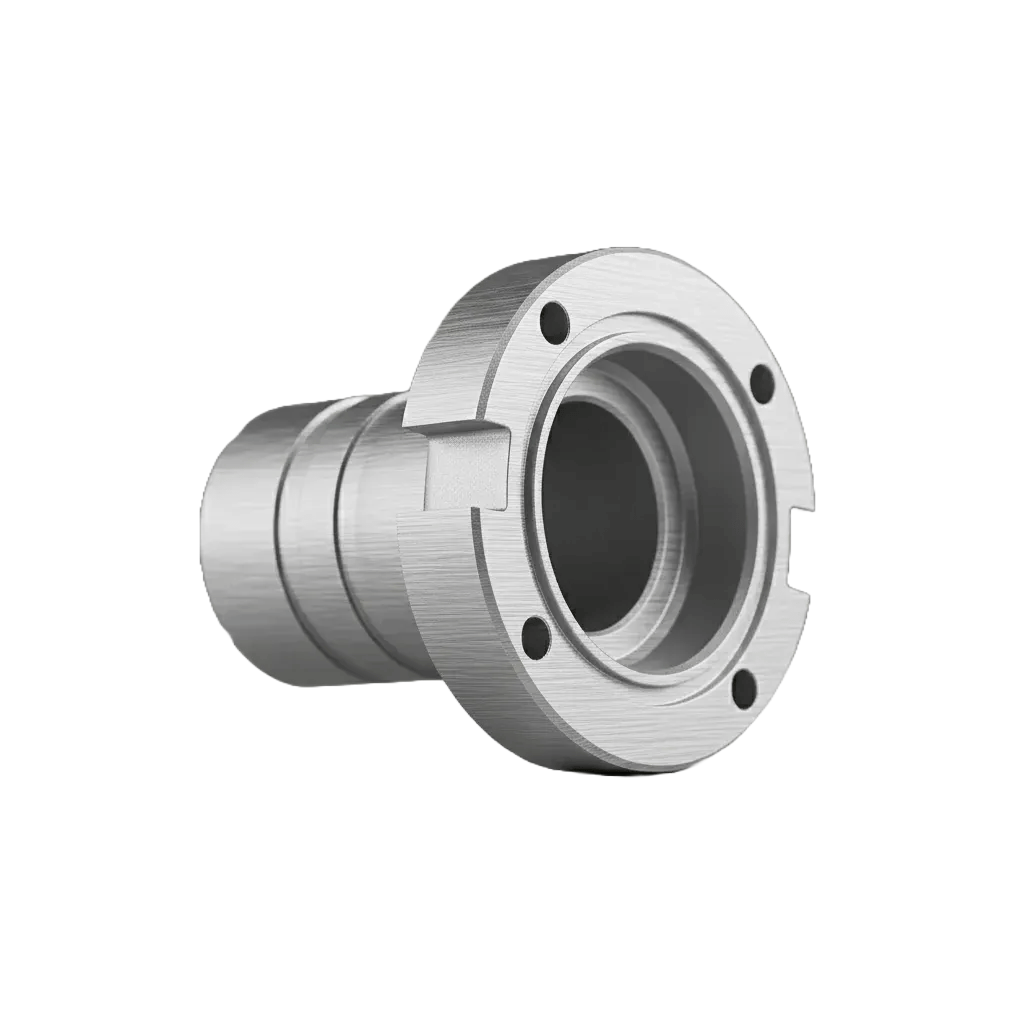
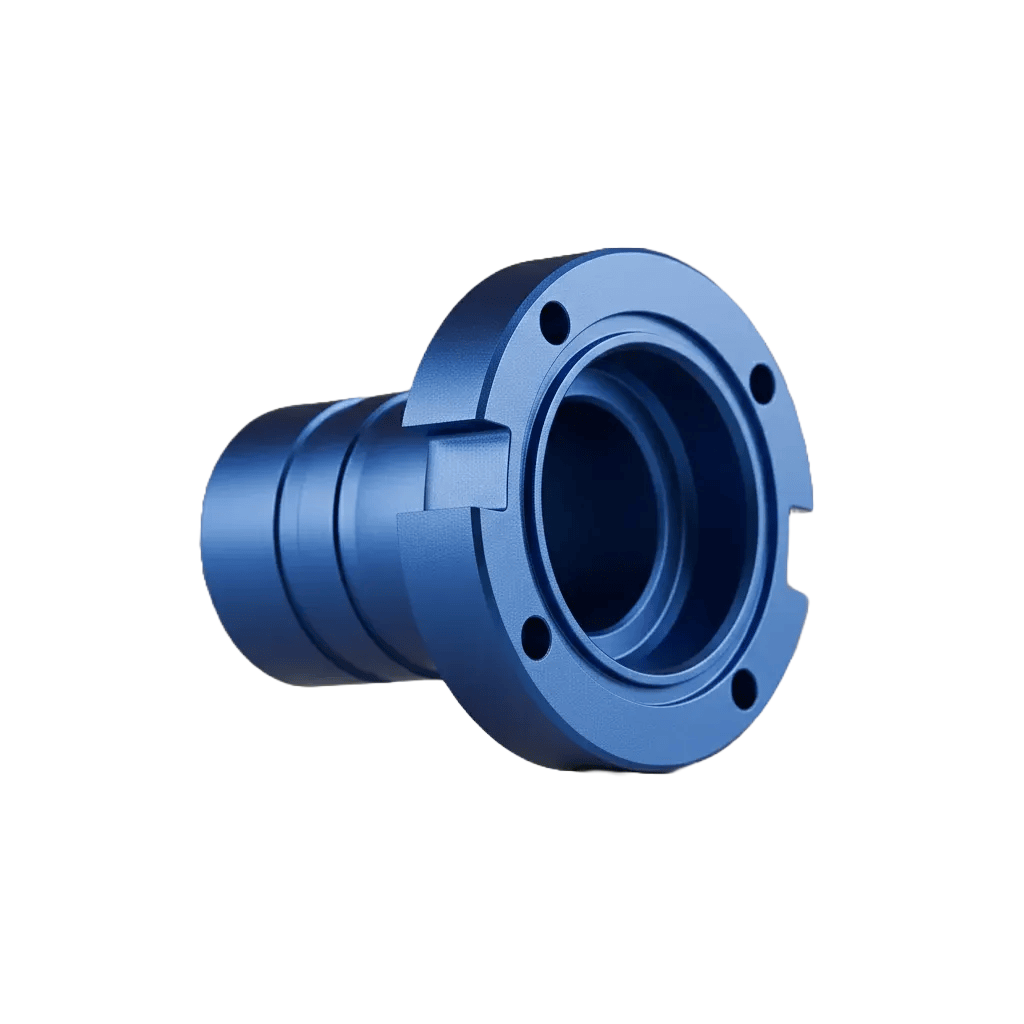
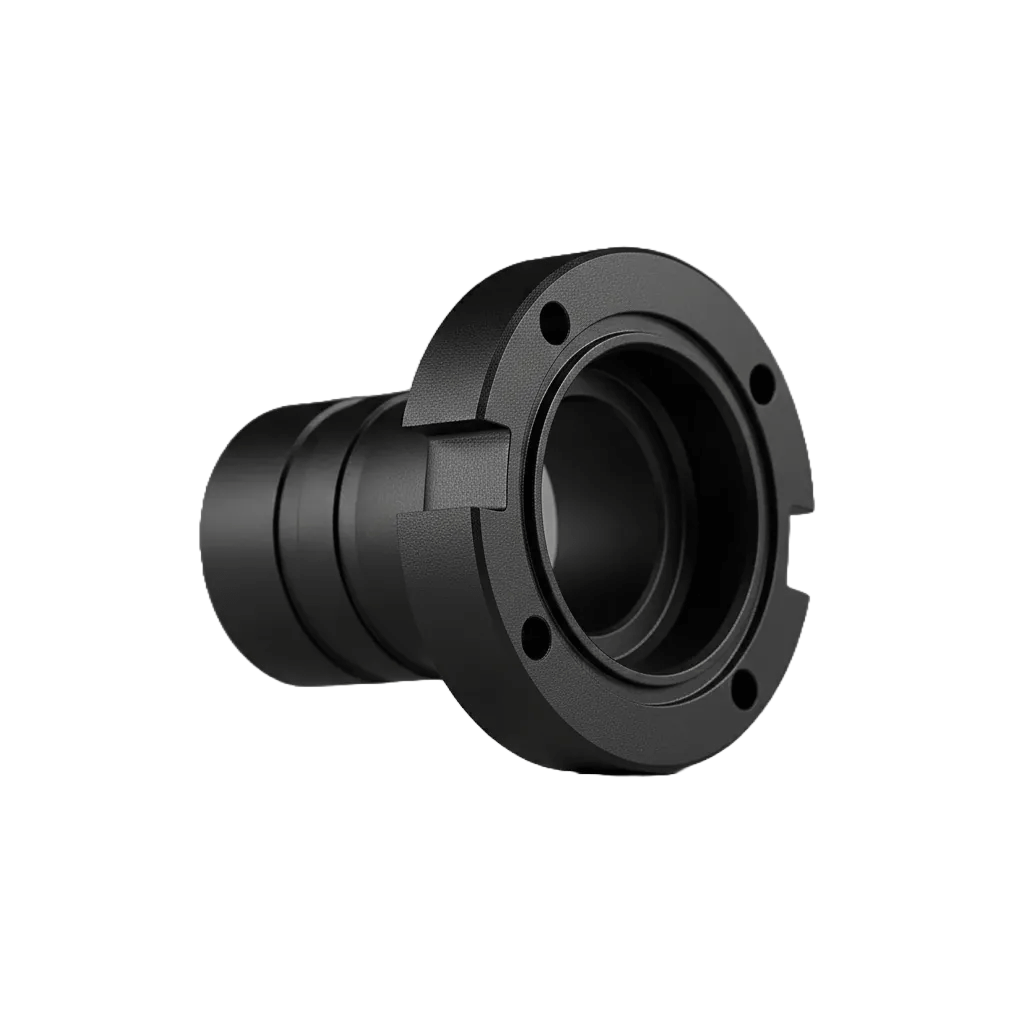
当社の高度なCNCフライス加工ソリューションで、お客様のデザインの可能性を最大限に引き出しましょう。XY Machiningでは、比類のない精度で複雑な部品を製造しています。.
製造業全般にわたるトレンド、洞察、ベストプラクティスを探ってみましょう。.
製造プロセスに関する貴重な知見を得ることができます。.
各企業が当社の製造サービスを活用して、課題を解決し、開発を加速させた事例をご覧ください。.
プロジェクトの要件に合わせて、さまざまな金属、プラスチック、発泡材をご覧ください。.
当社のチーム、技術力、そして精密製造への取り組みについてご覧ください。.
製造性の向上、コスト削減、製品性能の向上に役立つ実践的なヒントを学びましょう。.
各企業がMXYの加工サービスを活用して、課題を解決し、開発を加速させた事例をご覧ください。.
現代の製造業を形作る最新技術に関する最新情報を入手しましょう。.
外観と機能性を高めるための表面仕上げの選択肢を検討してください。.
加工公差と、それが部品の嵌合、精度、およびコストにどのような影響を与えるかを理解する。.
MXY Machiningの厳格な品質管理プロセスにより、部品の品質と一貫性を確保します。.
ホーム - 射出成形
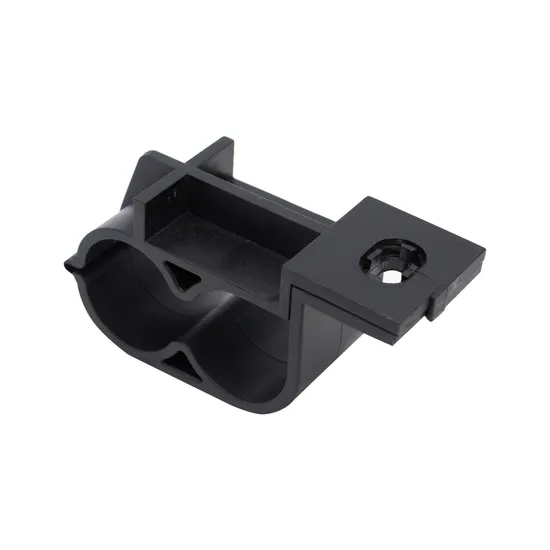
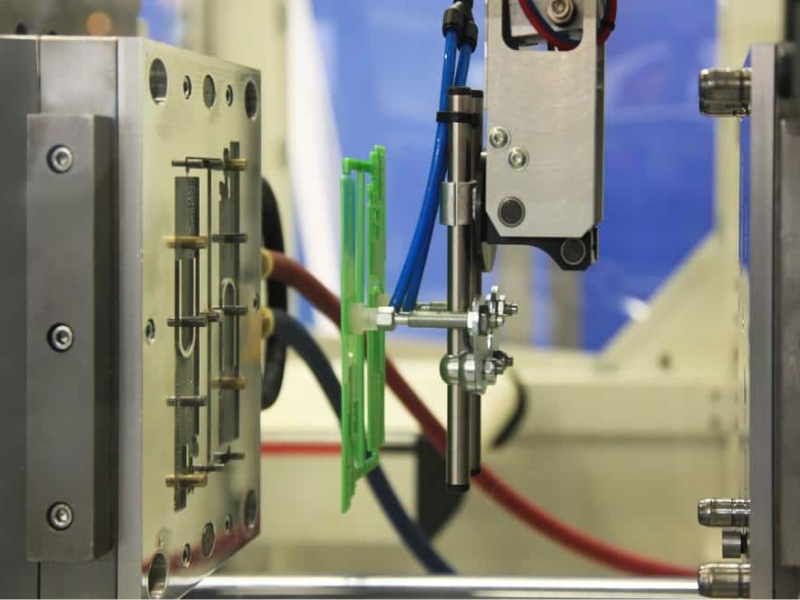
当社のプラスチック射出成形サービスは、試作から量産に至るまで、高精度で再現性の高い部品を提供します。. XY加工 50種類以上の熱可塑性樹脂を用いたプラスチックおよびLSR成形を手掛けており、自社内の金型製作、技術レビュー、厳格な品質管理体制により、すべての部品がお客様の仕様とコスト目標を満たすよう保証しています。CADファイルを安全にアップロードしていただくと、DFMに関するフィードバック付きで迅速に見積もりを提示いたします。.
射出成形とは、溶融したプラスチックを精密に設計された金型に射出し、部品を成形する製造プロセスです。このプロセスは、中~大量生産において、一貫性のある高品質な部品を製造するのに優れており、金型の設計、材料の選定、および加工パラメータが相まって、耐久性、精度、再現性を確保します。.
このプロセスは、厳しい公差、優れた表面仕上げ、そして大量生産においても安定した性能が求められる複雑なプラスチック部品に最適であり、生産量が増えるにつれて1個あたりのコストが低下します。.
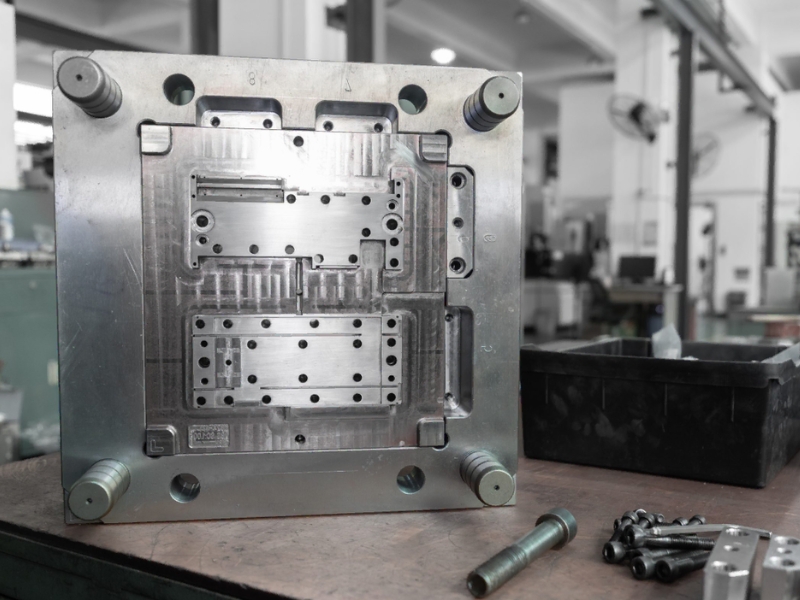
耐久性、再現性、および生産サイクル全体にわたる安定した性能を実現するために設計された、精密アルミニウム製および焼入れ鋼製の金型です。アルミニウム製の金型は、短納期・小ロットの生産に適しており、一方、焼入れ鋼製の金型は大量生産に適しています。.
オーバーモールドとは、複数の材料を1つの部品に組み合わせる成形手法であり、基材の上に別の材料を成形することで、グリップ性、密閉性、強度、および製品の機能性を向上させます。.
インサート成形は、プラスチック部品に金属やその他の部品を組み込む技術であり、金属とプラスチックの強固な接合を実現すると同時に、組立工程とコストを削減します。.
当社は、最先端のエンジニアリング、精密金型、デジタル製造技術を融合させ、信頼性の高いオーダーメイドの射出成形を提供しています。当社のチームは、金型設計や材料選定から流動解析、最適化に至るまでの全工程をサポートし、一貫した部品品質と生産コストの低減を実現します。.
精度と耐久性を重視し、厳しい公差と滑らかな表面仕上げを維持しながら、繰り返しサイクルに耐える金型を製造しています。効率化されたデジタルワークフローにより、CADファイルをアップロードするだけで迅速かつ正確な見積もりを取得でき、ISOに準拠した品質管理システムにより、成形されたすべての部品を検査しています。 各工程で嵌合性、表面仕上げ、性能を厳格に管理し、少量生産から大量生産に至るまで、信頼性の高い成果をお届けします。.
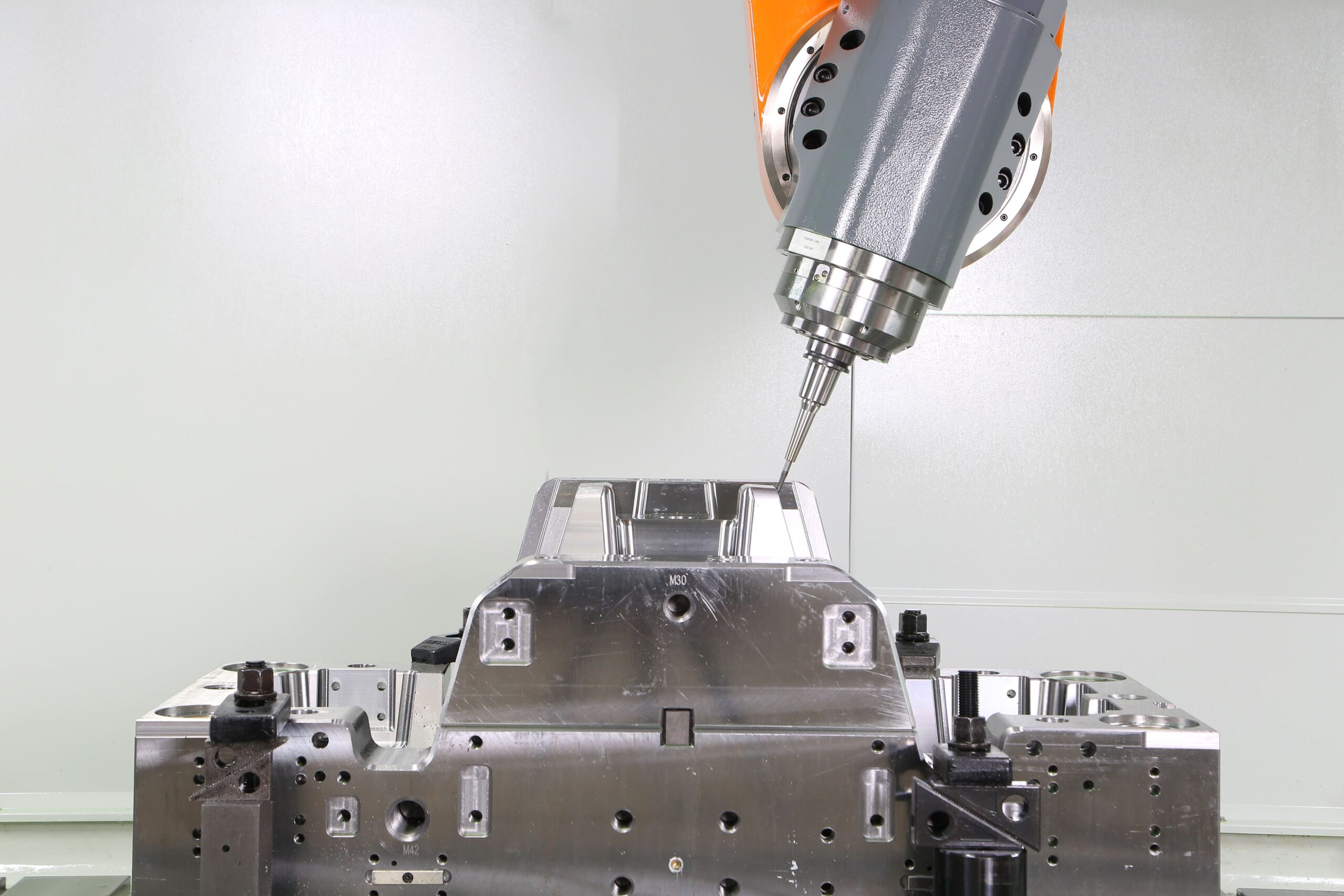
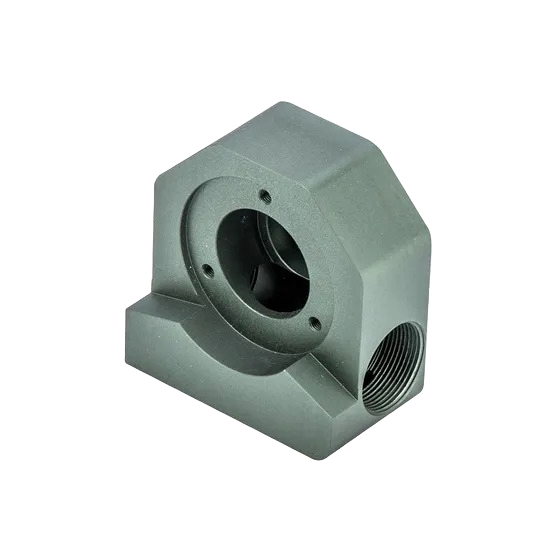
金型、治具、および複雑な機械加工部品向けの精密多軸加工。.
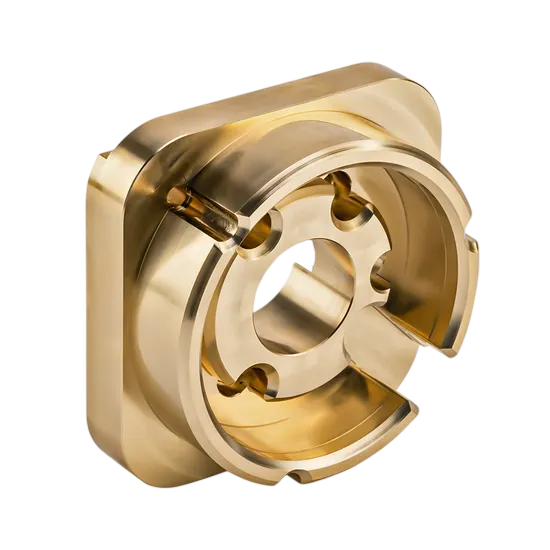
円筒形および丸形の部品に対し、寸法精度が高く、滑らかな表面仕上げを実現する高精度旋盤加工。.
射出成形は、開発プロセス全体の一環として最も効果を発揮します。成形に加え、当社では自社内の機械加工および仕上げ加工を通じて、お客様のプロジェクトをサポートいたします:
外観が重要ではない機能部品の標準仕上げ。.
均一なマットな質感で、些細な肌トラブルを目立たなくし、見た目を美しく整えます。.
金属やプラスチック部品の見た目を引き立てる、繊細な平行線。.
耐食性を備え、カラーバリエーションも豊富な保護コーティング。.
最高の耐摩耗性が求められる部品向けの厚い保護層。.
保護コーティングを施しながら、導電性を維持します。.
光学部品や透明部品などのプラスチック表面において、高い透明度を実現します。.
高級部品や装飾部品向けの、滑らかで光沢の高い仕上げ。.
仕様
詳細
部品の最大サイズ
素材や金型の設計により、最大1300 × 900 × 500 mm
最小部品サイズ
わずか6 × 6 × 6 mm
部品間の再現性
±0.08 mm:安定した生産品質を確保するため
金型のキャビティ
シングルキャビティ、マルチキャビティ、およびファミリー金型に対応
金型材料
ラピッドツーリングにはアルミニウム、量産には焼入れ鋼
キャビティの公差
機能的な特徴において±0.015 mm
二次加工
表面仕上げ、ラベル貼り、タップ加工、超音波溶接
アンダーカットの処理
スライド、リフター、折りたたみ式コアに対応
肉厚の範囲
0.6 mm ~ 4.5 mm(材質により異なる)
ドラフト角
表面仕上げに応じて、1°~3°を推奨します
リブとガセット
厚さ範囲:0.6~2.5 mm
ボスデザイン
直径範囲:3 mm~12 mm
一般的なリードタイム
金型の製作は15~25営業日以内に完了します
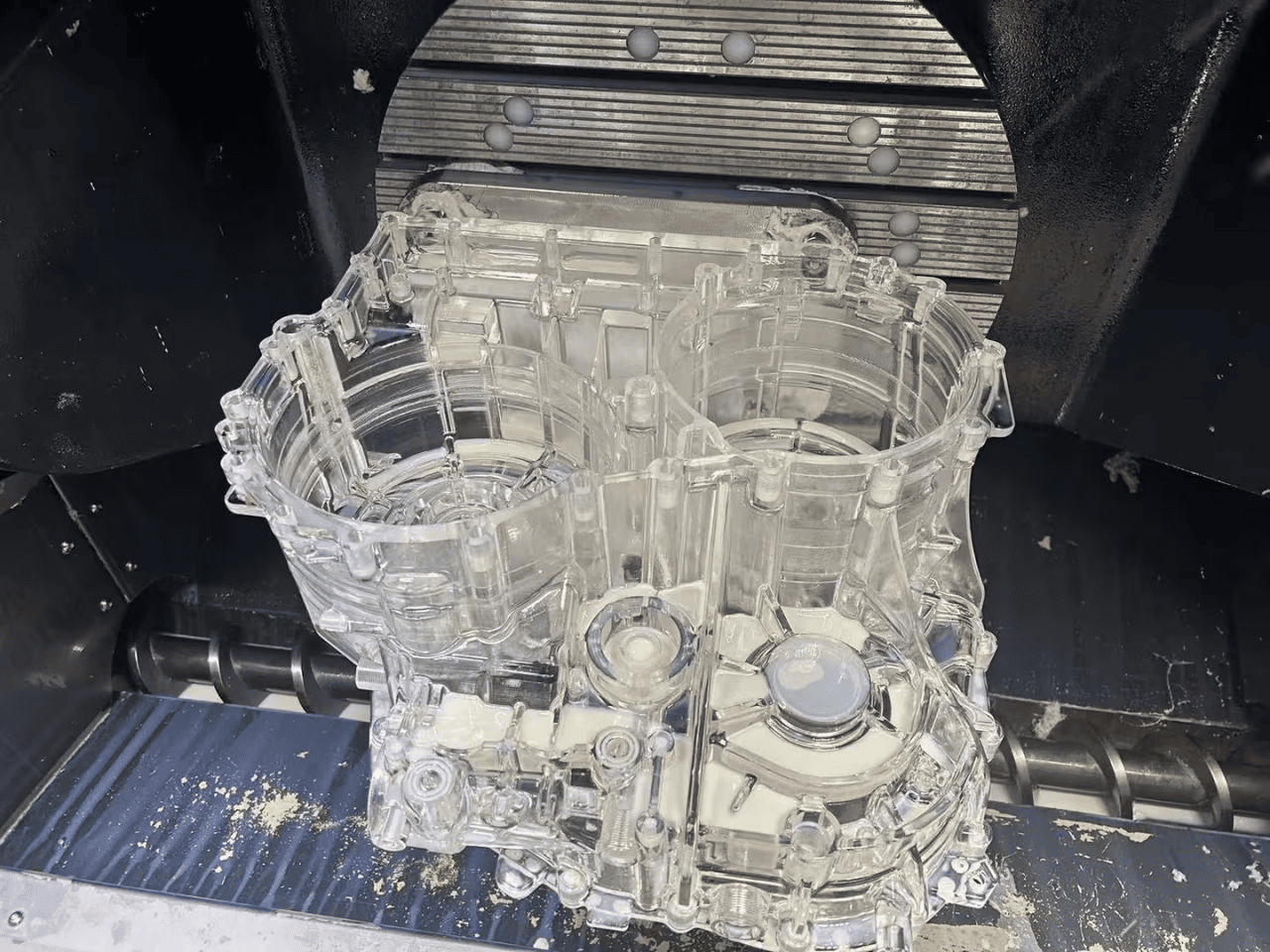
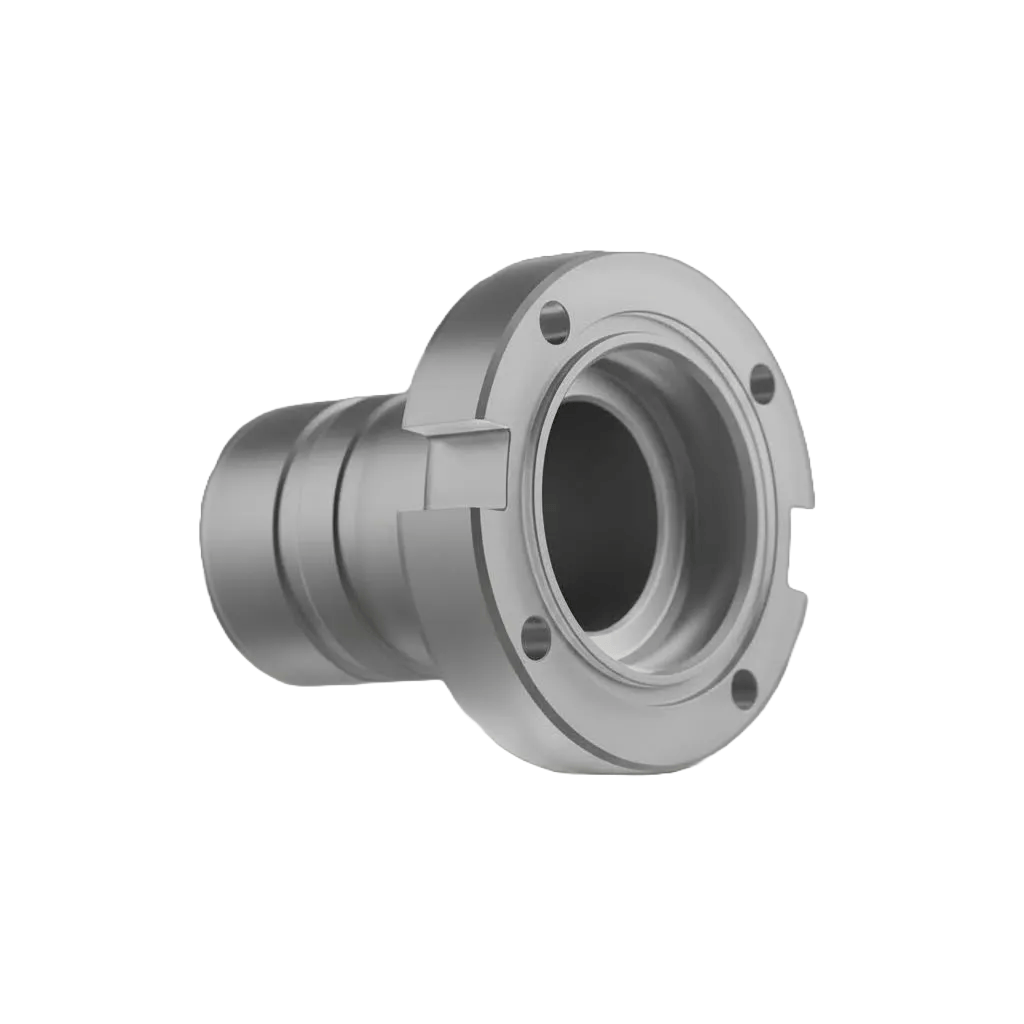
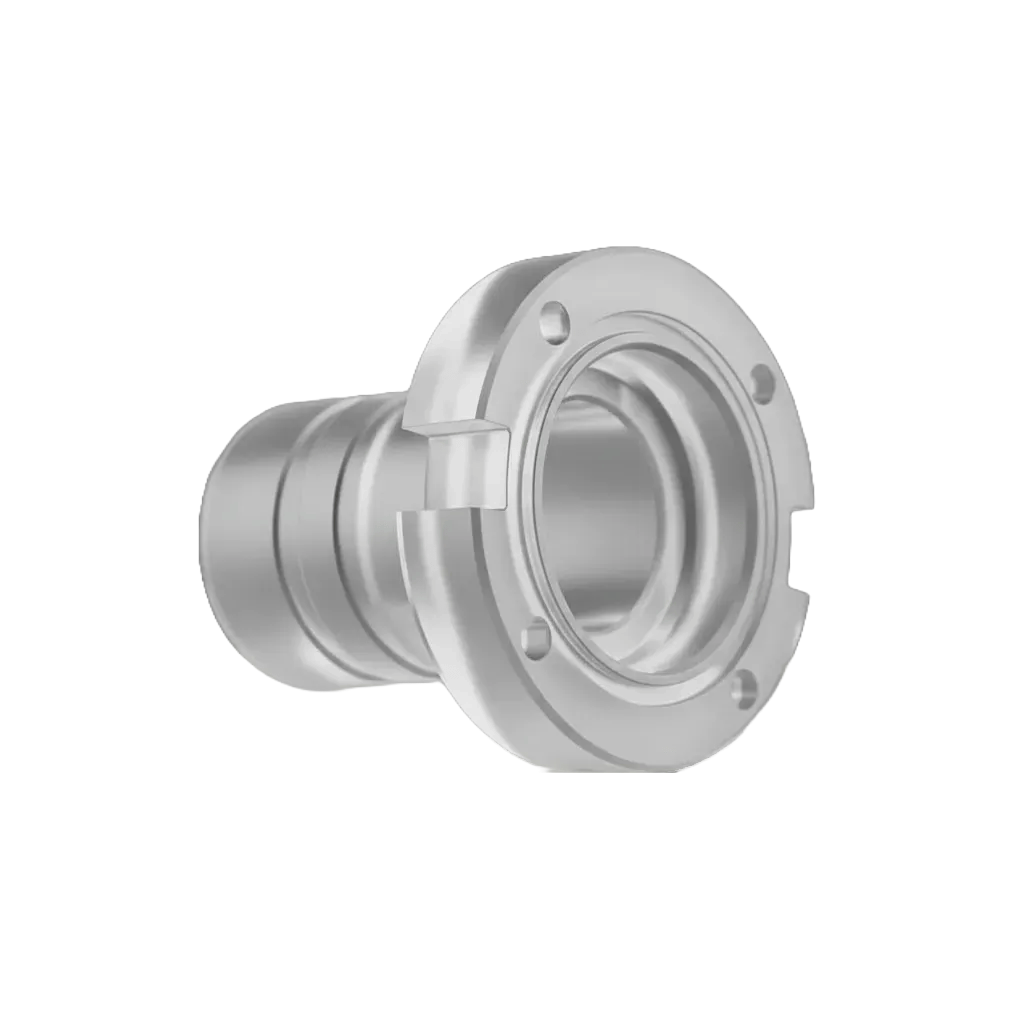
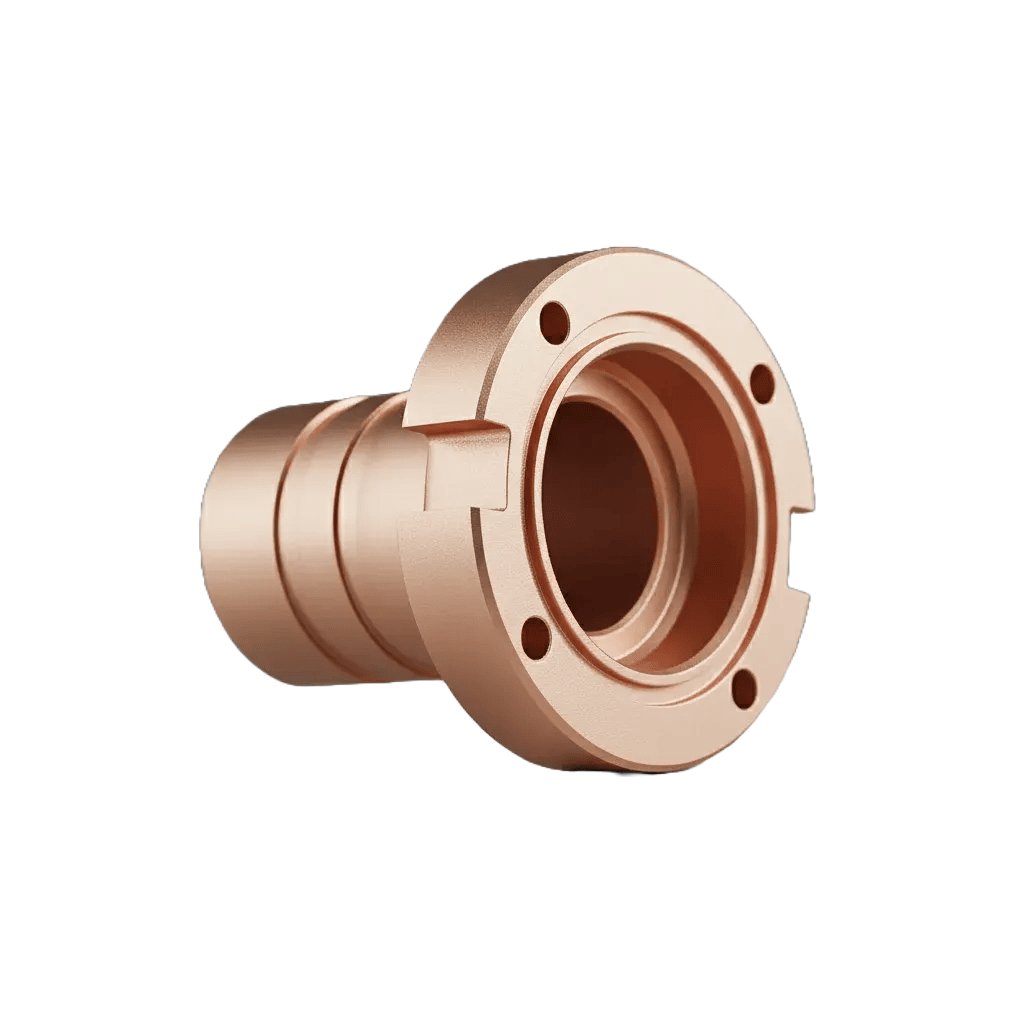
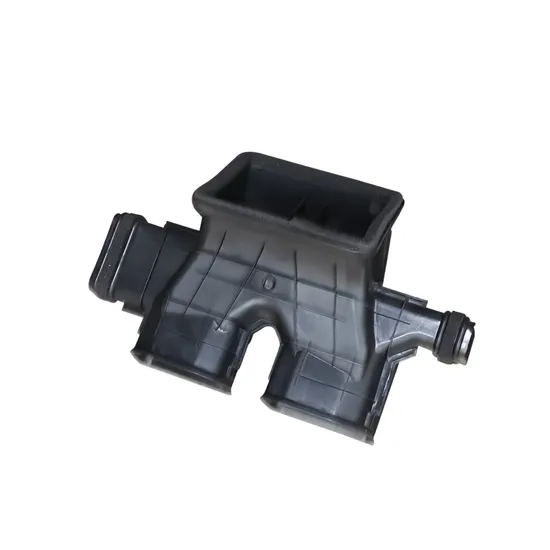
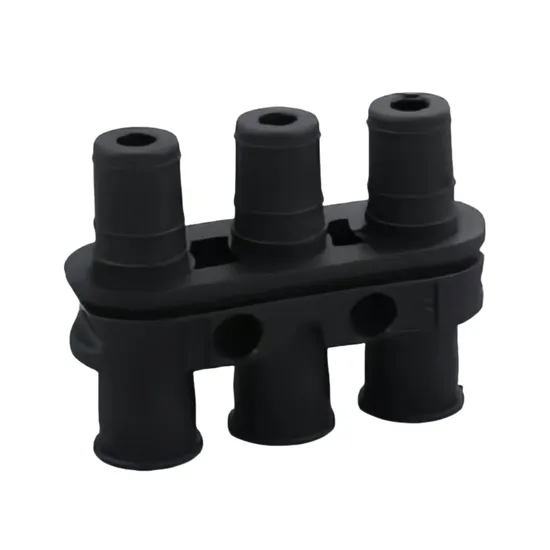
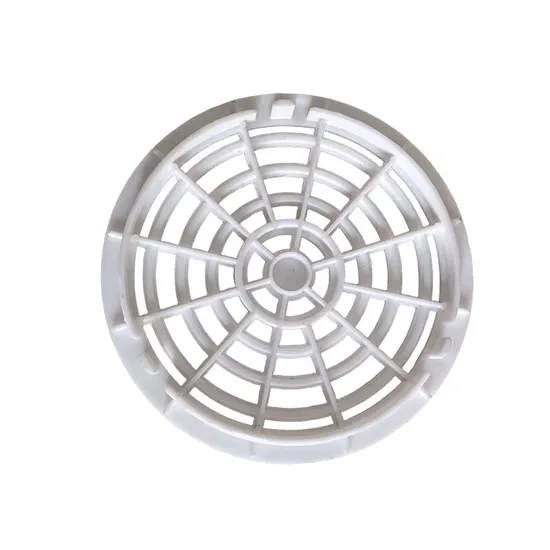
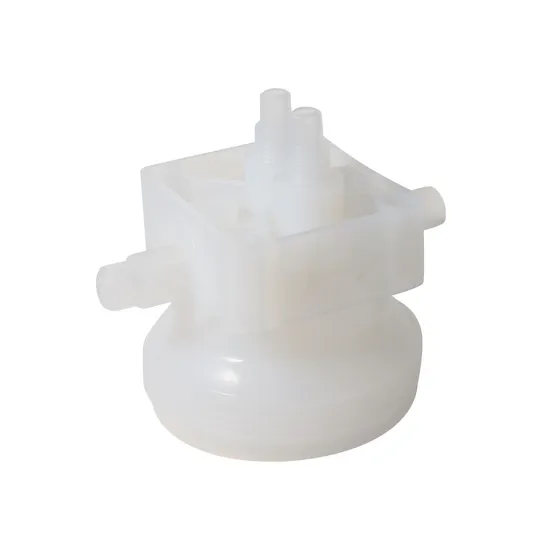
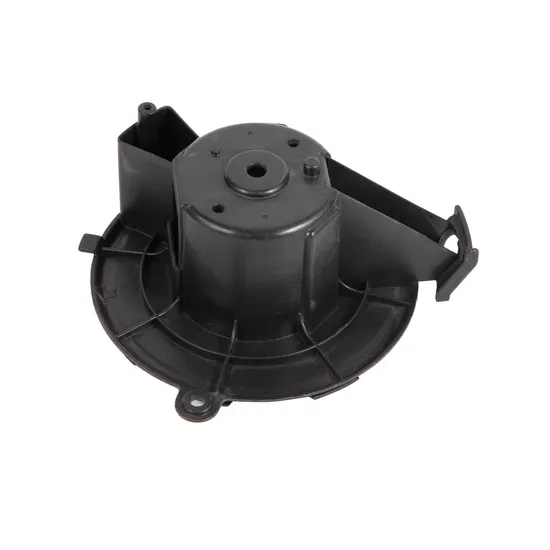
当社の製品ラインナップには、薄肉筐体から多材料部品に至るまで、さまざまな素材や業界にわたる成形部品が含まれています。 オーバーモールド加工された 部品。各プロジェクトは、ISO規格に準拠した品質、寸法の一貫性、そしてきれいな成形仕上げに対する当社の取り組みを体現しています。.
ラピッドツーリング アイデアから実用的な部品へと、より迅速に形にすることができます。当社の先進的な CNC加工 当社のサービスでは、設計の検証、適合性や機能性の確認、そして製品の市場投入を迅速化するために必要な精度を備えた金型や治具を製作しています。これは、競合他社に差をつけることが不可欠であり、精度が最も重要となるプロトタイプ、少量生産、および開発初期段階に最適です。.
当社の生産用金型は、長期的な耐久性を最優先に設計されています。最高級の素材と精密なCNC加工を駆使し、精度を損なうことなく本格的な量産が可能な金型を製造しています。同一部品を数千個必要とする場合や、ロット生産の場合でも、一貫性のある信頼性の高い金型と安定した生産サイクルをご提供いたします。.
当社は、以下のことを保証いたします。 CNC加工部品 納期通りに納品され、そのプロセスは以下の3つの簡単なステップで完全に透明性のあるものとなっています:
STEP、IGES、またはその他の標準フォーマットでデータをご提出いただければ、見積もりに加え、DFMおよびモールドフローに関するフィードバックをご提供し、部品と金型の最適化を図ります。.
アルミニウムまたはスチール製の金型を加工し、承認を得るためにT1サンプルを作成した後、量産成形に移行します。.
部品は寸法検査に合格し、安全に発送されます。検査書類はご要望に応じてご提供いたします。.
射出成形のコストは、2つの部分に分かれます。1回限りの金型(モールド)費用と、サイクルごとに繰り返される部品あたりの低コストです。金型は初期費用として大きな割合を占め、単純なアルミニウム製の金型で約1,000ドルから、多キャビティの鋼製金型では数万ドルにまで及ぶ場合があります。 金型費用は製造するすべての部品に分散されるため、生産量が増えるにつれて1個あたりの単価は大幅に低下します。これが、大量生産において成形加工が機械加工よりも優位となる理由です。CADデータ、目標生産数量、および材料をお送りいただければ、金型費用、1個あたりの単価、納期を明記した詳細な見積書をお送りいたします。.
これは、生産数量や金型の耐用年数によって異なります。アルミニウム製の金型は安価で加工も迅速であるため、小ロットの射出成形サービス、ブリッジ生産、設計検証(通常は数千個程度まで)に最適です。 焼入れ鋼製の金型は初期費用は高くなりますが、数十万から数百万回の射出に耐えるため、大量生産においては1個あたりのコスト面で優位性があります。当社は、ラピッドツーリング用のアルミニウム金型と量産用の焼入れ鋼製金型の両方をサポートしており、DFMの段階でお客様の生産数量に適した金型をご提案いたします。.
単キャビティ金型は1サイクルにつき1個の部品を成形し、初期投資が最も少ないため、試作や少量生産に適しています。多キャビティ金型は1サイクルにつき複数の同一部品を成形します。製造コストは高くなりますが、部品あたりのコストを大幅に削減できるため、通常、生産数が約10,000個を超えると採算が取れます。 ファミリー金型は、1サイクルで複数の異なる部品を成形でき、セット品や組立部品に便利です。当社は単キャビティ金型、マルチキャビティ金型、ファミリー金型に対応しており、お客様の年間生産量に合わせてキャビティ数を設定することで、金型投資と回収が見合うようにします。.
厳格な最低数量の制限はありませんが、金型は固定費であるため、ごく少量の生産では1個あたりの単価が高くなります。部品が数個程度の場合は、金型を作成するよりも、CNC加工や3Dプリントの方が安くなる場合が多いです。数百個から数千個の繰り返し生産が必要になると、成形が有利になり始め、生産量が増えれば増えるほど成形のコストパフォーマンスが際立ちます。 迷っている場合は、製造数量をお知らせください。お客様の段階において、金型、ブリッジツール、あるいは機械加工のどれが最も低コストな方法であるかを正直にお伝えします。.
コスト削減の大部分は、交渉ではなく部品設計によってもたらされます。肉厚を均一にすることで反りを防ぎ、冷却時間を短縮できます。厚い部分を中空化することで材料の使用量を減らし、サイクルタイムを短縮できます。十分な抜き勾配を確保し、アンダーカットを減らすことで金型を簡素化でき、不要な外観仕上げを省くことで金型製作の労力を軽減できます。用途上問題がなければ、高性能樹脂ではなく汎用樹脂を選択することも有効です。 当社のDFMフィードバックでは、お客様の特定の部品においてこうした改善の機会を指摘します。金型製作前に設計変更を行うことは、製作後の変更よりもはるかにコストを抑えることができます。.
どちらも材料を組み合わせる点では共通していますが、金型に何を入れるかという点で異なります。オーバーモールドは、既存のプラスチックや金属の基材の上に別の材料を成形するもので、一般的には硬質のハンドルの上にソフトグリップを成形し、快適性、密着性、または強度を向上させます。 インサート成形では、あらかじめ製造された部品(多くの場合、金属製のネジ付きインサートや端子など)を金型内に配置し、その周囲にプラスチックを成形することで、金属とプラスチックの強固な接合部を形成し、組立工程を削減します。当社は両方の成形方法を提供しており、DFM(製造適性設計)の過程において、お客様の部品に適した成形方法や、接合部・保持部の設計方法についてアドバイスいたします。.
LSR成形では、2液型の液体シリコーンを射出成形し、硬質の熱可塑性樹脂とは異なり、柔軟性、耐熱性、生体適合性を備えたゴム部品に硬化させます。これは、柔軟性、耐薬品性、および広い温度範囲が求められるシール、ガスケット、バルブ、ウェアラブル機器、医療用・ベビーケア用部品に最適な選択肢です。 当社のゴム射出成形サービスは、標準的な熱可塑性樹脂成形に加え、LSRも取り扱っておりますので、機能に応じて最適な材料をご提案できます。部品の屈曲、シール、耐熱性が求められる場合、通常はLSRが最適であり、お客様のCADデータに基づいてお見積もりいたします。.
成形不良の多くは、肉厚のムラや冷却の不均一に起因しています。肉厚の厚い部分は冷却が遅く、内側に引っ張られることでヒケが発生し、部品全体の収縮にムラがあると反りが生じます。 当社は、肉厚を均一に保ち、厚い部分を中空化(コアリング)し、適切なゲート配置を行い、冷却を制御することでこれらの欠陥を防止しています。また、金型製作前にモールドフロー解析を用いて充填や収縮を予測します。リブやボスについては、ウェットマークが発生しないよう適切なサイズに設計します。DFMの段階でこれらの問題を発見しておくことは、金型の修正を行うよりもはるかにコストが抑えられるため、当社は事前にお客様の部品について欠陥リスクのレビューを行います。.
ほとんどの熱可塑性樹脂については、肉厚を0.6 mmから4.5 mmの範囲に保ち、できるだけ均一にすることをお勧めします。これは、薄く均一な肉厚の方が冷却が均一に行われ、金型からきれいに成形品が取り出せるためです。引き抜き方向に垂直な肉壁には、約1度から3度程度の抜き勾配を設けることで、引きずり跡や損傷を残さずに成形品を金型から取り出すことができます。 リブやガセットの厚さは0.6~2.5 mm程度、ボスの直径は3~12 mm程度が最適です。モデルをお送りいただければ、当社のDFMレビューにより、金型製作前に調整が必要な肉厚、抜き勾配、リブなどを指摘いたします。.
はい。ブリッジ金型は、本格的な鋼製金型の製作中に、高速かつ低コストのアルミニウム金型を使用して実際の成形部品を製造するものです。これにより、ハード金型が完成するまで数週間待つことなく、製品の発売や市場テストを実施することができます。 また、高価な量産金型を決定する前に、適合性や機能性を検証するのにも最適です。当社はアルミニウム製金型の加工を自社で行っているため、設計承認から最初の成形部品までのプロセスを迅速に進めることができます。お客様のスケジュールと生産数量をお知らせいただければ、その両方に合わせた金型製作の工程を提案いたします。.