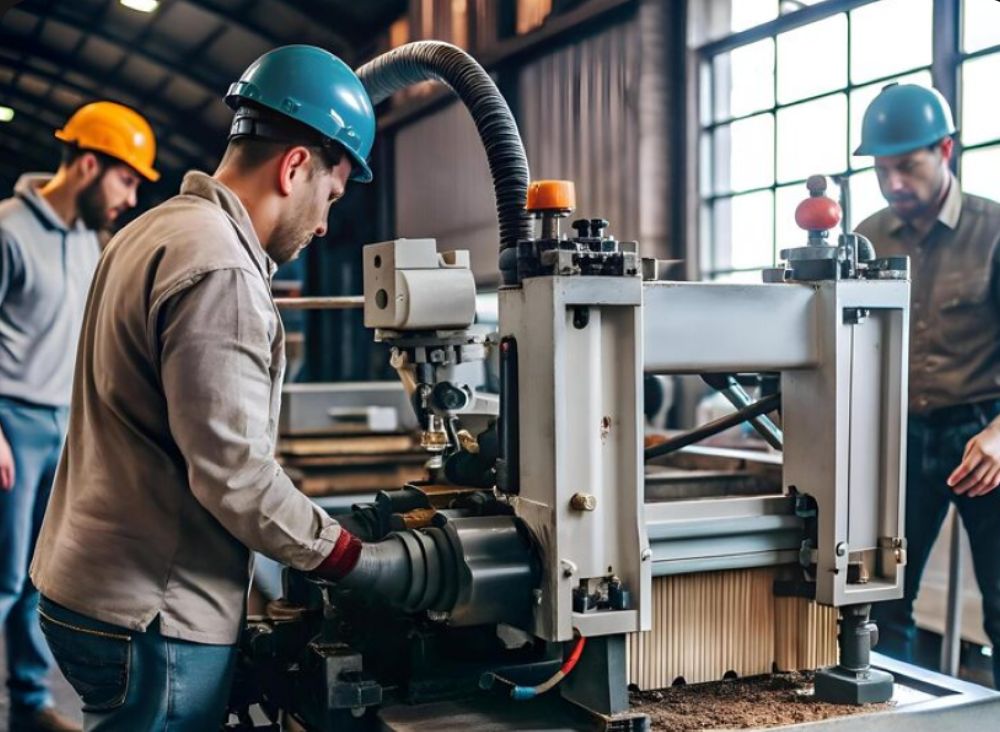
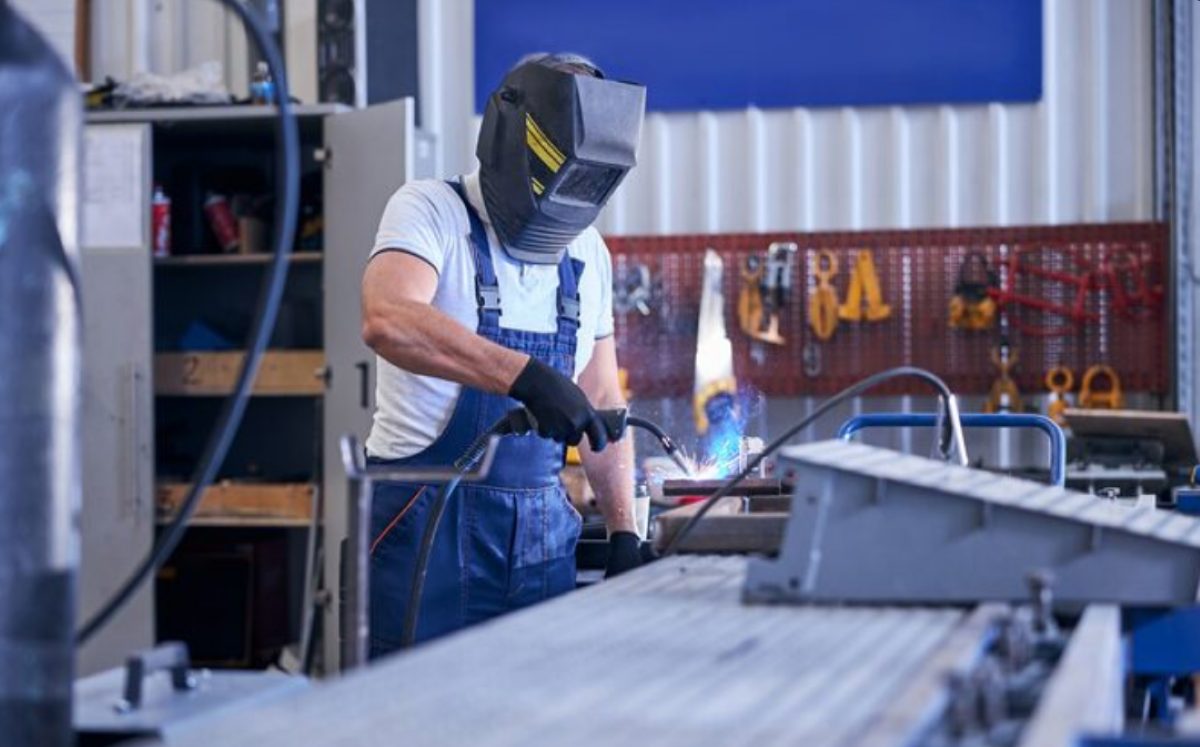
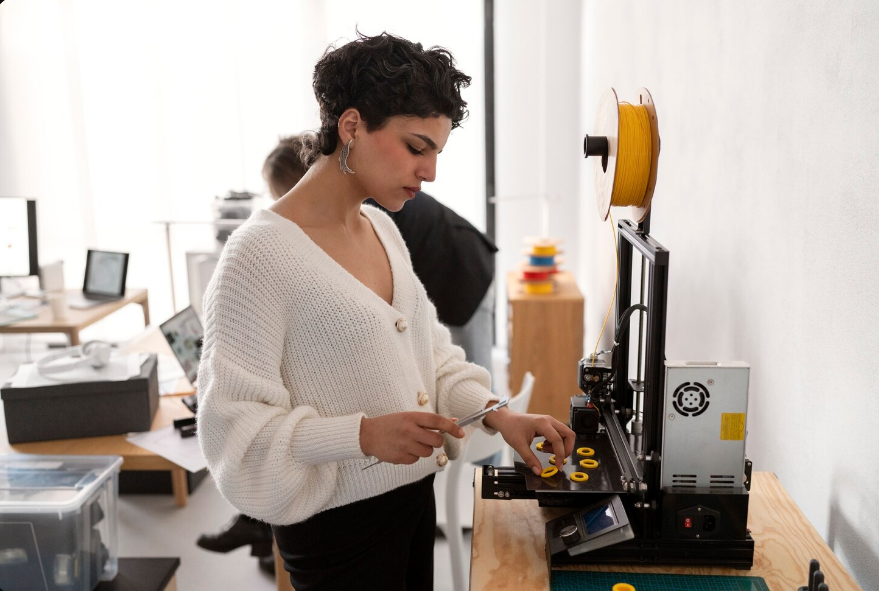
当社の高度なCNCフライス加工ソリューションで、お客様のデザインの可能性を最大限に引き出しましょう。XY Machiningでは、比類のない精度で複雑な部品を製造しています。.
製造業全般にわたるトレンド、洞察、ベストプラクティスを探ってみましょう。.
製造プロセスに関する貴重な知見を得ることができます。.
各企業が当社の製造サービスを活用して、課題を解決し、開発を加速させた事例をご覧ください。.
プロジェクトの要件に合わせて、さまざまな金属、プラスチック、発泡材をご覧ください。.
当社のチーム、技術力、そして精密製造への取り組みについてご覧ください。.
製造性の向上、コスト削減、製品性能の向上に役立つ実践的なヒントを学びましょう。.
各企業がMXYの加工サービスを活用して、課題を解決し、開発を加速させた事例をご覧ください。.
現代の製造業を形作る最新技術に関する最新情報を入手しましょう。.
外観と機能性を高めるための表面仕上げの選択肢を検討してください。.
加工公差と、それが部品の嵌合、精度、およびコストにどのような影響を与えるかを理解する。.
MXY Machiningの厳格な品質管理プロセスにより、部品の品質と一貫性を確保します。.
ホーム - 射出成形 - 金型製作
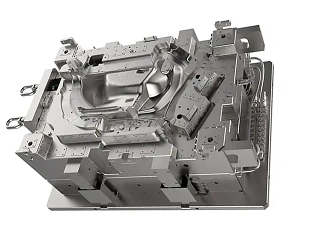
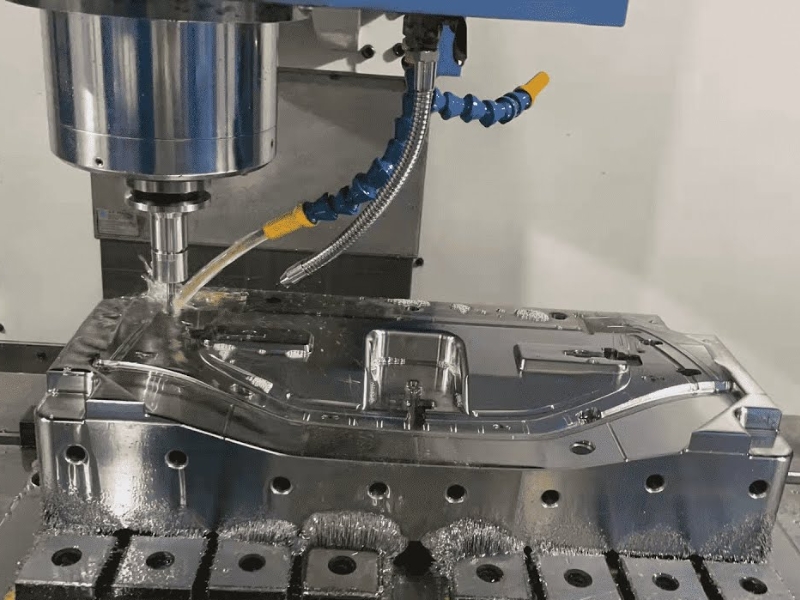
再現性のある部品品質、生産量に適した鋼材、そして明確なリードタイムを求めるエンジニア向けに設計された、カスタム金型製造サービスから、量産対応の射出成形金型を入手しましょう。XY Machiningでは、アルミニウムおよび焼入れ工具鋼を用いた単キャビティ、マルチキャビティ、スタック、2K金型の設計・製造を行っており、社内の CNC加工, 、EDM、および寸法検査。CADファイルをアップロードすれば、金型製作が始まる前にDFMやモールドフローに関するフィードバックを得ることができ、生産量に見合わない過剰な仕様ではなく、生産量に最適な金型を手に入れることができます。.
カスタム金型製作とは、特定のプラスチック部品を繰り返し生産するための射出成形金型を設計・加工するプロセスです。金型は、生産量、部品の複雑さ、および求められる金型寿命に応じて、アルミニウムまたは焼入れ工具鋼から切削され、その後、仕上げ加工、組み付け、試作を経て、量産に供されます。 射出成形金型の製作では、CAD設計、モールドフロー解析、精密CNC加工、細部の仕上げに用いる放電加工(EDM)、そして手作業による調整を組み合わせ、成形ごとに寸法精度を維持できる金型を完成させます。.
で XY加工 当社は金型設計、DFMレビュー、機械加工、組立、T1試作をすべて社内で一貫して行っているため、量産に投入される金型は、その目的のために設計された金型そのものです。.
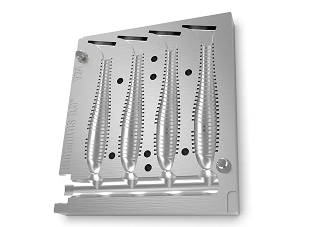
最も低コストで導入でき、製造も最も迅速です。単キャビティ金型は、試作金型、ブリッジ生産、および非常に大型の部品に適しており、初期投資を低く抑えつつ、厳しい公差を維持することができます。.
1回の射出成形サイクルで、同一の部品を複数個生産します。多キャビティ金型は初期コストは高くなりますが、1個あたりの単価は低くなるため、年間生産量が数万個に達すれば採算が取れます。.
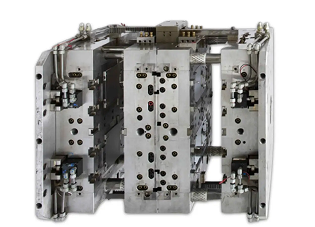
複数の分割面にキャビティを追加した高生産性構成により、より大型のプレス機へ切り替えることなく生産量を向上させます。サイクル効率がコストを左右する、継続的な大量生産に最適です。.
1回のサイクルで2種類の素材や色を成形し、硬質本体にソフトグリップを接着したり、硬質プラスチックと柔軟なプラスチックを組み合わせたりすることができます。ハンドル、シール、ボタン、および通常であれば二次接着が必要となる多材料アセンブリに最適です。.
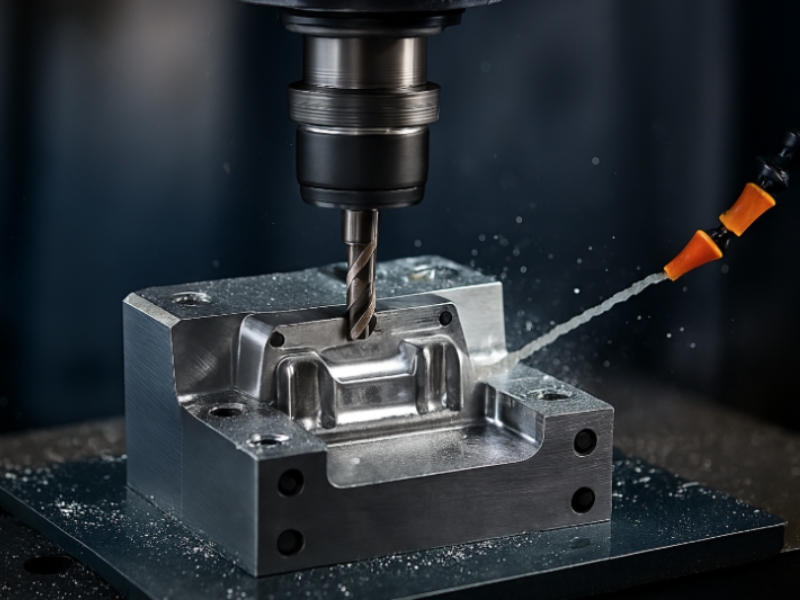
精密金型 製造の品質は、設計だけでなく、金型製作の背景にある加工や検査にも左右されます。当社のチームは、最先端のCNCマシニングセンターと放電加工(EDM)、高精度測定を組み合わせ、ISOに準拠した品質管理体制を徹底することで、すべての金型が図面通りの仕様に合致するよう努めています。.
金型設計の最適化やDFMレビューから、最終的な金型検証やT1サンプル作成に至るまで、当社は耐久性、再現性、安定したサイクルタイムを重視して製造を行います。パイロット生産向けの迅速なアルミニウム製金型であれ、量産向けの焼入れ鋼製金型であれ、切削加工開始前にDFM上のトレードオフを明確に提示した上で、スケジュール通りに金型をお届けします。.
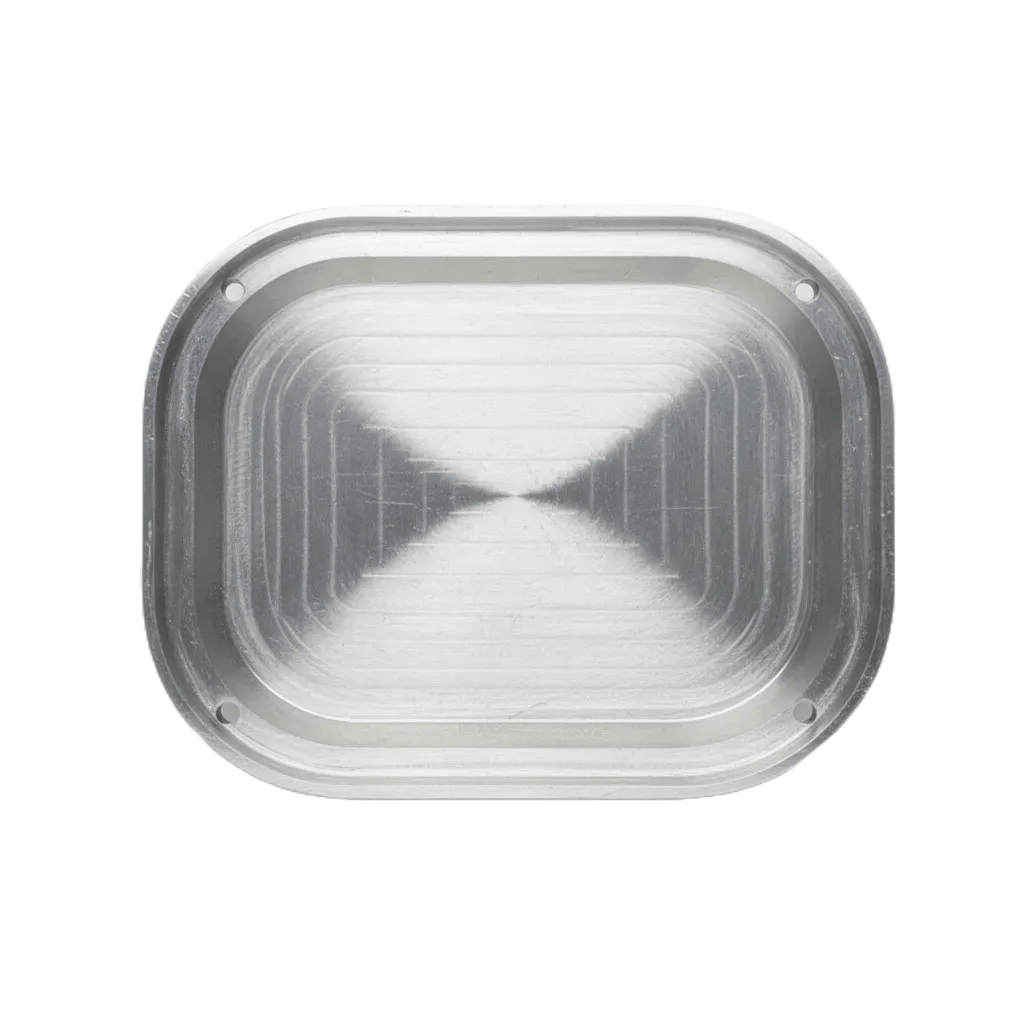
加工面をそのまま残し、工具の軌跡が視認できるため、外観を重視しない機能的な金型部品に適しています。.
微細な加工痕を取り除き、表面の見た目を均一にする、均一なマットな質感を作り出します。.
目に見える部品に、きめ細やかで方向性のある線を形成し、制御された均一な質感を実現します。.
アルミニウム製の金型やインサートに塗布し、耐食性と表面硬度を高める。.
部品に必要なSPI仕上げに合わせて、外観用または光学用部品の表面を高光沢になるまで多段階研磨します。.
SPI金型クラスは、金型が生産しなければならない部品数に直接関係するため、金型選定において最も重要な決定事項です。最初から適切なクラスを選定しておくことで、プロトタイプ用のアルミニウム金型で事足りるにもかかわらず、100万サイクル対応の鋼製金型に無駄な費用をかけることを回避できます。 以下の各クラスはいずれも、精度が±0.02 mmを維持しています。異なるのは、金型の寿命、材質、コスト、およびリードタイムです。.
クラス
目的
カビの寿命
寛容
費用
リードタイム
105組
プロトタイプの試験
500サイクル未満
± 0.02 mm
$
7~10日
104組
少量生産
10万サイクル未満
$$
10~15日
103組
中規模生産
50万サイクル未満
$$$
102組
中~高ボリューム
1,000,000サイクル未満
$$$$
10~18日
クラス101
大量生産
1,000,000回以上
$$$$$
15~20日
DFMの過程では、お客様の目標生産数量や部品の材質に基づいて最適なクラスをご提案いたします。これにより、お客様のプログラムに実際に必要な金型のみを導入していただけます。.
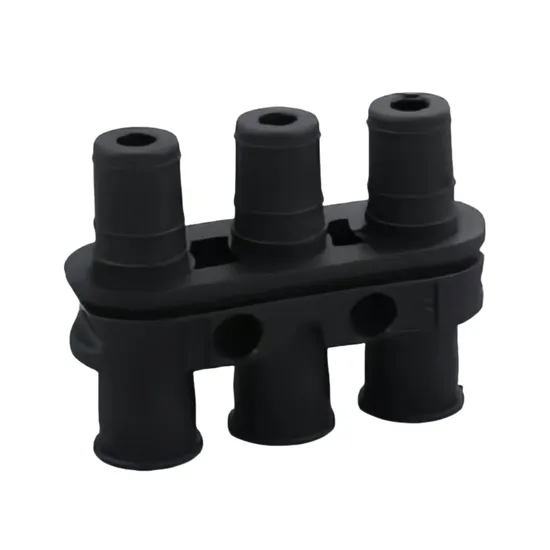
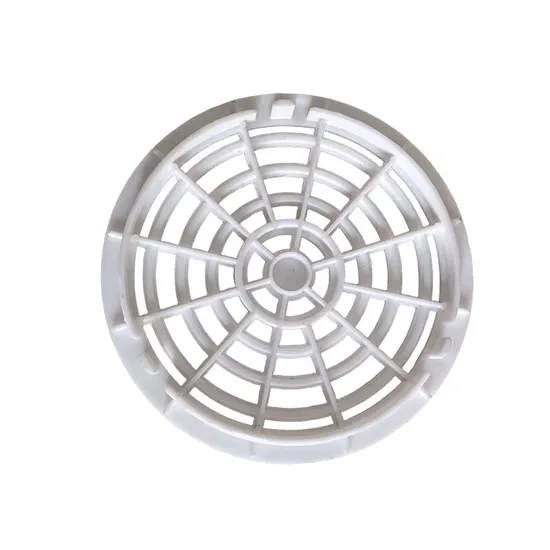
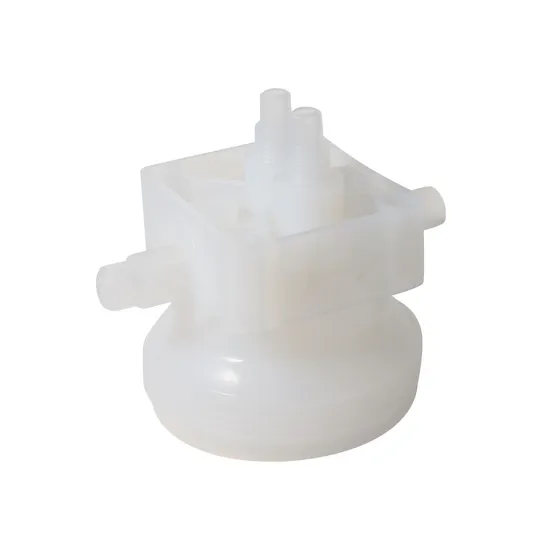
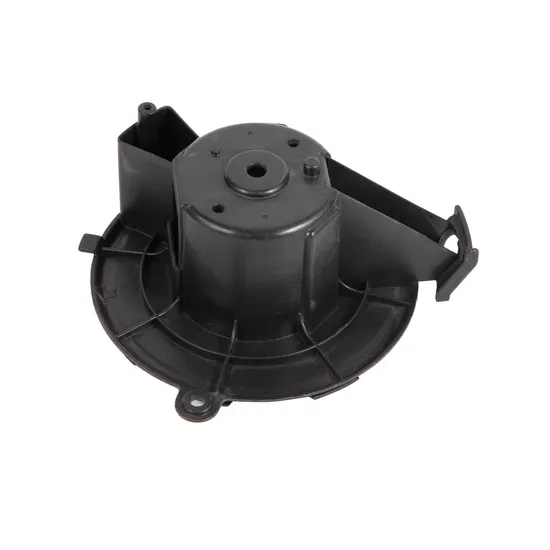
これらの例は、カスタム 射出成形金型 また、同社が製造するプラスチック部品は、複雑な筐体や構造部品から、細部まで精巧に仕上げられた民生用部品まで多岐にわたります。どの金型も、プレス機にかけられる前に、精密な加工、最適化された冷却レイアウト、適切なゲート配置、そして厳格な検査を経ています。.
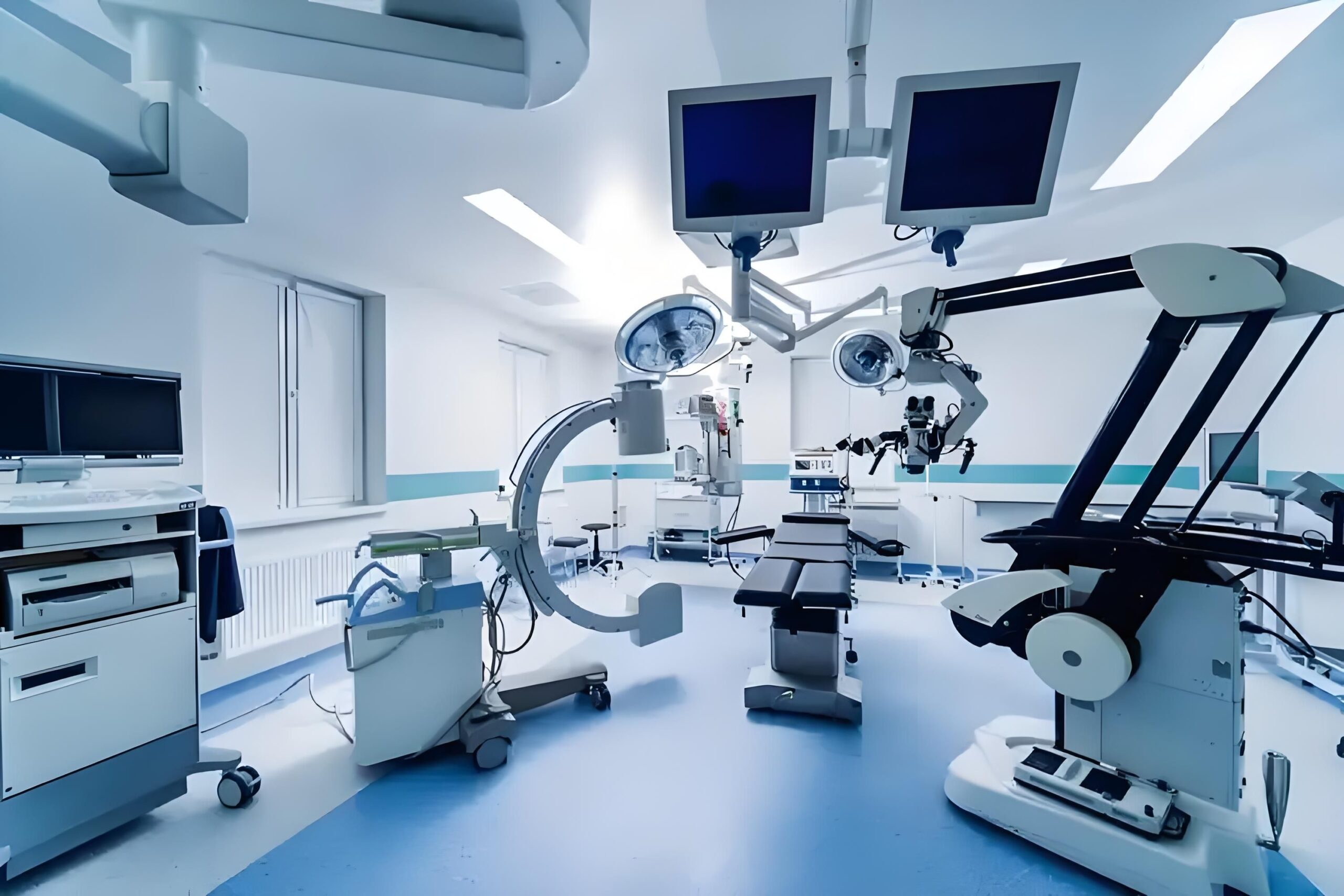
医療・歯科用機器の厳しい安全性および寸法要件を満たす、高精度プラスチック部品用の金型。.
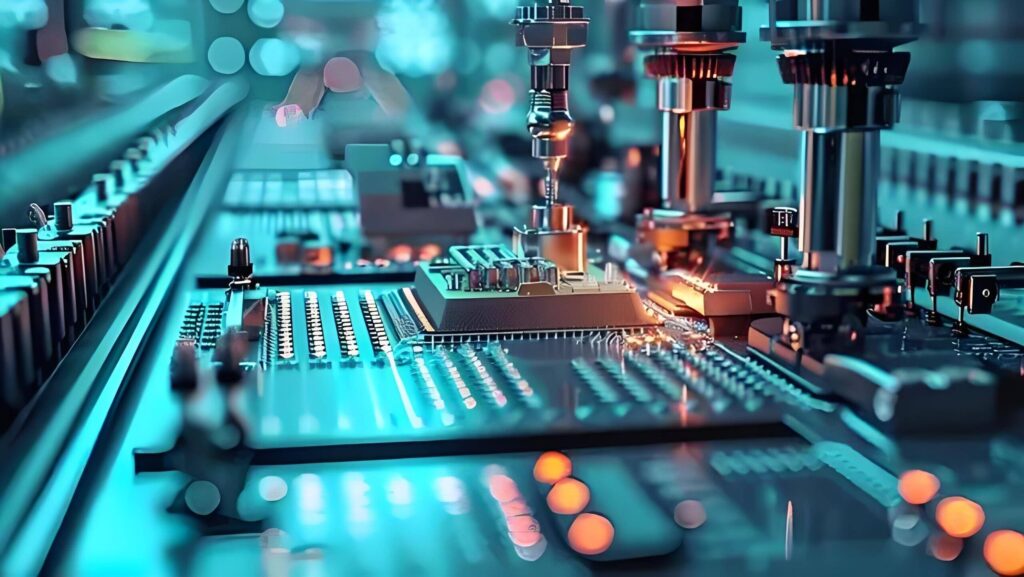
嵌合精度、耐熱性、再現性が重要な、高精度なハウジング、コネクタ、筐体向けの金型。.
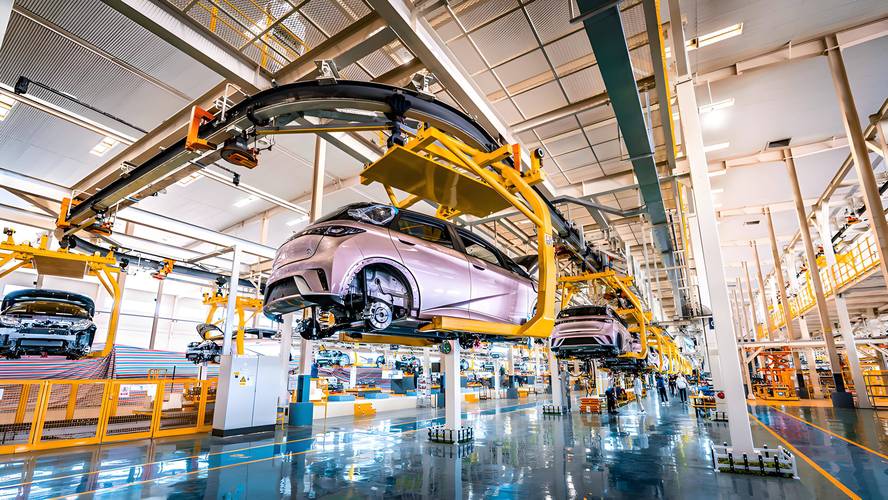
高負荷・高温環境下で使用されるプラスチック部品向けの、耐久性に優れた生産用金型。.
自動化システム全般にわたるハウジング、モーションカバー、構造部品向けの特注金型。.
当社は、CNC加工部品を期日通りに納品すること、および以下の3つの簡単なステップを通じて、そのプロセスを完全に透明化することを保証いたします:
3Dモデルを送信していただくと、金型の製作が始まる前に、ゲート、肉厚、抜き勾配に関するDFMおよびMoldFlowのフィードバックを受け取ることができます。.
金型は機械加工・調整を経て、T1サンプル試作が行われます。これにより、量産開始前に実際の部品をご確認いただけます。.
承認された金型は、寸法検査を経て量産段階に移行し、部品は、ご要望に応じて品質管理書類を添付して出荷されます。.
金型費用は、金型の種類、サイズ、キャビティ数、鋼材のグレード、および部品の複雑さによって左右されるため、金型の価格は一律ではなく、幅広くなります。 シンプルな単キャビティのアルミニウム製試作金型が最安値となる一方、多キャビティの焼入れ鋼製量産金型は、必要な鋼材量、熱処理、および加工時間が多いため、最高価格帯に位置します。アンダーカット、スライダー、リフター、ホットランナーなどの構造要素はコストを急速に押し上げ、多くの場合、見積もりにおける最大の変動要因となります。 弊社ではDFMの過程でコスト要因を詳細に分析し、お客様が正式に発注する前に設計や金型戦略を調整できるよう支援いたします。.
まずは総生産量と部品の材質から検討してください。これらが何よりも金型のクラス決定に大きく影響するからです。クラス105のアルミニウム製金型は試作や500サイクル未満の生産に適しており、クラス104および103は小~中規模の生産に対応し、クラス101の焼入れ鋼製金型は100万サイクル以上の生産を想定して作られています。 生産量よりも高いクラスを選択しても、不必要なコストとリードタイムが増加するだけです。DFMの段階では、数千個程度の生産しか行わない部品に対して過剰な金型投資を避けるため、プログラムに適したクラスの採用をお勧めします。.
金型材料は、生産数量と部品の樹脂種類に応じて選定します。試作やブリッジ金型には、加工が速くコストも低いアルミニウムや予備焼入れ済みのP20が使用されます。一方、大量生産や、軟質金型を侵食してしまう研磨性の高いガラス繊維強化樹脂には、H13やS136などの焼入れ鋼が使用されます。 NAK80は、外観が重要な中量生産部品向けに、良好な研磨性と適度な耐久性を兼ね備えた、中間の選択肢となります。金型材料の選択は、初期コストと達成可能な金型寿命の両方を決定するため、当社は金型が生産しなければならない部品数に合わせてグレードを選定しています。.
キャビテーションは、生産量が増加した際に部品単価を削減するための主要な手段です。単キャビティ金型は金型コストが最も低い反面、1サイクルにつき1個しか生産できないため、部品単価は最も高くなります。 キャビティ数を増やすと、初期の金型投資額は増加しますが、加工時間をより多くの部品に分散できるため、生産量がおよそ1万~2万個を超えると単価が大幅に低下します。当社はお客様の年間生産量に合わせてキャビティ数を決定するため、使用しない余剰生産能力を過剰に構築することなく、金型投資を確実に回収できるようになります。.
T1とは、完成した金型から初めて成形されたサンプル部品のセットのことで、この段階で金型がお客様の図面通りに機能するかどうかが実証されます。当社は、これらのサンプルについて寸法、嵌合、仕上げ、欠陥などを検査し、金型が量産に投入される前に、ゲート、冷却経路、または鋼材について必要な調整を行います。 この工程こそが、試作金型と量産金型の両方を同一の工場で製作することが重要な理由です。なぜなら、そのプロセスパラメータがそのまま量産工程に引き継がれるからです。お客様は、量産を決定する前に、単なる約束ではなく、実際に成形された部品を承認することになります。.
ほとんどの見積もりにおいて、複雑さは単純なサイズよりもコストに影響します。スライダーやリフターを必要とするアンダーカット、ホットランナーシステム、ねじ部用のコアの取り外し、そしてSPI-A規格の高光沢研磨などは、それぞれ加工や手作業による仕上げに多大な時間を要します。 スライダー1つでも金型コストにかなりの割合を占めるようになり、光学研磨には高品質な鋼材に対して熟練した作業者が何時間も費やす必要があります。回避可能なアンダーカットを排除し、部品の見える部分のみに仕上げを指定することが、金型コストを削減する最も手っ取り早い方法であり、弊社ではDFM(設計製造性評価)の過程でその両方に注意を喚起しています。.
お客様は、ご購入いただいた金型の所有権をお持ちです。生産終了後、金型はメンテナンスおよび今後の生産に備えて当社の施設に保管されますが、ご要望に応じて、実費での梱包・送料にてお客様へ発送することも可能です。金型を製作した当社で保管しておくことで、再生産時の対応が迅速になり、メンテナンス履歴も一貫して管理されます。 後日、金型を別のプレス機に移設する予定がある場合は、設計段階でその旨をお知らせください。移設可能な標準的な金型ベースで製作いたします。.
その違いは、溶融プラスチックが金型キャビティにどのように供給されるか、そしてどれだけの材料が無駄になるかという点にあります。コールドランナー金型は構造が単純で製造コストも安価ですが、射出ごとにランナーが固化してスクラップとなるため、小型部品や大量生産の場合にはそのロスが累積します。 ホットランナーでは、加熱されたマニホールド内でプラスチックを溶融状態に保つため、ランナーのロスはほぼゼロまで減少しますが、その代わりに初期の金型コストが高くなります。ホットランナーは通常、生産数がおよそ2万~3万個を超えると経済的に採算が取れるようになり、当社はDFM(製造性設計)の段階でその損益分岐点をモデル化しています。.
はい。ブリッジ金型とは、硬化処理済みの量産用金型がまだ製作中の段階で、実際の量産品質の部品を製造できるアルミニウム製または軟鋼製の金型のことです。これにより、本格的な量産用鋼製金型を待つことなく、製品の発売や市場テスト、初期注文の対応が可能となり、設計の変更が必要になった場合でもリスクを軽減できます。 試作金型やブリッジ金型は、数週間ではなく数日で完成させることができ、設計が確定した時点でクラス101または102の鋼製金型にアップグレードできます。この段階的なアプローチにより、高価な鋼製金型を時期尚早に製作してしまうリスクを低減できます。.
当社は、機械加工後の仕上げやマットなビーズブラスト仕上げから、微細なテクスチャー、高光沢のダイヤモンド研磨仕上げに至るまで、SPIの全ラインナップを提供しています。 標準的なSPI-CまたはD仕上げは最も低コストで、ほとんどの機能部品に適していますが、透明部品や外観が重要な部品向けのSPI-A高光沢仕上げには、S136のような高品質鋼を用いた多段階の手作業による研磨が必要です。レザーグレインやマットなどのテクスチャ仕上げは、機械加工後に化学エッチングやレーザー加工によって施されます。 当社は部品の要件に合わせて仕上げを選択するため、誰の目にも触れない表面に鏡面研磨の費用を無駄に支払う必要はありません。.