2026年の製造業を形作るトレンドとは?
「2026年製造業見通し」をご覧ください。.

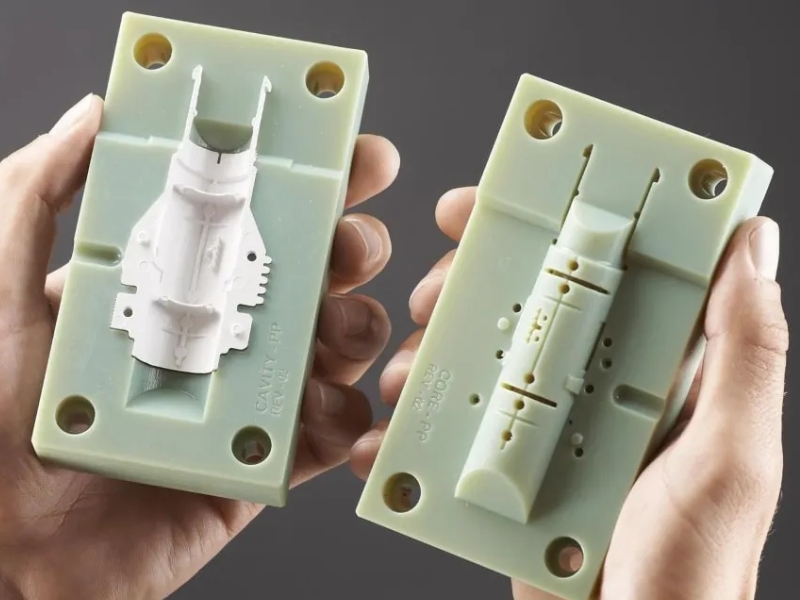
液状シリコーンゴムの成形

Get flexible, heat-resistant, biocompatible parts from liquid silicone rubber molding built for engineers who need tight tolerances, the right durometer, and consistent quality at volume. XY Machining runs LSR injection molding in platinum-cured, two-part silicone, from prototype tooling through high-volume production, for medical, automotive, electronics, and consumer parts. Upload your CAD file, get DFM feedback on gating, venting, and shrinkage before the tool is cut, and receive parts held to tight tolerances with the material trade-offs spelled out up front.

価格、プロジェクトのリードタイム、DFMに関するフィードバックを即座に確認できます。.

Upload your 3D model to receive part pricing, a realistic lead time, and design-for-manufacturability feedback on the same file. We review wall thickness, draft, venting, and shrinkage before cutting the mold, so air traps and defects are settled before production. Every upload stays confidential under NDA.
  当社の即時見積もりエンジンは、米国特許第11,086,292号、 11,347,201、11,693,388、11,698,623、12,099,341、および12,189,361号の保護を受けています。その他、 特許出願中です。.

What is Liquid Silicone Rubber Molding?

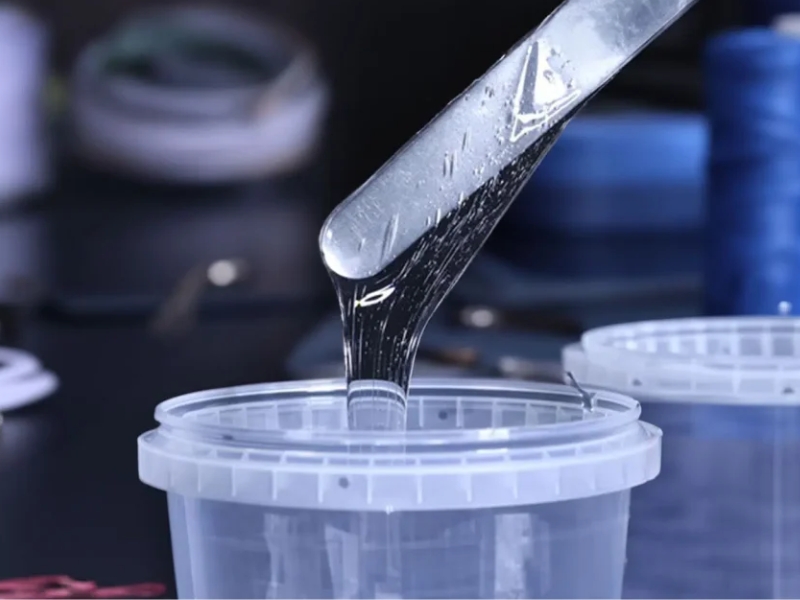
Liquid silicone rubber molding is a high-precision injection process that produces flexible, heat-resistant, durable silicone parts. The two-part liquid material, a base and a catalyst mixed at a 1:1 ratio, is injected into a heated mold cavity where it cures through a permanent thermoset reaction into a stable rubber part. Because LSR is a thermoset, the cured part cannot be melted again like a thermoplastic.

XY加工 we use advanced silicone rubber injection molding systems to run medical-grade, food-grade, and industrial silicone in complex geometries with tight tolerances and high repeatability, ideal for 自動車, medical devices, 電子機器, and consumer products that need flexibility, chemical resistance, and long service life

液体シリコーンゴムの成形とは

液体シリコーンゴムの成形に、なぜXY Machiningを選ぶべきなのでしょうか?

High-quality LSR parts depend on mold design and process control, not just the press. Our engineering optimizes gating, venting, and curing cycles to deliver consistent quality and reduce production cost, from prototype tooling through full production volumes. We operate under certified quality systems with strict inspection, and provide traceability, fast lead times, and dependable performance for critical industries such as medical, automotive, and electronics. From material selection through final inspection, we confirm the durometer, cure system, and achievable tolerances before the mold is cut, so your custom silicone rubber molding project starts with the trade-offs already clear.

液体シリコーンゴムの成形に、なぜXY Machiningを選ぶべきなのか
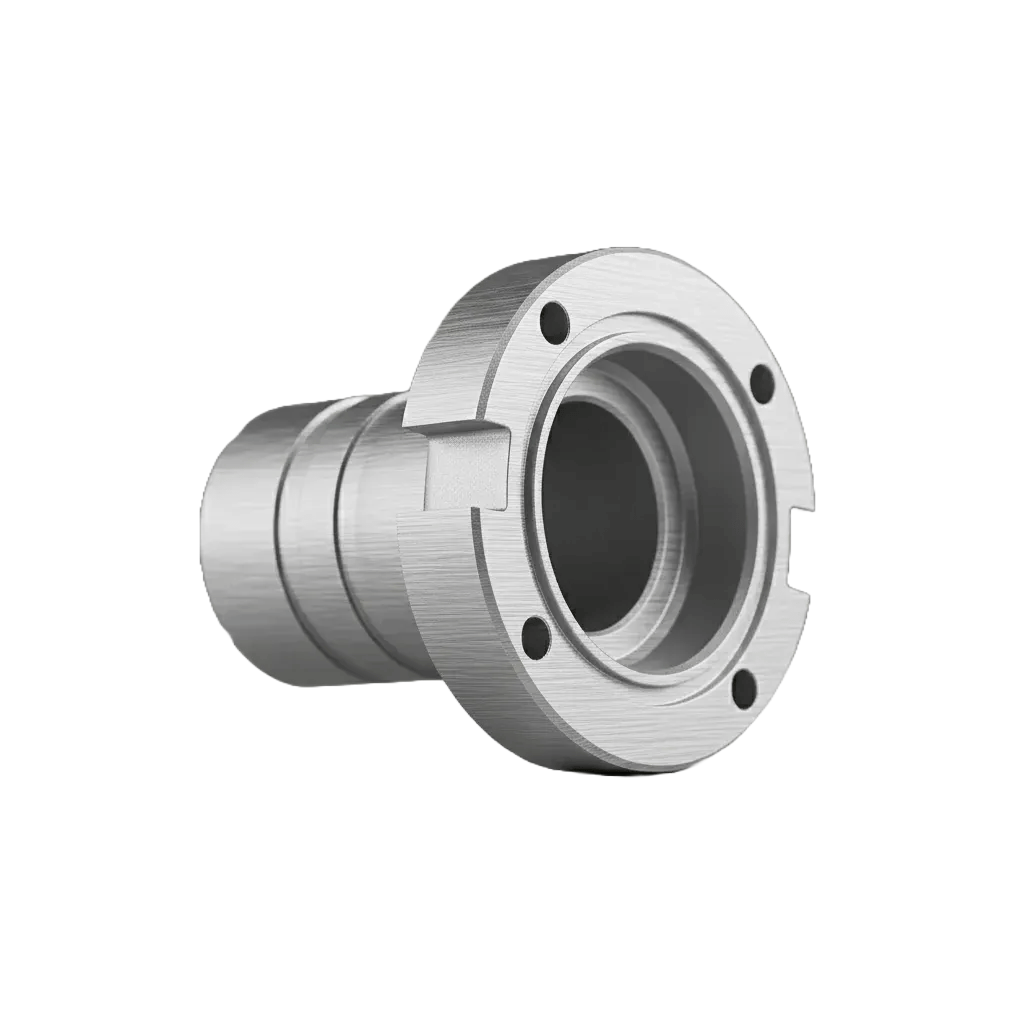
標準的な金型の仕上げ

A clean molded surface straight from the tool, suitable for functional silicone components.

Adobe Express ファイル – 3Dプリントサービス
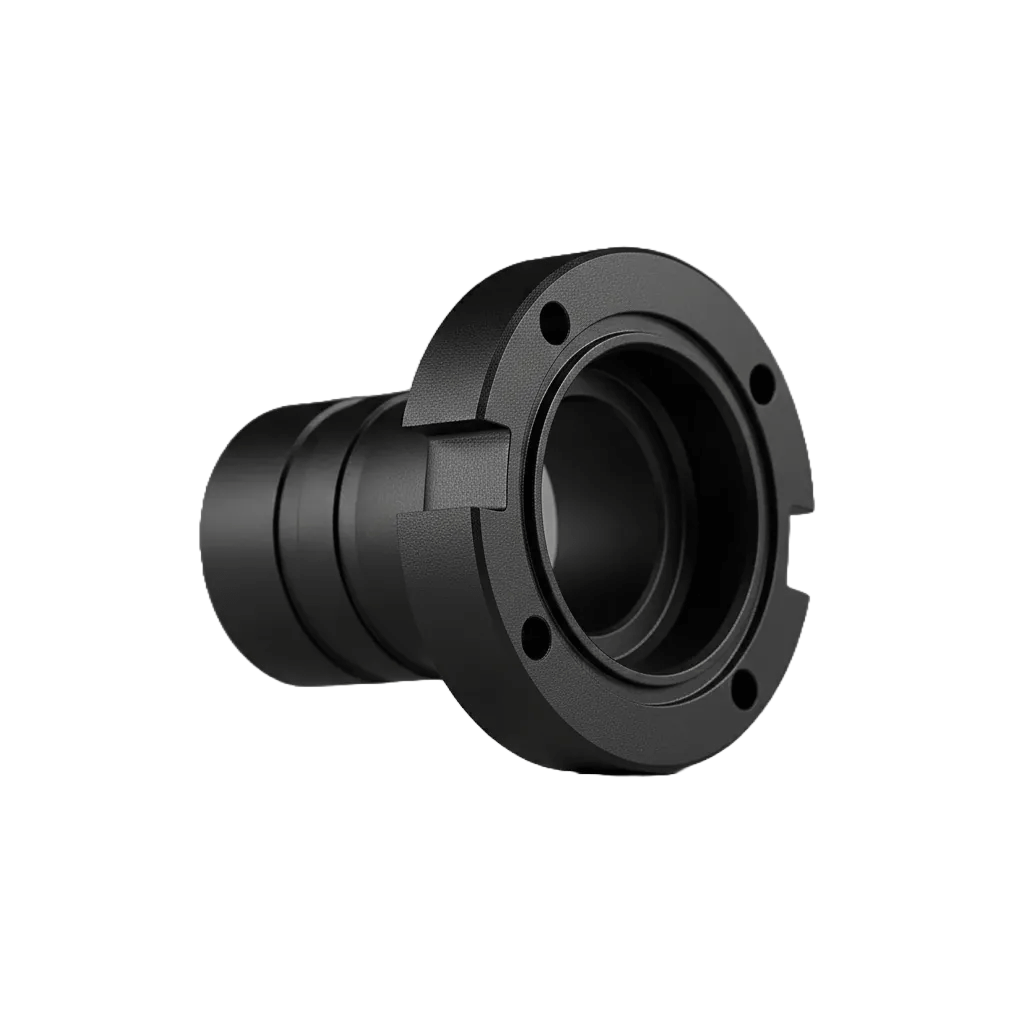
マットな質感

Light surface texturing that reduces glare and improves grip performance.

Adobe Express ファイル – 3Dプリントサービス
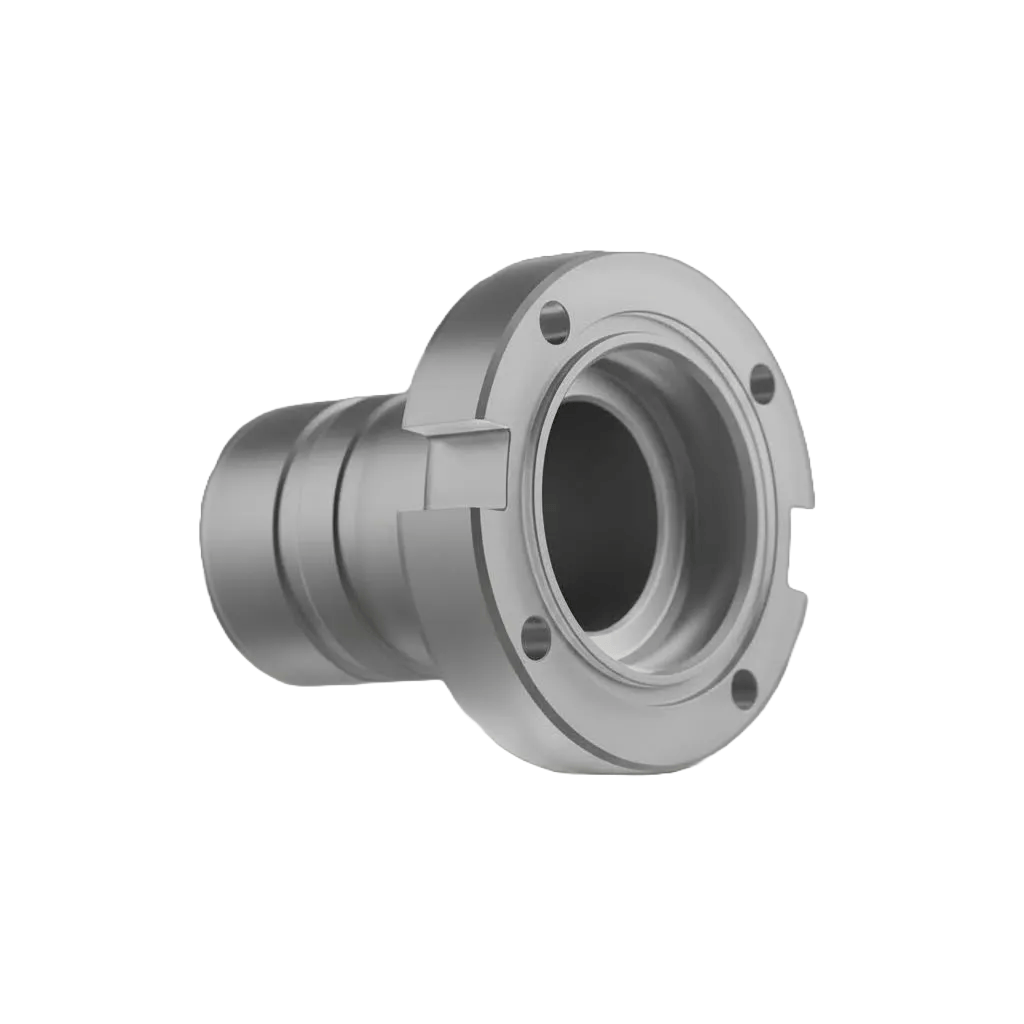
鏡面仕上げ

キャビティを滑らかに研磨することで、表面の透明度を高め、洗練された外観を実現します。.

Adobe Express ファイル – 3Dプリントサービス
カスタムテクスチャ

Special mold textures for branding or specific aesthetic requirements.

Adobe Express ファイル – 3Dプリントサービス
医療用グレードの仕上げ

医療・ヘルスケア用途向けの厳格に管理された表面品質。.

Adobe Express ファイル – 3Dプリントサービス
ソフトタッチ仕上げ
人間工学に基づいた民生用製品やウェアラブル製品向けに、表面の感触を最適化しました。.
Adobe Express ファイル – 3Dプリントサービス
高光沢仕上げ
磨き上げられた金型キャビティにより、滑らかで高級感のあるシリコーン部品が製造されます。.
Adobe Express ファイル – 3Dプリントサービス
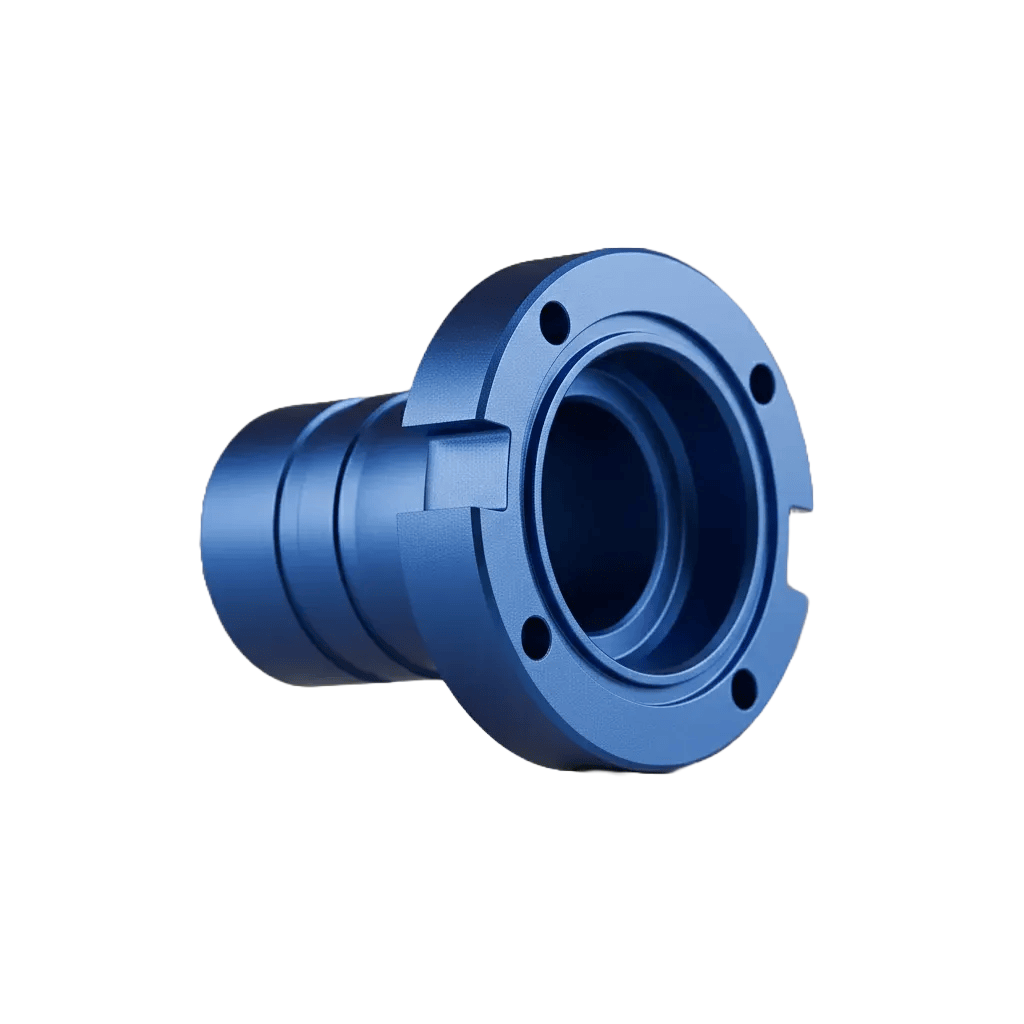
カスタムカラーマッチング
顔料のブレンドにより、ブランド製品の部品に対して正確な色合わせが可能になります。.
Adobe Express ファイル – 3Dプリントサービス

液体シリコーンゴムの成形表面仕上げ

液体シリコーンゴムの成形技術

These capabilities cover most engineering LSR work. General tolerances follow ISO 2768-M, with precision to plus or minus 0.05 mm confirmed per geometry, since silicone shrinks as it cures and tight callouts depend on wall design and material grade.

特集

説明

一般的な公差

ISO 2768-M 規格の許容範囲

精密公差

Achievable up to ± 0.05 mm depending on geometry

最小肉厚

材質のグレードに応じて0.3~0.5 mm

素材の選択肢

医療用、食品用、および工業用のLSR

部品の最大サイズ

金型設計およびプレス機能力に基づき

生産量

試作から10万個以上の部品まで

金型オプション

Aluminum prototype molds and hardened steel production molds


対象業界

医療機器用精密部品
医療の精度

Biocompatible silicone components under strict dimensional and safety control for devices, seals, and wearables.

電子部品の製造
エレクトロニクス産業

Waterproof seals, gaskets, and keypad interfaces with excellent electrical insulation and flexibility.

自動車用精密部品
自動車工学

Durable seals, grommets, and vibration-damping parts that withstand heat, cold, and chemical exposure.

ロボット用部品の製造
ロボティクスソリューション

Custom silicone housings, covers, and flexible components for automation systems.

XY Machiningが他社と一線を画す理由

即時スマート見積もり
CADファイルをアップロードして、製造適性設計(DFM)に関する知見を盛り込んだ、迅速かつ正確な見積もりをご確認ください。.
MXY 加工工程のステップアイコン
グローバル製造ネットワーク
少量生産から量産まで、あらゆる規模に対応可能なCNCフライス加工能力。.
MXY 加工工程のステップアイコン
認定品質管理
包括的な検査、校正済みの測定機器、および文書化された品質管理プロセス。.
MXY 加工工程のステップアイコン
迅速で確実な配送
米国のお客様向けに、納期通りの生産スケジュールと確実な出荷を実現します。.
MXY 加工工程のステップアイコン

Our LSR Molding Gallery

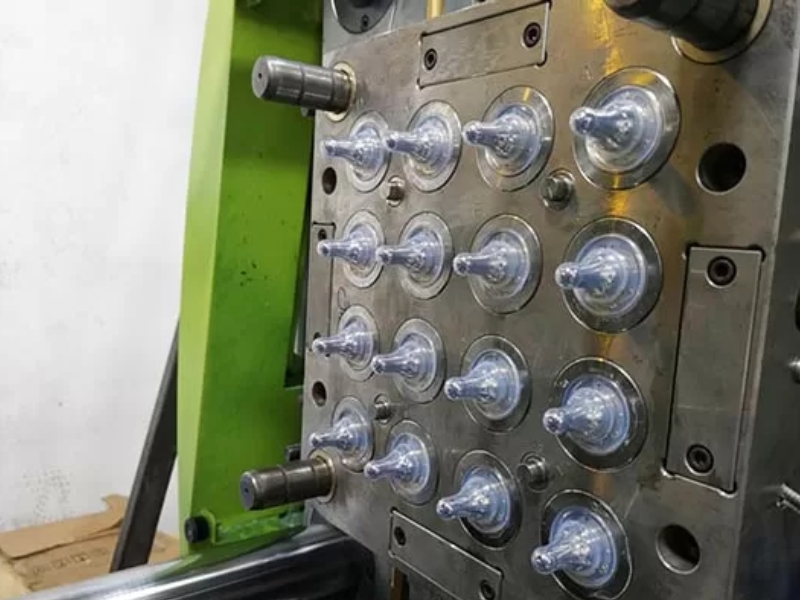
These examples show precision LSR molded components, including medical seals, silicone gaskets, valves, wearable device parts, and automotive connectors. Each reflects dimensional accuracy, clean molding, correct venting, and ISO-aligned quality inspection.

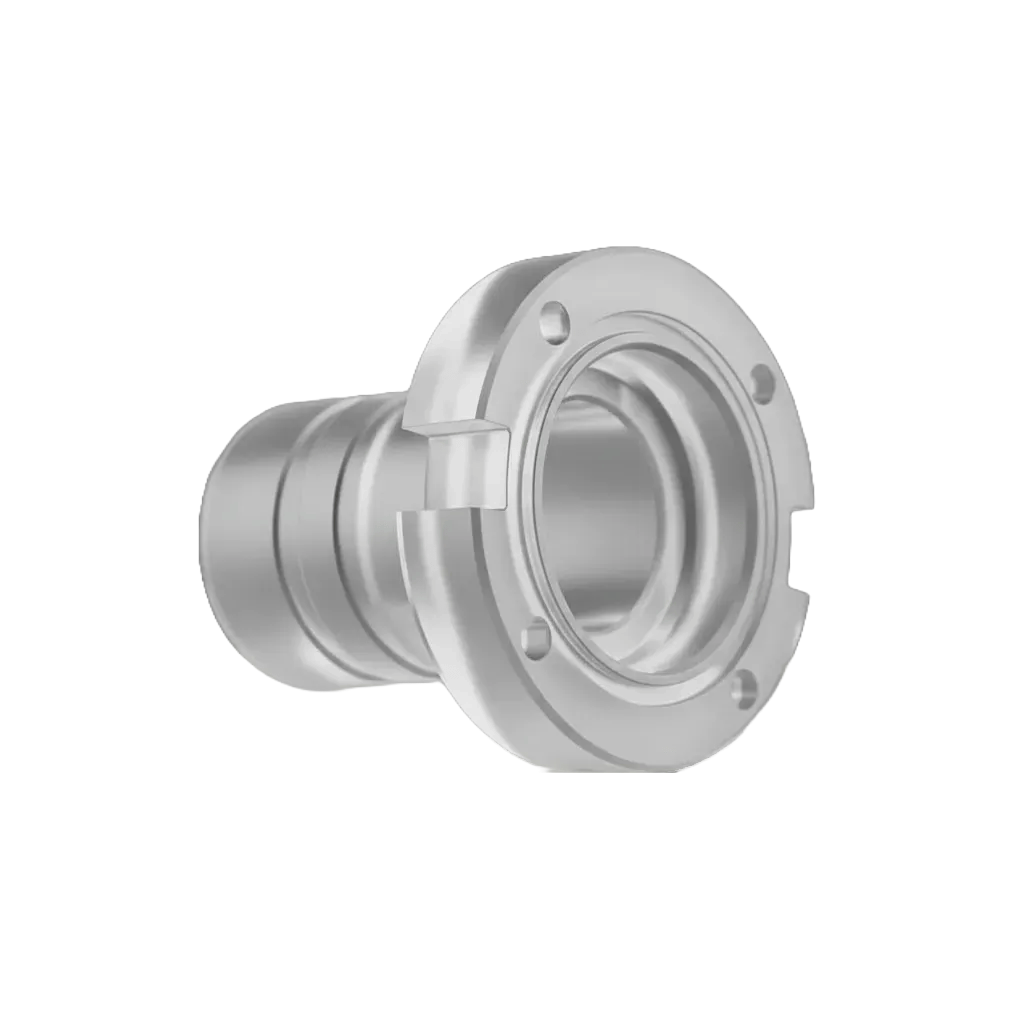
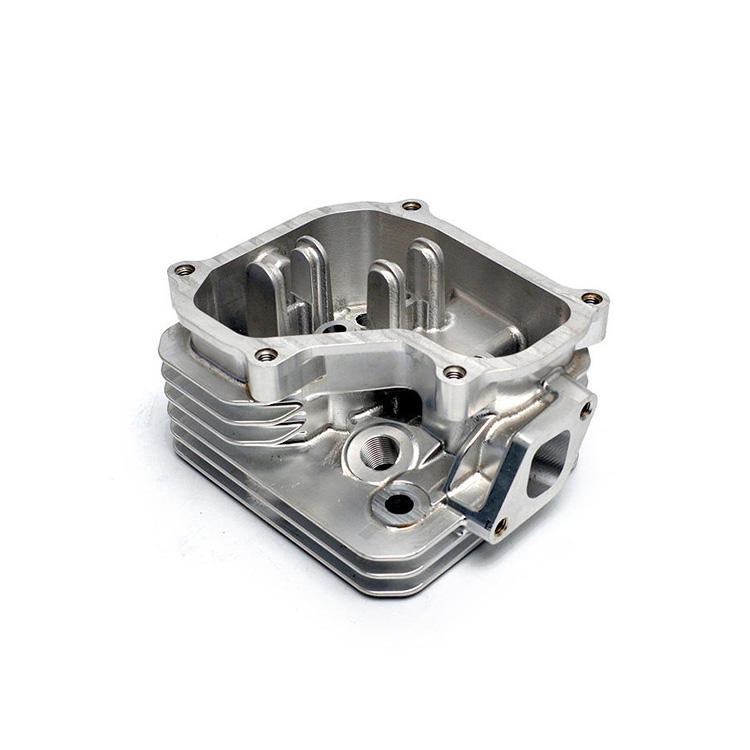
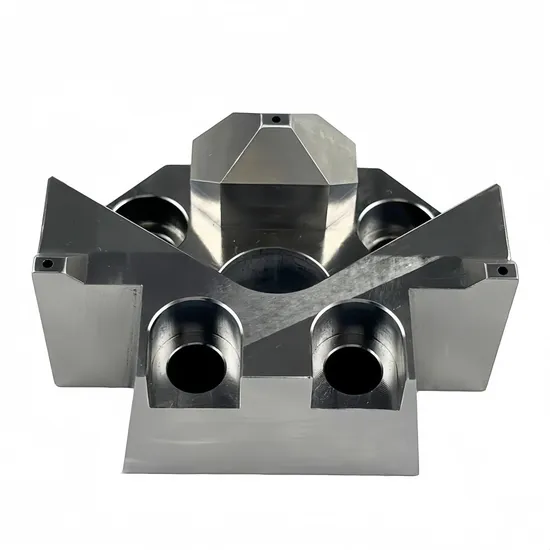
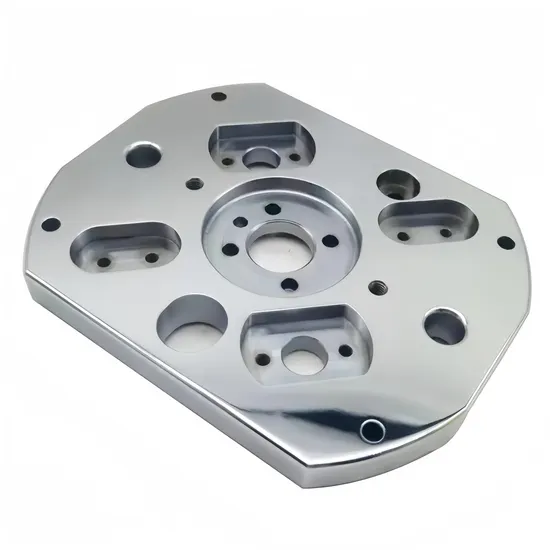
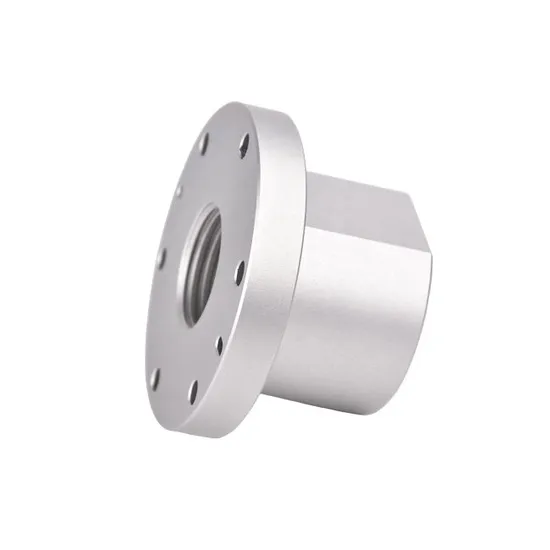
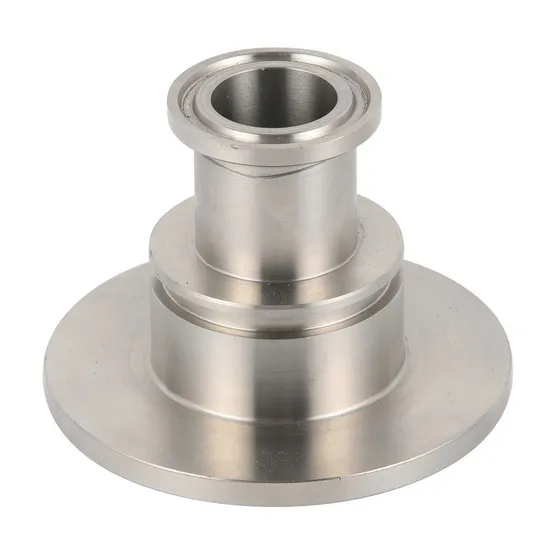
穴あきCNC加工金属部品
CNC加工 – 製造の様子
カスタムCNC加工:精密金属・プラスチック・電子部品・航空・航空宇宙・航空機用機械加工
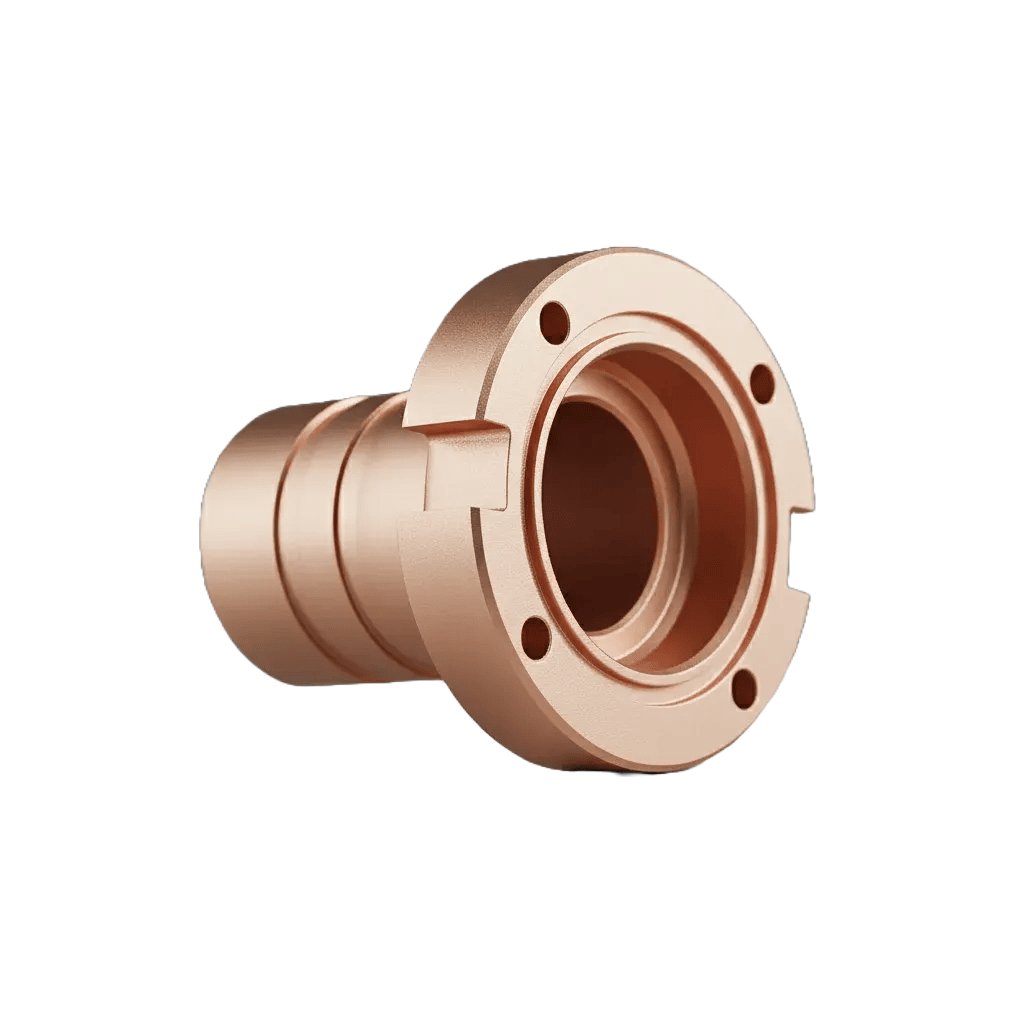
CNC加工による精密3Dモデル カスタム金属・真鍮・鋼・ステンレス
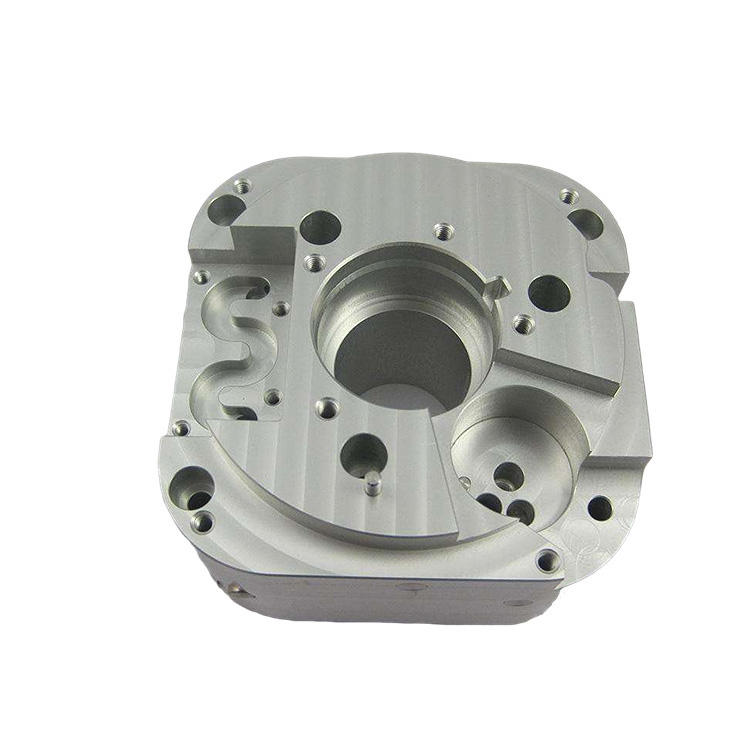
アルミニウム製高精度CNC加工電動工具用アクセサリー部品のカスタマイズ

Design Guidelines for Liquid Silicone Rubber Molding

Good LSR design prevents the two most common defects, air traps and flash, before the tool is cut. These guidelines keep parts bubble-free and easy to demold:

特集

ガイドライン

ドラフトアングル

型から取り出しやすくするため、1°~3°が推奨されます

壁の厚さ

Uniform thickness to prevent air traps

アンダーカット

Achievable with slides or advanced tooling

半径と角

角を丸くすることで、材料の流れが改善される

愚痴

適切な脱気を行うことで、気泡のないシリコーン部品が得られます

収縮率

シリコーンのグレードや硬化条件によって異なります

オーバーモールド

LSR bonds with compatible plastics or metals


ラピッドツーリング

Aluminum tooling that moves you from idea to functional silicone parts fast, ideal for prototypes and low-volume runs where speed and precision both matter.

生産用金型

Hardened tooling built for long-term durability, delivering consistent, accurate parts across full-scale production.

液体シリコーンゴム成形のメリット

液体シリコーンゴム成形のメリット
お問い合わせ

試作から量産まで――信頼できるパートナー

XY Machiningは、厳しい公差、文書化された品質管理、そして確実な納期を必要とするエンジニアリングチーム向けに、高精度なCNC加工サービスを提供しています。試作開発から量産に至るまで、お客様の技術図面通りに、機能的で量産対応可能な部品を製造いたします。 当社のチームは、高度なCNCフライス加工および旋盤加工の技術と、体系化された検査プロセスを組み合わせることで、部品の複雑さにかかわらず、精度、再現性、そして一貫した成果を保証します。.
ぜひお問い合わせください!
12時間以内の迅速な対応を保証いたします

仕組み – 3段階のワークフロー

当社は、CNC加工部品を期日通りに納品すること、および以下の3つの簡単なステップを通じて、そのプロセスを完全に透明化することを保証いたします:

MXY 加工設備の画像
MXY 機械加工サービスの図解
CADファイルをアップロードしてください

Submit your 3D model and receive DFM feedback on wall thickness, venting, and draft before the mold is cut.

MXYの加工能力の図解
お客様の部品を成形いたします

After tooling approval, the two-part LSR is metered, mixed, and injected into a heated mold under process control, with in-process inspection.

MXY 機械加工の製造図解
品質チェックと納品

部品は寸法検査および外観検査に合格しており、ご要望に応じて品質管理(QC)書類を添付して出荷いたします。.

XY Machiningによるエンドツーエンドのソリューション

ラピッドプロトタイピング
ラピッドプロトタイピング
当社のCNC加工サービスなら、アイデアを形にするのはもはや昔の話です。当社は、生産にほとんど、あるいはまったく影響を与えることなく、お客様のアイデアをさらに磨き上げるための機能を備えた試作品を作成いたします。.
少量生産
少量生産
加工部品の高品質な製造は、大量生産を必要とせずに実現可能です。当社の小ロット生産サービスは、お客様の製品開発初期段階のニーズに合わせて、大量生産と同等の柔軟性を備えています。.
エンドツーエンドのソリューション
エンドツーエンドのソリューション
お客様の制作ワークフロー全体を、当社が最初から最後まで一貫して管理いたします。プロジェクトの複雑さにかかわらず、すべての案件において納期を厳守いたします。.

よくある質問

Durometer is the single most important LSR spec, and it maps directly to how the part behaves. Most LSR falls on the Shore A scale between about 10A and 80A: soft grades near 10 to 30A conform and seal well for wearables, cushioning, and soft-touch parts, medium 40 to 50A grades suit seals, gaskets, and buttons that flex, and firm 60 to 80A grades handle structural seals, connectors, and load-bearing parts. Very soft gel-like grades run on the Shore 00 scale for delicate medical work. We help you pick the durometer during DFM based on whether the part seals, flexes, grips, or supports load, since the wrong hardness is a common cause of field failure.

LSR holds up across a far wider temperature range than most thermoplastics, typically from around -50°C to +250°C, and stays flexible at both extremes. That stability is why it is chosen for automotive under-hood seals, medical devices that face sterilization, and electronics exposed to heat cycling. Specialty grades like high-temperature silicone and fluorosilicone extend performance further for the most demanding environments. We confirm the grade against your part’s real service temperature so the seal or component performs over its full life, not just at room temperature.

We use platinum-cured LSR, and the cure system matters more than most buyers expect. Platinum cure produces very low residual volatiles, cures faster, and gives better optical clarity, which is why it is the standard for medical, food-contact, and optical parts and is required for most biocompatible applications. Peroxide cure is slower and leaves volatiles that must be driven off by post-baking, so it is limited to general industrial use. Platinum chemistry also enables self-adhesive LSR for overmolding onto compatible plastics. For any regulated part, platinum cure is the right and usually the required choice.

Both are flexible, but they are fundamentally different materials with different processes. LSR is a thermoset: it cures permanently in a heated mold and cannot be remelted, which gives it a much wider temperature range, better chemical and UV resistance, and true biocompatibility for medical and food use. TPE is a thermoplastic elastomer that melts and resolidifies, so it is cheaper to process and easier to recycle, but it softens at high temperature and generally will not match LSR on heat, longevity, or regulatory performance. Choose LSR when the part faces heat, sterilization, chemicals, or skin contact, and TPE when cost and easy processing matter more than extreme performance.

Two costs drive an LSR quote: the mold (a fixed, upfront cost) and the per-part price, which falls as volume rises because tooling spreads across more parts. Aluminum prototype and bridge tooling keeps upfront cost low for early runs, while hardened steel multi-cavity molds pay off at high volume. Beyond tooling, the biggest levers are part size, durometer and grade (medical and specialty silicones cost more than industrial grades), cavity count, and cycle time. LSR does have low material waste and fast cycles thanks to a cold-runner system, which helps unit cost at scale. We break the cost drivers down during DFM so you tool for the volume you actually have.

General tolerances follow ISO 2768-M, and we hold precision up to plus or minus 0.05 mm confirmed per feature. Silicone is inherently looser than machined metal because it shrinks as it cures, and shrinkage varies with grade, wall thickness, and cure conditions, so we design the mold to compensate for that specific shrinkage. Uniform walls and proper venting matter as much as the number, because air traps and flash are the usual causes of out-of-spec parts. We confirm the achievable tolerance for your geometry during DFM so you specify tight callouts only where the part truly needs them.

Yes. LSR is naturally translucent or white and takes color easily, because liquid pigment is metered in as a third stream before the material enters the mixer, giving consistent color throughout the part rather than a surface coating. We can match custom colors for branding or color-coding, and run water-clear grades for optical and light-guide parts. Because the pigment is dosed inline, color stays uniform across a full production run. Tell us the target color or optical requirement during DFM so we validate the grade and pigment load.

For medical and food-contact work we run biocompatible, platinum-cured LSR with USP Class VI and ISO 10993 options, molded under certified quality systems with documented inspection and traceability. Platinum-cured silicone is compatible with autoclave, gamma, and EtO sterilization, which suits both reusable and single-use devices. Medical parts also usually require post-baking to drive off any residuals, which we build into the process. Tell us the standard your part must meet during DFM so we specify the correct silicone grade, cure, and inspection plan from the start.

We mold walls as thin as 0.3 to 0.5 mm depending on the silicone grade, which is thinner than most thermoplastics allow because low-viscosity LSR flows into fine features well. The key is keeping wall thickness uniform, since sudden changes cause air traps and inconsistent cure. LSR’s flexibility also lets it release from features that would lock up a rigid plastic part, which opens up thin membranes, seals, and delicate geometries. We check wall thickness and flow during DFM and suggest adjustments so the part fills cleanly and demolds without tearing.

Lead time splits into tooling and production. Prototype aluminum tooling is fastest, and many LSR molders deliver prototype-to-parts in roughly two to three weeks, while hardened production tooling takes longer because it is built for high cavity counts and long life. Once the mold is validated, LSR’s fast cure and cold-runner system give short cycle times and efficient high-volume runs. Because tooling is the longest and most expensive step, we finalize the design through DFM before cutting steel, so you avoid the re-cuts that stretch schedules. You get a committed lead time inside your quote.

CNC加工のリソース