Moulage de caoutchouc de silicone liquide
Optez pour des pièces souples, résistantes à la chaleur et biocompatibles issues du moulage de caoutchouc silicone liquide, conçues pour les ingénieurs qui ont besoin de tolérances serrées, d’une dureté adaptée et d’une qualité constante en production de série. XY Machining réalise le moulage par injection de caoutchouc silicone liquide (LSR) à durcissement au platine, en deux composants, depuis la fabrication de prototypes jusqu’à la production en grande série, pour des pièces destinées aux secteurs médical, automobile, électronique et grand public. Téléchargez votre fichier CAO, obtenez des conseils de conception pour la fabrication (DFM) concernant les points d’injection, les évents et le retrait avant la fabrication du moule, et recevez des pièces respectant des tolérances strictes, avec les compromis liés au matériau clairement indiqués dès le départ.
- LSR de qualité médicale, alimentaire et industrielle, disponible dans une large gamme de duretés
- Silicone vulcanisé au platine, disponible en versions conformes à la norme USP Classe VI et à la norme ISO 10993
- Prototypes, outillages de transition et outillages de production en acier trempé, le tout sous un même toit
Obtenez instantanément des devis, les délais de réalisation de vos projets et des commentaires sur la conception pour la fabrication (DFM).
- Tous les envois sont sécurisés et confidentiels.
Qu'est-ce que le moulage au caoutchouc de silicone liquide ?
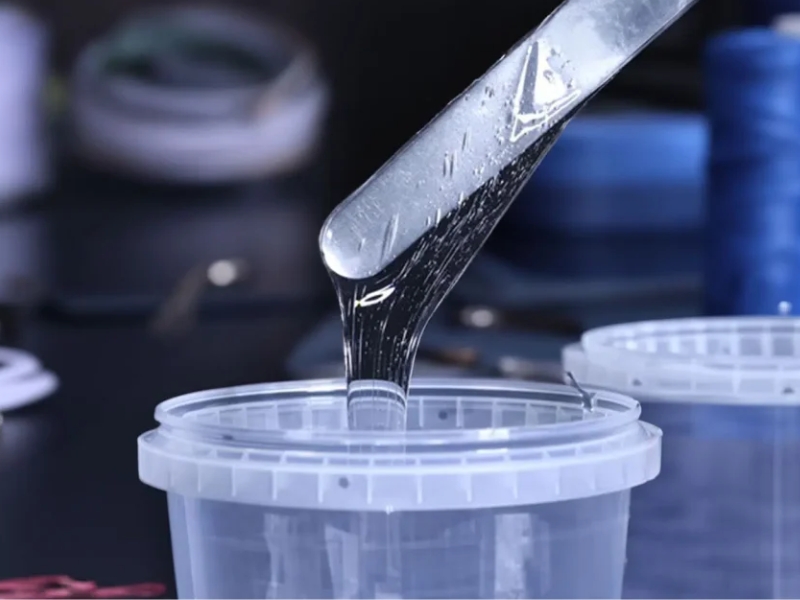
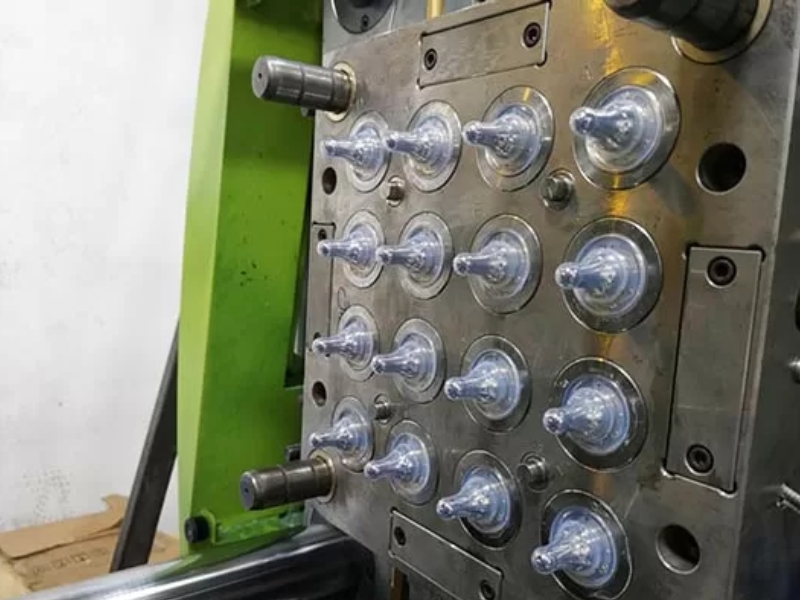
Le moulage au caoutchouc de silicone liquide est un procédé d'injection de haute précision qui permet de produire des pièces en silicone souples, résistantes à la chaleur et durables. Le matériau liquide en deux composants, composé d'une base et d'un catalyseur mélangés dans un rapport de 1:1, est injecté dans une cavité de moule chauffée où il durcit par une réaction thermodurcissable permanente pour former une pièce en caoutchouc stable. Le LSR étant un thermodurcissable, la pièce durcie ne peut pas être refondue comme un thermoplastique.
À Usinage XY Nous utilisons des systèmes de moulage par injection de caoutchouc silicone de pointe pour produire du silicone de qualité médicale, alimentaire et industrielle, présentant des géométries complexes, des tolérances serrées et une grande répétabilité, ce qui en fait la solution idéale pour automobile, dispositifs médicaux, électronique, ainsi que les produits de grande consommation qui exigent de la souplesse, une résistance aux produits chimiques et une longue durée de vie
Pourquoi choisir XY Machining pour le moulage de caoutchouc de silicone liquide ?
La qualité des pièces en LSR dépend de la conception des moules et du contrôle des processus, et pas uniquement de la presse. Notre équipe d'ingénieurs optimise les systèmes d'injection, les évents et les cycles de durcissement afin de garantir une qualité constante et de réduire les coûts de production, du prototypage jusqu'à la production en série. Nous opérons selon des systèmes qualité certifiés assortis d'inspections rigoureuses, et offrons traçabilité, délais de livraison courts et performances fiables pour des secteurs critiques tels que le médical, l'automobile et l'électronique. De la sélection des matériaux à l’inspection finale, nous validons la dureté, le système de durcissement et les tolérances réalisables avant la fabrication du moule, afin que votre projet de moulage sur mesure en caoutchouc silicone démarre en connaissant d’emblée les compromis à accepter.
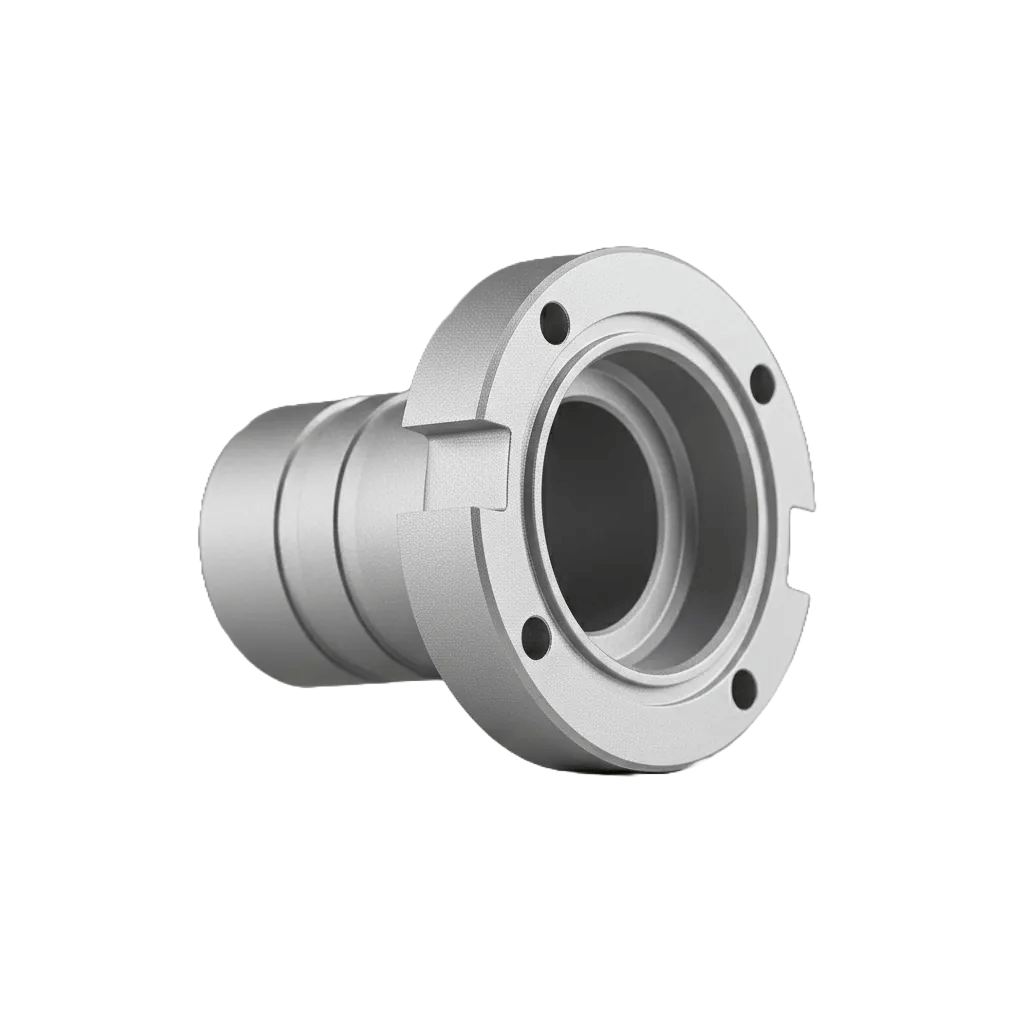
Une surface moulée lisse, telle qu'elle sort du moule, adaptée aux composants fonctionnels en silicone.
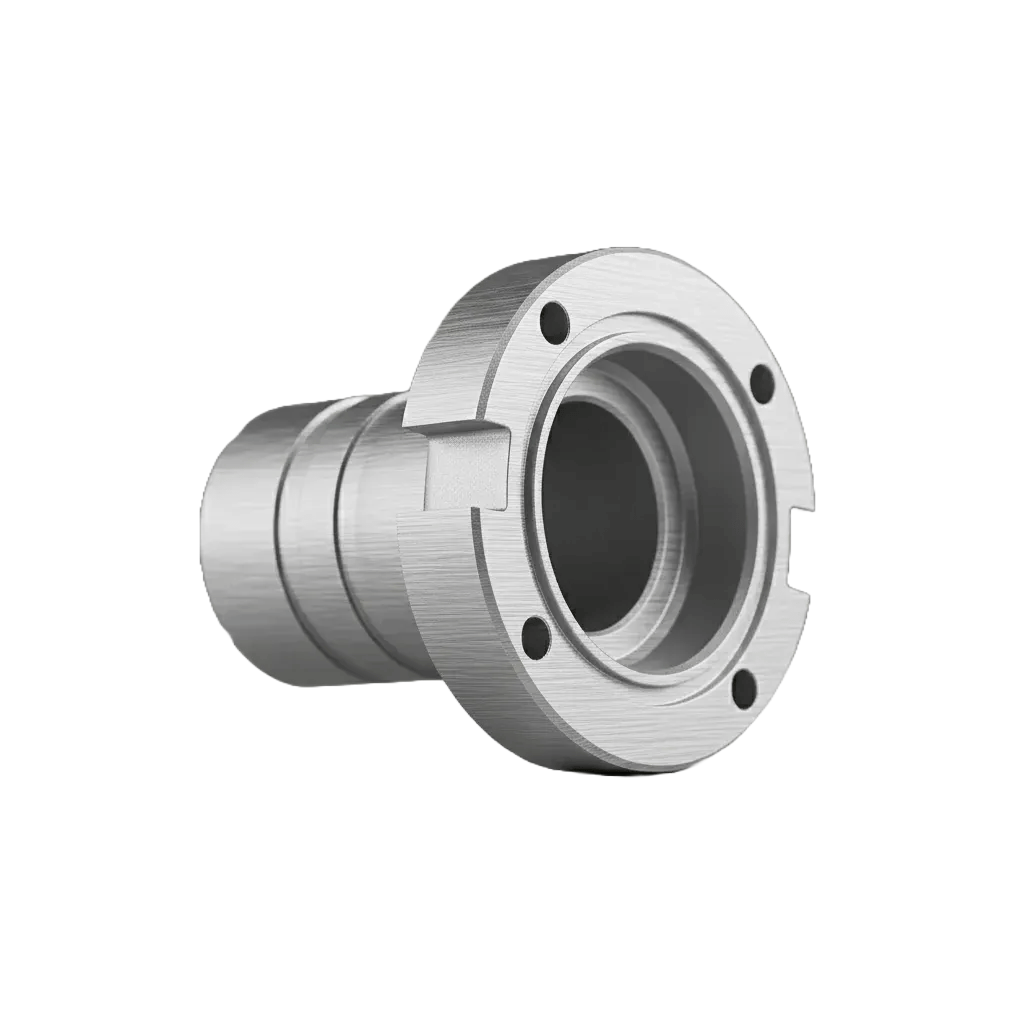
Une texturation légère de la surface qui réduit les reflets et améliore l'adhérence.
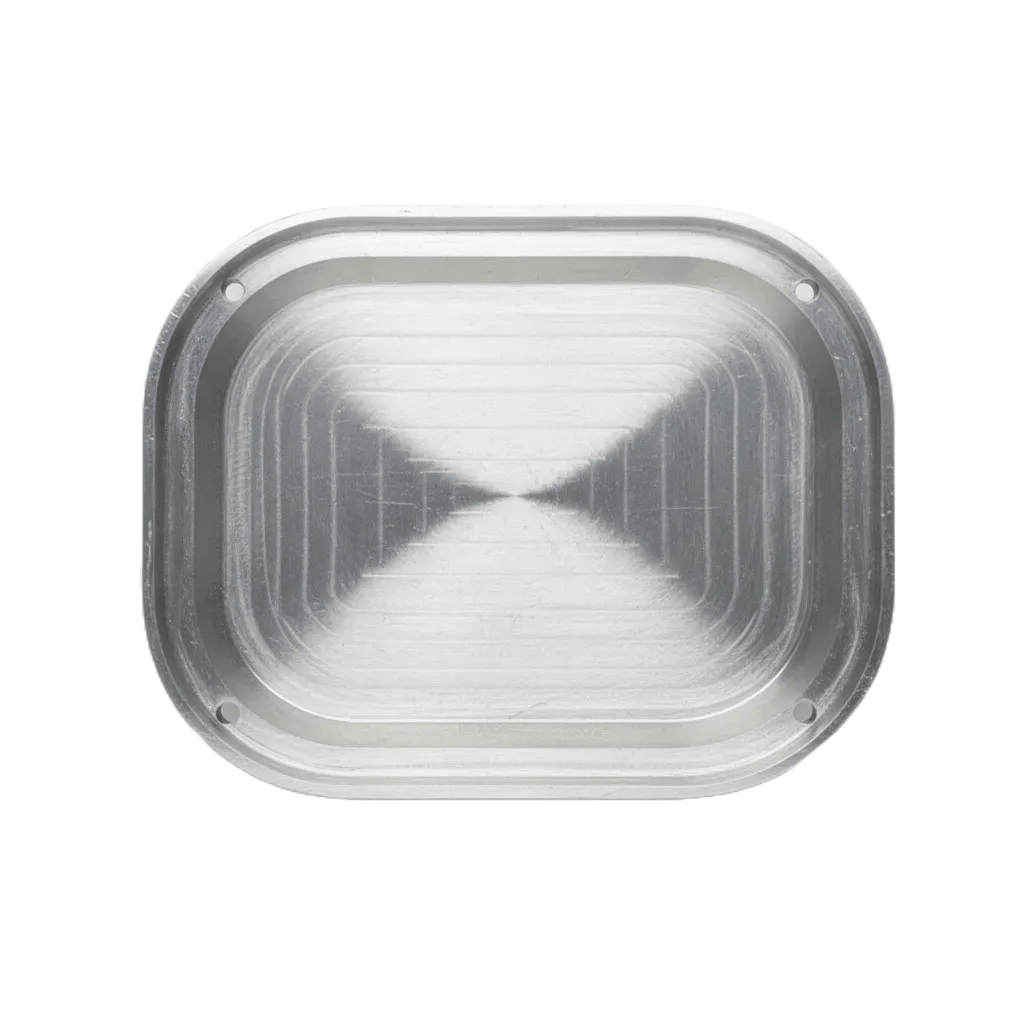
Polissage soigné de la cavité pour une plus grande clarté de la surface et un aspect raffiné.
Textures de moules spéciales pour l'image de marque ou pour répondre à des exigences esthétiques spécifiques.
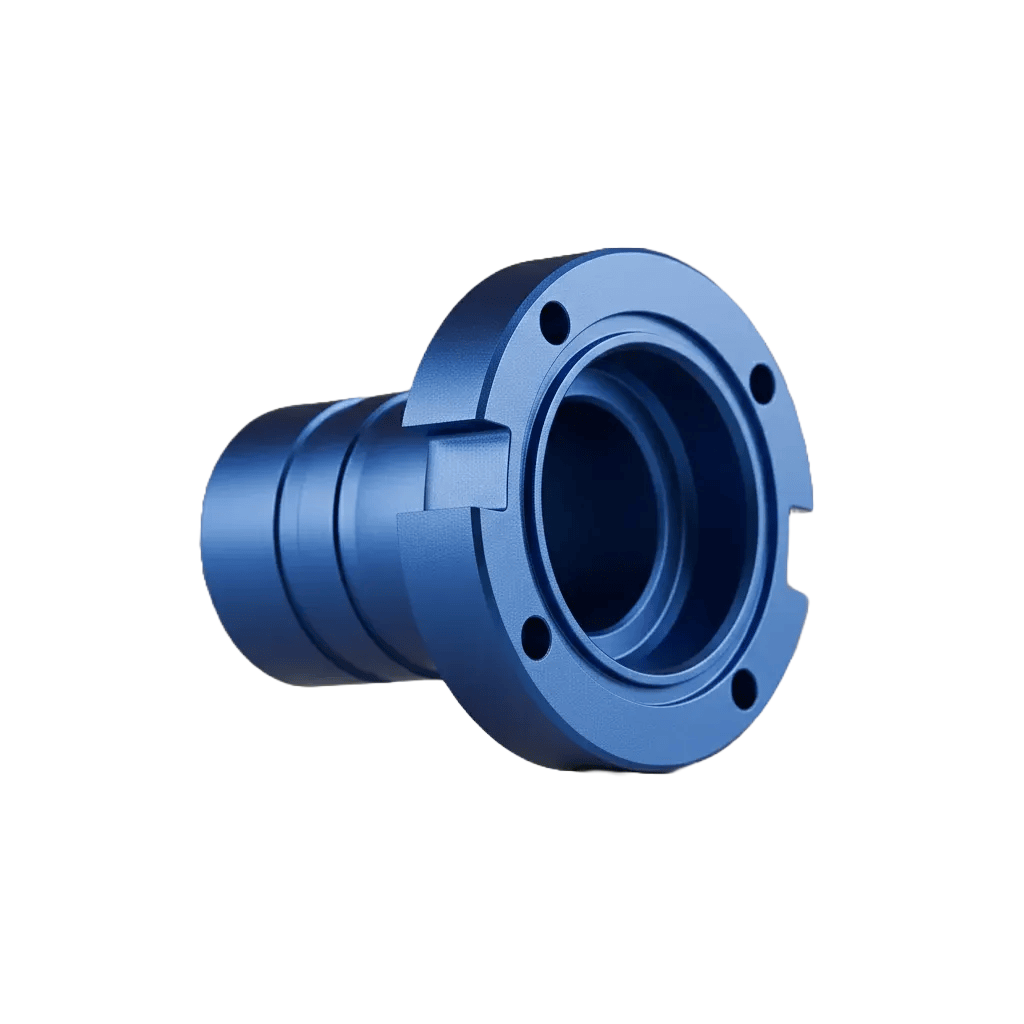
Qualité de surface contrôlée pour les applications médicales et de santé.
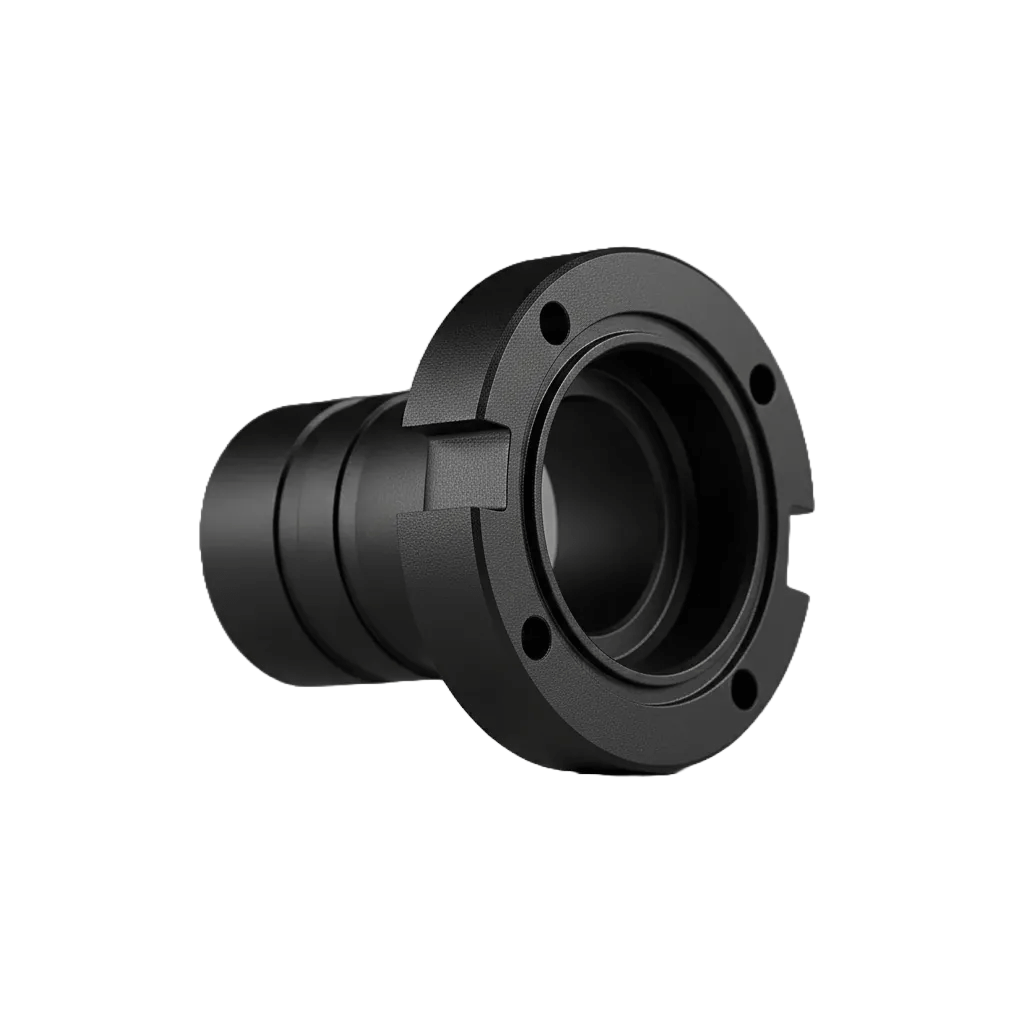
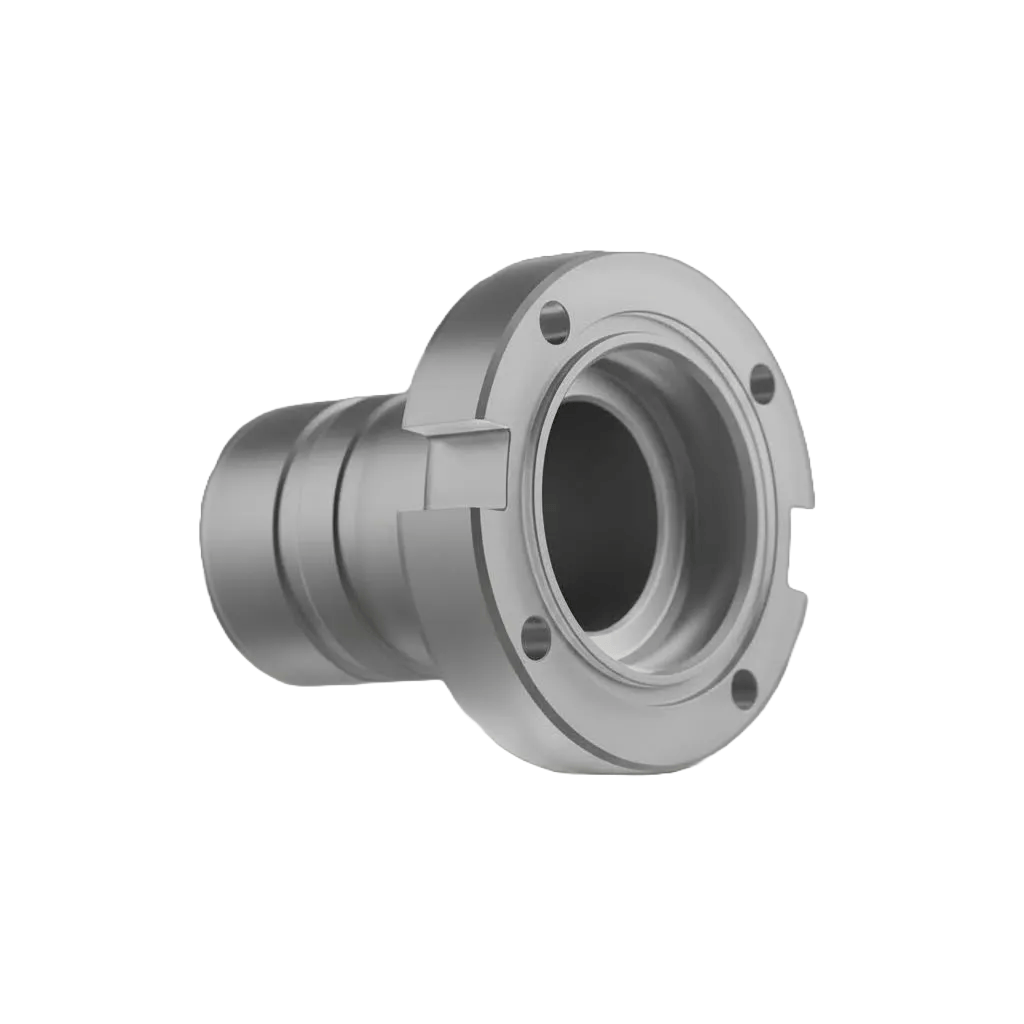
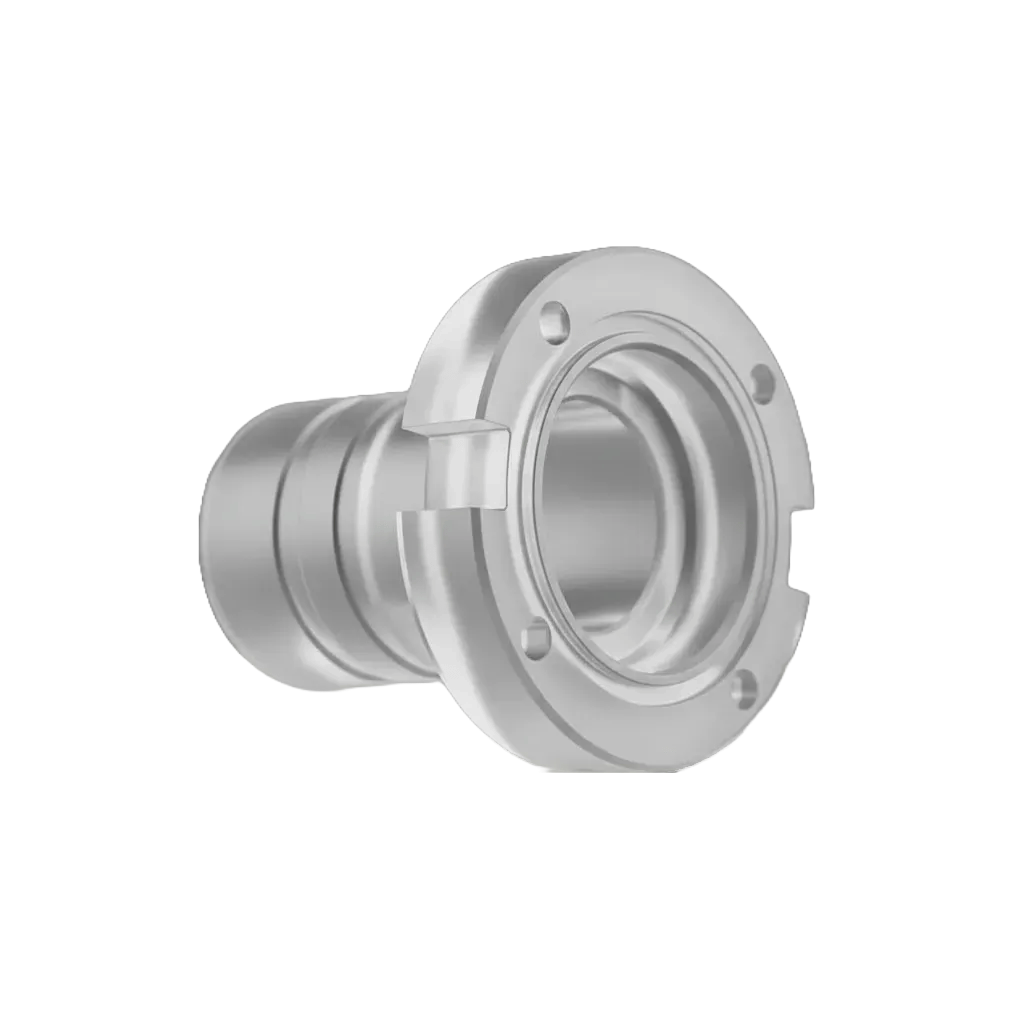
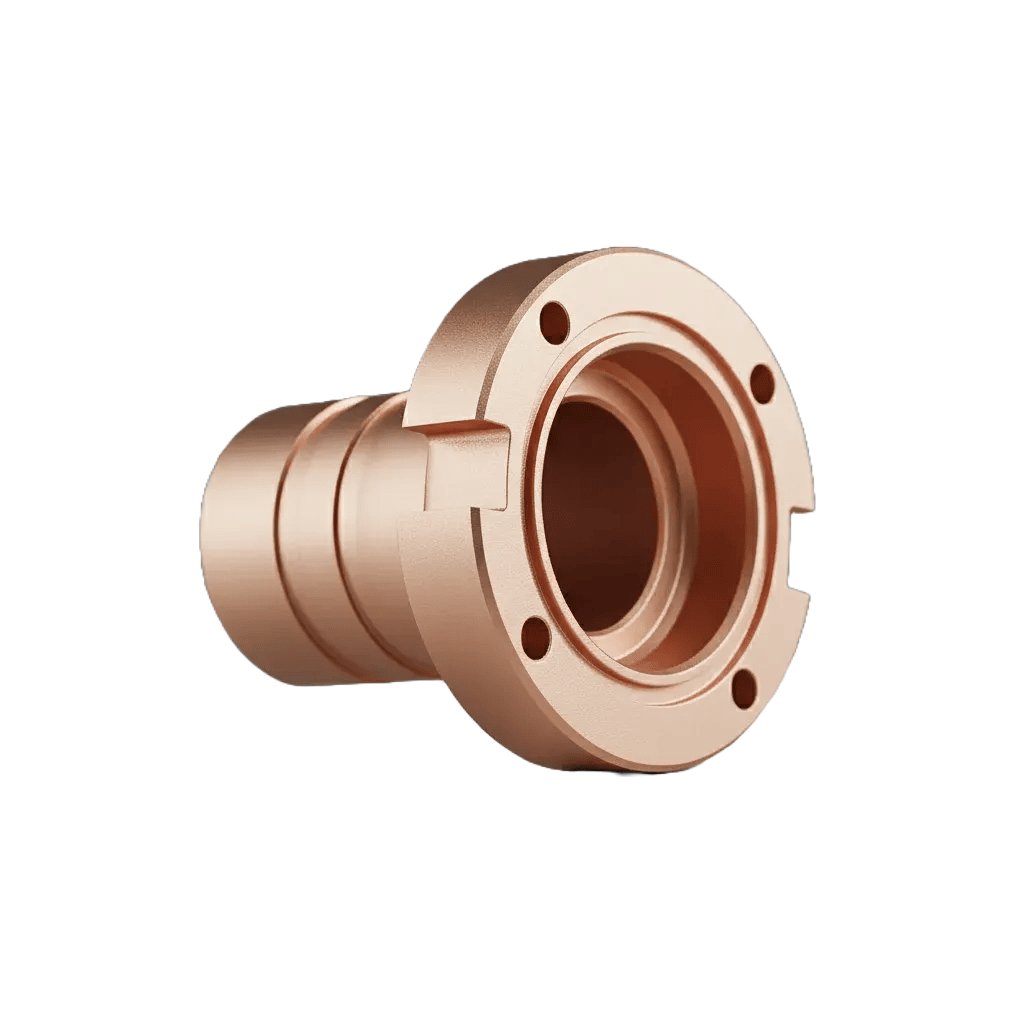
Finitions de surface pour le moulage de caoutchouc de silicone liquide
Capacités en matière de moulage de caoutchouc de silicone liquide
Ces capacités couvrent la plupart des travaux d'ingénierie liés au LSR. Les tolérances générales sont conformes à la norme ISO 2768-M, avec une précision de plus ou moins 0,05 mm confirmée pour chaque géométrie, car le silicone rétrécit lors du durcissement et les cotes serrées dépendent de la conception des parois et de la qualité du matériau.
Fonctionnalité | Description |
Tolérances générales | Plage de tolérance selon la norme ISO 2768-M |
Tolérances de précision | Précision pouvant atteindre ± 0,05 mm selon la géométrie |
Épaisseur minimale de la paroi | 0,3 à 0,5 mm selon la nuance du matériau |
Choix des matériaux | LSR de qualité médicale, alimentaire et industrielle |
Taille maximale de la pièce | En fonction de la conception du moule et de la capacité de la presse |
Volume de production | Du prototype à plus de 100 000 pièces |
Options d'outillage | Moules prototypes en aluminium et moules de série en acier trempé |
Secteurs d'activité que nous desservons
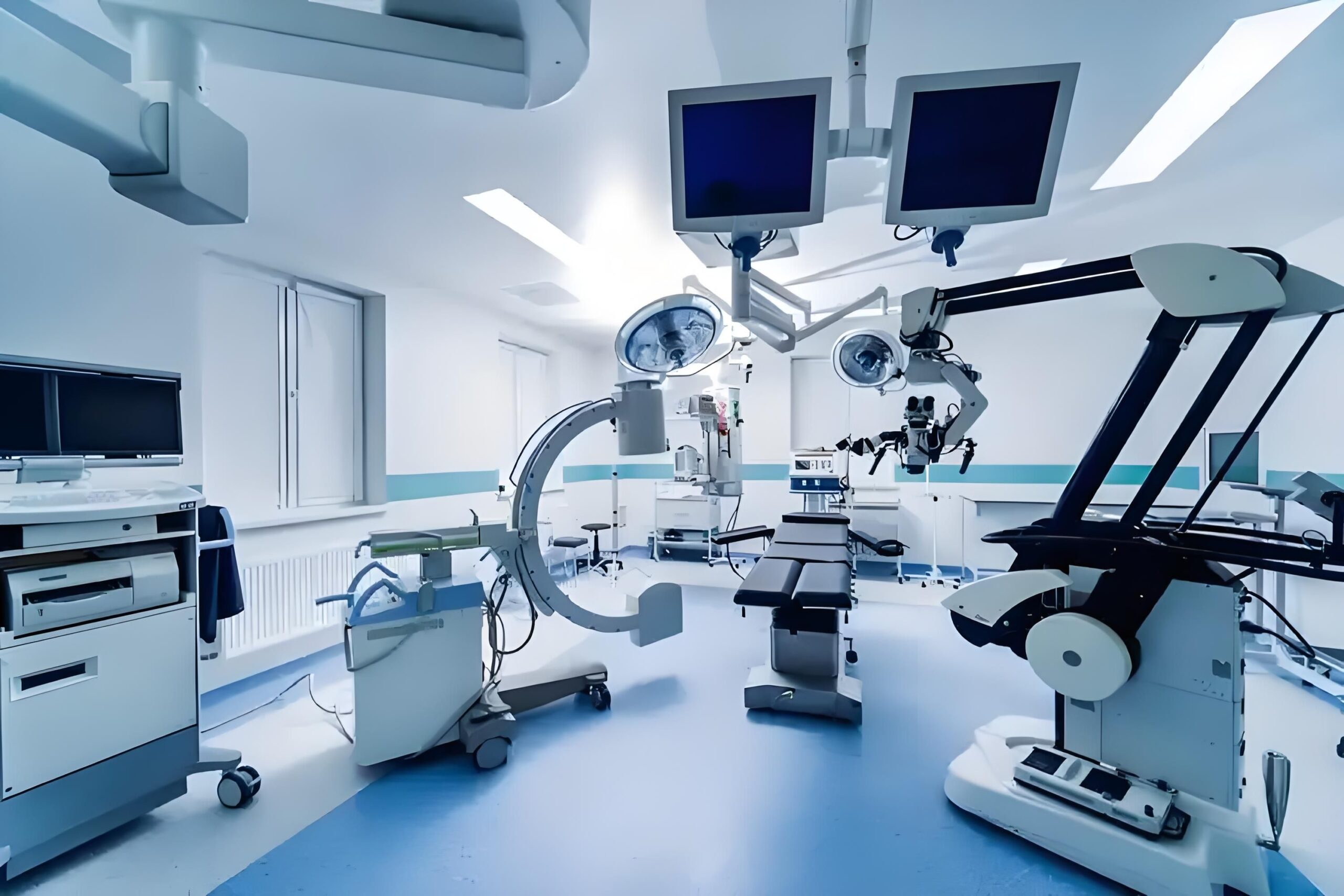
Composants en silicone biocompatibles soumis à des contrôles rigoureux en matière de dimensions et de sécurité, destinés aux dispositifs médicaux, aux joints d'étanchéité et aux appareils portables.

Joints d'étanchéité, joints d'étanchéité et interfaces de clavier offrant une excellente isolation électrique et une grande souplesse.
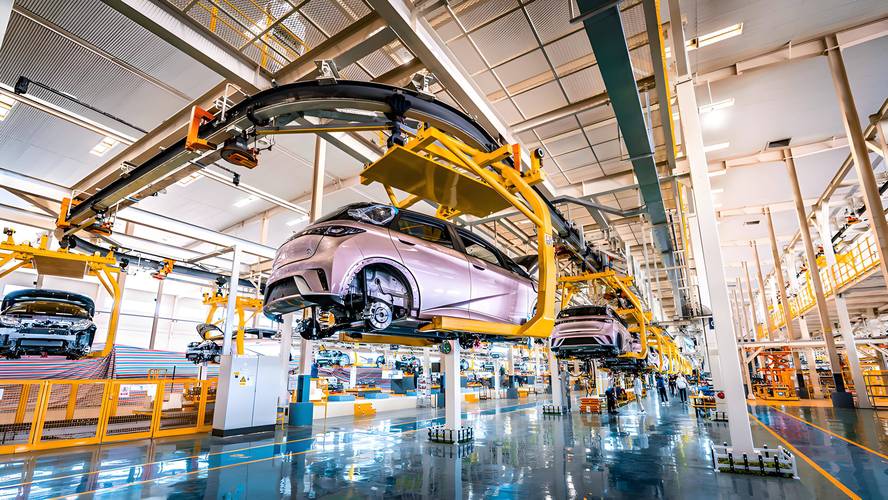
Joints, œillets et pièces d'amortissement des vibrations résistants, capables de supporter la chaleur, le froid et l'exposition aux produits chimiques.

Boîtiers, capots et composants souples en silicone sur mesure pour les systèmes d'automatisation.
En quoi XY Machining se distingue-t-il de ses concurrents ?




Notre galerie de moulages en LSR
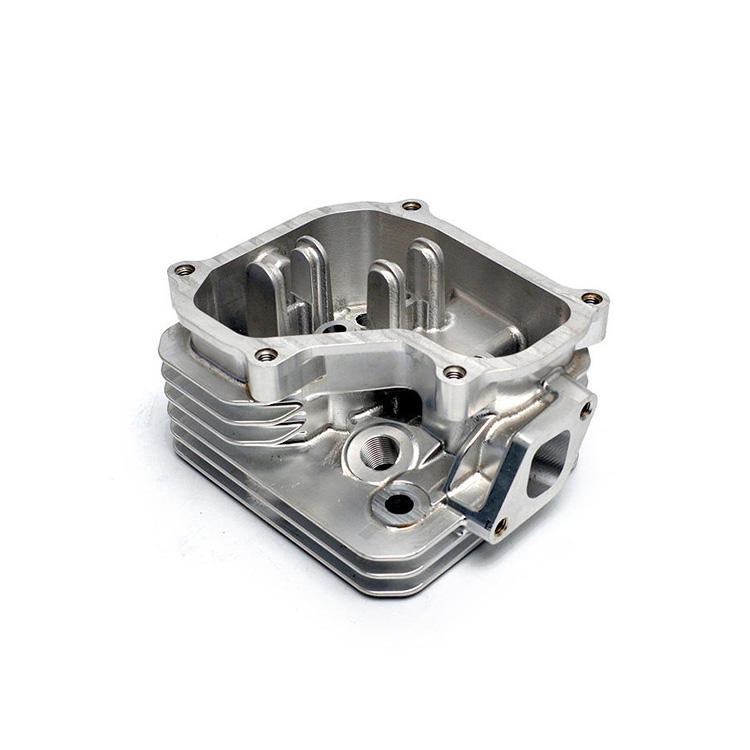
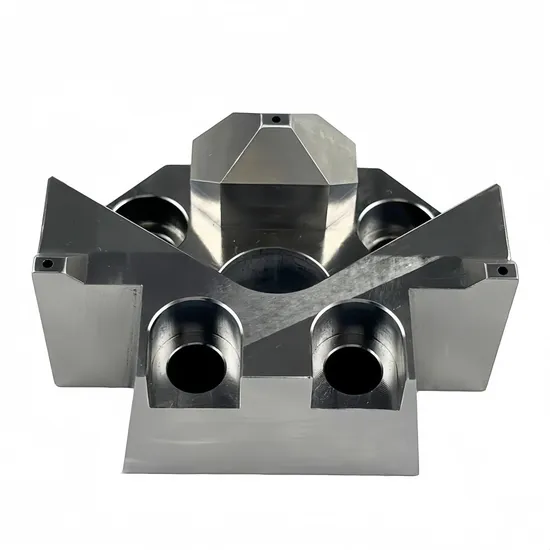
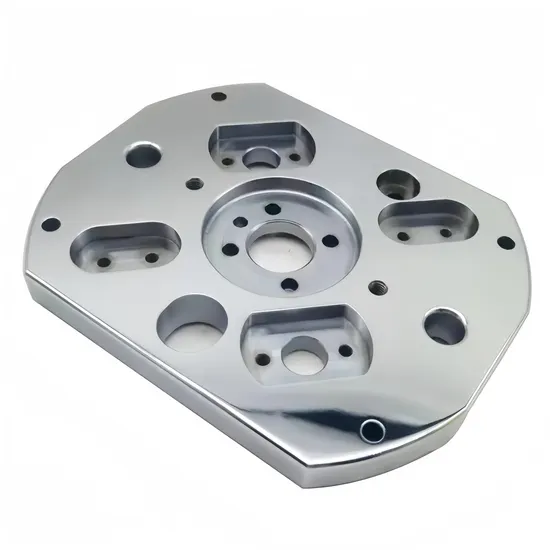
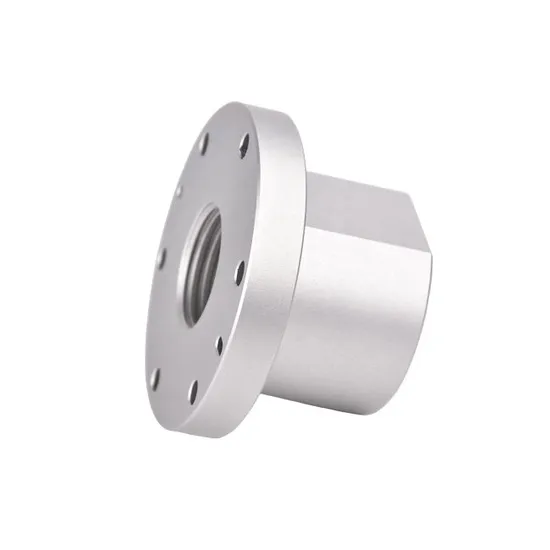
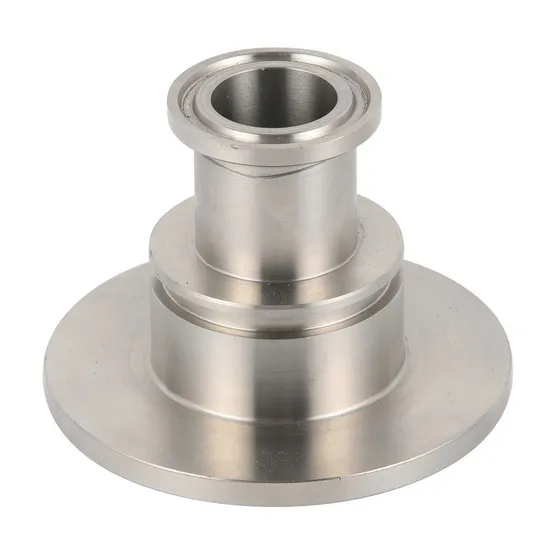
Ces exemples présentent des composants moulés par LSR de haute précision, notamment des joints médicaux, des joints en silicone, des vannes, des pièces pour appareils portables et des connecteurs automobiles. Chacun d'entre eux témoigne d'une grande précision dimensionnelle, d'un moulage soigné, d'un évacuation des gaz adéquate et d'un contrôle qualité conforme aux normes ISO.
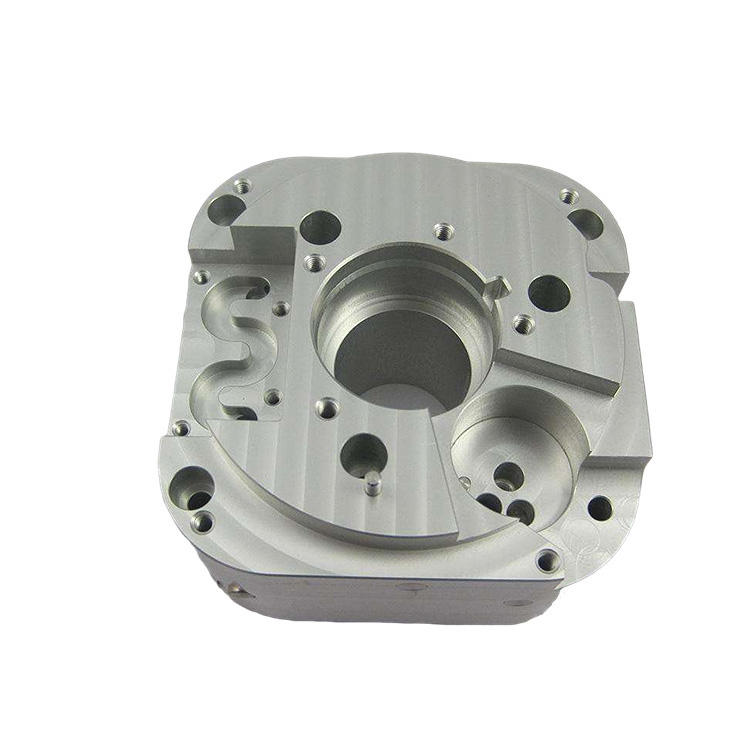
Directives de conception pour le moulage de caoutchouc de silicone liquide
Une bonne conception LSR permet d'éviter les deux défauts les plus courants, à savoir les poches d'air et les bavures, avant même la fabrication du moule. Ces recommandations permettent d'obtenir des pièces exemptes de bulles et faciles à démouler :
Fonctionnalité | Ligne directrice |
Angle de projection | 1°–3° : température recommandée pour faciliter le démoulage |
Épaisseur de la paroi | Une épaisseur uniforme pour éviter la formation de poches d'air |
Contre-dépouilles | Réalisable à l'aide de glissières ou d'outillage sophistiqué |
Rayons et angles | Les coins arrondis améliorent la circulation du matériau |
Évacuation | Une purge adéquate garantit l'absence de bulles dans les pièces en silicone |
Taux de retrait | Cela dépend du type de silicone et des conditions de durcissement |
Surmoulage | Le LSR adhère aux plastiques ou métaux compatibles |
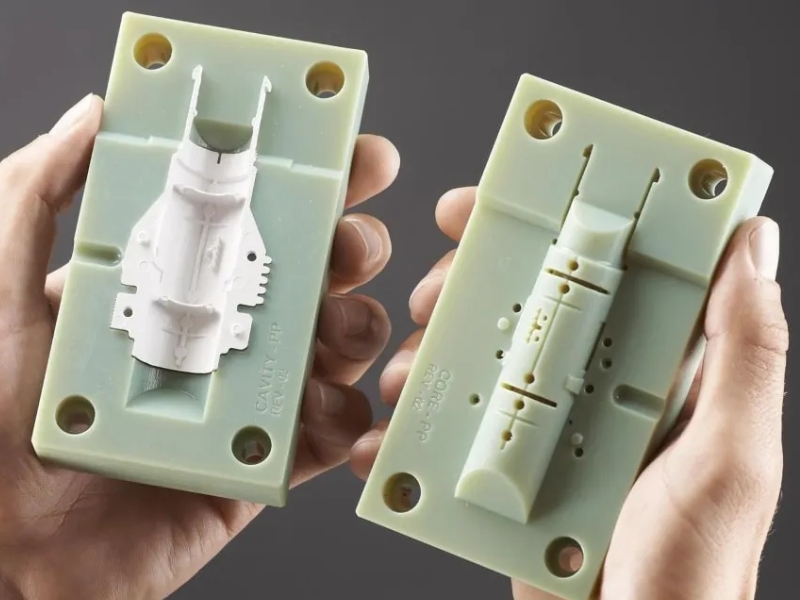
Des moules en aluminium qui vous permettent de passer rapidement d'une idée à des pièces en silicone fonctionnelles, idéaux pour les prototypes et les petites séries où la rapidité et la précision sont toutes deux essentielles.
Des outillages trempés, conçus pour une durabilité à long terme, garantissant la fabrication de pièces homogènes et précises tout au long de la production à grande échelle.
Avantages du moulage au caoutchouc de silicone liquide
- Haute précision et répétabilité : Le moulage par injection de LSR permet d'obtenir des pièces en silicone homogènes, aux tolérances serrées, destinées à des applications exigeantes.
- Excellente résistance à la température : Résiste à des températures extrêmes, généralement comprises entre environ -50 °C et +250 °C, sans perdre sa souplesse.
- Biocompatibilité et sécurité : Le LSR de qualité médicale est idéal pour les applications dans le domaine de la santé, en contact avec les aliments et les appareils portables. Le LSR est idéal pour les applications dans le domaine de la santé, l'alimentation et les appareils portables.
- Résistance aux produits chimiques et aux rayons UV :Résistant à l'humidité, aux produits chimiques, à l'ozone et aux agressions environnementales.
Du prototype à la production — Un partenaire de confiance
- Une expertise reconnue dans les secteurs du médical, de l'automobile, de l'électronique et de la robotique
- Un service d'assistance technique réactif avec des délais de réponse rapides pour les devis
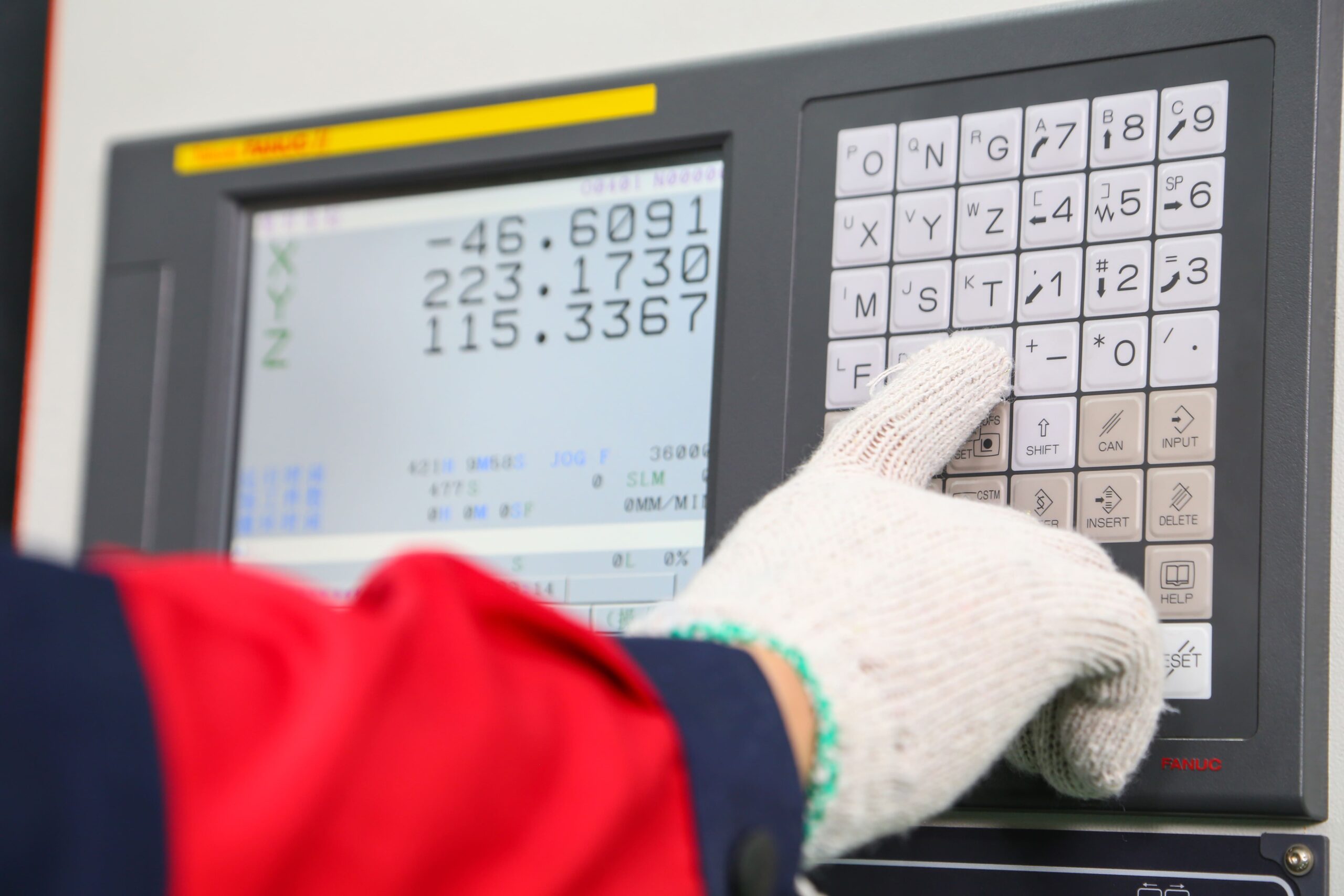
- Capacités d'usinage CNC modernes à 3 et 5 axes
- Retour d'expérience collaboratif sur la conception pour la fabrication (DFM) afin de réduire les risques et les coûts
- Une production à la demande fiable, assortie d'un contrôle documenté
Comment ça marche – Processus en trois étapes
Nous garantissons que les pièces usinées par CNC sont livrées dans les délais et que le processus est totalement transparent, en suivant ces 3 étapes simples :

Envoyez votre Modèle 3D et obtenir des commentaires sur la conception pour la fabrication (DFM) concernant l'épaisseur des parois, les évents et la pente avant la découpe du moule.

Une fois le moule validé, le LSR en deux composants est dosé, mélangé puis injecté dans un moule chauffé, le tout sous contrôle du processus et avec un contrôle en cours de fabrication.

Les pièces sont soumises à un contrôle dimensionnel et esthétique et sont expédiées accompagnées d'une documentation de contrôle qualité disponible sur demande.
Solutions complètes proposées par XY Machining
Foire aux questions
Quelle dureté Shore (duromètre) dois-je choisir pour le LSR ?
La dureté est la caractéristique la plus importante du LSR ; elle détermine directement le comportement de la pièce. La plupart des LSR se situent sur l'échelle Shore A entre environ 10A et 80A : les grades souples, proches de 10 à 30A, épousent bien les formes et assurent une bonne étanchéité pour les appareils portables, les éléments d'amortissement et les pièces au toucher doux ; les grades moyens, de 40 à 50A, conviennent aux joints d'étanchéité, aux garnitures et aux boutons qui se plient ; enfin, les grades fermes, de 60 à 80A, sont adaptés aux joints structurels, aux connecteurs et aux pièces soumises à des charges. Les grades très souples, de type gel, se situent sur l’échelle Shore 00 et sont destinés aux applications médicales délicates. Nous vous aidons à choisir la dureté appropriée lors de la conception pour la fabrication (DFM), en fonction de la fonction de la pièce (étanchéité, flexion, préhension ou support de charge), car une dureté inadaptée est une cause fréquente de défaillance en service.
Quelle plage de températures les pièces en LSR peuvent-elles supporter ?
Le LSR résiste à une plage de températures bien plus large que la plupart des thermoplastiques, généralement comprise entre environ -50 °C et +250 °C, et conserve sa souplesse à ces deux extrêmes. C’est précisément cette stabilité qui explique son utilisation pour les joints sous le capot des véhicules, les dispositifs médicaux soumis à la stérilisation et les composants électroniques exposés à des cycles thermiques. Des grades spécialisés, tels que le silicone haute température et le fluorosilicone, améliorent encore les performances pour les environnements les plus exigeants. Nous validons le grade en fonction de la température réelle de fonctionnement de votre pièce afin que le joint ou le composant soit performant tout au long de sa durée de vie, et pas seulement à température ambiante.
Le LSR est-il vulcanisé au platine ou au peroxyde, et cela a-t-il une importance ?
Nous utilisons du LSR vulcanisé au platine, et le système de vulcanisation revêt une importance bien plus grande que ne le pensent la plupart des acheteurs. La vulcanisation au platine génère très peu de composés volatils résiduels, est plus rapide et offre une meilleure transparence optique ; c’est pourquoi elle constitue la norme pour les pièces médicales, destinées au contact alimentaire et optiques, et est requise pour la plupart des applications biocompatibles. Le durcissement au peroxyde est plus lent et laisse des composés volatils qui doivent être éliminés par un post-cuisson ; il est donc limité à un usage industriel général. La chimie au platine permet également d’obtenir du LSR auto-adhésif pour le surmoulage sur des plastiques compatibles. Pour toute pièce soumise à une réglementation, le durcissement au platine est le choix approprié et généralement obligatoire.
Quelle est la différence entre le LSR et le TPE ?
Ces deux matériaux sont souples, mais il s’agit de matériaux fondamentalement différents, issus de procédés distincts. Le LSR est un thermodurcissable : il durcit de manière définitive dans un moule chauffé et ne peut pas être refondu, ce qui lui confère une plage de températures beaucoup plus large, une meilleure résistance aux produits chimiques et aux UV, ainsi qu’une véritable biocompatibilité pour les applications médicales et alimentaires. Le TPE est un élastomère thermoplastique qui fond puis se solidifie à nouveau ; il est donc moins coûteux à transformer et plus facile à recycler, mais il ramollit à haute température et n’égale généralement pas le LSR en termes de résistance à la chaleur, de longévité ou de conformité réglementaire. Optez pour le LSR lorsque la pièce est exposée à la chaleur, à la stérilisation, à des produits chimiques ou au contact avec la peau, et pour le TPE lorsque le coût et la facilité de mise en œuvre priment sur les performances extrêmes.
Combien coûte le moulage LSR ?
Deux facteurs déterminent le devis d’un projet LSR : le moule (un coût fixe initial) et le prix unitaire, qui diminue à mesure que le volume augmente, car le coût de l’outillage est réparti sur un plus grand nombre de pièces. Les prototypes en aluminium et les outillages intermédiaires permettent de maintenir un coût initial faible pour les premières séries, tandis que les moules multicavités en acier trempé s’avèrent rentables à partir de volumes élevés. Au-delà de l’outillage, les principaux facteurs sont la taille de la pièce, la dureté et la qualité (les silicones médicaux et spécialisés coûtent plus cher que les qualités industrielles), le nombre de cavités et la durée du cycle. Le moulage LSR présente un faible gaspillage de matière et des cycles rapides grâce à un système à canaux froids, ce qui contribue à réduire le coût unitaire à grande échelle. Nous décomposons les facteurs de coût lors de la conception pour la fabrication (DFM) afin que vous puissiez adapter votre outillage au volume de production réel.
Quelles tolérances pouvez-vous respecter sur les pièces en LSR ?
Les tolérances générales sont conformes à la norme ISO 2768-M, et nous garantissons une précision allant jusqu’à ± 0,05 mm, confirmée pour chaque caractéristique. Le silicone est intrinsèquement plus souple que le métal usiné, car il se rétracte lors de son durcissement ; ce retrait varie en fonction de la qualité du matériau, de l’épaisseur des parois et des conditions de durcissement. Nous concevons donc le moule de manière à compenser ce retrait spécifique. L’uniformité des parois et un évacuation adéquate de l’air sont tout aussi importantes que le nombre de points d’évacuation, car les poches d’air et les bavures sont les causes habituelles de pièces hors spécifications. Nous vérifions la tolérance réalisable pour votre géométrie lors de l’analyse de la fabricabilité (DFM), afin que vous ne spécifiiez des cotes serrées que là où la pièce en a réellement besoin.
Le LSR peut-il être moulé dans des couleurs personnalisées ou en version transparente ?
Oui. Le LSR est naturellement translucide ou blanc et se teinte facilement, car le pigment liquide est dosé en tant que troisième flux avant que le matériau n’entre dans le mélangeur, ce qui garantit une couleur homogène dans toute la pièce plutôt qu’un simple revêtement de surface. Nous pouvons reproduire des couleurs personnalisées pour l’image de marque ou le codage couleur, et proposer des grades transparents comme de l’eau pour les pièces optiques et les guides de lumière. Le pigment étant dosé en ligne, la couleur reste uniforme tout au long d’un cycle de production complet. Indiquez-nous la couleur souhaitée ou les exigences optiques lors de la phase de conception pour la fabrication (DFM) afin que nous puissions valider le grade et la charge de pigment.
Quelles certifications proposez-vous pour les pièces LSR à usage médical ?
Pour les applications médicales et en contact avec les aliments, nous proposons du LSR biocompatible, vulcanisé au platine, conforme aux normes USP Classe VI et ISO 10993, moulé dans le cadre de systèmes qualité certifiés avec contrôle et traçabilité documentés. Le silicone vulcanisé au platine est compatible avec la stérilisation en autoclave, par rayonnement gamma et à l’oxyde d’éthylène (EtO), ce qui convient aussi bien aux dispositifs réutilisables qu’à ceux à usage unique. Les pièces médicales nécessitent généralement un post-cuisson pour éliminer tout résidu, étape que nous intégrons au processus. Indiquez-nous la norme à laquelle votre pièce doit se conformer lors de la conception pour la fabrication (DFM) afin que nous puissions définir dès le départ la qualité de silicone, le type de durcissement et le plan de contrôle adaptés.
Quelle est l'épaisseur minimale de paroi pour une pièce en LSR ?
Nous moulons des parois d’une épaisseur comprise entre 0,3 et 0,5 mm selon la nuance de silicone utilisée, ce qui est plus fin que ne le permettent la plupart des thermoplastiques, car le LSR à faible viscosité s’écoule facilement dans les détails fins. La clé réside dans le maintien d’une épaisseur de paroi uniforme, car des variations brusques entraînent la formation de poches d’air et un durcissement irrégulier. La souplesse du LSR lui permet également de se démouler de détails qui bloqueraient une pièce en plastique rigide, ce qui ouvre la voie à la fabrication de membranes fines, de joints d’étanchéité et de géométries délicates. Nous vérifions l’épaisseur des parois et l’écoulement lors de l’analyse DFM et proposons des ajustements afin que la pièce se remplisse proprement et se démoule sans se déchirer.
Combien de temps faut-il pour la fabrication des outils et la production en LSR ?
Le délai de fabrication se divise en deux phases : l’outillage et la production. L’outillage prototype en aluminium est le plus rapide, et de nombreux moulistes LSR sont capables de passer du prototype à la production en deux à trois semaines environ, tandis que l’outillage de production trempé prend plus de temps, car il est conçu pour un nombre élevé de cavités et une longue durée de vie. Une fois le moule validé, le durcissement rapide du LSR et le système à canaux froids permettent des temps de cycle courts et des productions en grande série efficaces. L’outillage étant l’étape la plus longue et la plus coûteuse, nous finalisons la conception via l’analyse DFM avant de découper l’acier, ce qui vous évite les retouches qui allongent les délais. Vous bénéficiez ainsi d’un délai de livraison ferme indiqué dans votre devis.