Services de fabrication de moules sur mesure
Bénéficiez de moules d'injection prêts pour la production grâce à des services de fabrication sur mesure, conçus pour les ingénieurs qui recherchent une qualité de pièces constante, l'acier adapté au volume de production et des délais de livraison transparents. XY Machining conçoit et fabrique des moules à cavité unique, à cavités multiples, empilés et 2K en aluminium et en acier à outils trempé, avec le soutien de son service interne Usinage CNC, l'usinage par électroérosion (EDM) et le contrôle dimensionnel. Téléchargez votre fichier CAO, obtenez des commentaires sur la fabricabilité (DFM) et la simulation de flux dans le moule avant même que l'acier ne soit découpé, et recevez un outillage adapté à votre volume de production, plutôt que surdimensionné par rapport à celui-ci.
- Moules en aluminium et en acier à outils, du prototype à plus d'un million de cycles
- Vérification de la conception pour la fabrication (DFM) et de la simulation d'écoulement dans le moule (Mold-Flow) pour chaque projet avant la fabrication des outillages
- Outillage SPI classes 101 à 105, précision de plus ou moins 0,02 mm
Obtenez instantanément des devis, les délais de réalisation des projets et des commentaires sur la conception pour la fabrication (DFM)
- Tous les envois sont sécurisés et confidentiels.
Qu'est-ce que la fabrication de moules sur mesure ?
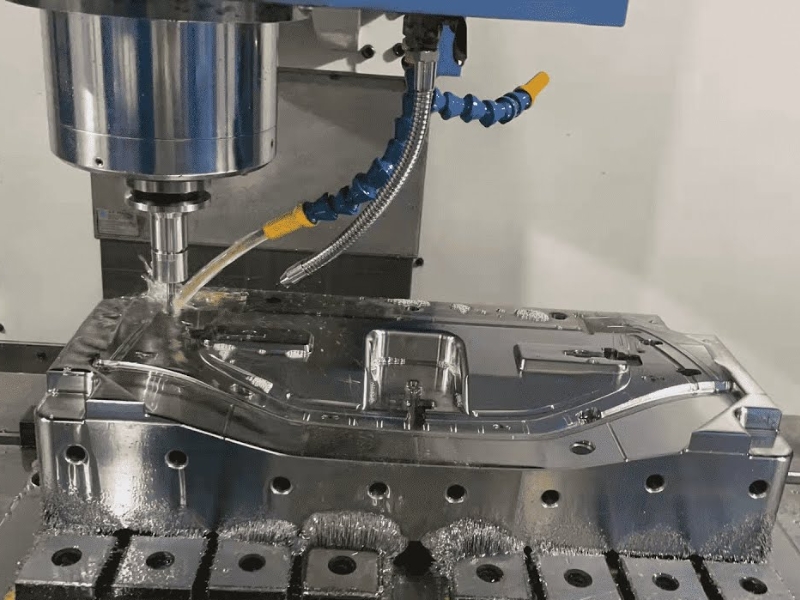
La fabrication de moules sur mesure consiste à concevoir et à usiner un moule d'injection permettant de produire une pièce en plastique spécifique selon des cycles répétitifs. Le moule est usiné dans de l'aluminium ou de l'acier à outils trempé, en fonction du volume, de la complexité de la pièce et de la durée de vie requise du moule ; il est ensuite fini, ajusté et soumis à des essais avant la mise en production. La fabrication de moules pour le moulage par injection combine la conception CAO, l'analyse du flux de matière, l'usinage CNC de précision, l'électroérosion pour les détails fins et l'ajustement manuel en un seul outil qui garantit une précision dimensionnelle coup après coup.
À Usinage XY Nous prenons en charge en interne la conception des moules, l'analyse DFM, l'usinage, l'assemblage et l'échantillonnage T1 ; ainsi, l'outil qui entre en production est celui qui a été spécialement conçu à cet effet.
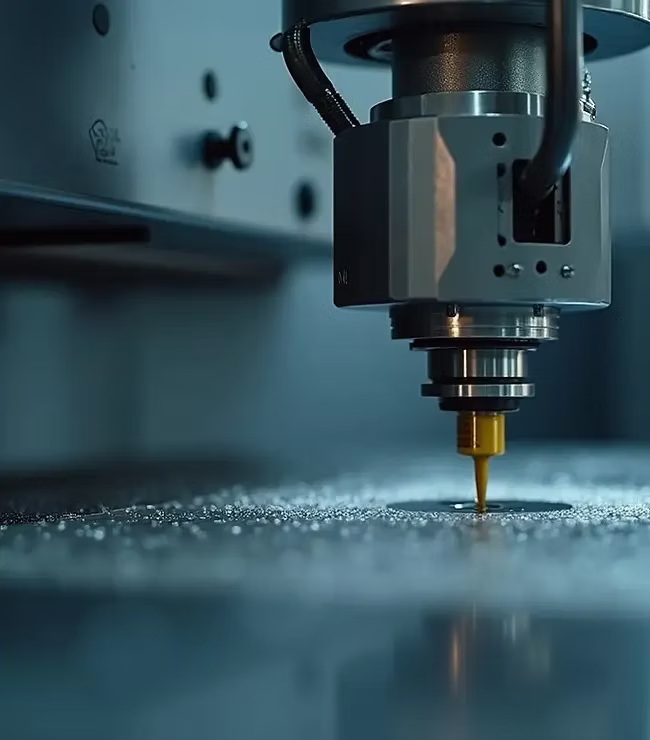
Capacités en matière de fabrication de moules
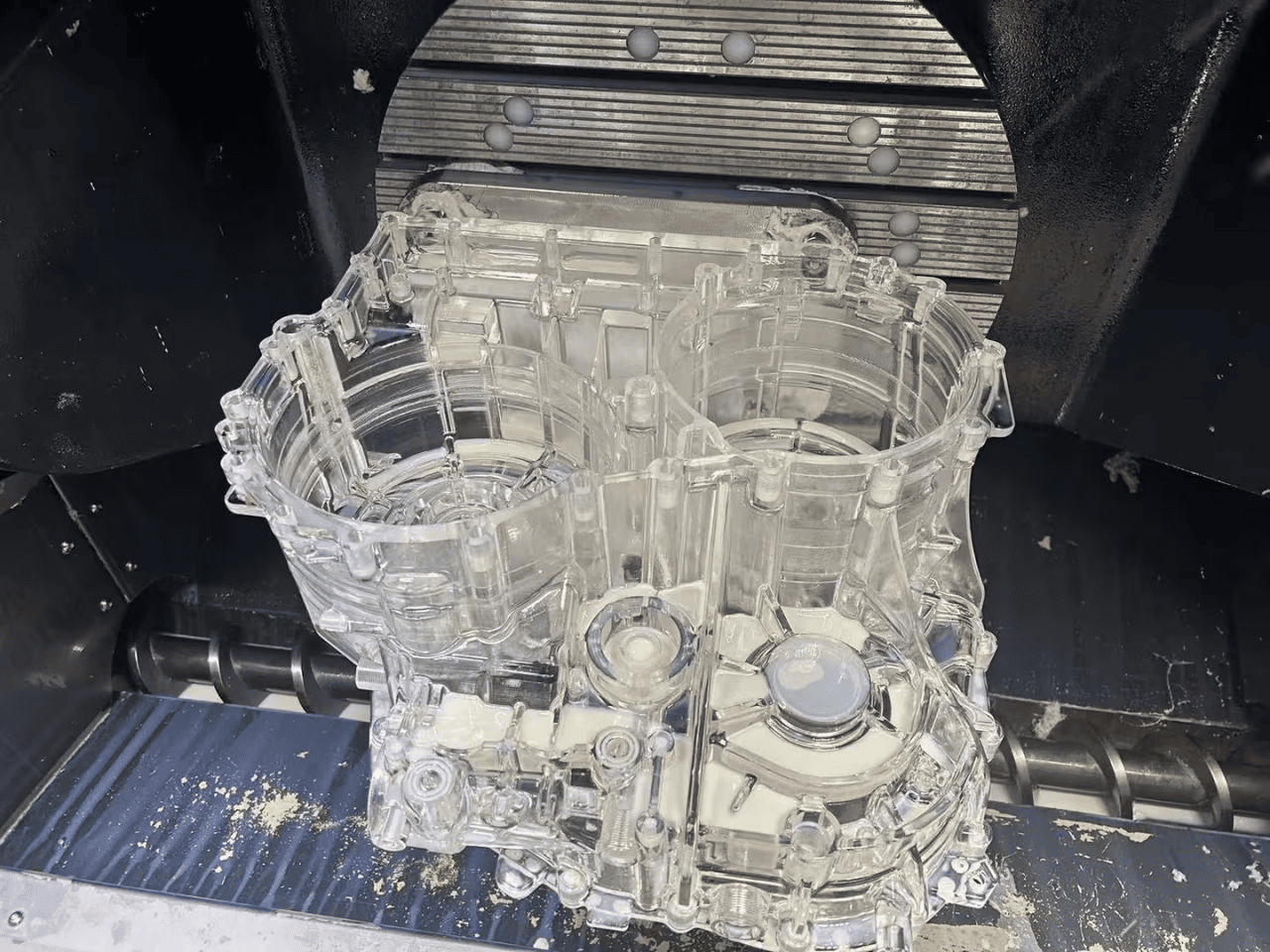
Moule à cavité unique
La solution la plus économique et la plus rapide à mettre en œuvre. Un moule à cavité unique convient à la fabrication de prototypes, à la production intermédiaire et aux pièces de très grande taille, tout en garantissant des tolérances strictes et en limitant l'investissement initial.
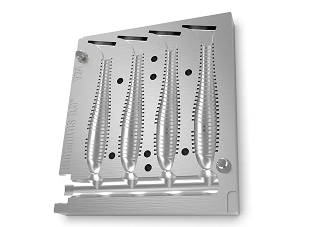
Moule à plusieurs cavités
Permet de produire plusieurs pièces identiques en un seul cycle d'injection. L'utilisation de moules à plusieurs cavités augmente le coût initial, mais réduit le prix unitaire, ce qui s'avère rentable dès que le volume annuel atteint plusieurs dizaines de milliers de pièces.
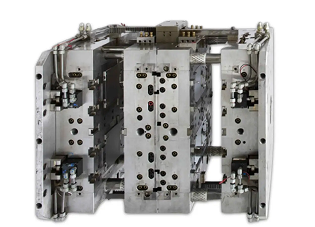
Moule à empilement
Une configuration à haut rendement qui intègre des cavités sur plusieurs plans de joint, permettant ainsi d'augmenter la production sans avoir à passer à une presse plus grande. Idéale pour les séries à haut volume et en continu, où l'efficacité du cycle est déterminante pour maîtriser les coûts.
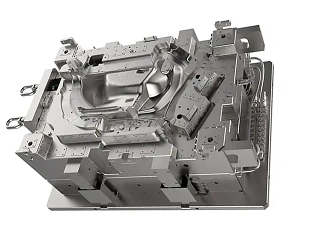
Moule de surmoulage 2K
Permet de mouler deux matériaux ou deux couleurs en un seul cycle, en assemblant une poignée souple à un corps rigide ou en combinant des plastiques durs et souples. Idéal pour les poignées, les joints, les boutons et les assemblages multimatières qui nécessiteraient autrement un assemblage secondaire.
Pourquoi choisir XY Machining pour la fabrication de moules sur mesure ?
Moule de précision La qualité de fabrication dépend non seulement de la conception, mais aussi de l'usinage et des contrôles effectués en amont de la fabrication de l'outil. Notre équipe associe des centres d'usinage CNC de pointe à des procédés d'électroérosion et à des mesures de haute précision, et applique un système de gestion de la qualité conforme aux normes ISO afin que chaque moule soit parfaitement conforme à son plan.
De l'optimisation de la conception des moules et de l'analyse DFM jusqu'à la validation finale des outils et à l'échantillonnage T1, nous privilégions la durabilité, la répétabilité et la stabilité des temps de cycle. Que vous ayez besoin d'un outillage rapide en aluminium pour une série pilote ou d'un moule en acier trempé pour la production en série, vous recevez vos outils dans les délais impartis, les compromis liés à la conception pour la fabrication (DFM) étant clairement définis avant le début de l'usinage.
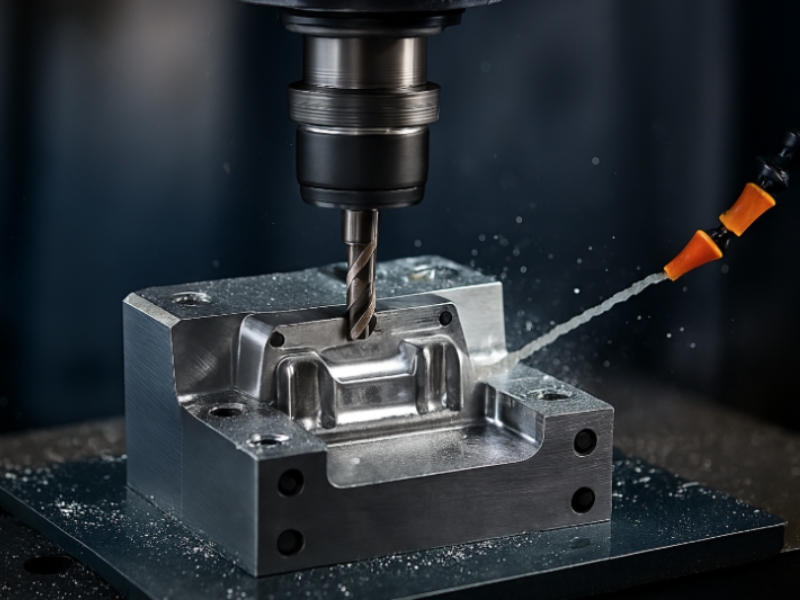
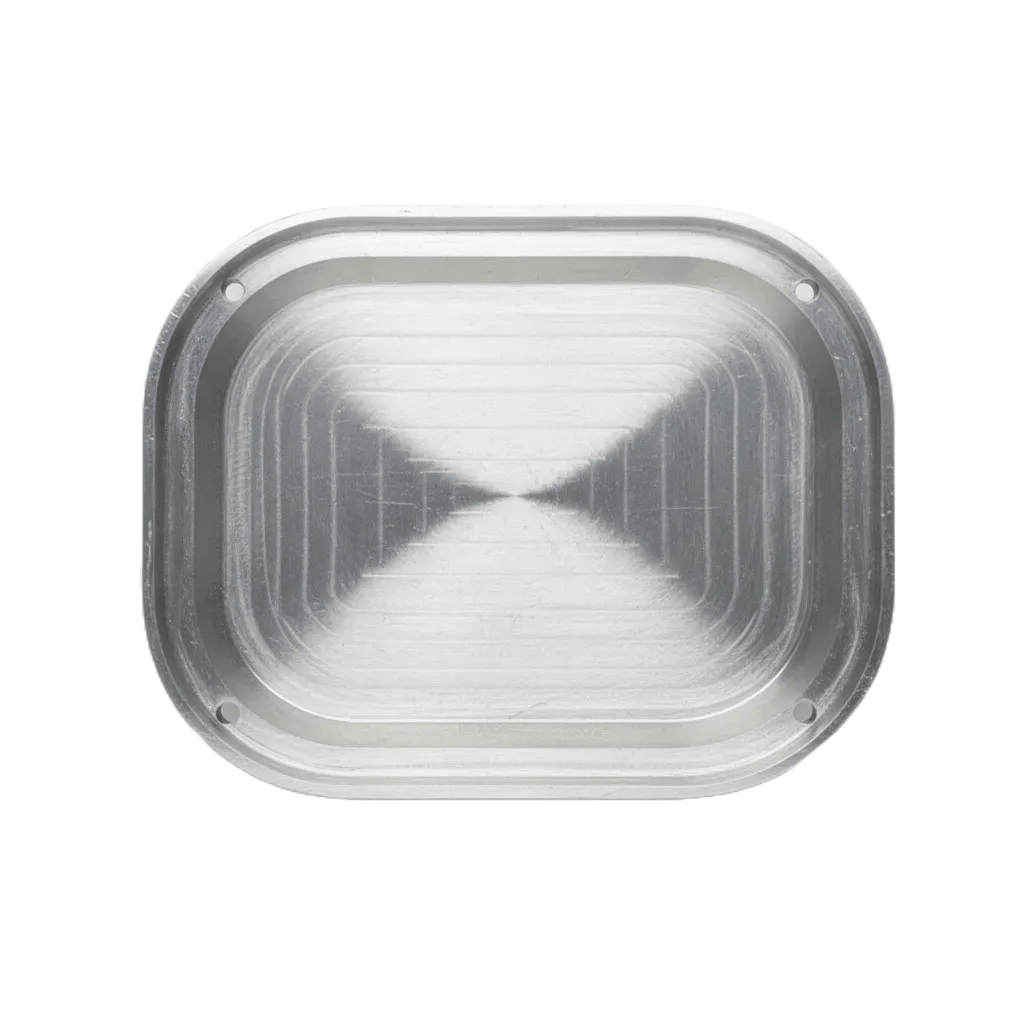
Conserve la surface usinée avec des trajectoires d'outils visibles, ce qui convient aux éléments fonctionnels et non esthétiques des moules.
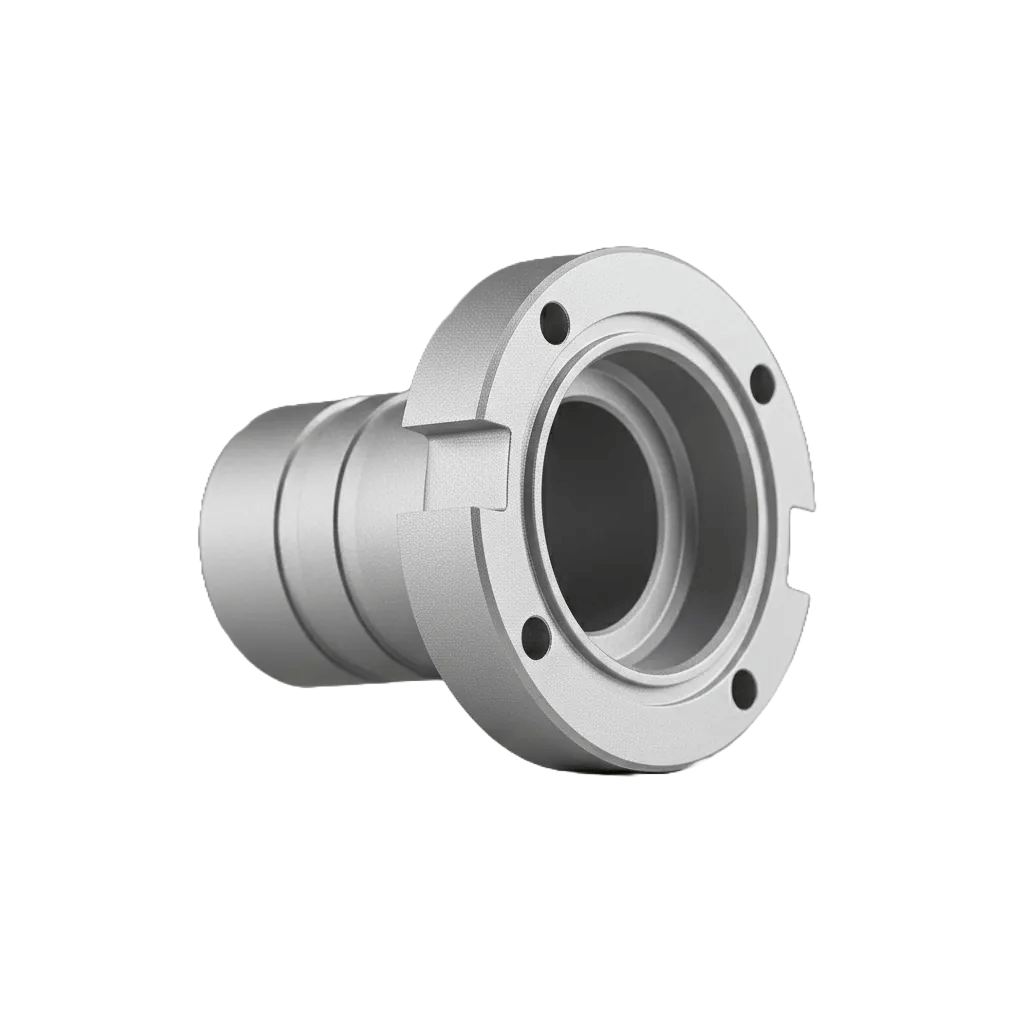
Permet d'obtenir une texture mate uniforme qui élimine les fines traces d'usinage et uniformise l'aspect de la surface.
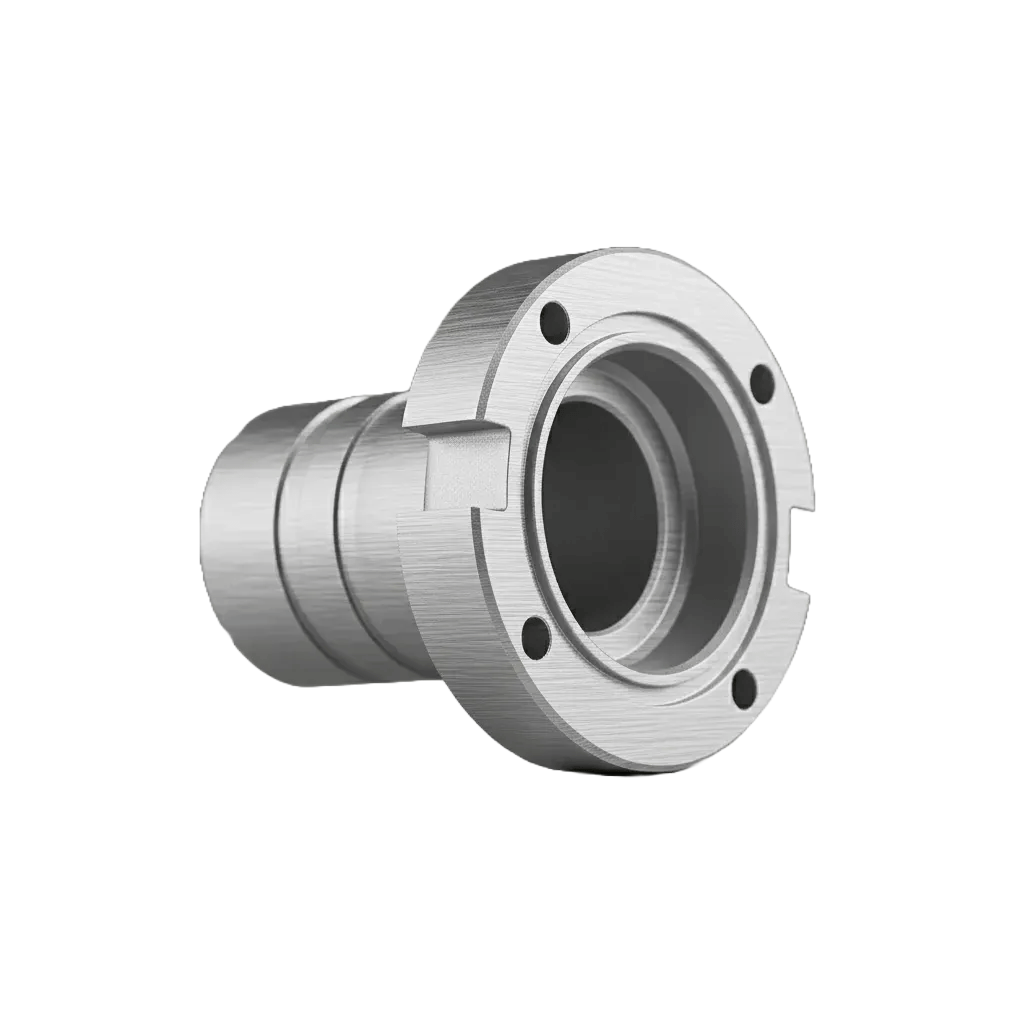
Permet d'obtenir des lignes fines et orientées, garantissant une texture contrôlée et homogène sur les composants apparents.
Appliqué aux moules et inserts en aluminium pour améliorer leur résistance à la corrosion et leur dureté de surface.
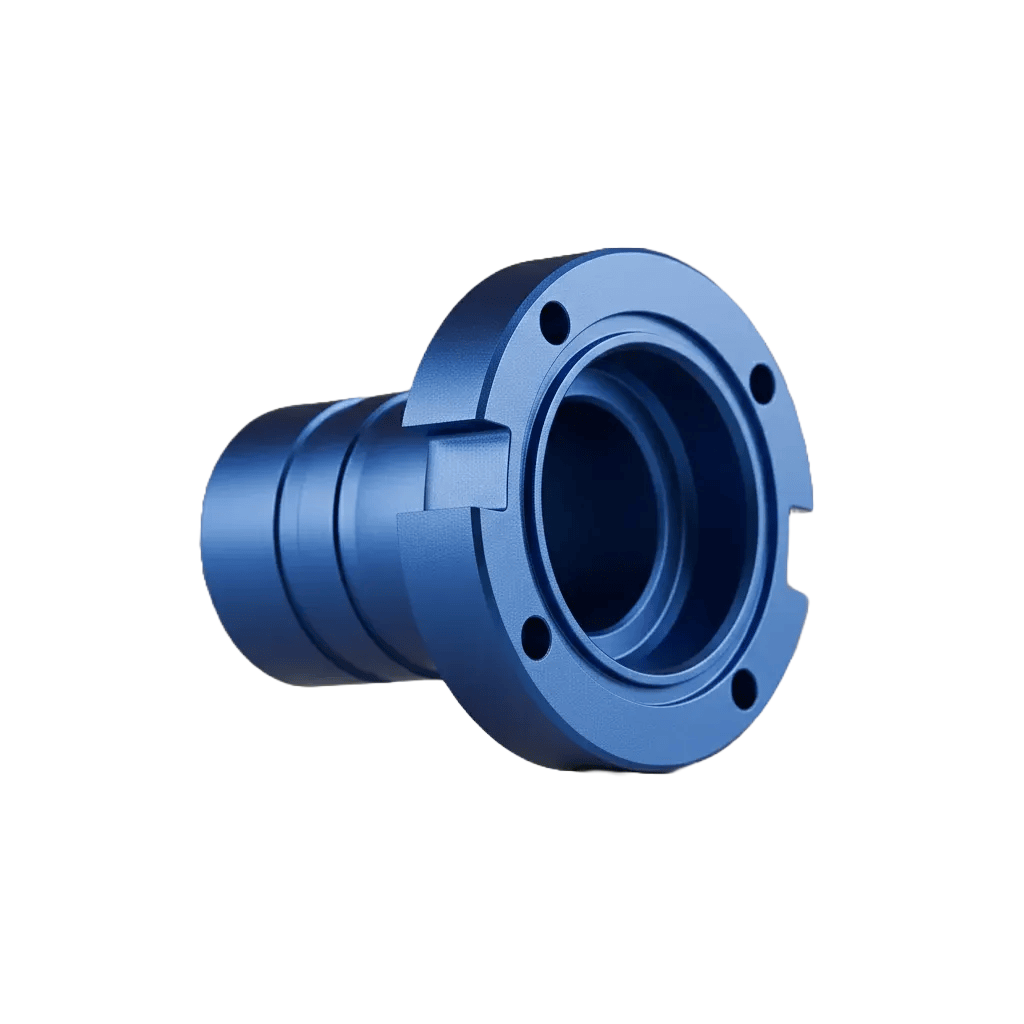
Polissage en plusieurs étapes jusqu'à l'obtention d'un brillant élevé pour les surfaces de pièces cosmétiques ou optiques, adapté à la finition SPI requise pour votre pièce.
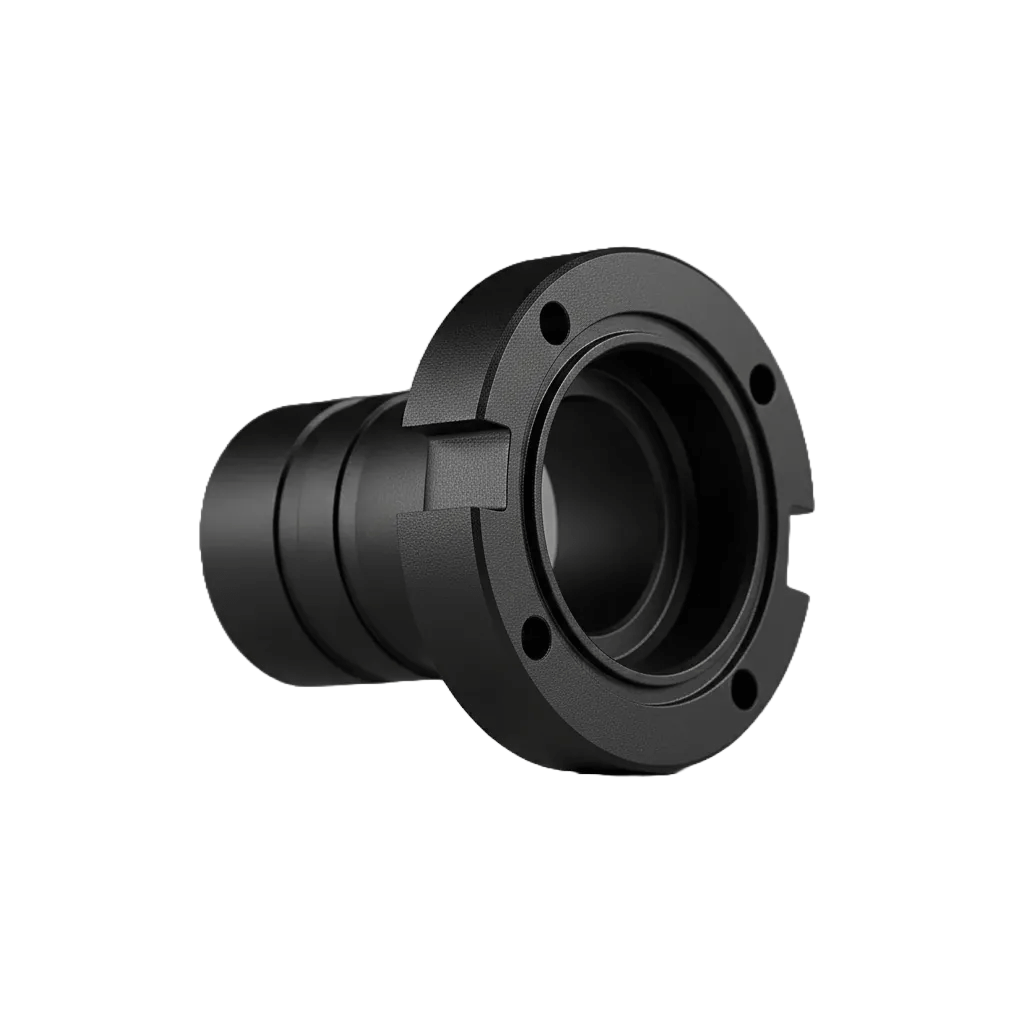
Finitions de surface en usinage CNC
Classification des moisissures
Le choix de la classe de moule SPI est la décision la plus importante en matière d'outillage, car il est directement lié au nombre de pièces que le moule doit produire. En choisissant d'emblée la bonne classe, vous évitez de payer pour un moule en acier prévu pour un million de cycles alors qu'un moule prototype en aluminium suffirait. Toutes les classes ci-dessous offrent une précision de plus ou moins 0,02 mm ; ce qui varie, ce sont la durée de vie du moule, le matériau, le coût et le délai de fabrication.
Classe | Objectif | Durée de vie des moisissures | Tolérance | Coût | Délai de livraison |
Classe 105 | Essais de prototypes | Moins de 500 cycles | ± 0,02 mm | $ | 7 à 10 jours |
Classe 104 | Production en petite série | Moins de 100 000 cycles | ± 0,02 mm | $$ | 10 à 15 jours |
Classe 103 | Production moyenne | Moins de 500 000 cycles | ± 0,02 mm | $$$ | 10 à 15 jours |
Classe 102 | Volume moyen à élevé | Moins d'un million de cycles | ± 0,02 mm | $$$$ | 10 à 18 jours |
Cours 101 | Production à grand volume | Plus d'un million de cycles | ± 0,02 mm | $$$$$ | 15 à 20 jours |
Nous vous recommandons de suivre une formation dans le cadre du DFM en fonction de votre volume de production cible et du matériau de vos pièces, afin que vous vous engagiez uniquement sur l'outillage dont votre programme a réellement besoin.
En quoi XY Machining se distingue-t-il de ses concurrents ?




Notre galerie de moulage par injection
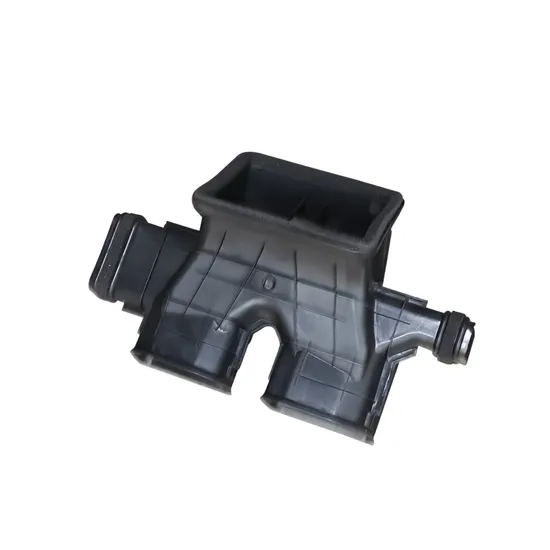
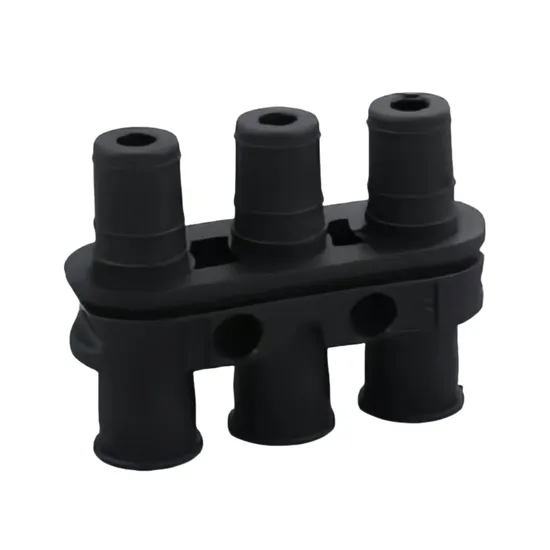
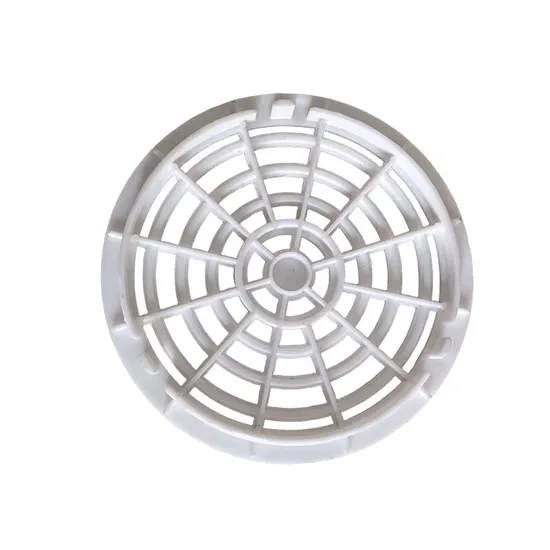
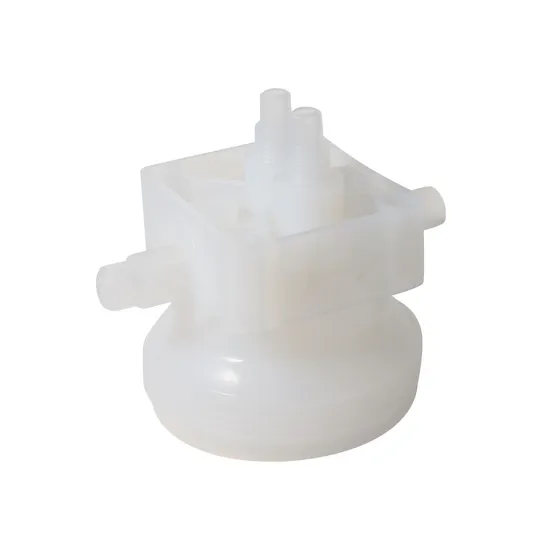
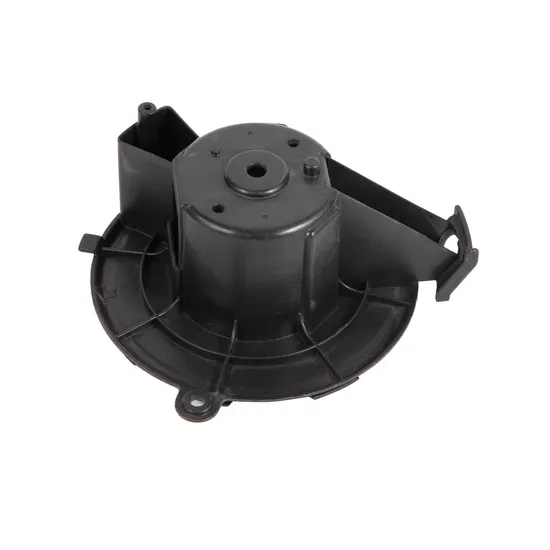
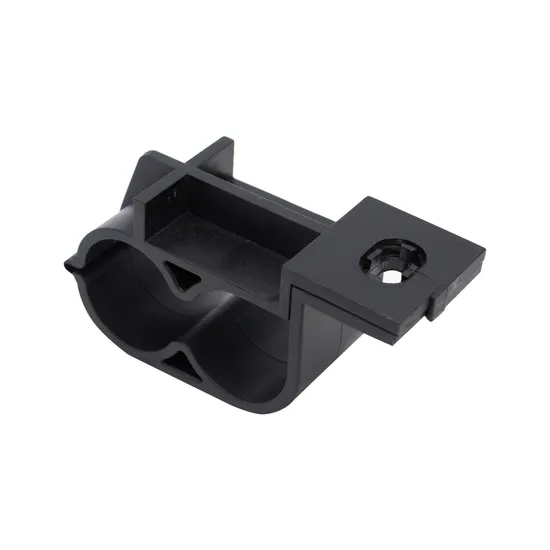
Ces exemples illustrent la personnalisation moules d'injection ainsi que les pièces en plastique qu'ils produisent, qu'il s'agisse de boîtiers complexes, de composants structurels ou de pièces grand public présentant un haut niveau de détail. Chaque moule est le fruit d'un usinage de précision, d'une configuration de refroidissement optimisée, d'un système d'injection adapté et d'un contrôle rigoureux avant même d'être utilisé sur une presse.
Secteurs d'activité que nous desservons
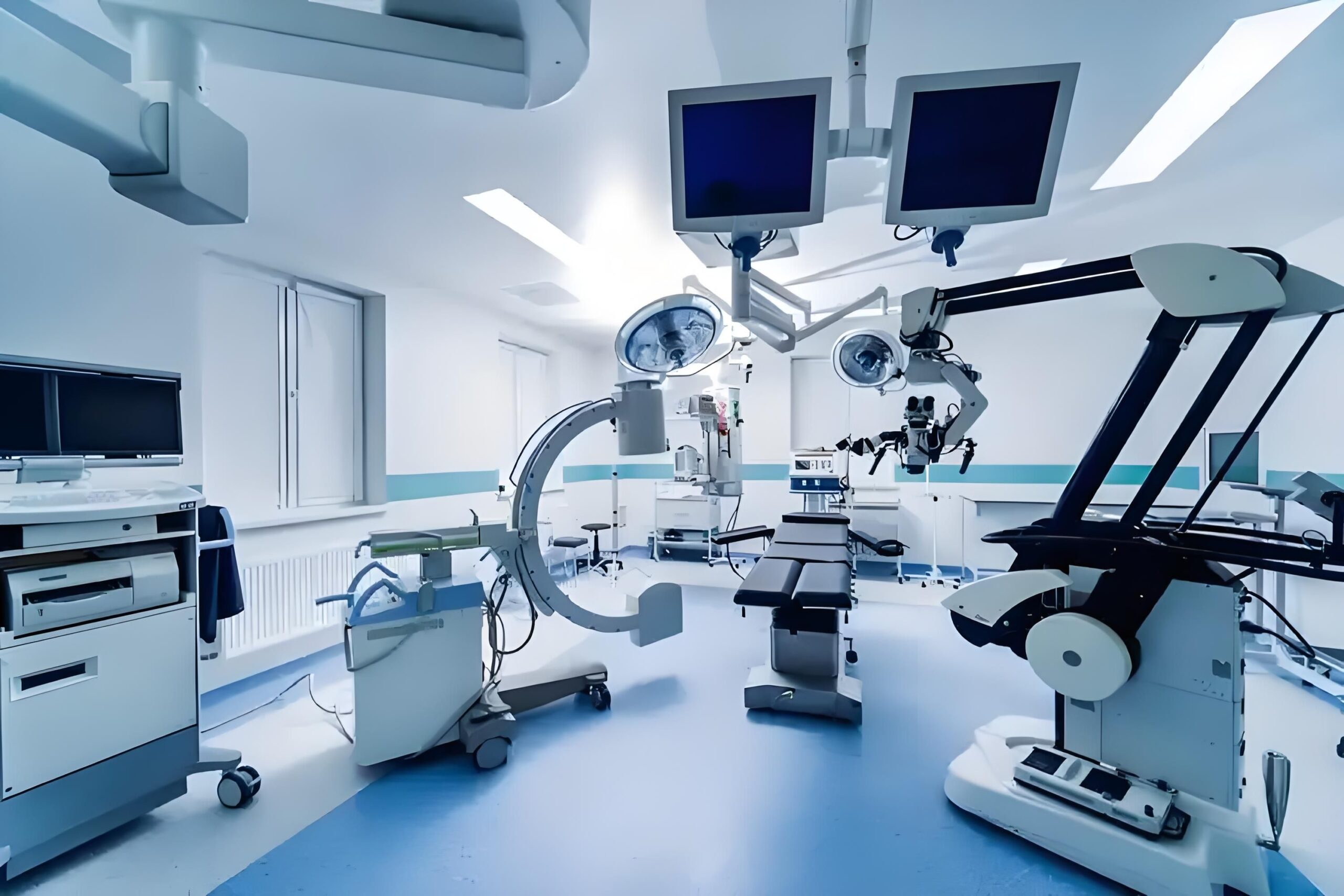
Moules destinés à la fabrication de composants en plastique de haute précision répondant à des exigences strictes en matière de sécurité et de tolérances dimensionnelles pour les dispositifs médicaux et dentaires.
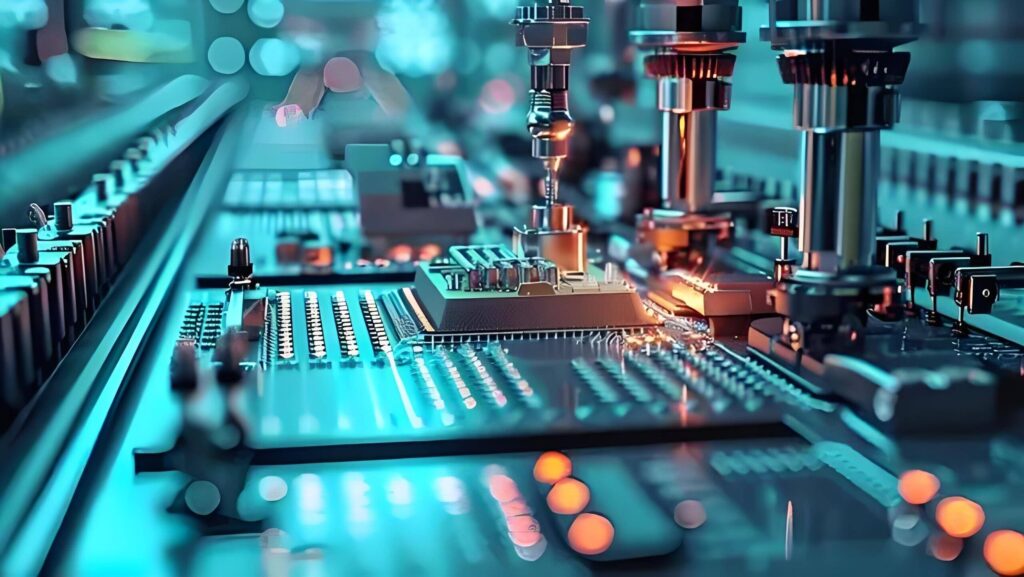
Outillage destiné aux boîtiers, connecteurs et enveloppes nécessitant une précision micrométrique, pour lesquels l'ajustement, la résistance à la chaleur et la répétabilité sont essentiels.
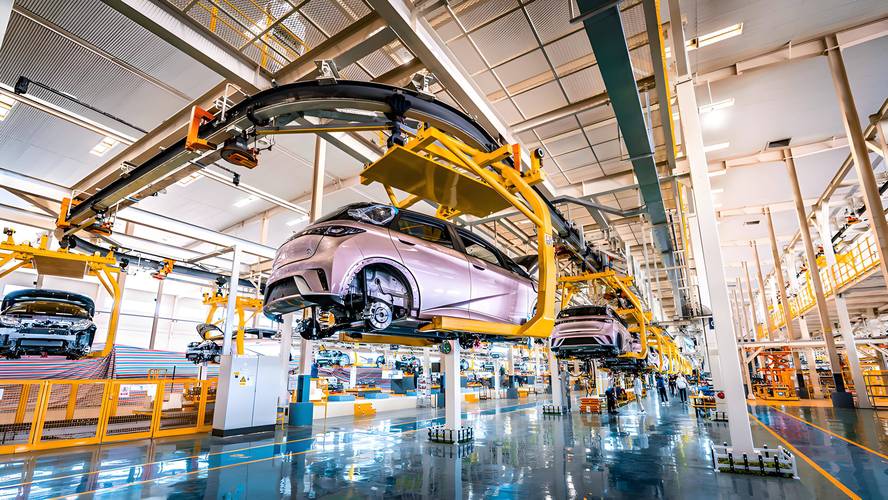
Moules de production résistants destinés aux composants en plastique soumis à des charges élevées et à des températures élevées.
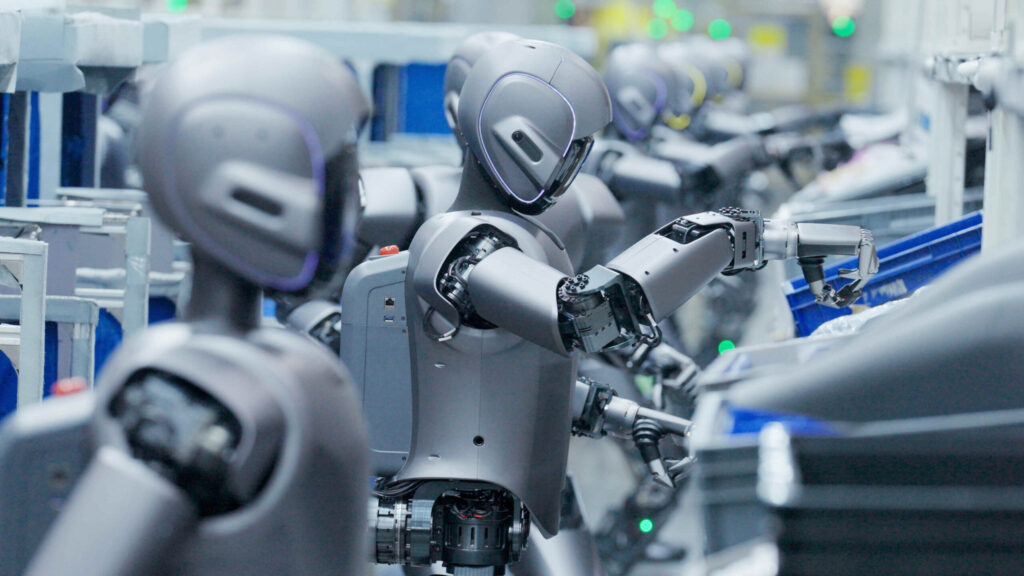
Moules sur mesure pour boîtiers, capots de protection et pièces structurelles destinés aux systèmes d'automatisation.
Du prototype à la production — Un partenaire de confiance
- Une expertise reconnue dans les secteurs du médical, de l'automobile, de l'électronique et de la robotique
- Un service d'assistance technique réactif avec des délais de réponse rapides pour les devis
- Capacités d'usinage CNC modernes à 3 et 5 axes
- Retour d'expérience collaboratif sur la conception pour la fabrication (DFM) afin de réduire les risques et les coûts
- Une production à la demande fiable, assortie d'un contrôle documenté
Avantages de Told Mold
- Haute précision :Garantit des tolérances serrées et une précision dimensionnelle constante tout au long des cycles de production complets.
- Durabilité de l'outil : Des moules en acier et en aluminium conçus pour offrir la durée de vie adaptée à votre volume de production.
- Rentabilité :Réduction du coût unitaire dans le cadre d'une production à moyen et grand volume, à mesure que l'amortissement des outillages se fait sentir.
- Flexibilité de conception :Prend en charge les géométries complexes, les configurations à plusieurs cavités et le surmoulage.
- Excellente finition de surface : Permet de fabriquer des pièces en plastique polies, texturées ou de qualité cosmétique.
Comment ça marche – Processus en trois étapes
Nous garantissons que les pièces usinées par CNC sont livrées dans les délais et que le processus est totalement transparent, en suivant ces 3 étapes simples :
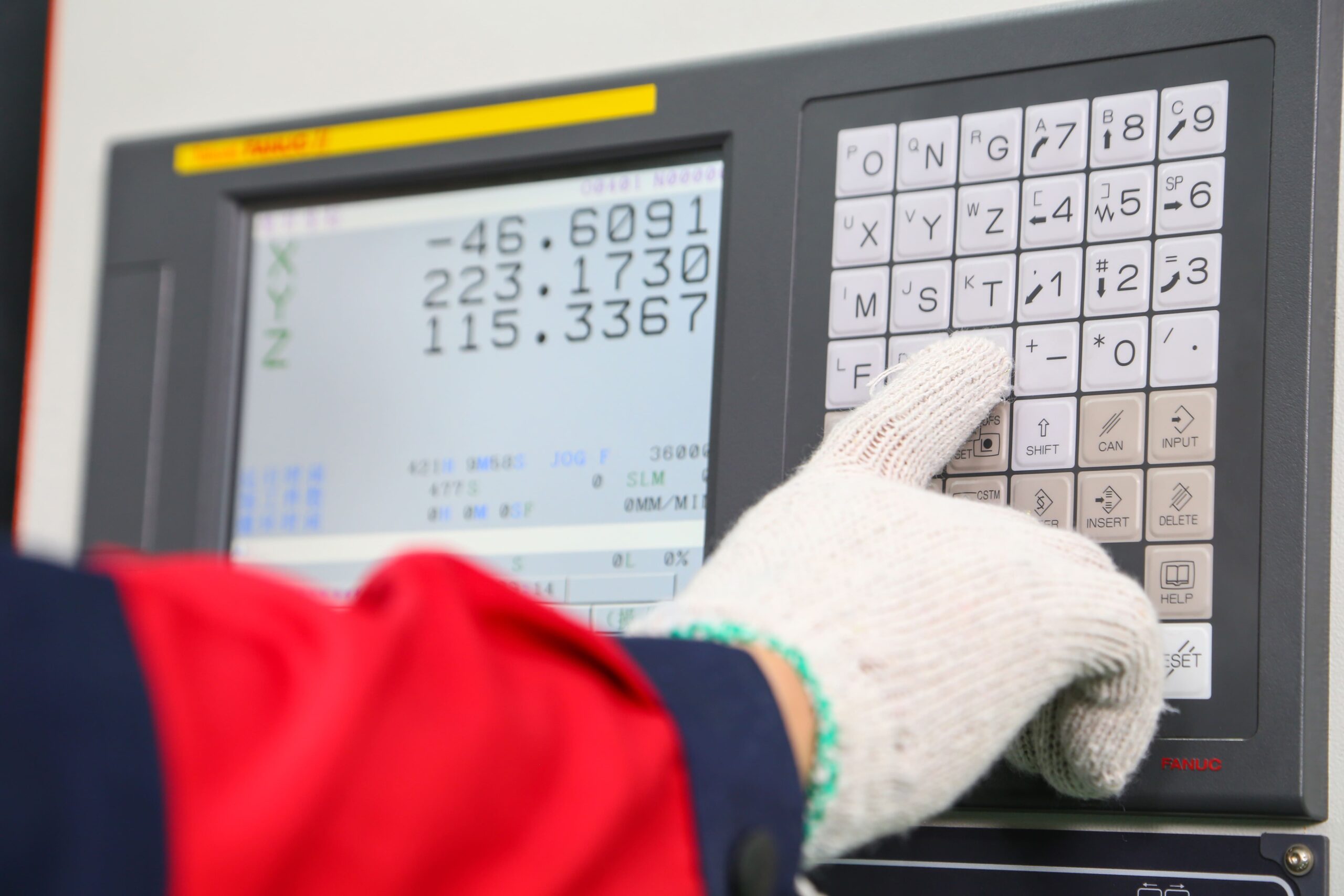

Envoyez-nous votre modèle 3D et recevez des commentaires sur la conception pour la fabrication (DFM) et la simulation de flux de moulage concernant les points d'injection, l'épaisseur des parois et le déport, avant même que l'acier ne soit découpé.
Le moule est usiné, ajusté et testé dans le cadre d'un échantillonnage T1 afin que vous puissiez valider des pièces réelles avant le lancement de la production.

Une fois approuvés, les outillages sont mis en production après un contrôle dimensionnel, et les pièces sont expédiées accompagnées d'une documentation de contrôle qualité disponible sur demande.
Solutions complètes proposées par XY Machining
Foire aux questions
Combien coûte un moule d'injection ?
Le coût de l'outillage dépend de la catégorie du moule, de sa taille, du nombre de cavités, de la nuance d'acier et de la complexité de la pièce ; les moules présentent donc une grande variabilité de prix, loin d'être uniformes. Un simple moule prototype en aluminium à cavité unique se situe dans le bas de gamme, tandis qu’un outil de production en acier trempé à cavités multiples se situe dans le haut de gamme, car il nécessite davantage d’acier, de traitement thermique et d’heures d’usinage. Des caractéristiques telles que les contre-dépouilles, les coulisseaux, les élévateurs et les canaux chauds font rapidement grimper les coûts, ce qui constitue souvent le facteur ayant le plus d’impact sur un devis. Nous décomposons ces facteurs de coût lors de l’analyse de la fabricabilité (DFM) afin que vous puissiez ajuster la conception ou la stratégie d’outillage avant de vous engager.
De quelle catégorie de moules SPI ai-je réellement besoin ?
Commencez par déterminer votre volume de production total et le matériau de la pièce, car ce sont ces éléments qui déterminent la classe plus que tout autre facteur. Les outillages en aluminium de classe 105 conviennent aux prototypes et aux séries de moins de 500 cycles ; les classes 104 et 103 couvrent les productions faibles à moyennes ; enfin, l’acier trempé de classe 101 est conçu pour plus d’un million de cycles. Choisir une classe supérieure à ce que justifie votre volume ne fait qu'ajouter des coûts et des délais de fabrication dont vous n'avez pas besoin. Lors de l'étude de fabricabilité (DFM), nous vous recommandons la classe adaptée à votre programme afin d'éviter de surdimensionner l'outillage d'une pièce qui ne sera produite qu'à quelques milliers d'exemplaires.
Quelles nuances d'acier utilisez-vous pour les moules d'injection, et dans quelles circonstances ?
Nous choisissons le matériau du moule en fonction du volume de production et de la résine utilisée pour les pièces. L’aluminium et le P20 pré-trempé sont utilisés pour les prototypes et les outillages intermédiaires, car ils se usinent rapidement et sont moins coûteux, tandis que les aciers trempés H13 et S136 sont utilisés pour la production en grande série et les résines abrasives chargées de verre qui risqueraient d’éroder des outillages plus tendres. Le NAK80 occupe une position intermédiaire, offrant un bon polissage et une durée de vie modérée pour les pièces esthétiques produites en séries moyennes. Le choix du matériau de fabrication du moule détermine à la fois le coût initial et la durée de vie réalisable du moule ; nous adaptons donc la nuance en fonction du nombre de pièces que le moule doit produire.
En quoi le nombre de cavités influe-t-il sur le coût de l'outillage et le prix de la pièce ?
La cavitation est le principal levier permettant de réduire le coût unitaire à mesure que les volumes augmentent. Un moule à cavité unique présente le coût d’outillage le plus bas, mais le coût unitaire le plus élevé, puisque chaque cycle ne produit qu’une seule pièce. L'ajout de cavités augmente l'investissement initial en outillage, mais répartit le temps machine sur un plus grand nombre de pièces, ce qui fait chuter fortement le prix unitaire dès que le volume dépasse environ dix à vingt mille pièces. Nous adaptons le nombre de cavités à votre volume annuel afin que l'investissement en outillage soit réellement rentabilisé, plutôt que de surdimensionner une capacité que vous n'utiliserez pas.
Qu'est-ce que le prélèvement T1 et que se passe-t-il ensuite ?
Le T1 correspond à la première série d’échantillons moulés à partir d’un moule fini ; c’est à ce stade que l’outil fait ses preuves par rapport à votre plan. Nous inspectons ces échantillons pour vérifier leurs dimensions, leur ajustement, leur finition et l’absence de défauts, puis nous apportons les ajustements nécessaires au système d’injection, au refroidissement ou à l’acier avant que le moule ne soit validé pour la production. C’est pour cette raison qu’il est essentiel de confier la fabrication des prototypes et des outillages de production à un seul atelier : les paramètres de processus sont ainsi directement transposés à la production en série. Vous validez ainsi des pièces moulées réelles, et non une simple promesse, avant de vous engager dans la production en série.
Qu'est-ce qui fait le plus grimper le coût d'un moule d'injection ?
Dans la plupart des devis, ce sont les caractéristiques de complexité qui pèsent davantage sur le coût que la taille brute. Les contre-dépouilles nécessitant des glissières ou des élévateurs, les systèmes à canaux chauds, le dévissage des noyaux pour les filetages et le polissage SPI-A à haute brillance ajoutent chacun un temps considérable d’usinage et d’ajustement manuel. Un seul coulisseau peut augmenter le coût du moule d’un pourcentage non négligeable, et un polissage optique exige des heures de travail qualifié sur de l’acier haut de gamme. Éliminer les contre-dépouilles évitables et ne spécifier une finition que sur les parties visibles de la pièce constituent les moyens les plus rapides de réduire les coûts d’outillage ; nous signalons ces deux points lors de l’analyse de la fabricabilité (DFM).
À qui appartient le moule une fois la production terminée ?
Vous êtes propriétaire du moule que vous avez acheté. À l'issue d'un cycle de production, le moule reste dans nos locaux pour son entretien et les cycles futurs ; il peut vous être expédié sur demande, les frais d'expédition et d'emballage vous étant facturés au prix coûtant. Le fait de conserver le moule dans l'atelier qui l'a fabriqué permet d'accélérer les rééditions et de garantir un historique d'entretien cohérent. Si vous prévoyez de déplacer le moule d'une presse à l'autre ultérieurement, prévenez-nous dès la phase de conception afin que nous le fabriquions sur une base de moule standard et transférable.
Qu'est-ce qu'un moule à canaux chauds par rapport à un moule à canaux froids ?
La différence réside dans la manière dont le plastique fondu parvient dans la cavité et dans la quantité de matière gaspillée. Un moule à canaux froids est plus simple et moins coûteux à fabriquer, mais le canal se solidifie à chaque injection et devient un déchet, ce qui finit par représenter un volume important pour les petites pièces et les volumes de production élevés. Un moule à canaux chauds maintient le plastique à l'état fondu dans un collecteur chauffé, ce qui réduit les pertes au niveau du canal à presque zéro, moyennant un coût initial d'outillage plus élevé. Les moules à canaux chauds sont généralement rentables dès que la production dépasse environ vingt à trente mille pièces, et nous modélisons ce seuil de rentabilité lors de l'analyse de la fabricabilité (DFM).
Pouvez-vous mettre au point un outillage de transition pour accélérer le démarrage de la production ?
Oui. Un outillage de transition est un moule en aluminium ou en acier doux qui permet de produire des pièces de qualité industrielle pendant que l’outil de production en acier trempé est encore en cours de fabrication. Il vous permet de lancer le produit, de tester le marché ou d’honorer les premières commandes sans attendre la fabrication complète de l’outil en acier, tout en vous protégeant si la conception doit encore être modifiée. Les moules de prototypage et de transition peuvent être réalisés en quelques jours plutôt qu’en plusieurs semaines, puis remplacés par un outillage en acier de classe 101 ou 102 une fois la conception finalisée. Cette approche par étapes réduit le risque de se lancer trop tôt dans la fabrication d’un outillage en acier coûteux.
Quel type de finition de surface (classe SPI) peut-on appliquer à un moule ?
Nous proposons toute la gamme SPI, allant des finitions « telles que usinées » et mates obtenues par microbillage aux textures fines et aux surfaces hautement brillantes polies au diamant. Les finitions SPI-C ou D standard sont les plus économiques et conviennent à la plupart des pièces fonctionnelles, tandis que les finitions SPI-A ultra-brillantes, destinées aux pièces transparentes ou esthétiques, nécessitent un polissage manuel en plusieurs étapes sur de l’acier de haute qualité tel que le S136. Les finitions texturées, telles que le grain cuir ou le mat, sont obtenues par gravure chimique ou au laser après usinage. Nous adaptons la finition aux besoins de la pièce afin que vous n’ayez pas à payer pour un polissage miroir sur des surfaces que personne ne voit.