Servicios de fabricación de moldes a medida
Consigue moldes de inyección listos para la producción gracias a servicios de fabricación de moldes a medida, pensados para ingenieros que necesitan una calidad repetible en las piezas, el acero adecuado para el volumen de producción y plazos de entrega realistas. XY Machining diseña y fabrica moldes de una cavidad, de múltiples cavidades, apilados y 2K en aluminio y acero para herramientas endurecido, con el respaldo de un equipo interno de Mecanizado CNC, EDM e inspección dimensional. Sube tu archivo CAD, obtén comentarios sobre la fabricabilidad (DFM) y el flujo en el molde antes de que se corte ningún trozo de acero, y recibe utillaje adaptado a tu volumen de producción, en lugar de uno sobredimensionado para el mismo.
- Moldes de aluminio y acero para herramientas, desde el prototipo hasta más de 1.000.000 de ciclos
- Revisión del diseño para la fabricación (DFM) y del flujo en el molde en cada proyecto antes de la fabricación de las herramientas
- Utillaje SPI de las clases 101 a 105, con una precisión de ±0,02 mm
Consigue al instante presupuestos, plazos de ejecución de los proyectos y comentarios sobre el diseño para la fabricación (DFM)
- Todas las subidas de archivos son seguras y confidenciales.
¿Qué es la fabricación de moldes a medida?
La fabricación de moldes a medida es el proceso de diseñar y mecanizar un molde de inyección que produce una pieza de plástico específica en ciclos repetibles. El molde se fabrica a partir de aluminio o acero para herramientas endurecido, en función del volumen, la complejidad de la pieza y la vida útil requerida del molde; a continuación, se le da el acabado, se ajusta y se realizan pruebas de muestra antes de la producción. La fabricación de moldes para moldeo por inyección combina el diseño CAD, el análisis de flujo del molde, el mecanizado CNC de precisión, el electroerosionado (EDM) para los detalles finos y el ajuste manual en una sola herramienta que mantiene la precisión dimensional inyección tras inyección.
En Mecanizado XY Nos encargamos internamente del diseño de moldes, la revisión de la fabricabilidad (DFM), el mecanizado, el montaje y la toma de muestras T1, por lo que el molde que llega a la fase de producción es el que se ha diseñado específicamente para ello.
Capacidades de fabricación de moldes
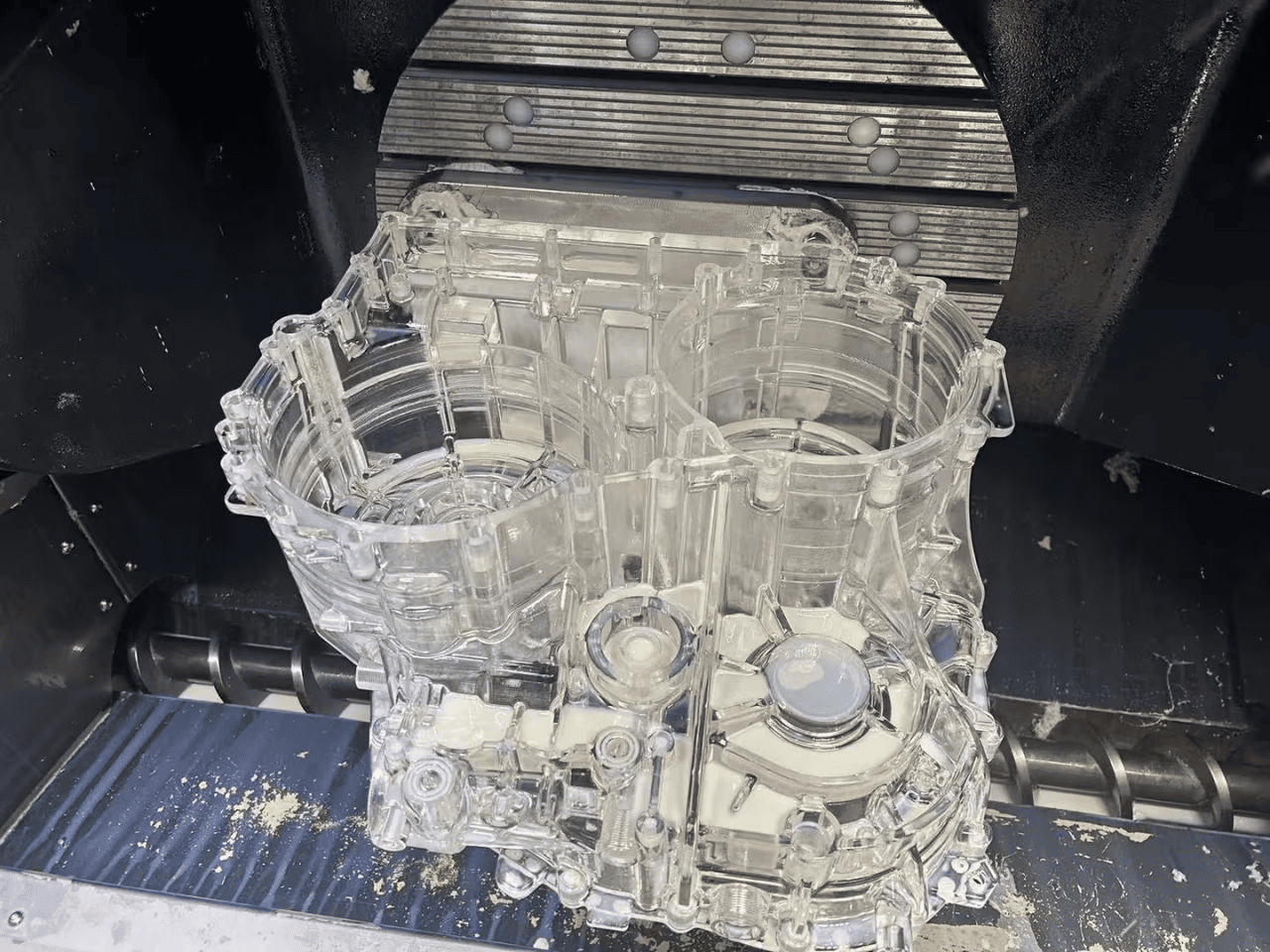
Molde de una sola cavidad
La opción más económica para empezar y la más rápida de fabricar. Un molde de una sola cavidad resulta adecuado para la fabricación de prototipos, la producción puente y piezas de gran tamaño, ya que permite mantener tolerancias estrictas al tiempo que se reduce la inversión inicial.
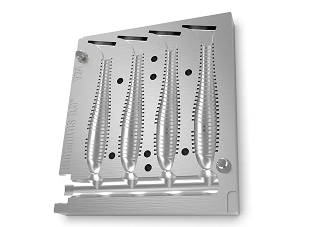
Molde de múltiples cavidades
Permite fabricar varias piezas idénticas en un solo ciclo de inyección. Los moldes multicavidad aumentan el coste inicial, pero reducen el precio por pieza, lo que resulta rentable cuando el volumen anual alcanza las decenas de miles.
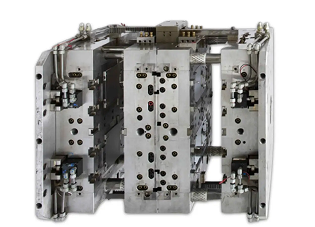
Molde apilable
Una configuración de alto rendimiento que incorpora cavidades en varios planos de separación, lo que permite aumentar la producción sin necesidad de cambiar a una prensa más grande. Ideal para tiradas sostenidas de gran volumen en las que la eficiencia del ciclo es determinante para el coste.
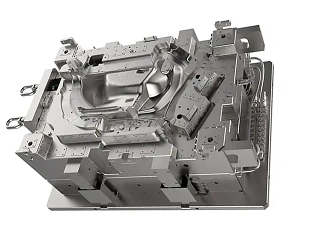
Molde de sobremoldeo de 2K
Moldea dos materiales o colores en un solo ciclo, uniendo un agarre blando a un cuerpo rígido o combinando plásticos duros y flexibles. Ideal para asas, juntas, botones y ensamblajes multimaterial que, de otro modo, requerirían un proceso de unión secundario.
¿Por qué elegir XY Machining para la fabricación de moldes a medida?
Molde de precisión La fabricación depende del mecanizado y la inspección que hay detrás de la herramienta, no solo del diseño. Nuestro equipo combina centros de mecanizado CNC avanzados con procesos de electroerosión y mediciones de alta precisión, y sigue un sistema de gestión de la calidad conforme a las normas ISO para que cada molde se ajuste al plano.
Desde la optimización del diseño del molde y la revisión de la fabricación (DFM) hasta la validación final del utillaje y el muestreo T1, fabricamos pensando en la durabilidad, la repetibilidad y la estabilidad de los tiempos de ciclo. Tanto si necesitas un utillaje rápido de aluminio para una tirada piloto como un molde de acero templado para la producción en serie, recibirás el utillaje en el plazo previsto y con las compensaciones de DFM detalladas antes de que comience el corte.
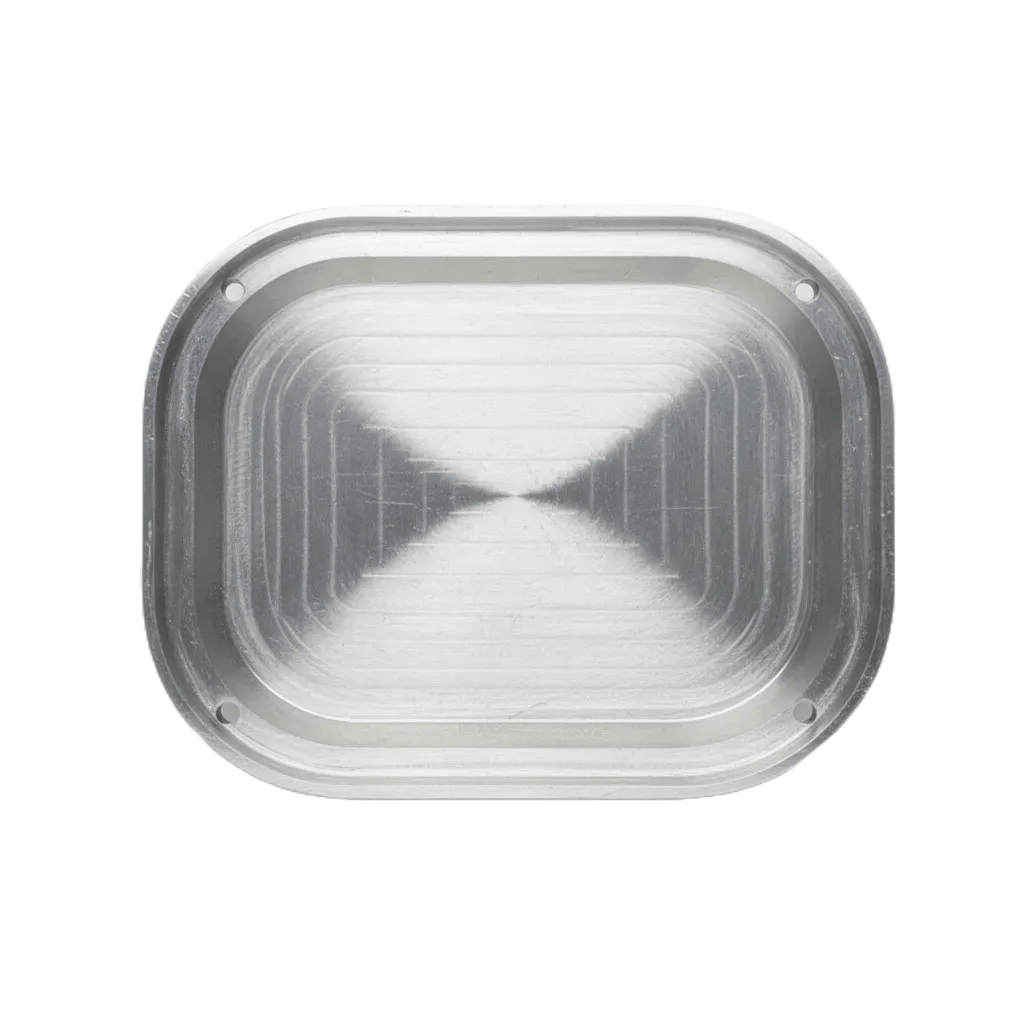
Conserva la superficie mecanizada con las trayectorias de la herramienta visibles; es adecuada para elementos funcionales del molde que no tengan fines estéticos.
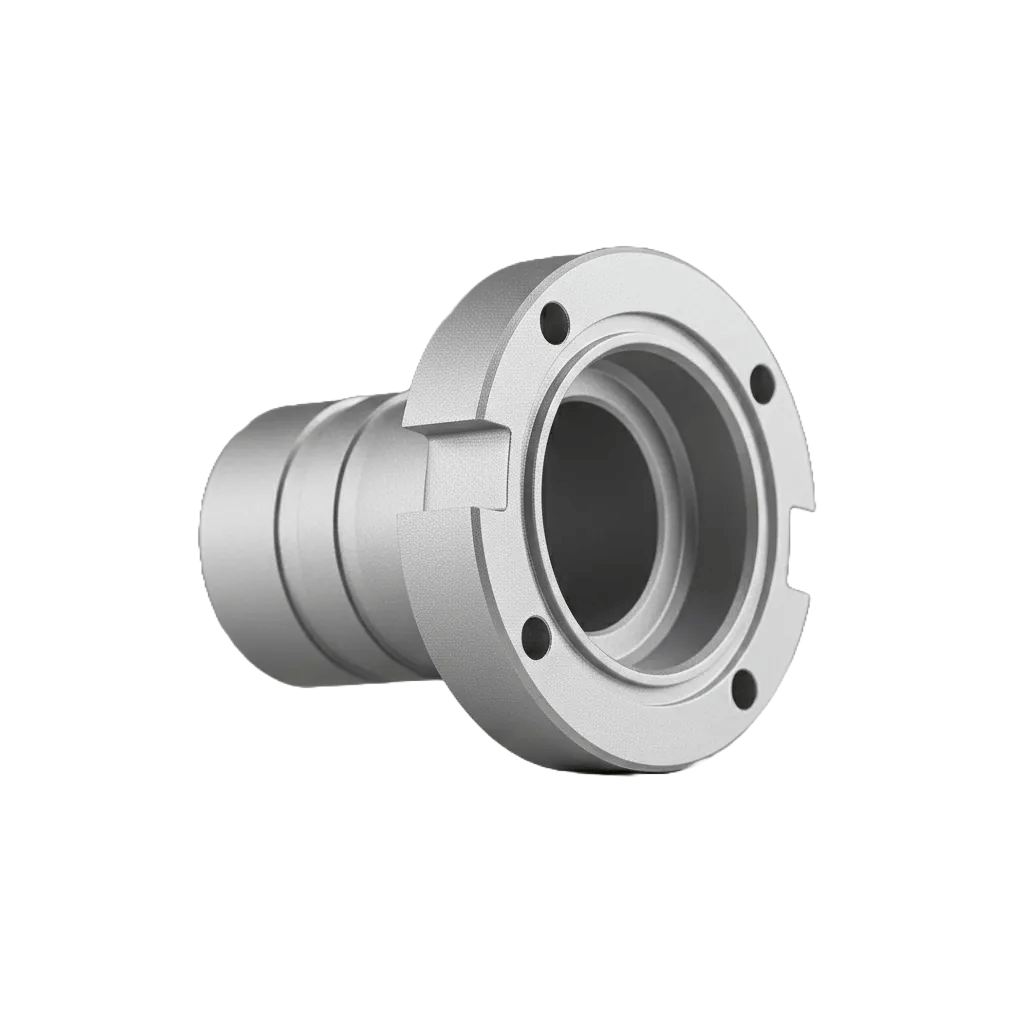
Crea una textura mate uniforme que elimina las marcas finas de mecanizado y unifica el aspecto de la superficie.
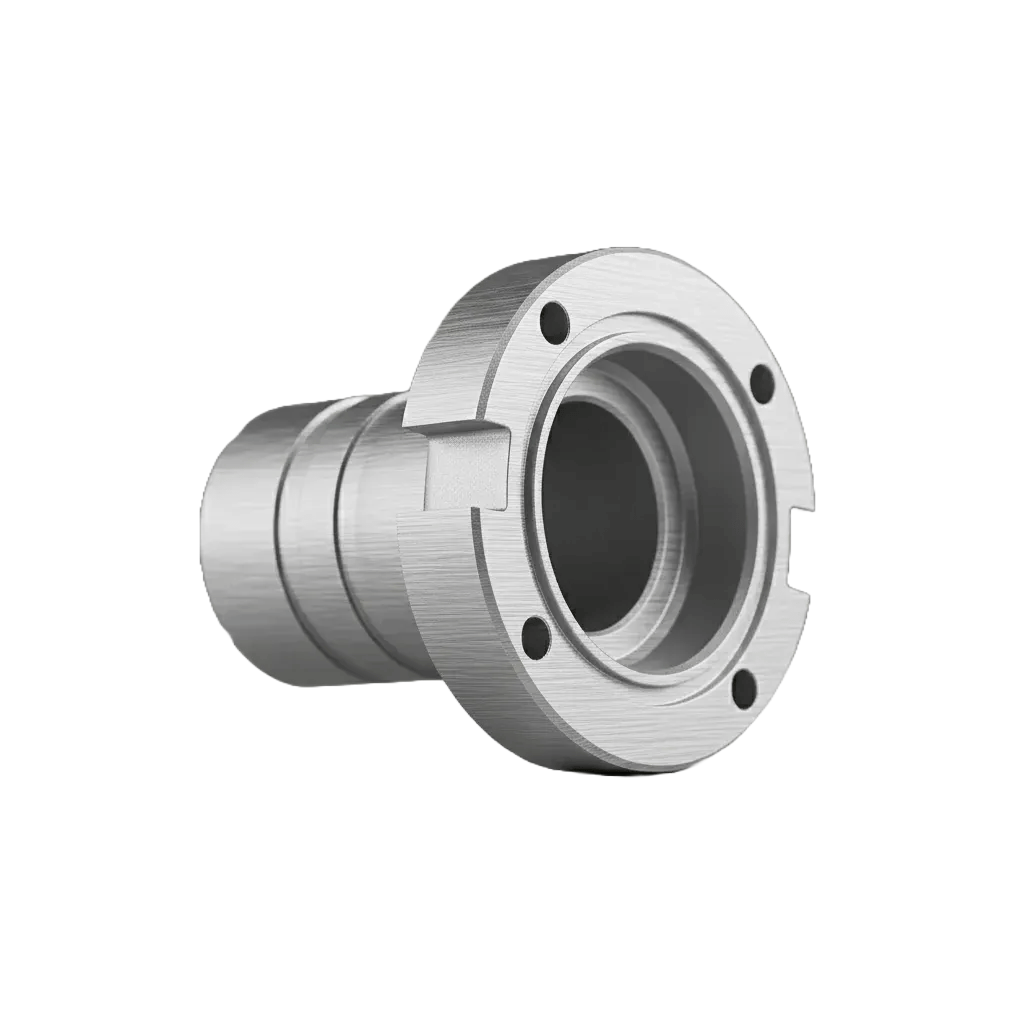
Crea líneas finas y direccionales que proporcionan una textura controlada y uniforme en los componentes visibles.
Se aplica a moldes e insertos de aluminio para aumentar su resistencia a la corrosión y la dureza de su superficie.
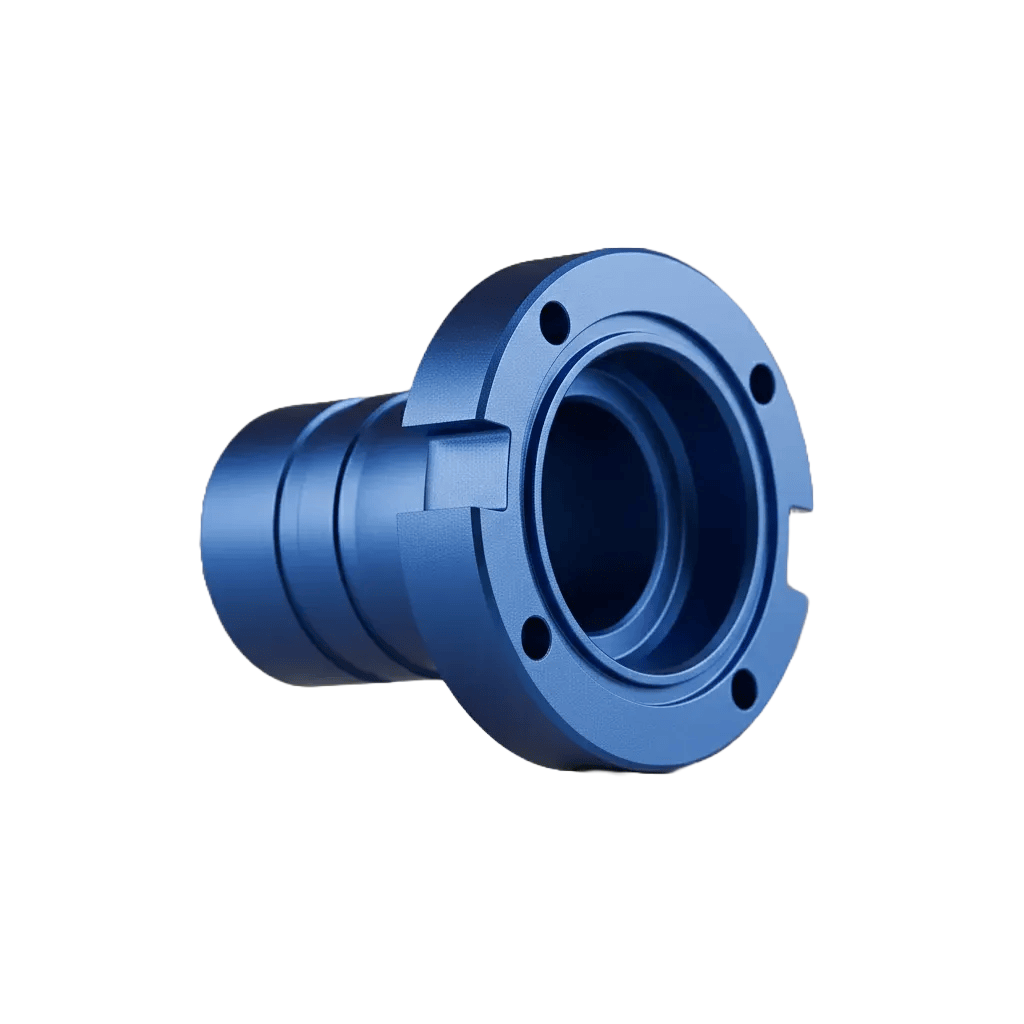
Pulido en varias etapas hasta obtener un alto brillo para superficies de piezas cosméticas u ópticas, adaptado al acabado SPI que requiera su pieza.
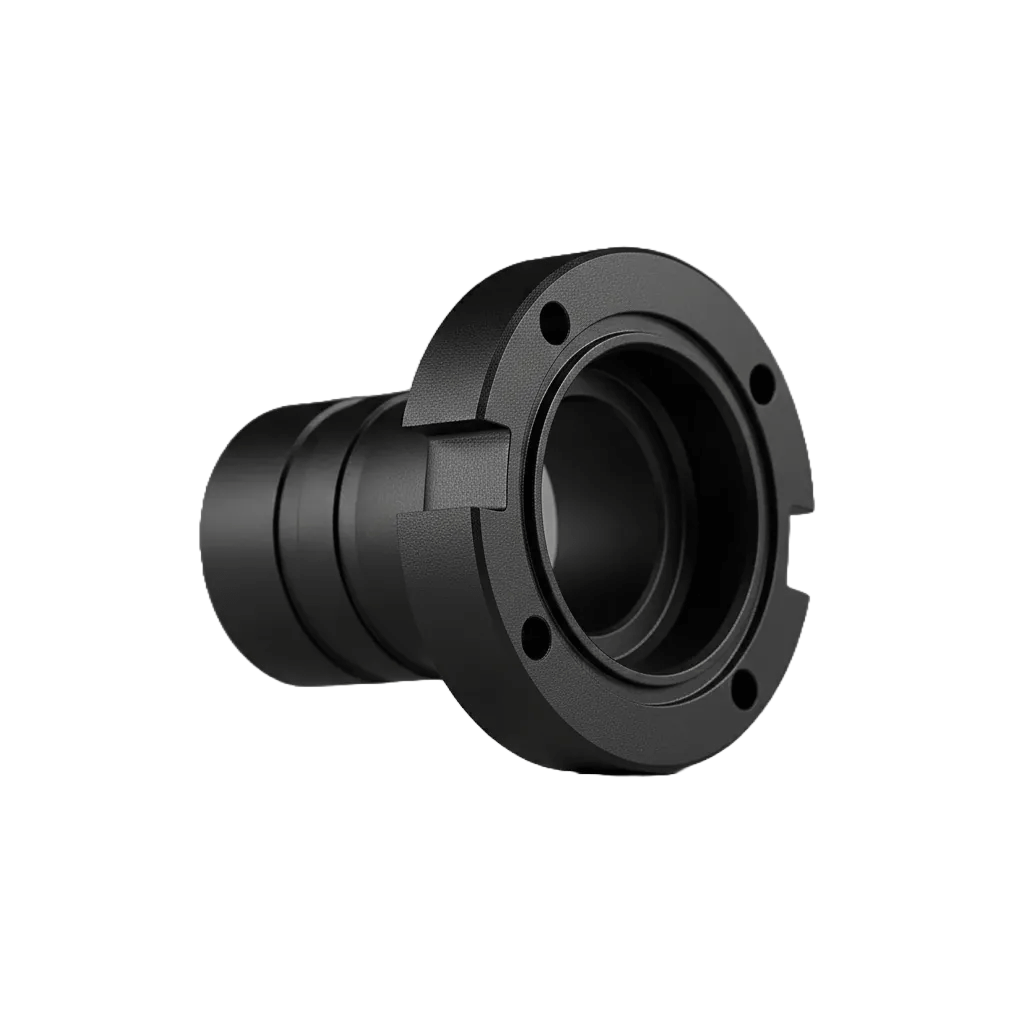
Acabados superficiales en el mecanizado CNC
Clasificación de los mohos
La clase de molde SPI es la decisión más importante en materia de herramientas, ya que está directamente relacionada con el número de piezas que debe producir el molde. Elegir la clase adecuada desde el principio es la forma de evitar pagar por un molde de acero de un millón de ciclos cuando bastaría con un molde prototipo de aluminio. Todas las clases que se indican a continuación ofrecen una precisión de más o menos 0,02 mm; lo que varía es la vida útil del molde, el material, el coste y el plazo de entrega.
Clase | Objetivo | Vida útil del molde | Tolerancia | Coste | Plazo de entrega |
Clase 105 | Pruebas de prototipos | Menos de 500 ciclos | ± 0,02 mm | $ | 7 a 10 días |
Clase 104 | Producción de bajo volumen | Menos de 100 000 ciclos | ± 0,02 mm | $$ | 10-15 días |
Clase 103 | Producción media | Menos de 500 000 ciclos | ± 0,02 mm | $$$ | 10-15 días |
Clase 102 | Volumen medio-alto | Menos de 1 000 000 de ciclos | ± 0,02 mm | $$$$ | 10-18 días |
Clase 101 | Producción a gran escala | Más de 1 000 000 de ciclos | ± 0,02 mm | $$$$$ | 15-20 días |
Te recomendamos un curso durante el DFM en función del volumen previsto y del material de la pieza, para que te comprometas con las herramientas que tu programa realmente necesita.
¿Qué diferencia a XY Machining del resto?




Nuestra galería de moldeo por inyección
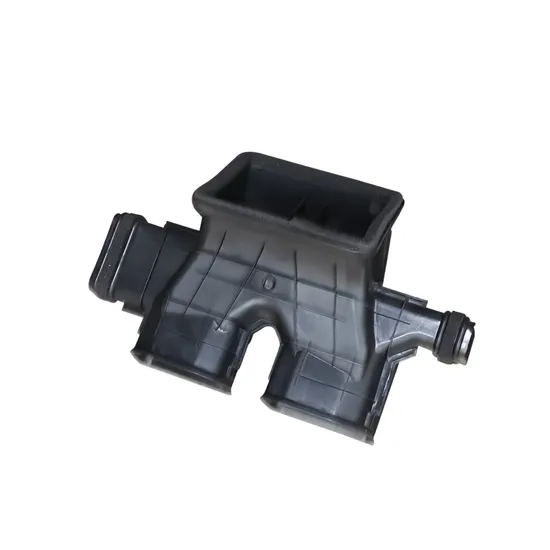
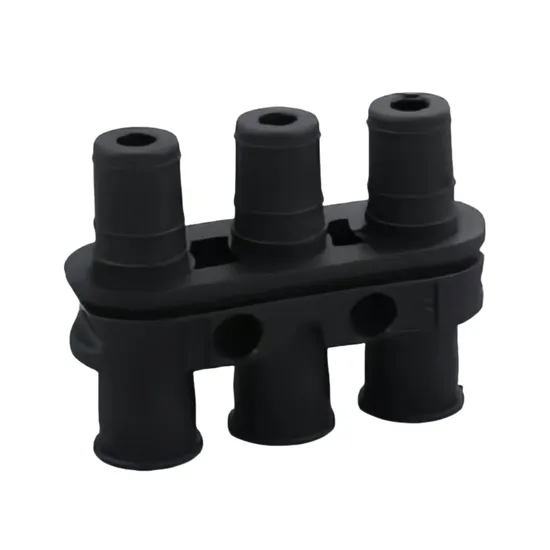
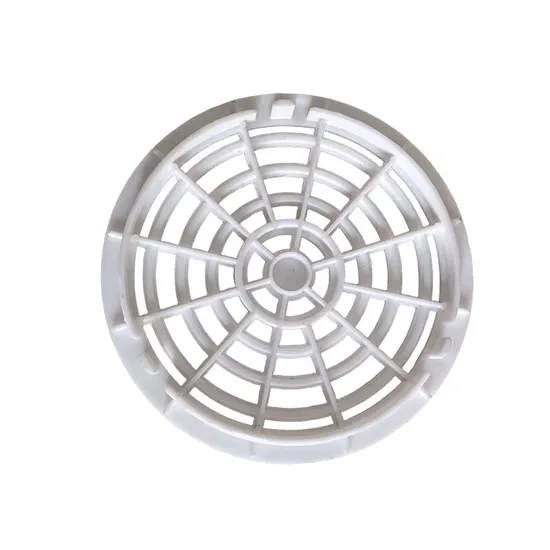
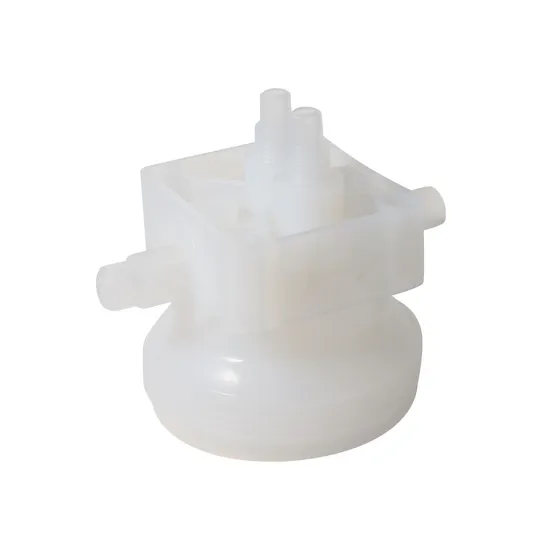
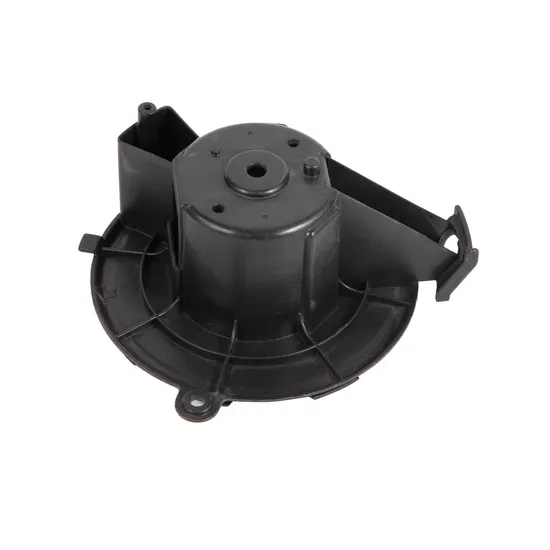
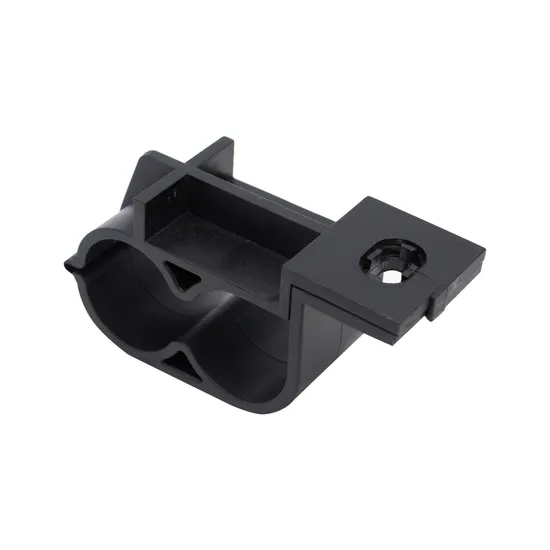
Estos ejemplos muestran cómo personalizar moldes de inyección y las piezas de plástico que fabrican, desde carcasas complejas y componentes estructurales hasta piezas de consumo con gran nivel de detalle. Cada molde es fruto de un mecanizado preciso, un diseño de refrigeración optimizado, un sistema de inyección adecuado y una inspección rigurosa antes incluso de llegar a la prensa.
Sectores a los que prestamos servicio

Moldes para componentes plásticos de alta precisión que cumplen estrictos requisitos de seguridad y dimensiones para dispositivos sanitarios y odontológicos.

Moldes para carcasas, conectores y recintos que requieren una precisión milimétrica, en los que el ajuste, la resistencia al calor y la repetibilidad son fundamentales.
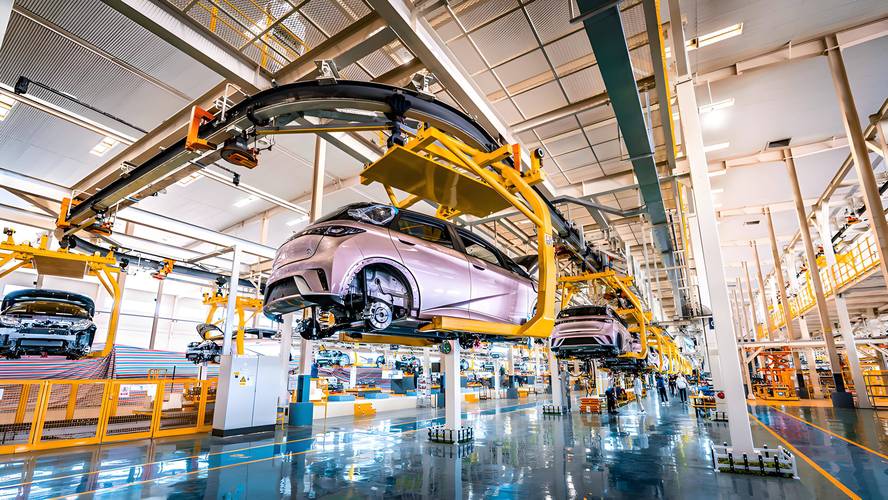
Moldes de producción resistentes para componentes plásticos sometidos a cargas elevadas y altas temperaturas.

Moldes a medida para carcasas, cubiertas de movimiento y piezas estructurales para sistemas de automatización.
Del prototipo a la producción: un socio de confianza
- Amplia experiencia demostrada en los sectores médico, de la automoción, de la electrónica y de la robótica
- Asistencia técnica ágil con respuesta rápida a las solicitudes de presupuesto
- Capacidad de mecanizado CNC moderno de 3 y 5 ejes
- Comentarios colaborativos sobre el diseño para la fabricación (DFM) para reducir el riesgo y los costes
- Producción bajo demanda fiable con inspección documentada
Ventajas de Told Mold
- Alta precisión:Mantiene tolerancias estrictas y una precisión dimensional constante a lo largo de todas las series de producción.
- Durabilidad de la herramienta: Moldes de acero y aluminio diseñados para ofrecer la vida útil que requiere su volumen de producción.
- Rentabilidad:Menor coste por pieza en la producción de volúmenes medios y altos, a medida que se amortiza el utillaje.
- Flexibilidad de diseño:Admite geometrías complejas, diseños de múltiples cavidades y sobremoldeado.
- Excelente acabado superficial: Permite fabricar piezas de plástico pulidas, texturizadas o de calidad cosmética.
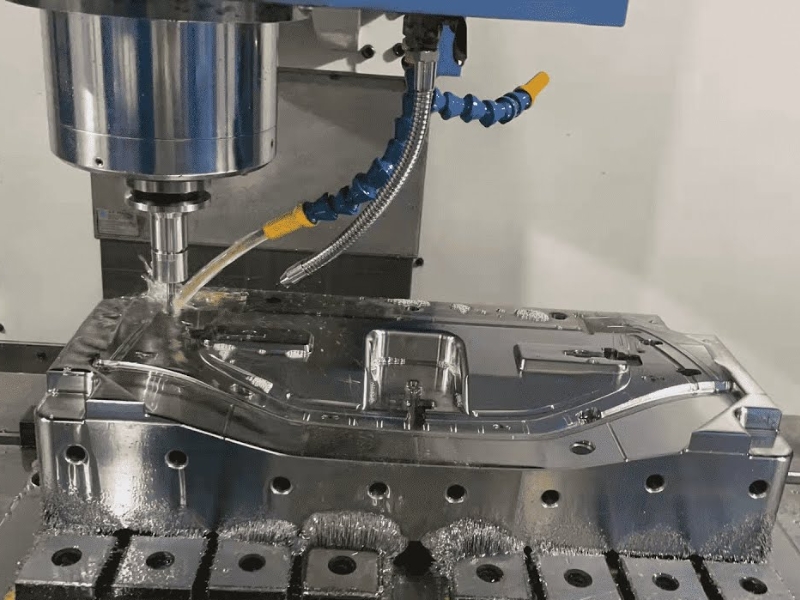
Cómo funciona: flujo de trabajo en tres fases
Garantizamos que las piezas CNC se entregan a tiempo y que el proceso es totalmente transparente en los siguientes tres sencillos pasos:
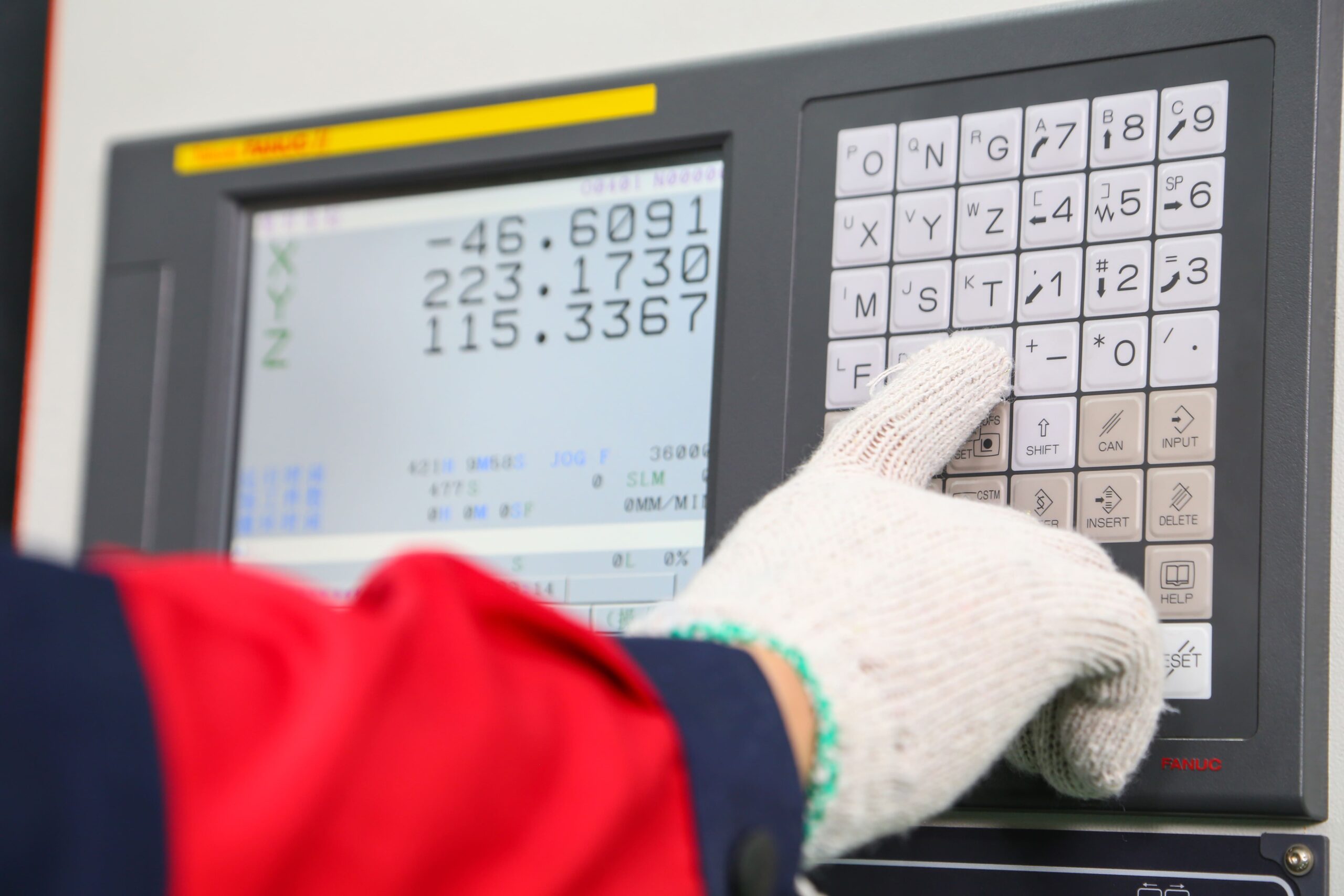

Envía tu modelo 3D y recibe comentarios sobre el diseño para la fabricación (DFM) y el flujo del molde en cuanto a la ubicación de las entradas de material, el espesor de las paredes y el ángulo de desmoldeo antes de que se corte el acero.

El molde se mecaniza, se ajusta y se pone en marcha para el muestreo T1, de modo que puedas aprobar las piezas reales antes de la producción.

Las herramientas aprobadas pasan a la fase de producción tras someterse a una inspección dimensional, y las piezas se envían con la documentación de control de calidad disponible previa solicitud.
Soluciones integrales de XY Machining
Preguntas frecuentes
¿Cuánto cuesta un molde de inyección?
El coste del utillaje depende del tipo de molde, el tamaño, el número de cavidades, el tipo de acero y la complejidad de la pieza, por lo que los moldes varían mucho en su precio y no tienen un coste fijo. Un molde prototipo sencillo de aluminio de una sola cavidad se sitúa en el extremo inferior, mientras que una herramienta de producción de acero endurecido con múltiples cavidades se sitúa en el extremo superior, ya que requiere más acero, tratamiento térmico y horas de mecanizado. Características como los socavados, los deslizadores, los elevadores y los canales calientes aumentan rápidamente el coste, lo que a menudo supone la mayor variación en un presupuesto. Desglosamos los factores que influyen en el coste durante la fase de DFM (diseño para la fabricación) para que pueda ajustar el diseño o la estrategia de utillaje antes de comprometerse.
¿Qué clase de molde SPI necesito realmente?
Empieza por tu volumen total de producción y el material de la pieza, ya que eso es lo que determina la clase más que cualquier otro factor. Los moldes de aluminio de clase 105 son adecuados para prototipos y tiradas de menos de 500 ciclos; las clases 104 y 103 cubren la producción baja a media; y el acero endurecido de clase 101 está diseñado para más de un millón de ciclos. Elegir una clase superior a la que justifica tu volumen de producción solo añade costes y plazos de entrega innecesarios. Durante la fase de DFM, te recomendamos la clase que mejor se adapte a tu programa para que evites un exceso de equipamiento en una pieza de la que solo se fabricarán unos pocos miles de unidades.
¿Qué tipos de acero utilizáis para los moldes de inyección y en qué casos?
Seleccionamos el material del molde en función del volumen y del tipo de resina de la pieza. El aluminio y el P20 preendurecido se utilizan para prototipos y herramientas de transición, ya que se mecanizan rápidamente y son más económicos, mientras que los aceros endurecidos H13 y S136 se emplean para grandes volúmenes y resinas abrasivas con relleno de fibra de vidrio, que erosionarían las herramientas más blandas. El NAK80 ocupa un término medio, ya que ofrece un buen pulido y una vida útil moderada para piezas estéticas de volumen medio. La elección del material para la fabricación de moldes determina tanto el coste inicial como la vida útil que se puede alcanzar, por lo que adaptamos el tipo de material al número de piezas que debe producir el molde.
¿Cómo influye el número de cavidades en el coste del utillaje y en el precio de la pieza?
La cavitación es la principal herramienta para reducir el coste por pieza cuando se alcanzan mayores volúmenes de producción. Un molde de una sola cavidad tiene el menor coste de utillaje, pero el mayor coste por pieza, ya que en cada ciclo se fabrica una sola pieza. Añadir cavidades aumenta la inversión inicial en utillaje, pero reparte el tiempo de máquina entre más piezas, lo que reduce drásticamente el precio unitario una vez que el volumen supera aproximadamente las diez mil o veinte mil piezas. Adaptamos el número de cavidades a su volumen anual para que la inversión en utillaje resulte rentable, en lugar de crear un exceso de capacidad que no va a utilizar.
¿Qué es el muestreo T1 y qué ocurre después?
La T1 es la primera serie de piezas de muestra fabricadas con un molde terminado, y es en este momento cuando el molde demuestra su idoneidad según el plano. Inspeccionamos esas muestras en cuanto a dimensiones, ajuste, acabado y defectos, y luego realizamos los ajustes necesarios en los canales de inyección, la refrigeración o el acero antes de que el molde se dé el visto bueno para la producción. Este paso es la razón por la que es importante que tanto el prototipo como el utillaje de producción se fabriquen en un mismo taller, ya que los parámetros del proceso se trasladan directamente a la tirada de producción. Usted aprueba piezas moldeadas reales, no una promesa, antes de comprometerse con la producción en serie.
¿Qué es lo que más encarece el coste de un molde de inyección?
En la mayoría de los presupuestos, los elementos de complejidad suponen un coste mayor que el simple tamaño. Los socavados que requieren deslizadores o elevadores, los sistemas de canal caliente, el desenroscado de núcleos para roscas y el pulido SPI-A de alto brillo añaden, cada uno de ellos, un tiempo significativo de mecanizado y ajuste manual. Un solo deslizador puede suponer un porcentaje considerable del coste del utillaje, y un pulido óptico exige horas de trabajo especializado sobre acero de alta calidad. Eliminar los socavados evitables y especificar el acabado solo en las zonas visibles de la pieza son las formas más rápidas de reducir el coste del utillaje, y señalamos ambas cuestiones durante la fase de DFM.
¿A quién pertenece el molde una vez finalizada la producción?
El molde que ha pagado es de su propiedad. Tras una tirada de producción, el molde permanece en nuestras instalaciones para su mantenimiento y futuras tiradas, y se le puede enviar si lo solicita, con los gastos de envío y embalaje a precio de coste. Mantener el molde en el taller que lo fabricó garantiza tiradas posteriores más rápidas y un historial de mantenimiento coherente. Si tiene previsto trasladar el troquel de una prensa a otra más adelante, indíquenoslo durante la fase de diseño para que lo fabriquemos sobre una base de molde estándar y transferible.
¿En qué se diferencia un molde de canal caliente de uno de canal frío?
La diferencia radica en cómo llega el plástico fundido a la cavidad y en la cantidad de material que se desperdicia. Un molde de canal frío es más sencillo y barato de fabricar, pero el canal se solidifica con cada inyección y se convierte en desecho, lo que supone un gasto considerable en piezas pequeñas y grandes volúmenes de producción. Un canal caliente mantiene el plástico fundido en un colector calentado, por lo que el desperdicio del canal se reduce prácticamente a cero, aunque con un mayor coste inicial de utillaje. Los canales calientes suelen resultar rentables una vez que la producción supera aproximadamente entre veinte y treinta mil piezas, y calculamos ese umbral de rentabilidad durante la optimización del diseño para la fabricación (DFM).
¿Podéis fabricar utillaje puente para acelerar el inicio de la producción?
Sí. El utillaje puente es un molde de aluminio o acero blando que permite fabricar piezas reales aptas para la producción mientras aún se está construyendo el utillaje de producción endurecido. Permite lanzar el producto, probar el mercado o atender los primeros pedidos sin tener que esperar al utillaje de producción de acero definitivo, y ofrece protección en caso de que el diseño aún necesite algún cambio. Los moldes prototipo y de transición pueden completarse en días, en lugar de semanas, y luego actualizarse a un utillaje de acero de clase 101 o 102 una vez que el diseño esté definitivo. Este enfoque por fases reduce el riesgo de cortar acero caro demasiado pronto.
¿Qué acabado superficial (grado SPI) se puede aplicar a un molde?
Aplicamos toda la gama SPI, desde acabados «tal y como se mecaniza» y acabados mate con granallado hasta texturas finas y superficies pulidas con diamante de alto brillo. Los acabados estándar SPI-C o D son los más económicos y se adaptan a la mayoría de las piezas funcionales, mientras que los acabados SPI-A de alto brillo, destinados a piezas transparentes o estéticas, requieren un pulido manual en varias etapas sobre acero de alta calidad, como el S136. Los acabados texturizados, como el de grano de cuero o el mate, se añaden mediante grabado químico o láser tras el mecanizado. Adaptamos el acabado a las necesidades de la pieza para que no tenga que pagar por un pulido de espejo en superficies que nadie ve.