Inicio - Mecanizado CNC
Custom CNC Machining Services
Get production-grade parts from custom CNC machining services built for engineers who need tight tolerances, documented inspection, and dependable delivery. Mecanizado XY runs 3-, 4-, and 5-axis milling and precision turning to produce custom metal and plastic components with verified dimensional control and repeatable quality. Upload your CAD files securely and get transparent pricing with manufacturability feedback, no guesswork and no hidden fees.
- Secure upload with NDA protection
- RFQ-ready quoting with DFM feedback in 24 hours
- Production backed by ISO 9001-aligned quality control
Consigue al instante presupuestos, plazos de ejecución de los proyectos y comentarios sobre el diseño para la fabricación (DFM).
- Todas las subidas de archivos son seguras y confidenciales.
What is CNC Machining?
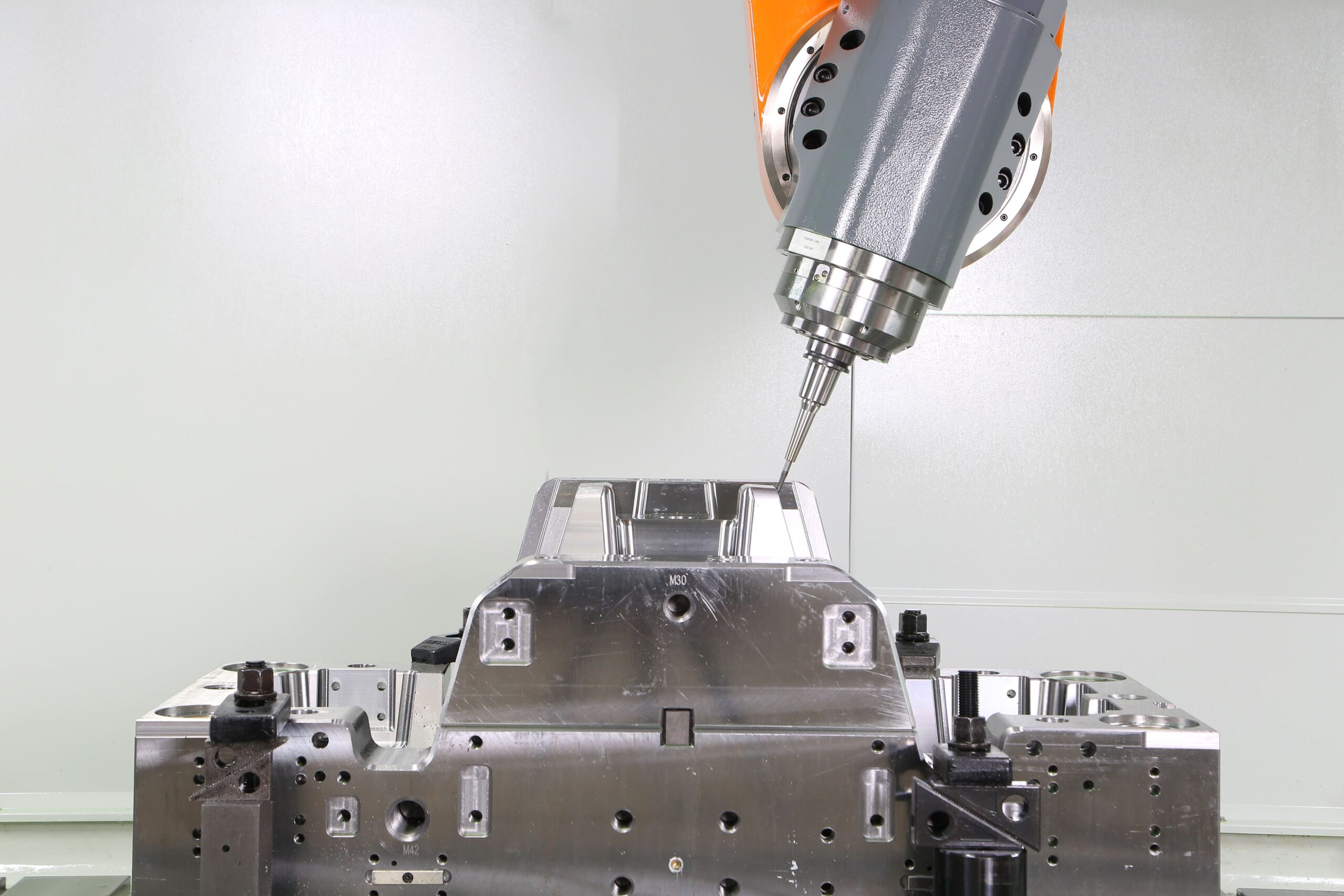
CNC machining is a subtractive manufacturing process in which computer-controlled mills and lathes remove material from a solid block to produce accurate, repeatable parts. Working from your CAD model and G-code toolpaths, our multi-axis machines cut tight-tolerance components in aluminum, steel, stainless steel, brass, copper, titanium, and engineering plastics. The process suits functional prototypes, production tooling, and end-use parts that need real mechanical strength, dimensional accuracy, and consistent repeatability across every unit.
Nuestras capacidades
Why XY for Custom CNC Machining Services?
Precision CNC machining is only as good as the quality system behind it. Our framework aligns with ISO 9001, with optional inspection reports, material certifications, and full traceability documentation available on request. From small-batch prototypes to large production runs, we hold strict dimensional control and verify every process step so parts stay consistent from the first piece to the last.
Our engineers review each technical drawing before cutting begins, flagging manufacturability risks that drive up cost or delay delivery. That review is where thin walls, unreachable features, and over-tight callouts get caught early, so you approve a part that machines cleanly the first time.
Retains visible tool paths; ideal for functional mechanical parts.
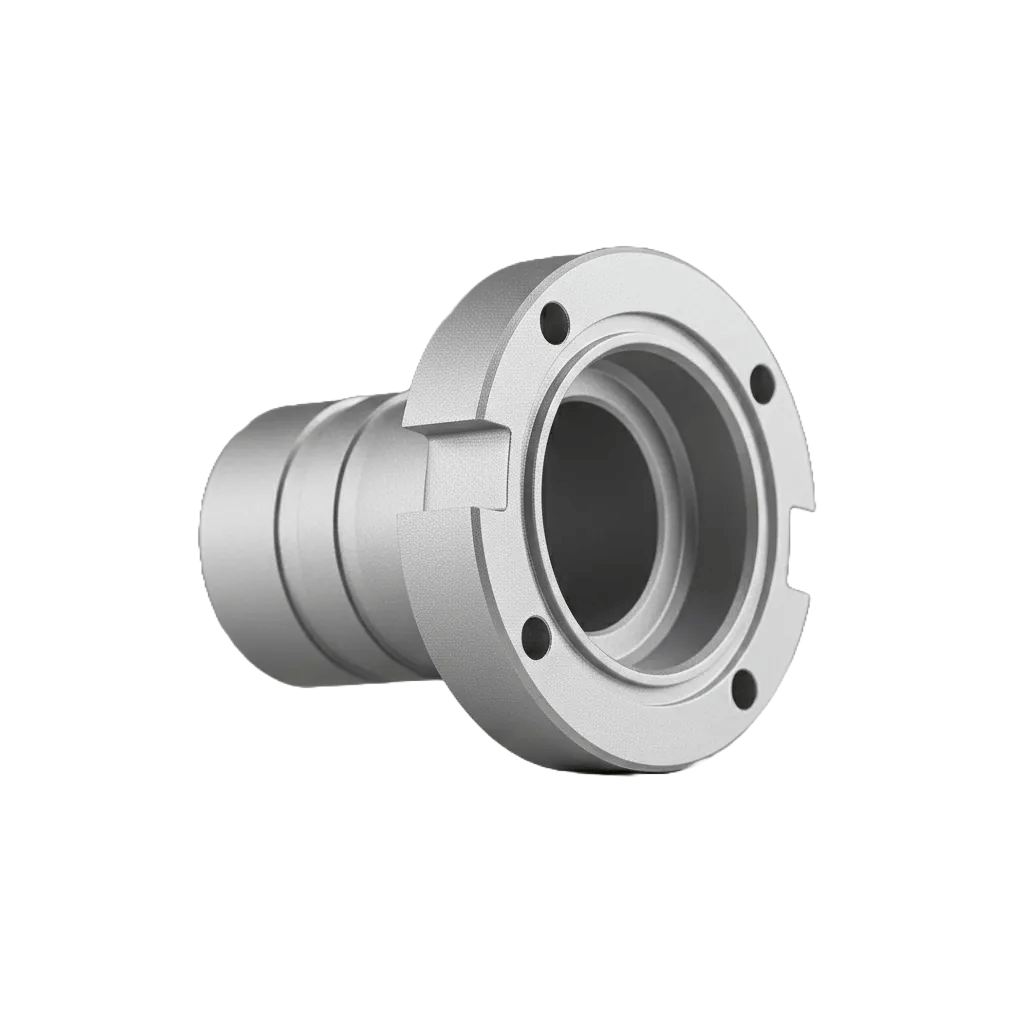
Uniform matte texture that hides minor tool marks.
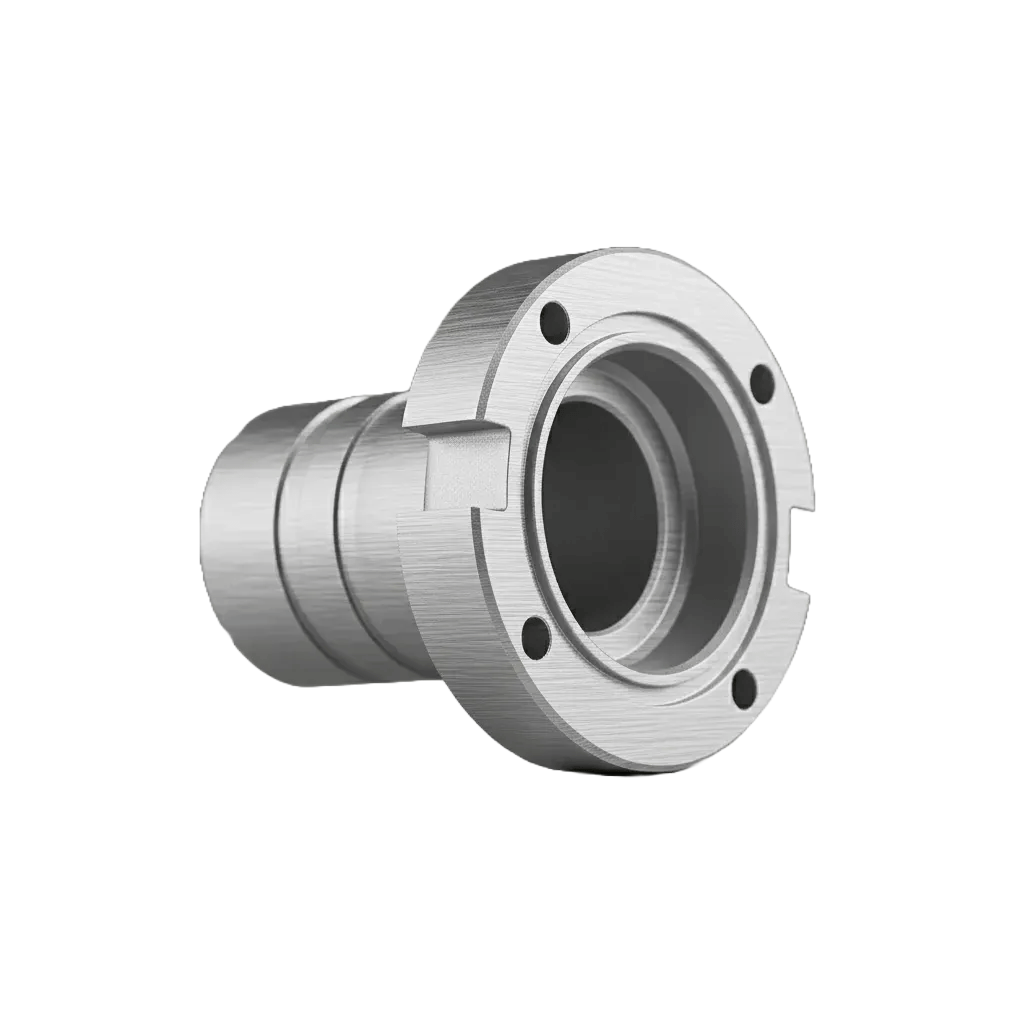
Linear grain finish for aesthetic metal surfaces.
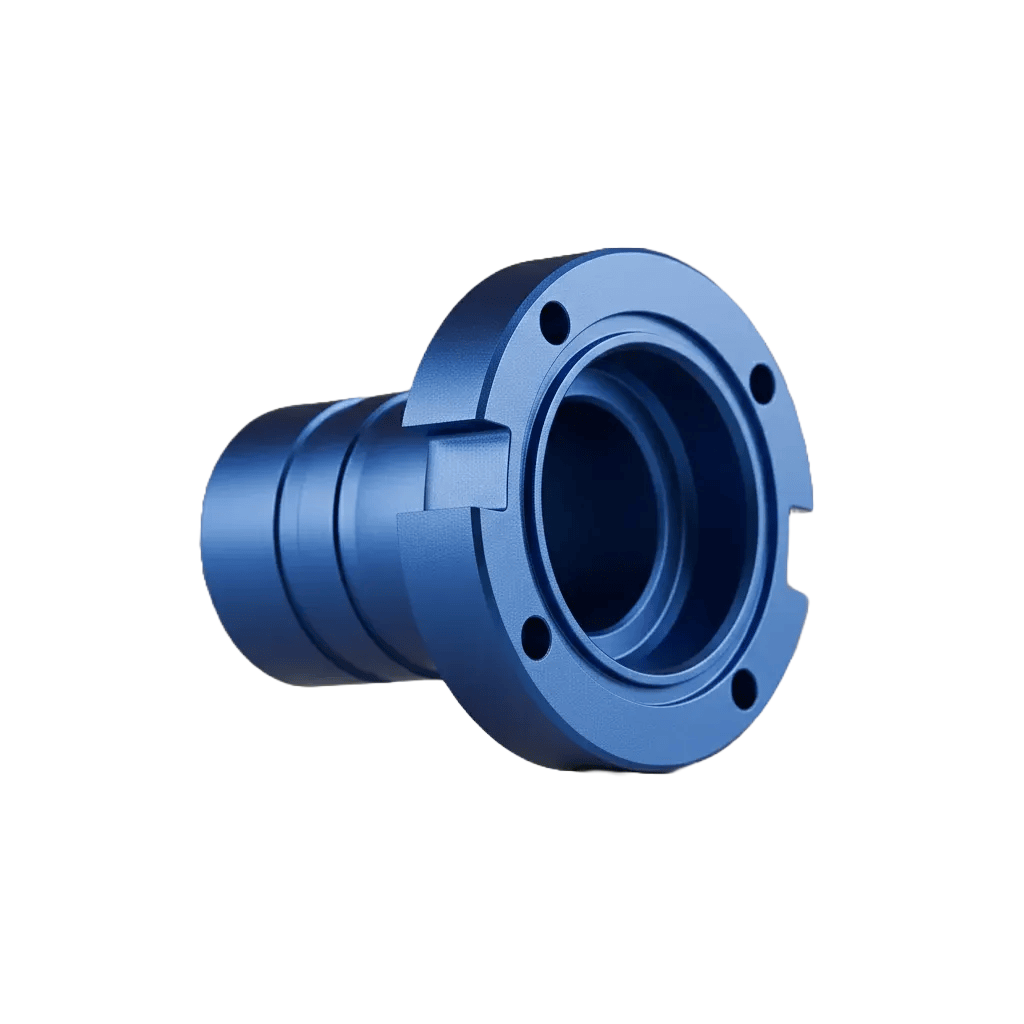
Electrochemical layer that adds corrosion resistance and surface hardness to aluminum.
Thicker anodized layer for wear resistance in demanding service.
Surface protection that preserves electrical conductivity.
Improves clarity on optical-grade plastics.
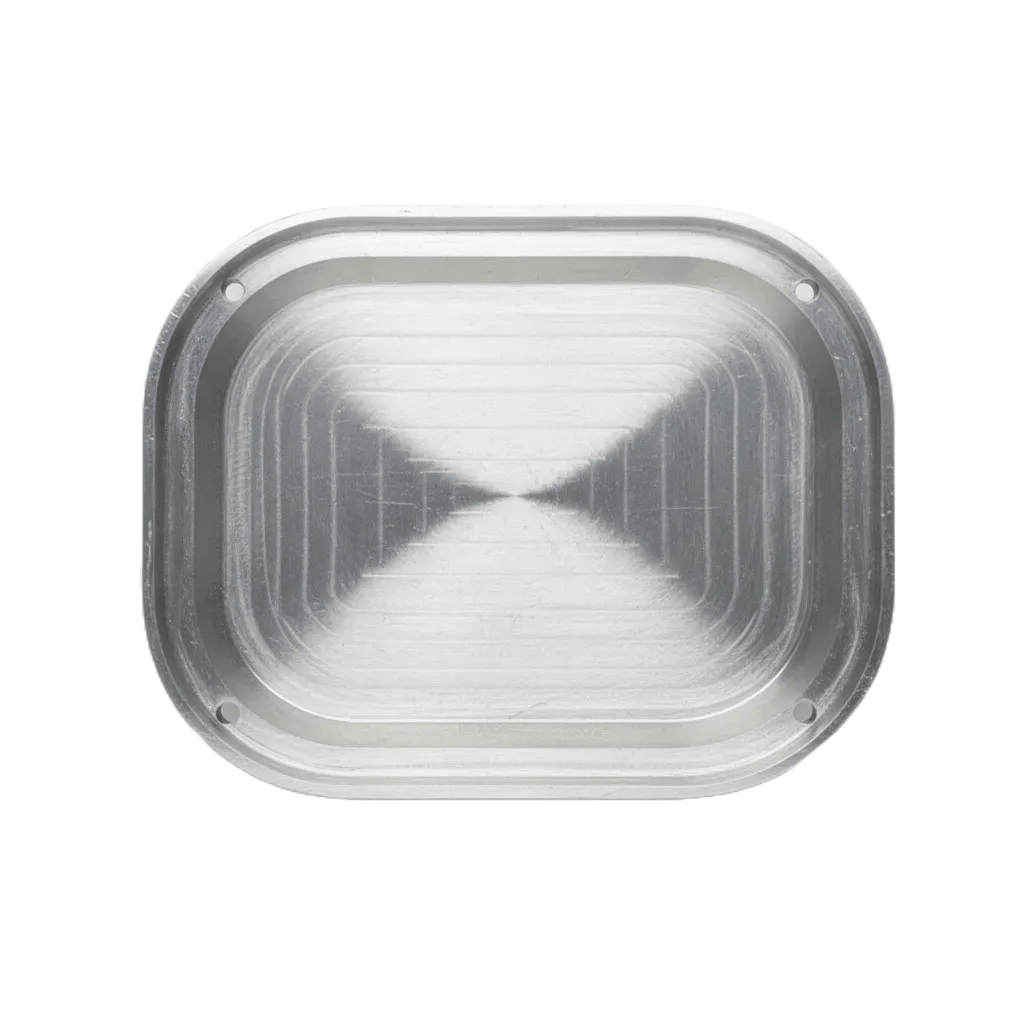
High-gloss finish for decorative or display parts
Acabados superficiales en el mecanizado CNC
Capabilities for Custom CNC Machining
Característica | Especificaciones |
Tolerancias generales | Metals: ISO 2768-M, Plastics: ISO 2768-C |
Tight tolerances | Down to ±0.005 mm (±0.0002 in) on capable features |
Minimum wall thickness | 0.5 mm for lightweight designs |
Minimum end mill size | 0.5 mm for fine-detail machining |
Tamaño máximo de la pieza | Milling: 4000 × 750 × 660 mm, Turning: Ø200 × 500 mm |
Tamaño mínimo de la pieza | Milling: 5 × 5 × 5 mm, Turning: Ø2 × 2 mm |
Volumen de producción | Prototyping: 1–100 pcs, Low: 101–10,000 pcs, High: 10,001+ pcs |
These limits cover most engineering work in a single supplier, from a 5 mm micro-bracket to a 4-meter structural component. Tight tolerance CNC machining to ±0.005 mm is available where the geometry and material allow it; we confirm achievable tolerances per feature during DFM so you never pay for precision the part does not need.
Sectores a los que prestamos servicio
High-precision components under strict dimensional control for regulated healthcare and dental applications.
Micro-machined parts engineered for thermal management, conductivity, and structural stability.
Durable components built for high-load and high-temperature environments.
Custom parts for motion systems, housings, and precision assemblies.
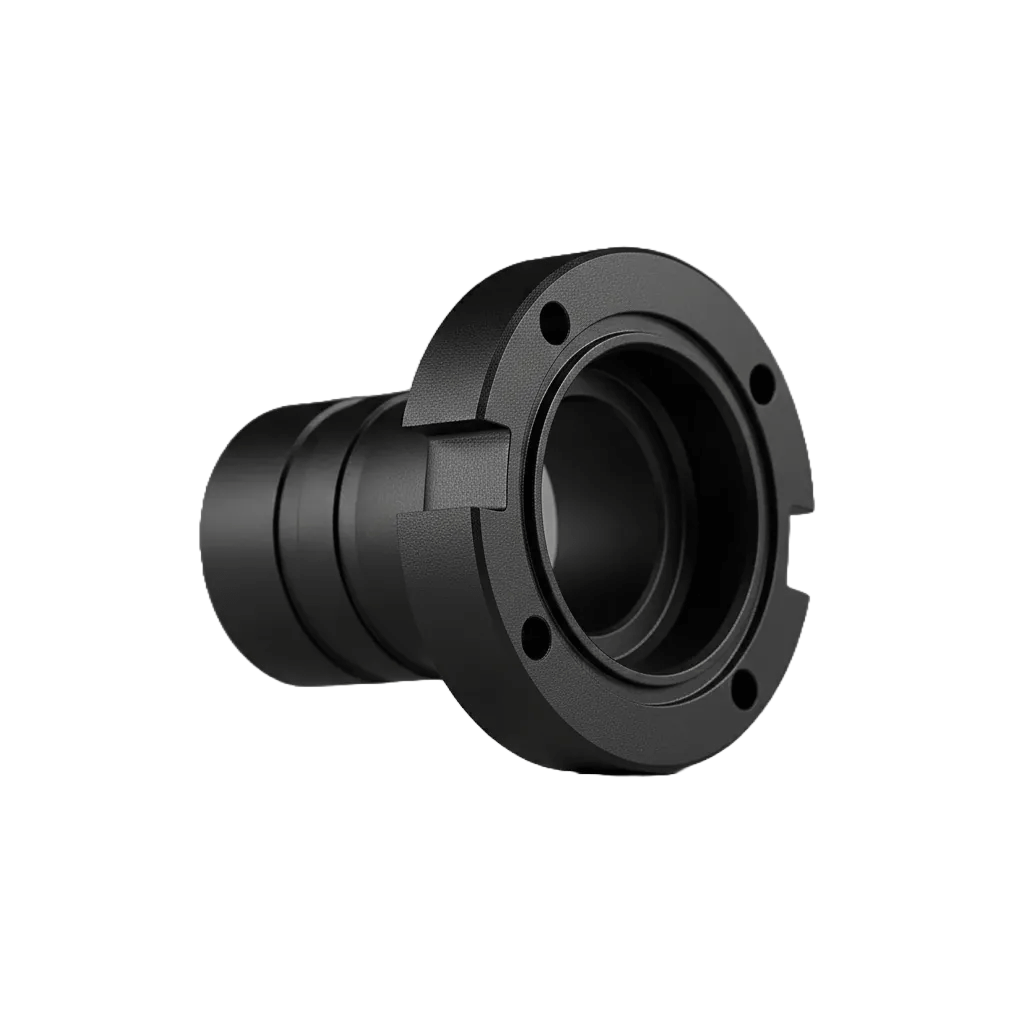
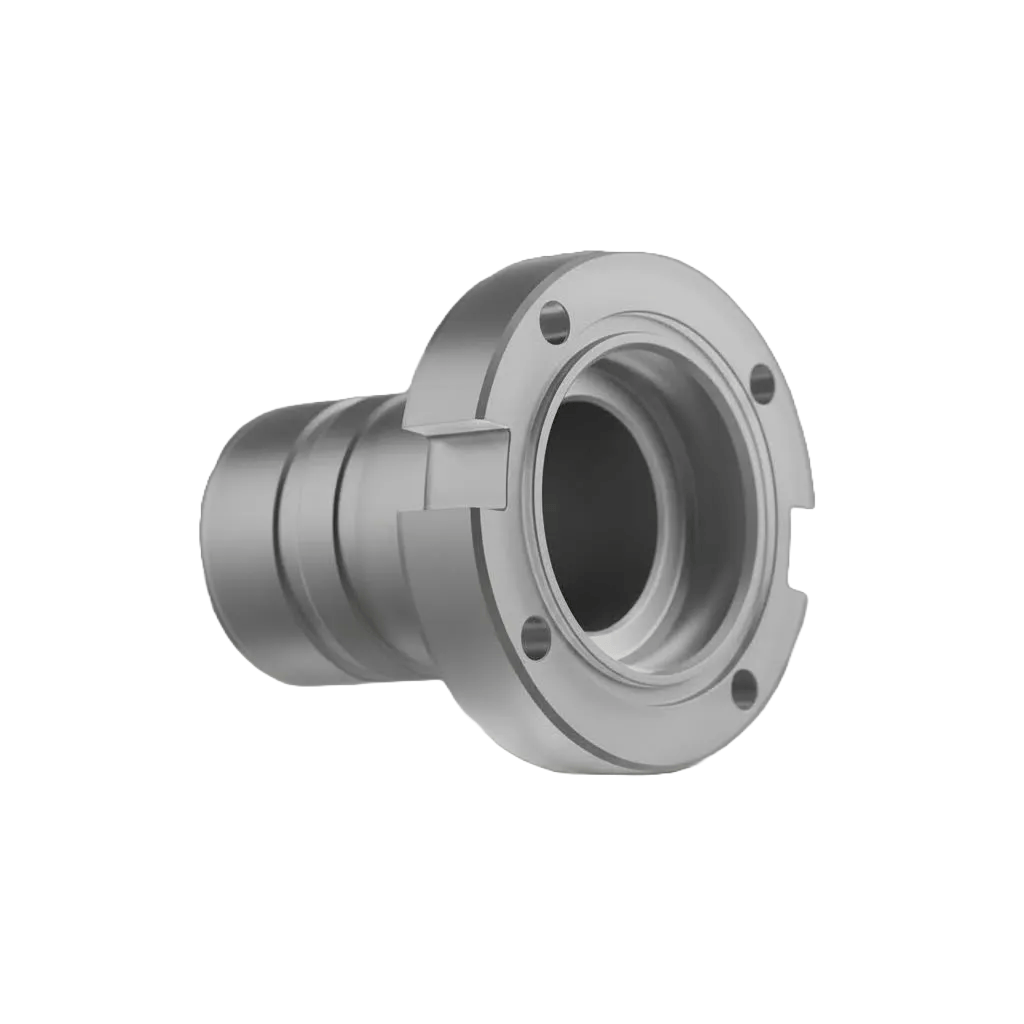
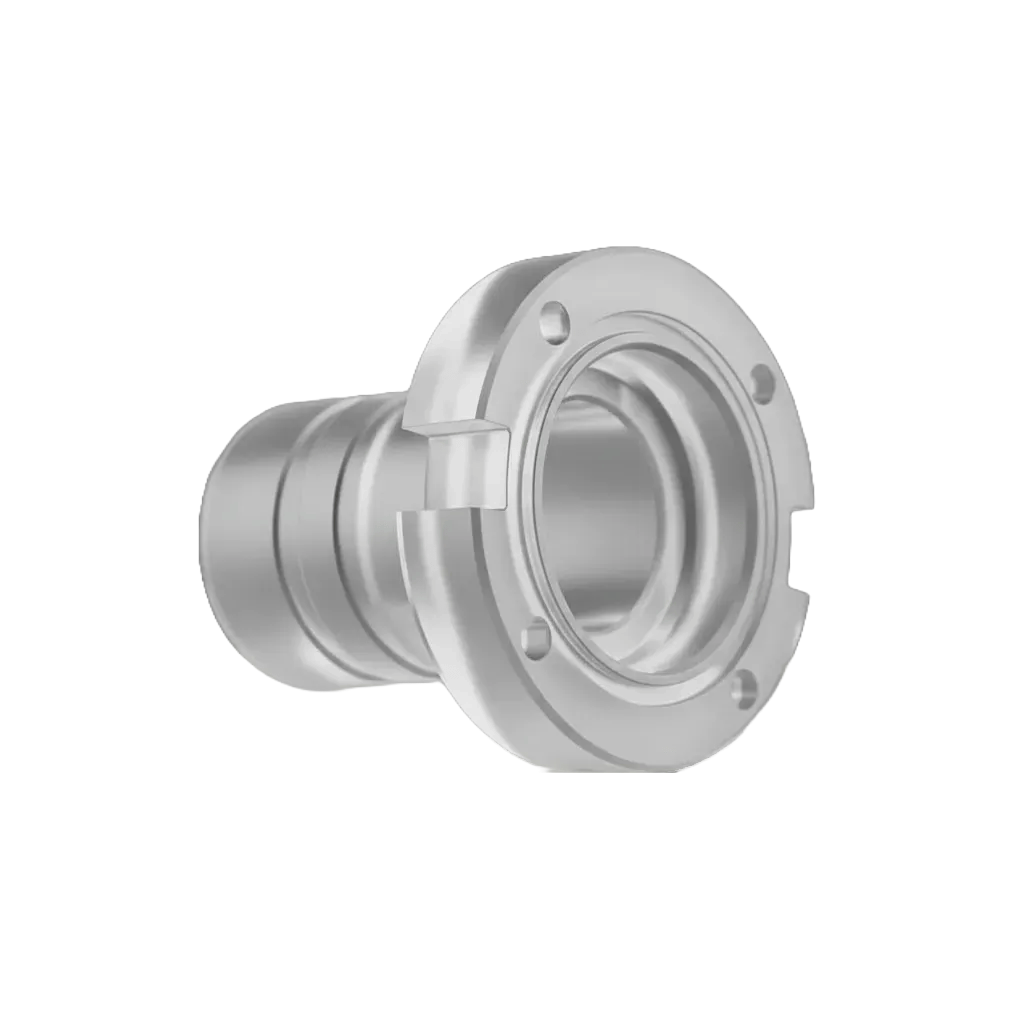
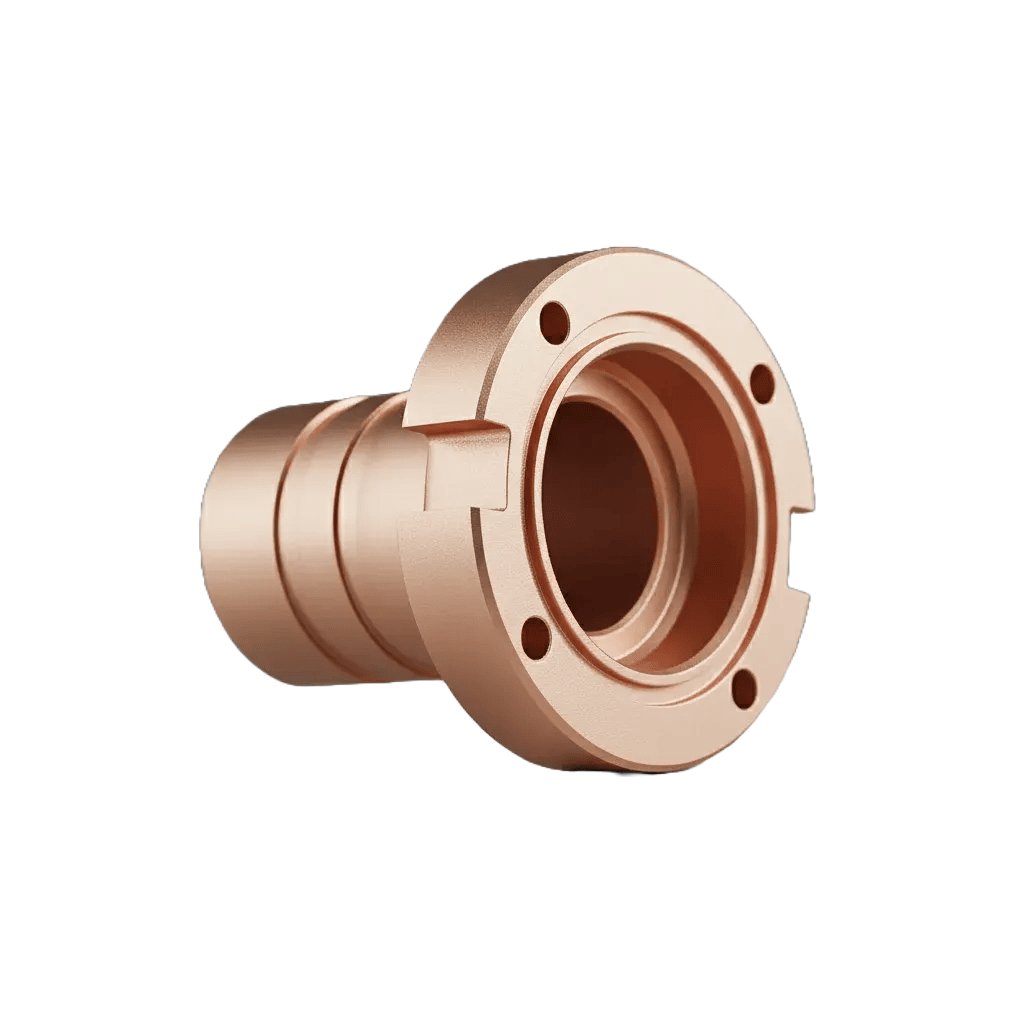
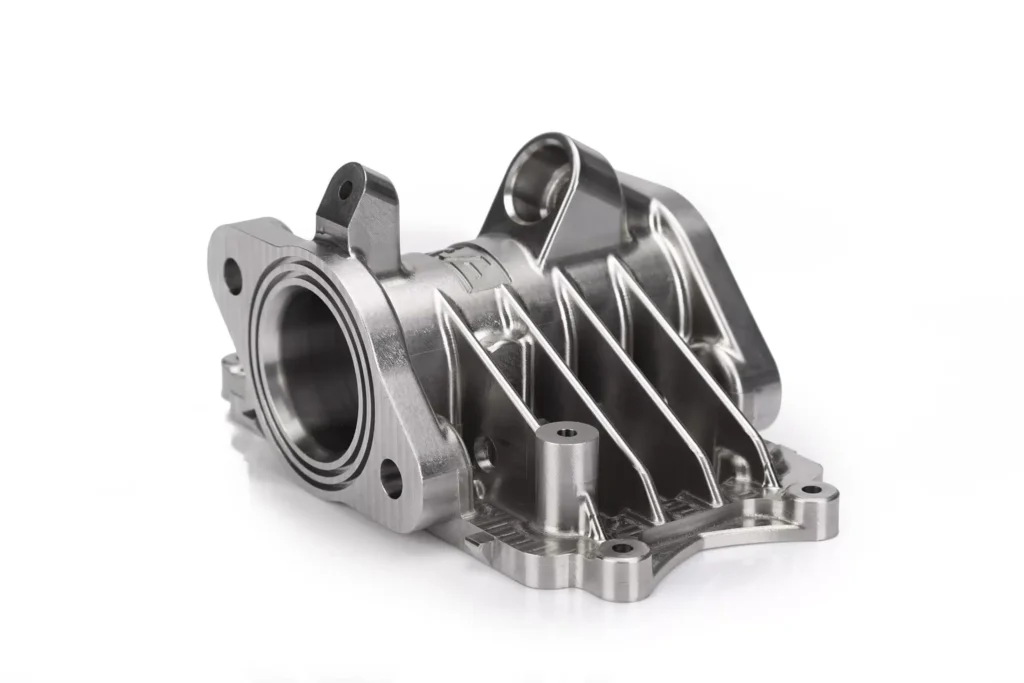
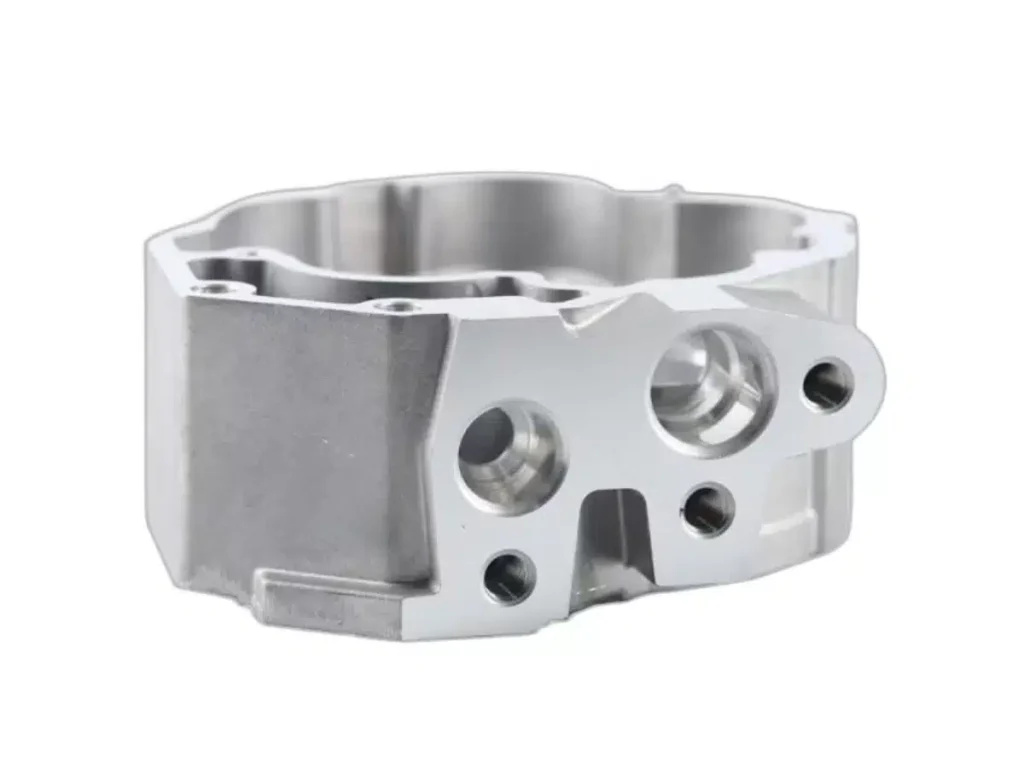
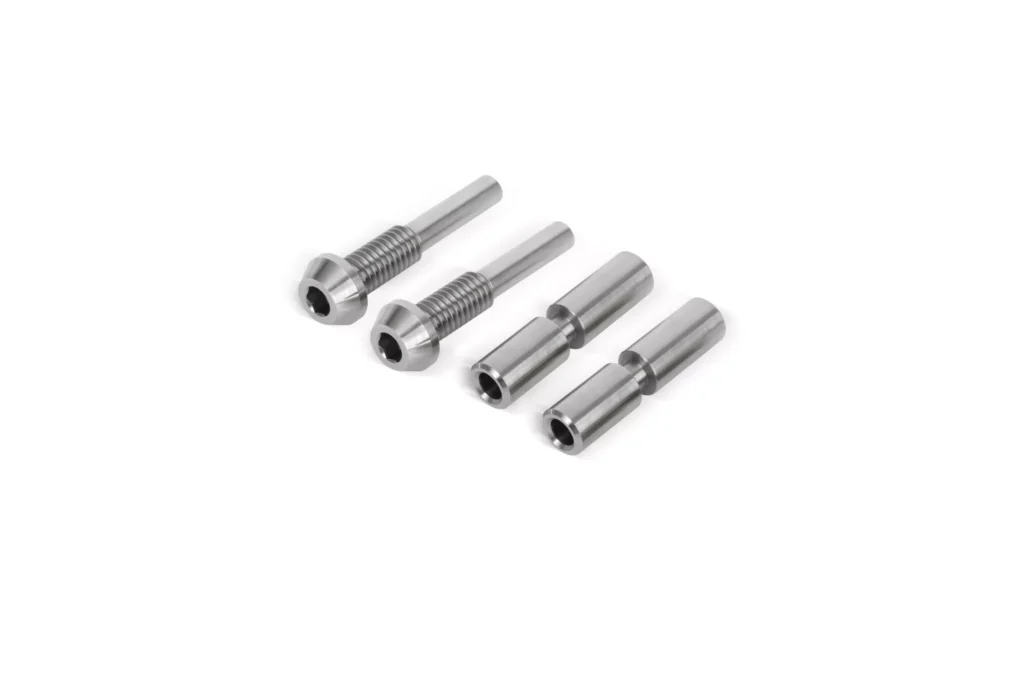
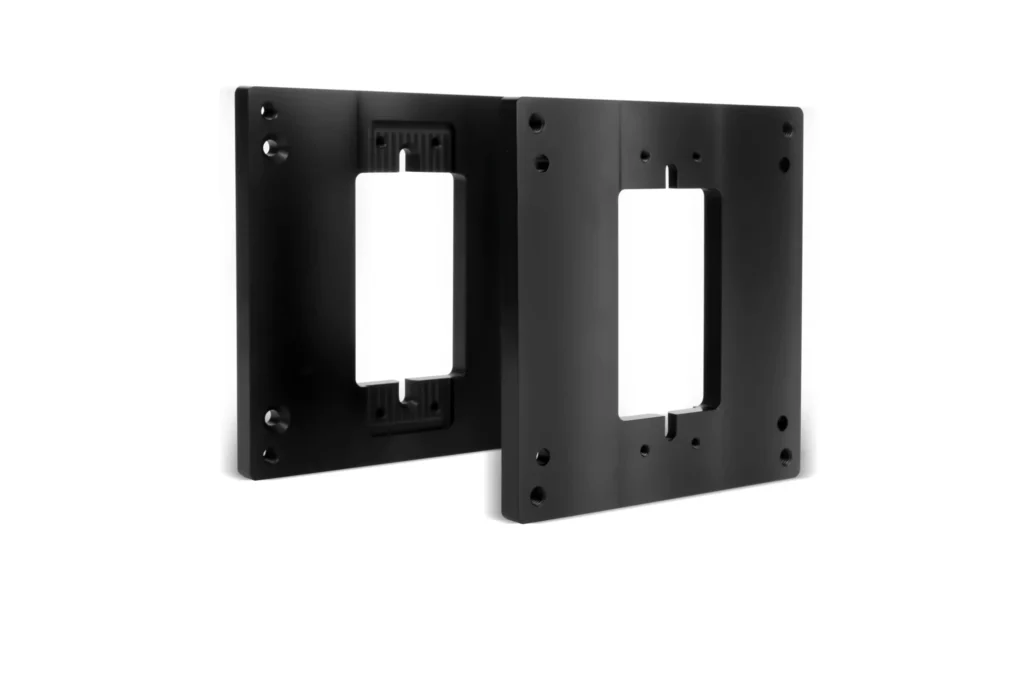
Our CNC Machining Gallery
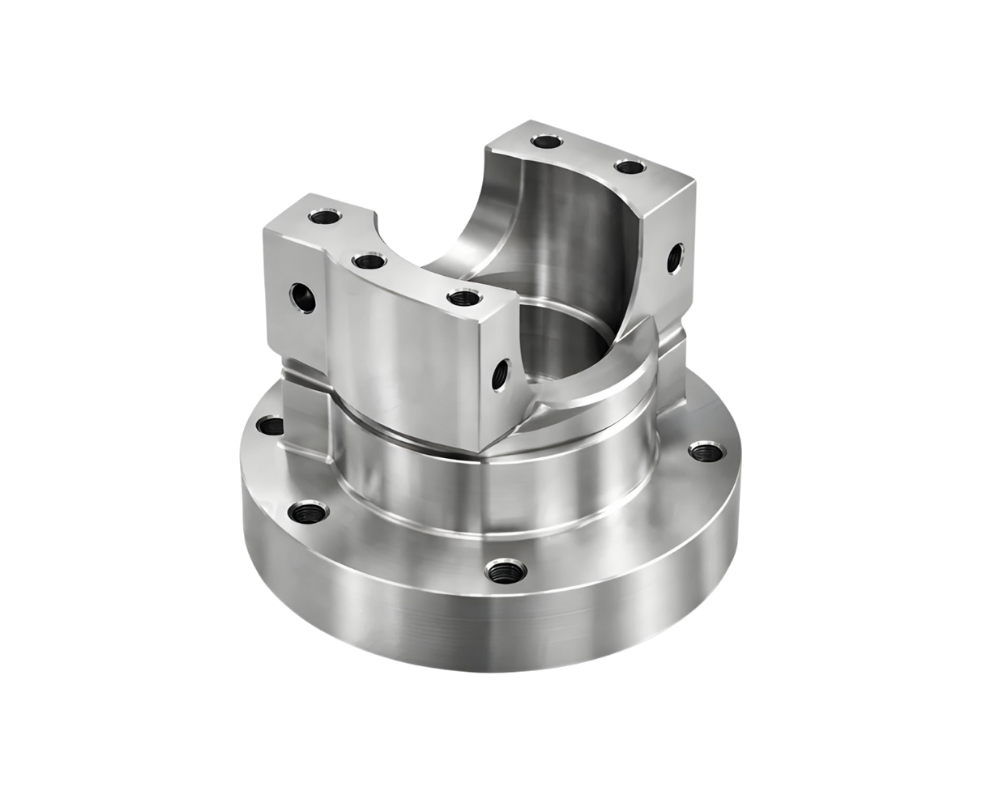
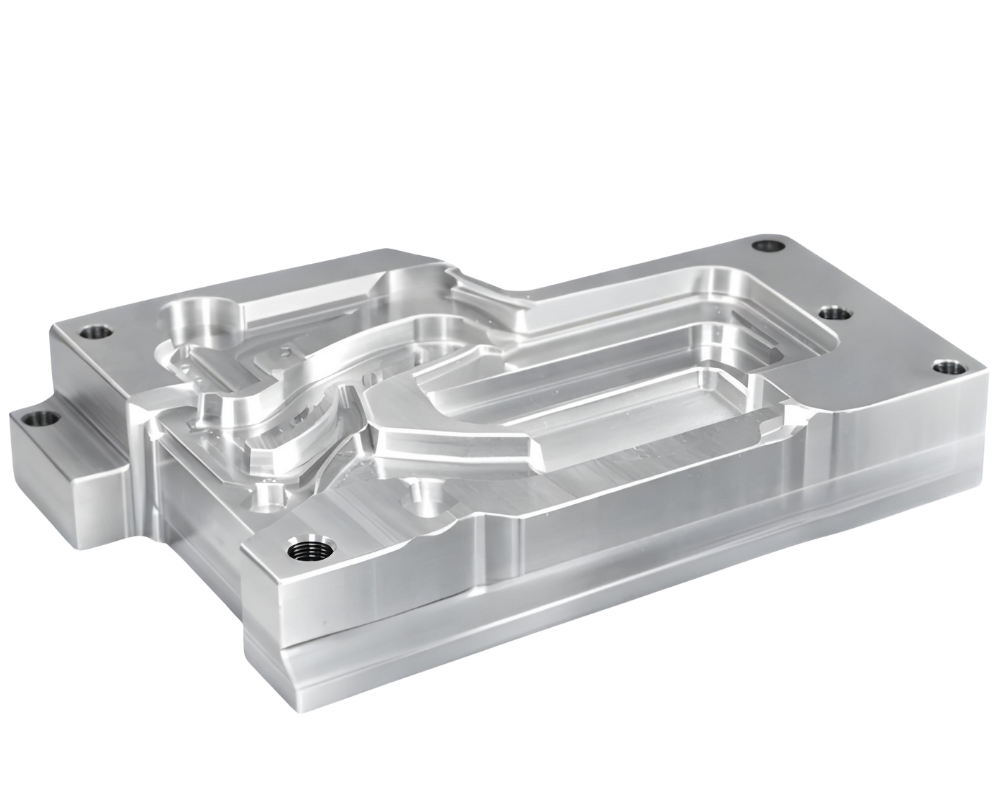
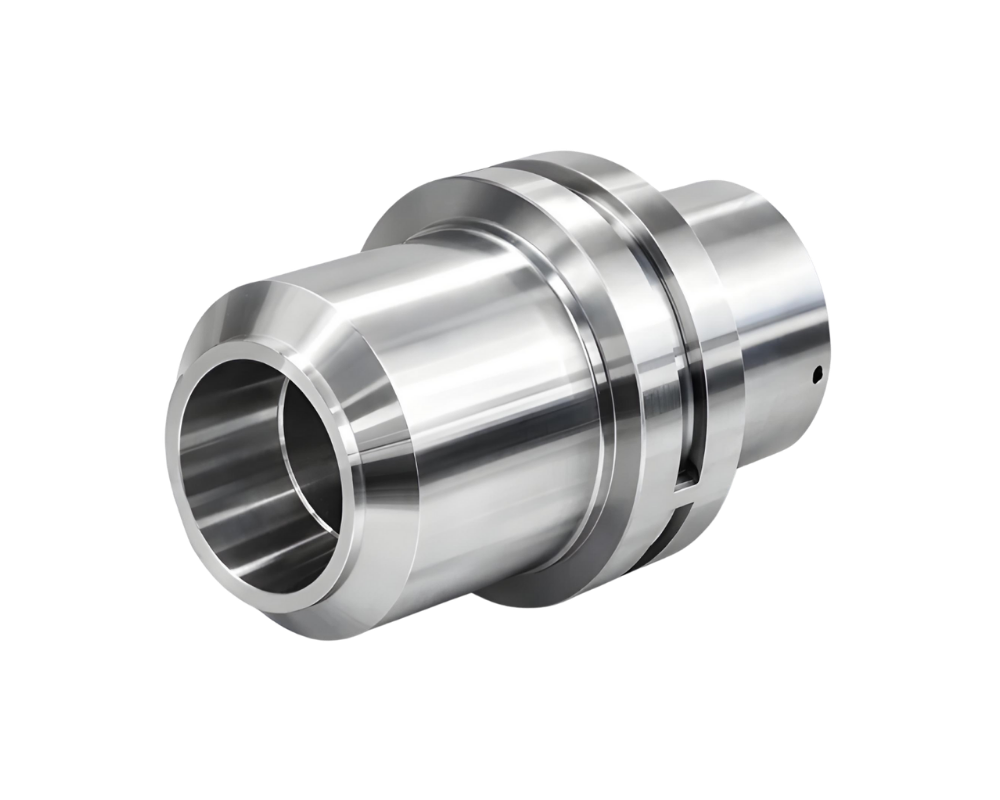
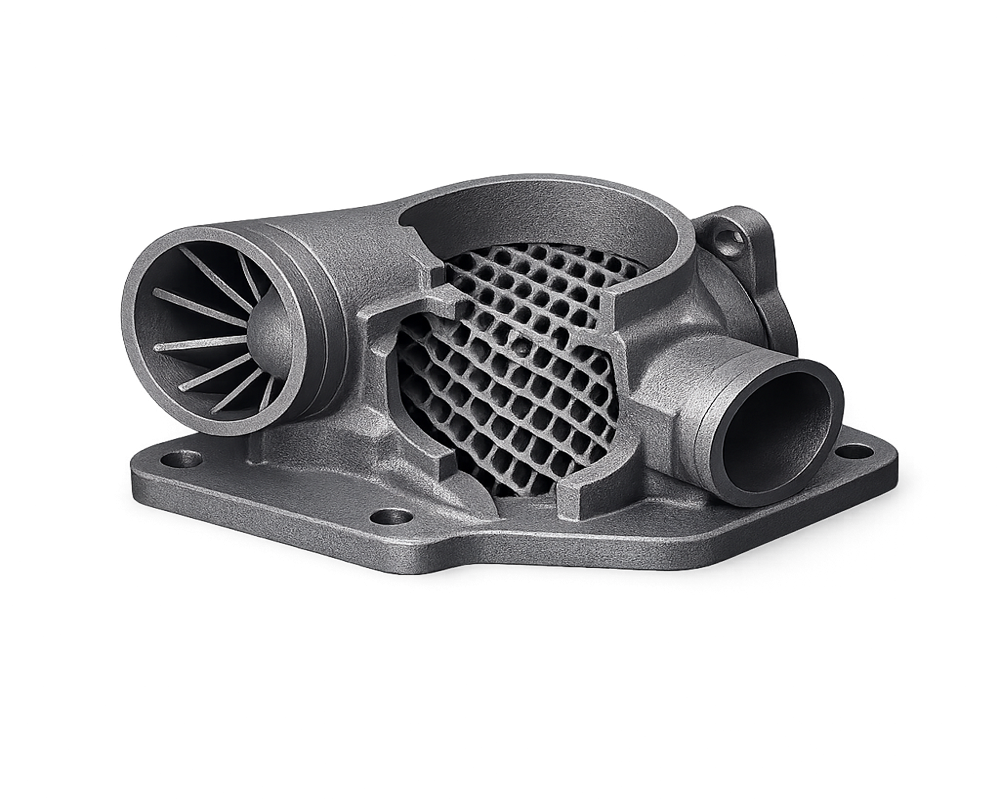
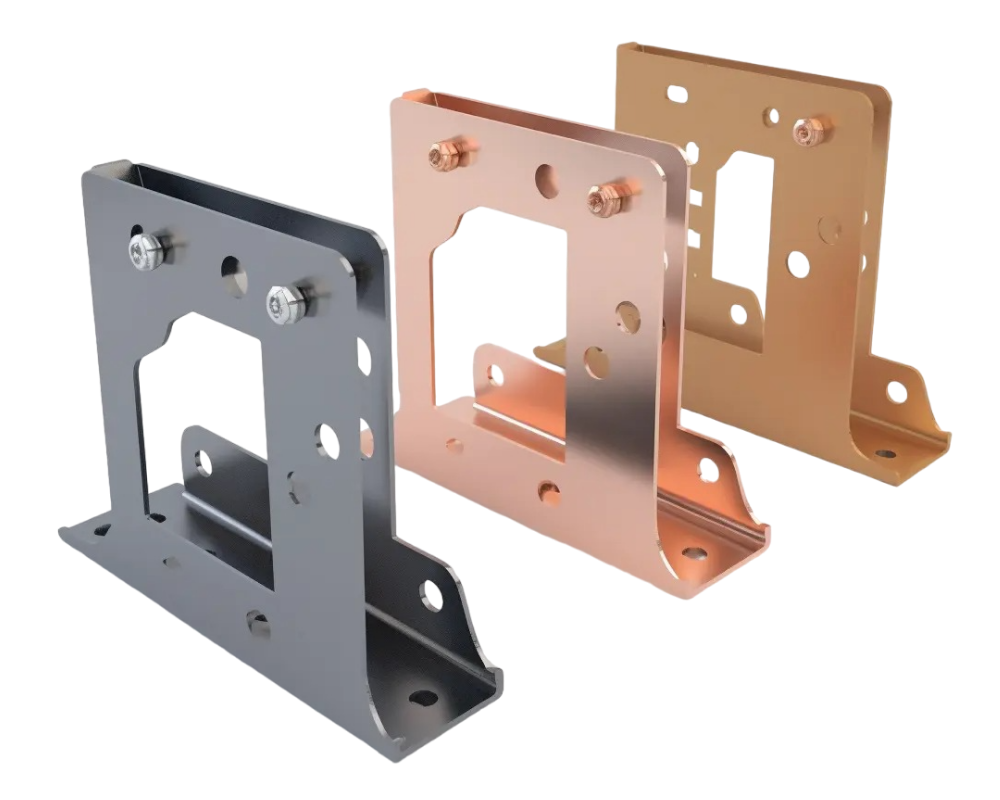
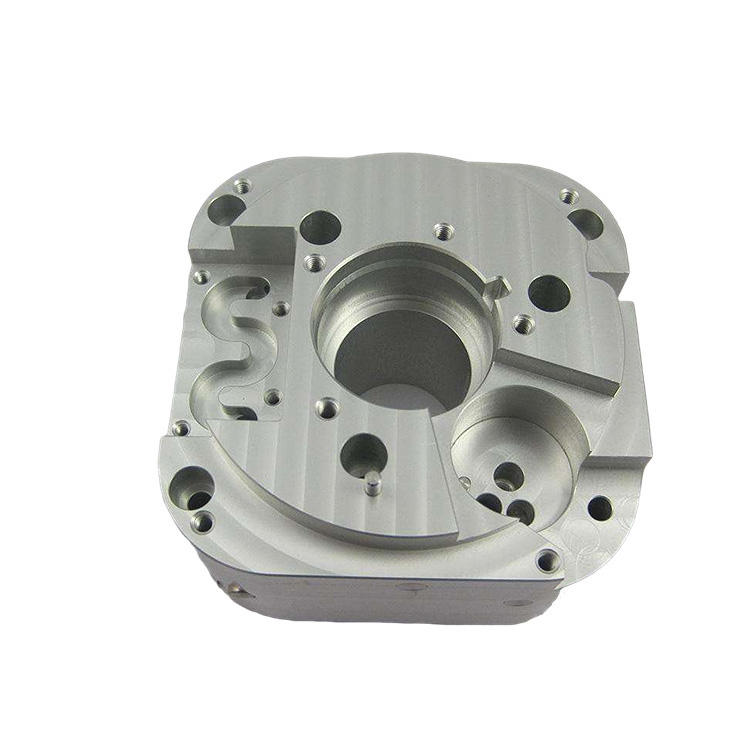
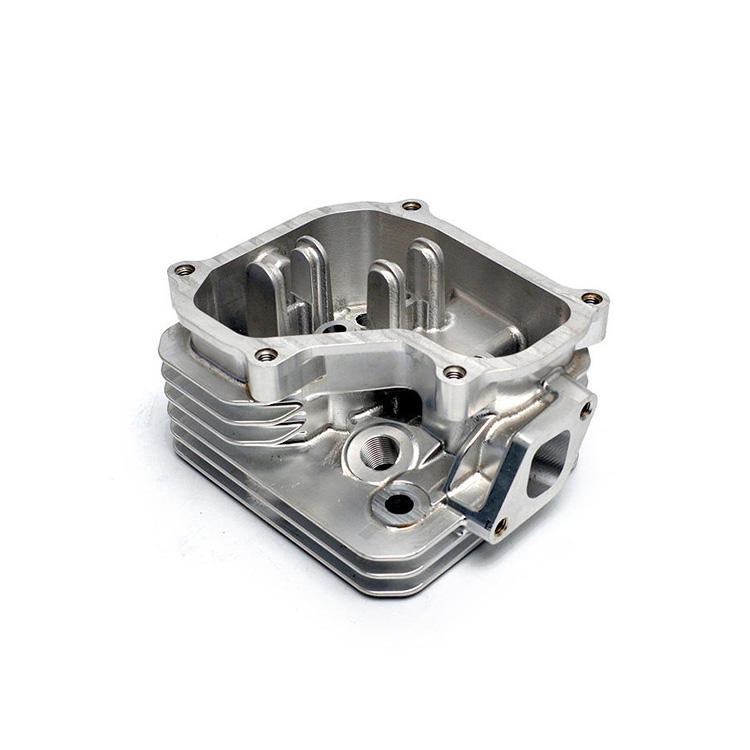
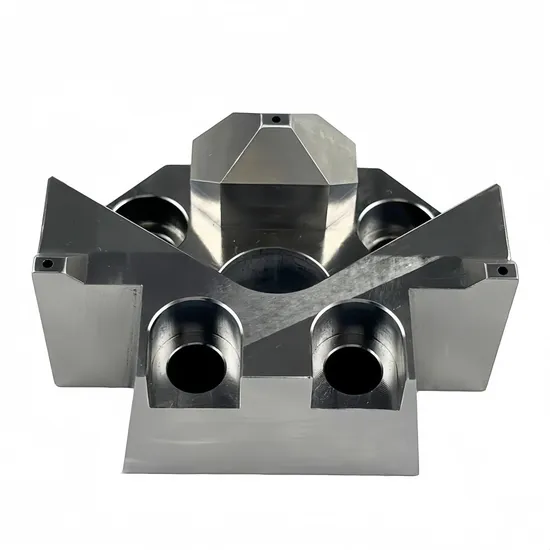
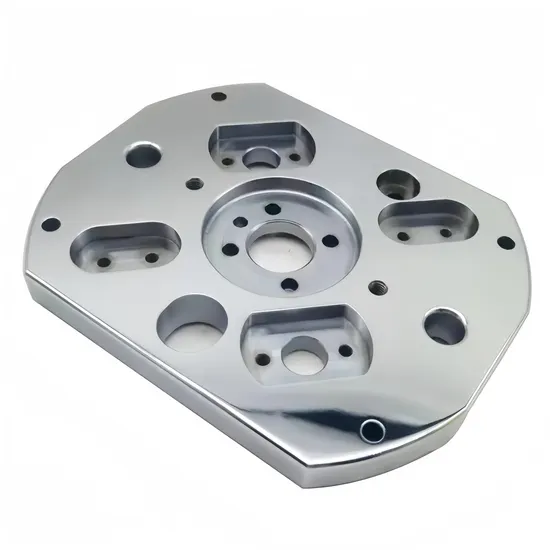
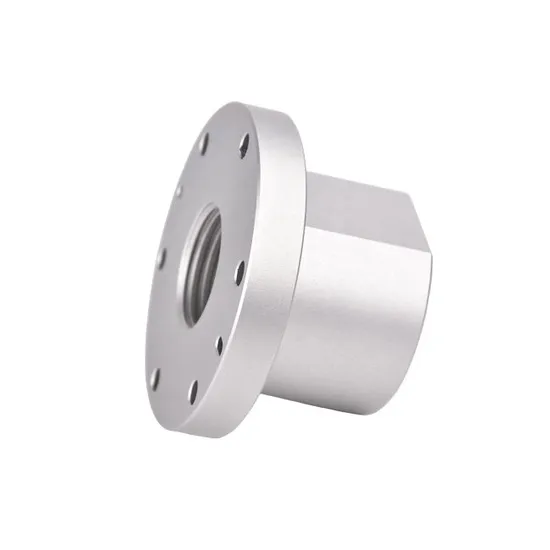
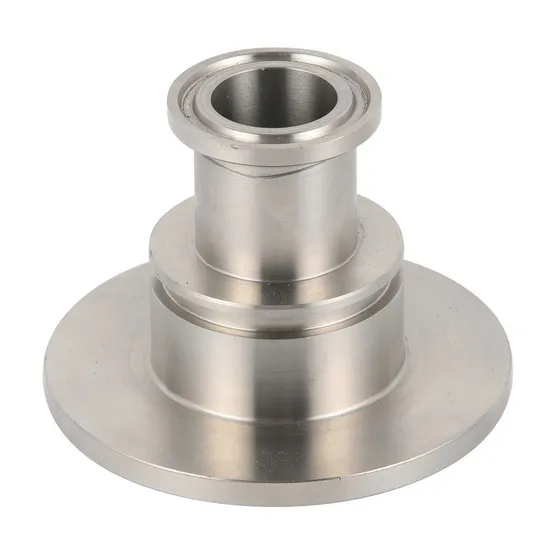
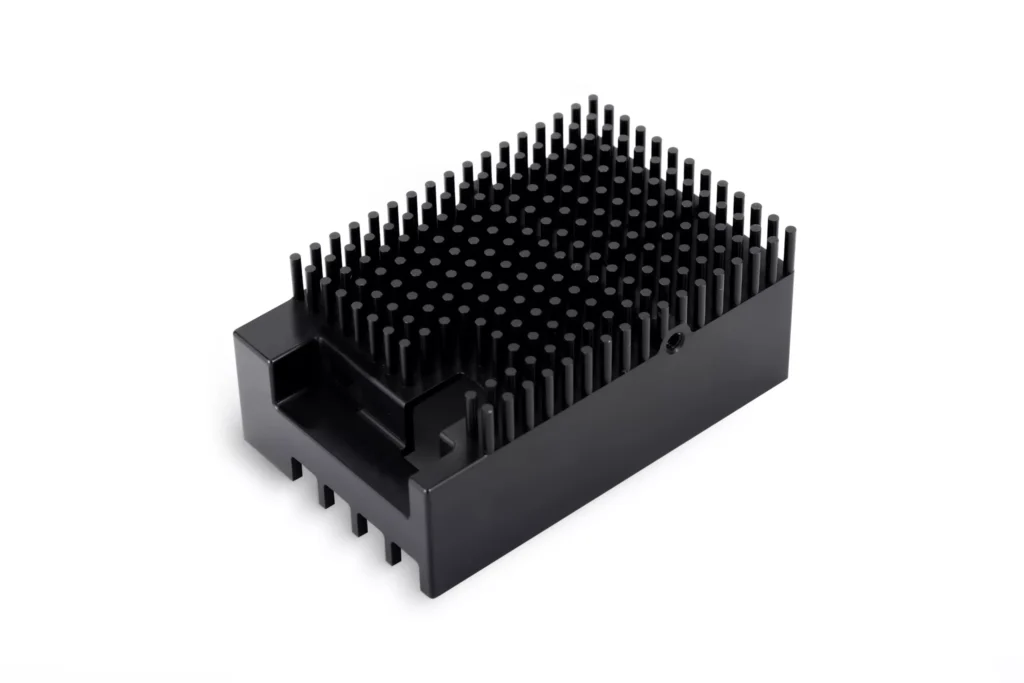
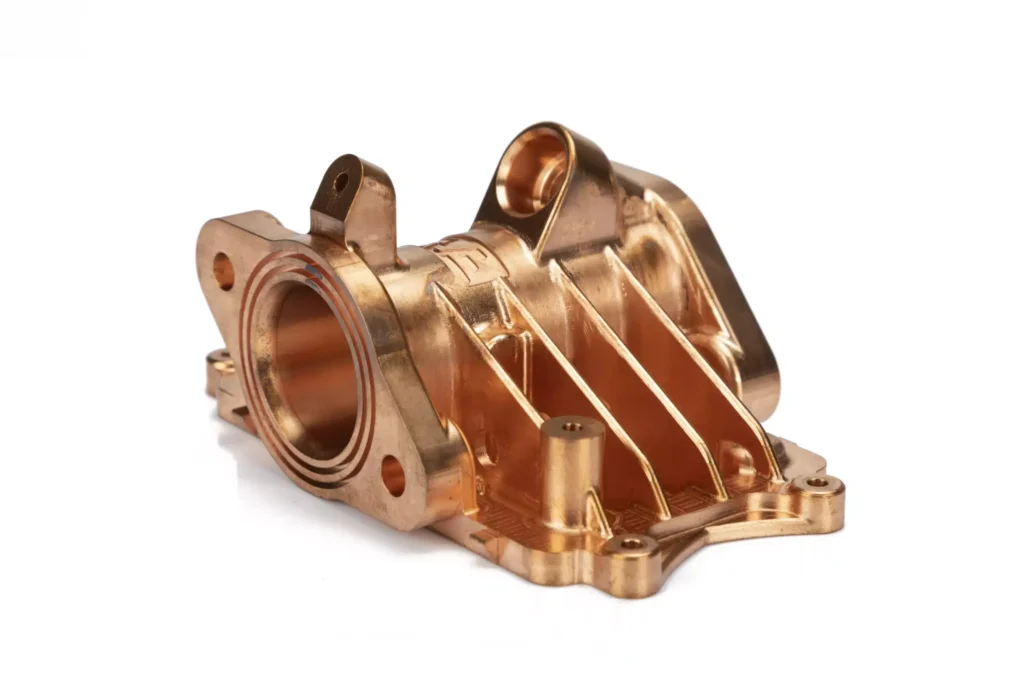
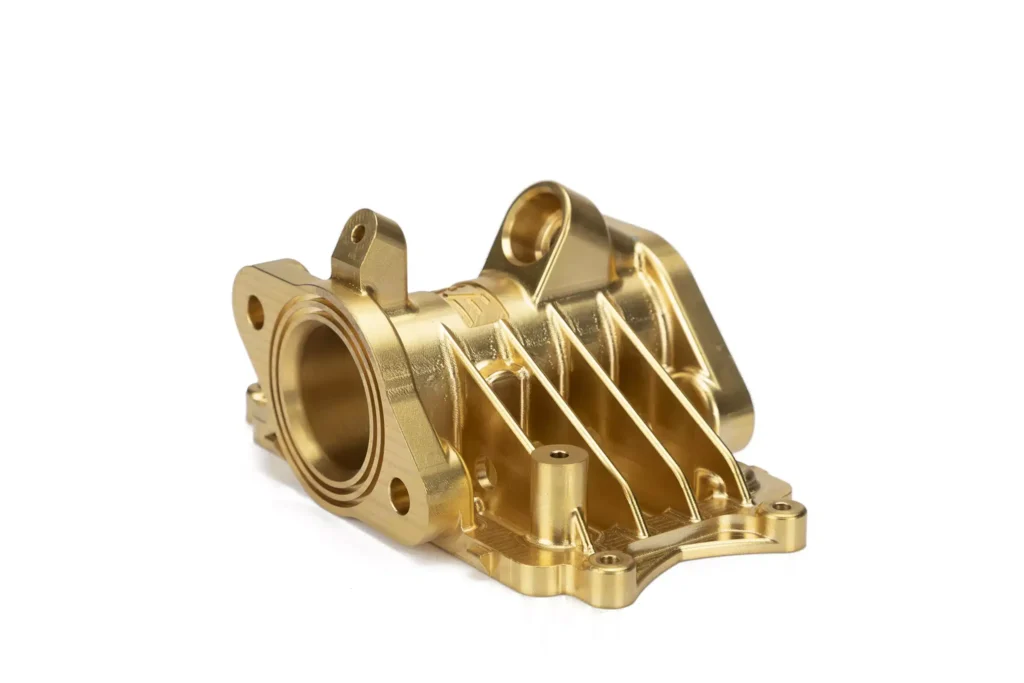
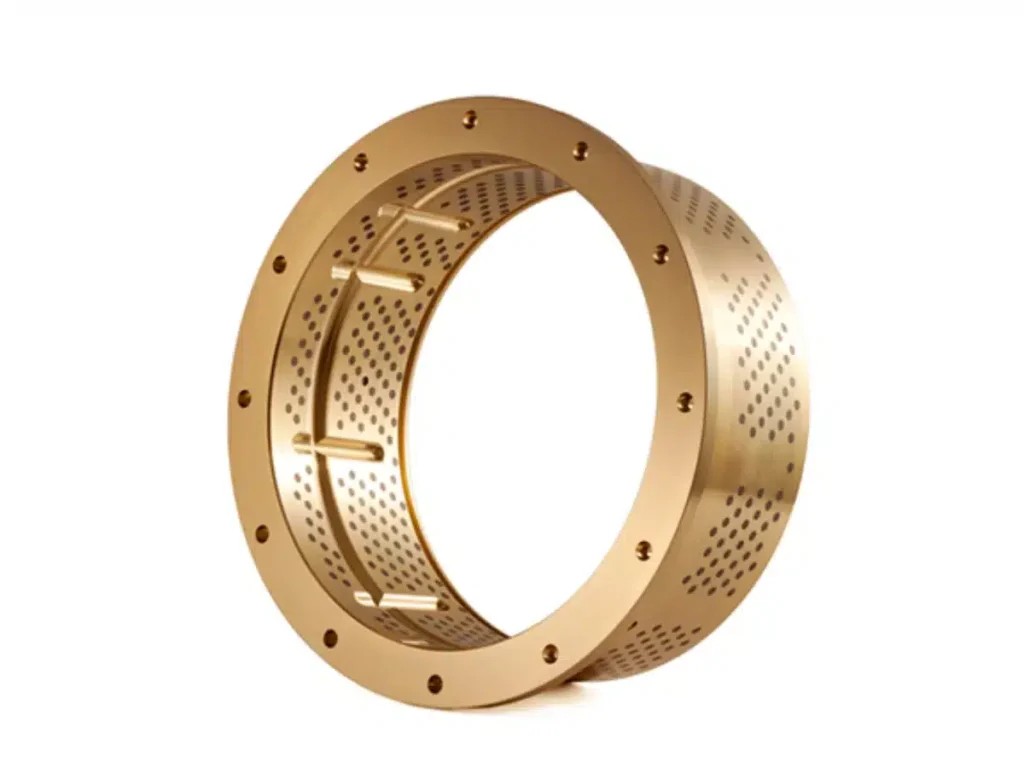
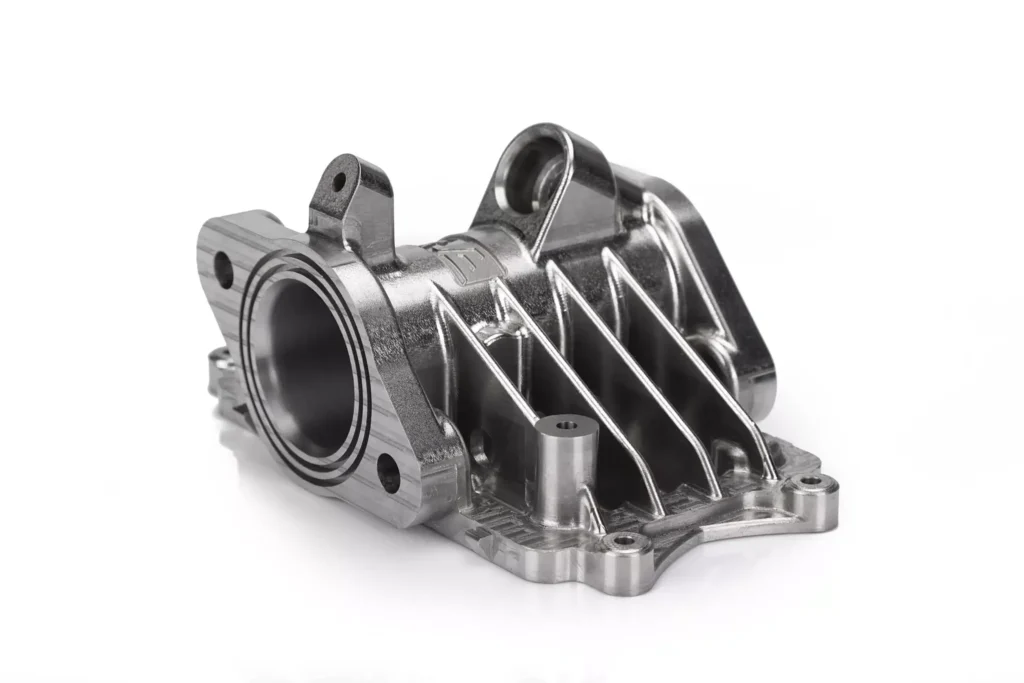
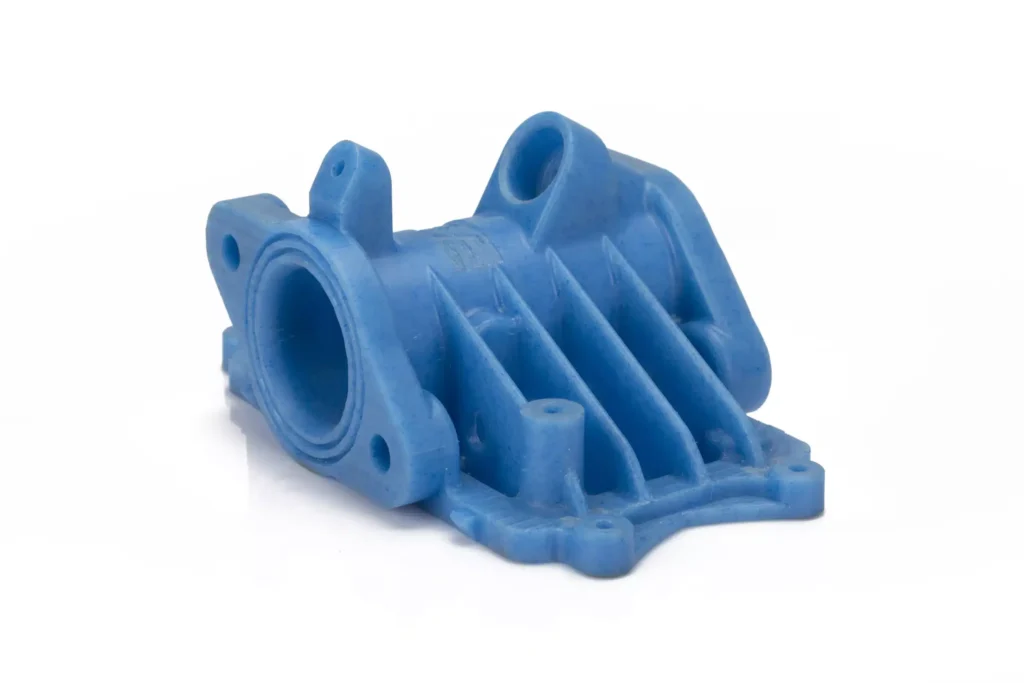
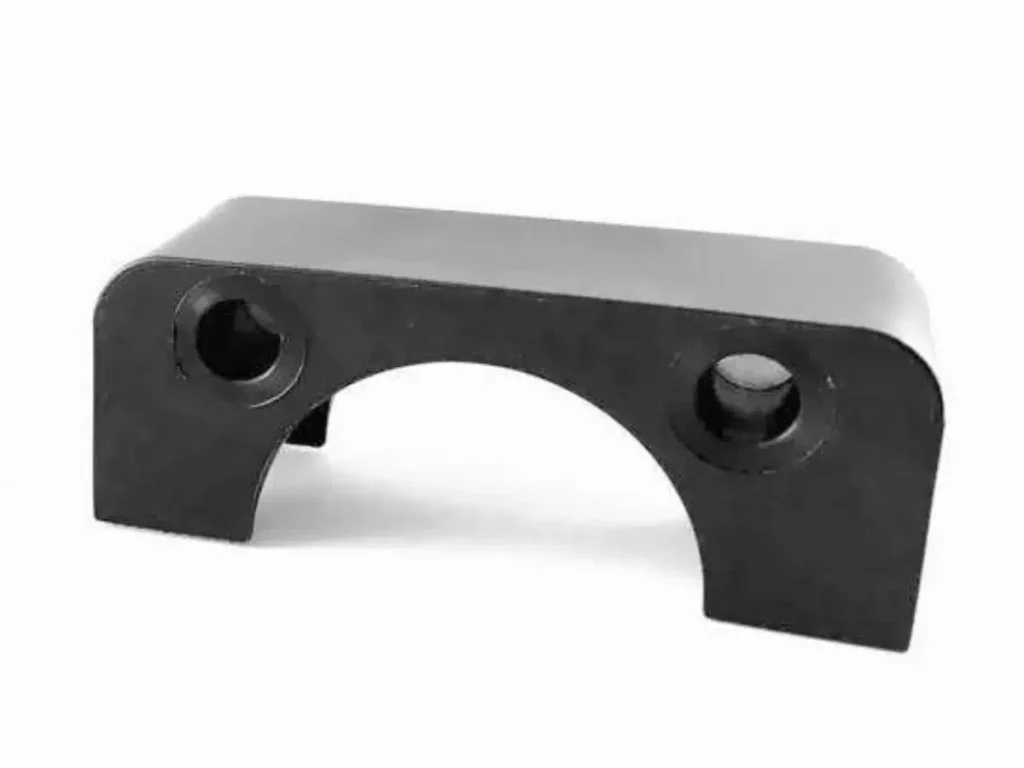
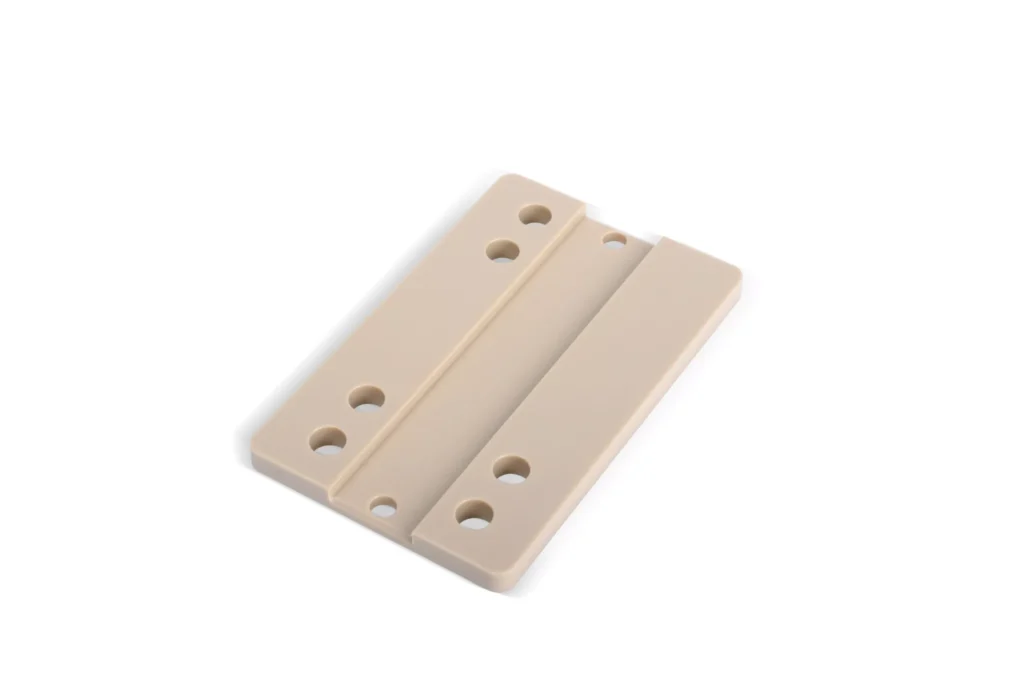
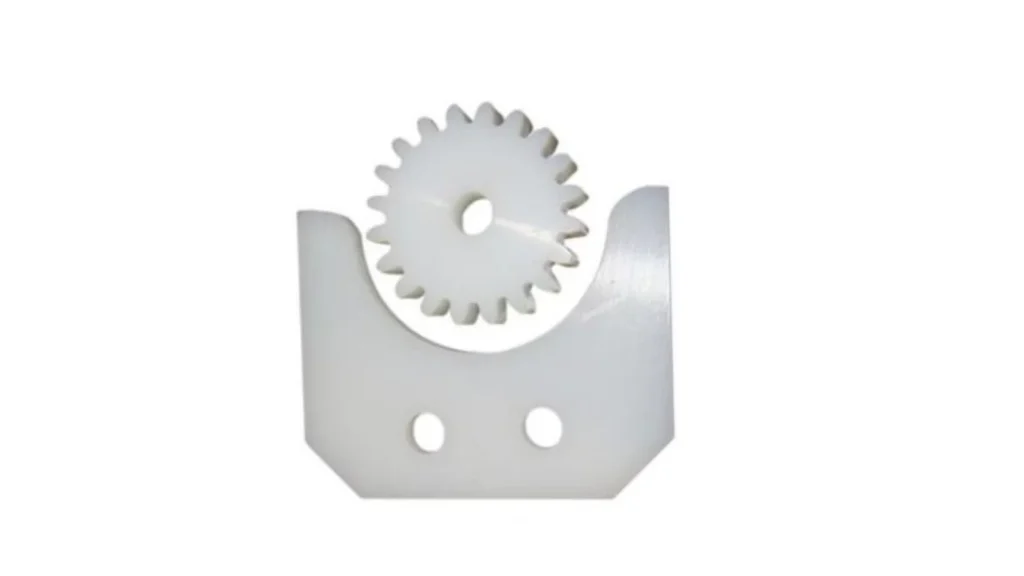
These examples show precision-milled and turned components produced across a range of materials and geometries. The portfolio reflects complex features, fine surface finishes, and tight-tolerance engineering held to repeatable standards.
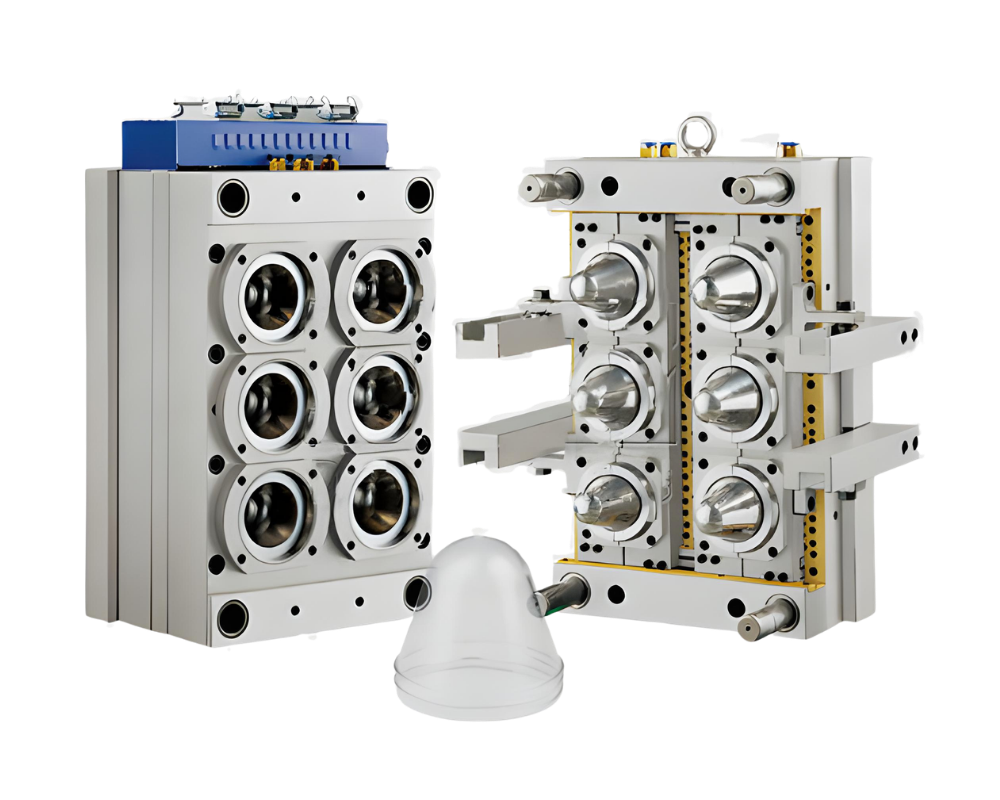
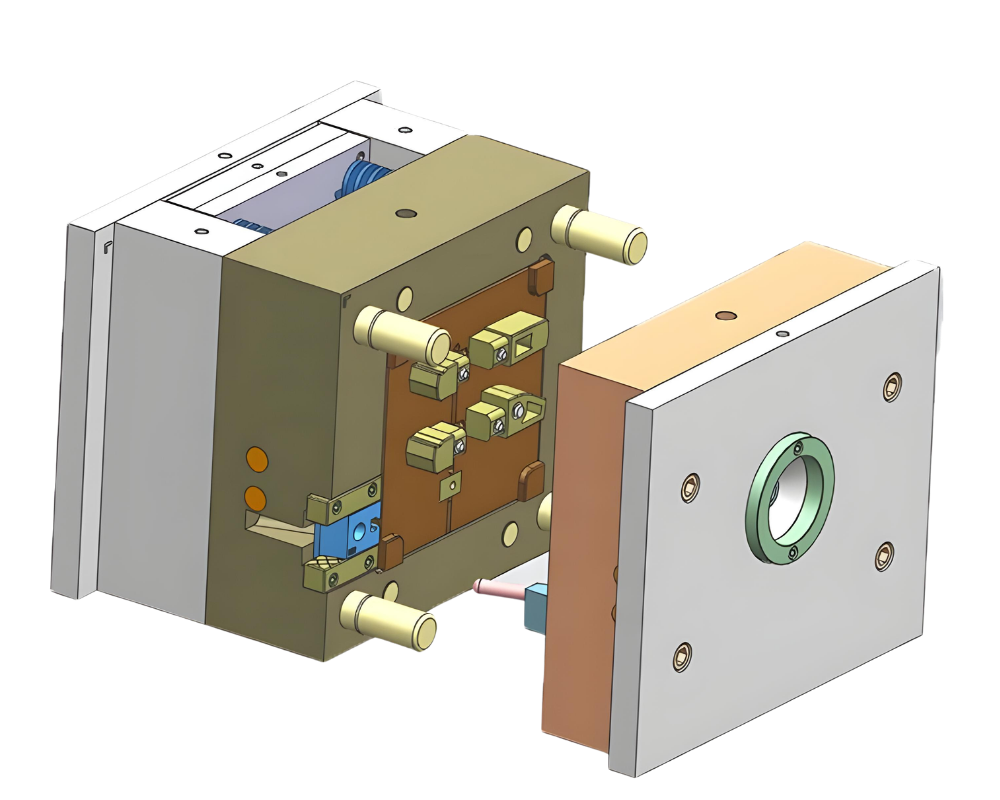
Fabricación rápida de utillaje shortens the jump from design validation to production. Using mecanizado de precisión, we cut molds and fixtures suited to prototype testing and short runs, cutting development time while holding dimensional integrity.
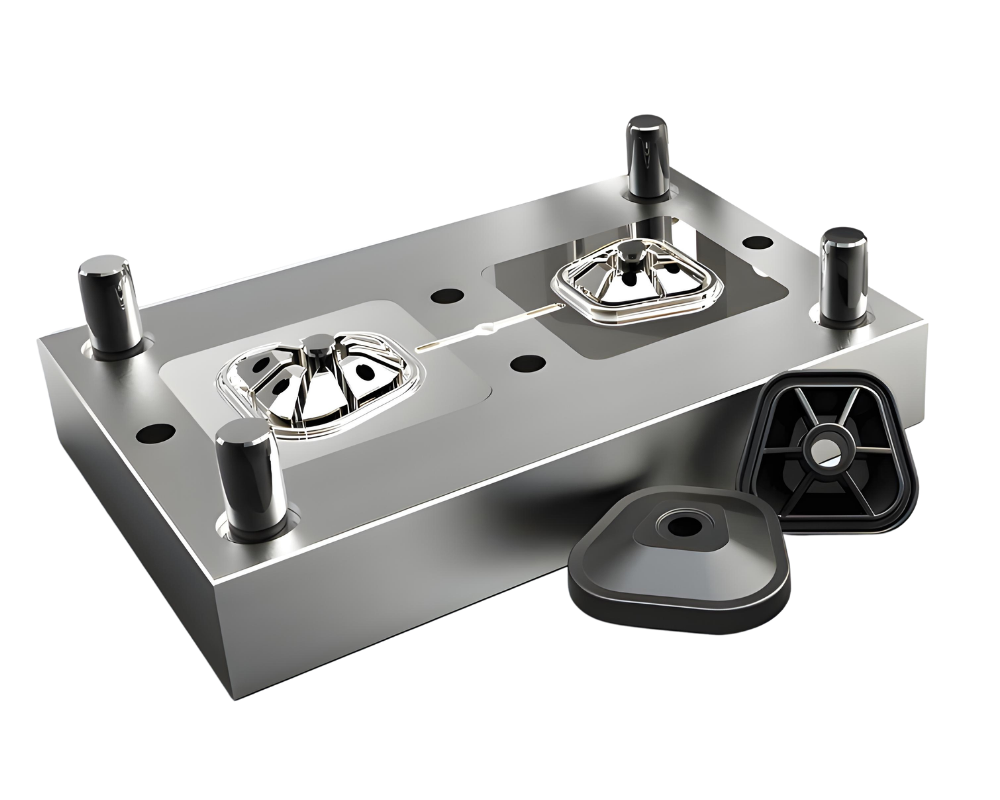
Our production tooling is built for durability and repeatability. Made from high-grade stock under strict quality control, it supports consistent output across extended manufacturing cycles while maintaining tolerances and surface standards.
CNC Machining Materials
We machine a broad selection of engineering-grade metals for structural, mechanical, and cosmetic applications. Material choice drives cost, lead time, and performance more than almost any other factor, so we help you match the alloy to the job.
Lightweight, corrosion-resistant, and highly machinable, aluminum CNC machining services deliver an excellent strength-to-weight ratio for aerospace, automotive, and structural parts.
Grades
6061
6061-T6
6082
7075
7075-T6
2024
Outstanding electrical and thermal conductivity for heat sinks and electrical contacts.
Grades
C101 (OFHC)
C110
C122
Excellent machinability and corrosion resistance for fittings, valves, and connectors.
Grades
C360
C260
C464
Hardness and wear resistance for molds, dies, and cutting tools.
Grades
D2
A2
O1
H13
Strength and toughness for shafts, brackets, and industrial assemblies.
Grades
1018
1045
A36
Superior corrosion resistance and strength make stainless steel CNC machining services the default for medical devices, food-grade parts, and marine hardware.
Grades
303
304
316
316L
17-4 PH
Ultra-lightweight with strong structural properties for weight-critical aerospace work.
Grades
AZ31B
AZ91D
Exceptional strength, corrosion resistance, and biocompatibility. Titanium CNC machining services suit aerospace, medical implants, and high-performance parts.
Grades
Grade 2
Grade 5 (Ti-6Al-4V)
Plásticos
ABS is a durable, impact-resistant thermoplastic commonly used for housings, enclosures, and functional prototypes. It offers good machinability and dimensional stability.
Grades
ABS Natural
ABS Black
ABS Antistatic
Polycarbonate provides high impact resistance and optical clarity. It is suitable for protective covers, transparent parts, and load-bearing plastic components.
Grades
Clear PC
Flame-Retardant PC
Glass-Filled PC
PMMA offers excellent transparency and surface finish quality. It is ideal for optical components, display parts, and aesthetic applications requiring clarity.
Grades
Clear
Frosted
UV-Resistant
POM delivers high stiffness, low friction, and excellent dimensional accuracy. It is commonly used for gears, bushings, and precision mechanical components.
Grades
POM-C
POM-H
Nylon provides strong wear resistance and flexibility, making it suitable for bearings, rollers, and load-bearing plastic parts in dynamic applications.
Grades
PA6
PA66
Glass-Filled Nylon
Polyethylene offers chemical resistance and low moisture absorption. It is often used in industrial liners, guides, and corrosion-resistant components.
Grades
HDPE
UHMW-PE
PEEK is a high-performance engineering plastic with excellent heat resistance and mechanical strength. It is widely used in aerospace, medical, and semiconductor industries.
Grades
Unfilled PEEK
Glass-Filled PEEK
Carbon-Filled PEEK
Polypropylene is lightweight, chemical-resistant, and cost-effective. It is suitable for functional parts, fluid systems, and industrial components.
Grades
PP Natural
Glass-Filled PP
Cómo funciona: flujo de trabajo en tres fases
Submit STEP, IGES, or STL files through our secure platform and receive design-for-manufacturing feedback before anything is cut.
After approval, components are produced on calibrated CNC equipment and checked with in-process inspection.
Parts pass dimensional inspection and ship securely worldwide, with inspection documentation available on request.
Del prototipo a la producción: un socio de confianza
- Amplia experiencia demostrada en los sectores médico, de la automoción, de la electrónica y de la robótica
- Asistencia técnica ágil con respuesta rápida a las solicitudes de presupuesto
- Capacidad de mecanizado CNC moderno de 3 y 5 ejes
- Comentarios colaborativos sobre el diseño para la fabricación (DFM) para reducir el riesgo y los costes
- Producción bajo demanda fiable con inspección documentada
Preguntas frecuentes
What tolerances can you hold on custom CNC machined parts?
Our standard tolerances follow ISO 2768-M for metals and ISO 2768-C for plastics, which covers the vast majority of engineering parts without added cost. For critical features we offer tight tolerance CNC machining down to ±0.005 mm (±0.0002 in), confirmed per feature during DFM review. Holding that precision depends on the material, wall thickness, and geometry, so we tell you upfront which callouts are achievable and which will raise cost. That way you specify precision only where the part actually needs it.
Is aluminum or stainless steel better for CNC machining?
It depends on what the part has to do. Aluminum machines three to five times faster than stainless, wears tools less, and usually costs less per part, which makes it the go-to for lightweight aerospace, robotics, and electronics work. Stainless steel CNC machining costs more because grades like 304 and 316 work-harden and cut slower, but they deliver far better corrosion resistance and strength for medical, marine, and food-grade parts. If weight and speed matter, choose aluminum; if durability and corrosion resistance matter, choose stainless. We quote both so you can compare real cost against real requirements.
What drives the cost of CNC machined parts?
Five factors move the price the most: material, part geometry, tolerance, surface finish, and order quantity. Hard-to-cut materials like titanium and stainless raise machine time and tool wear, while complex features, deep pockets, and thin walls add setups. Tighter tolerances and cosmetic finishes such as anodizing or mirror polishing add cost, and higher volumes lower the per-part price by spreading setup across more units. Our DFM feedback flags the specific features inflating your quote so you can adjust the design before committing.
What is the typical lead time for CNC machined parts?
Lead time depends on quantity, complexity, and material availability rather than a single fixed number. Simple prototypes in stocked aluminum move fastest, while multi-axis parts, hard metals, and added finishing extend the schedule. Because we review manufacturability before production starts, we catch delays like unreachable features early instead of mid-run. You receive a realistic, committed lead time inside your quote, not an optimistic guess.
What CAD file formats do you accept for a CNC quote?
We accept STEP, STP, SLDPRT, STL, DXF, X_T, X_B, IPT, CATPART, PRT, SAT, 3MF, and JT files. For accurate quoting and machining we recommend a 3D model (STEP is ideal) plus a 2D technical drawing that calls out critical tolerances, threads, and finishes. The drawing tells us which dimensions are functional so inspection focuses on what matters to you. Every file you upload is covered by NDA and kept confidential.
What is the largest part you can CNC machine?
Our milling envelope reaches 4000 × 750 × 660 mm, and turning handles up to Ø200 × 500 mm, which covers everything from large structural frames to sizable housings and shafts. At the small end we machine milled parts down to 5 × 5 × 5 mm and turned parts to Ø2 × 2 mm for fine detail work. Large parts still hold tight tolerances, though fixturing and material stability become more important as size grows. Send your model and we confirm feasibility during review.
Do you provide DFM feedback before machining?
Yes. Every quote includes design-for-manufacturability review, and you get feedback within 24 hours. Our engineers check for thin walls below 0.5 mm, features smaller than a 0.5 mm end mill can reach, over-tight tolerances, and tool-access problems that add cost or risk. Catching these before cutting is what keeps first-article parts correct and avoids expensive rework. You approve the part with the trade-offs already spelled out.
When should I choose 5-axis CNC machining over 3-axis?
Choose 5-axis CNC machining when a part has complex contoured surfaces, undercuts, or features on multiple faces that would otherwise need several separate setups. Because the tool reaches the part from five directions in one setup, you get better accuracy between features and shorter overall cycles on complex geometry. Simple prismatic parts with features on one or two faces are usually cheaper on a 3-axis mill. We select the approach that hits your tolerances at the lowest justified cost.
Why does titanium cost more to machine than aluminum?
Titanium has low thermal conductivity, so heat concentrates at the cutting edge, and it chemically reacts with tooling, which accelerates tool wear. Those properties force slower speeds, rigid setups, and frequent tool changes, pushing cycle times to roughly four to five times that of aluminum. That machine time, not the raw metal alone, is what makes titanium CNC machining services more expensive. It is worth the premium when you need titanium’s strength-to-weight ratio and biocompatibility, common in aerospace and medical parts.
Can you handle both prototypes and production volumes?
Yes. We scale from a single prototype to high-volume runs using the same quality system, so quality stays consistent as quantity grows. Our volume bands cover prototyping at 1 to 100 pieces, low volume at 101 to 10,000, and high volume above 10,001, with per-part pricing improving as quantity rises. Running your prototype and production with one supplier removes the re-qualification step and the tolerance drift that happens when parts move between shops. Documented inspection travels with the parts at every volume.