Servicios de mecanizado CNC de 5 ejes
Servicios personalizados de mecanizado CNC de 5 ejes para piezas complejas y de alta precisión que requerirían múltiples configuraciones en una fresadora de 3 ejes. XY Machining utiliza el mecanizado simultáneo y multieje 3+2 para cortar superficies contorneadas, socavados y elementos multifacéticos en una sola configuración, manteniendo tolerancias estrictas en componentes aeroespaciales, médicos, de automoción e industriales. Sube tus archivos CAD de forma segura y obtén un presupuesto rápido con comentarios sobre la fabricabilidad del diseño (DFM), sin conjeturas ni gastos ocultos.
- Carga segura con acuerdo de confidencialidad (NDA) y protección de la confidencialidad
- Presupuestos rápidos con comentarios sobre el diseño para la fabricación (DFM) en 24 horas
- Capacidad para la producción simultánea y el sistema «3+2», respaldada por un control de calidad conforme a la norma ISO 9001
Consigue al instante presupuestos, plazos de ejecución de los proyectos y comentarios sobre el diseño para la fabricación (DFM).
- Todas las subidas de archivos son seguras y confidenciales.
¿Qué es el mecanizado de 5 ejes?
5 ejes Mecanizado CNC Es un proceso multieje en el que la herramienta de corte se desplaza a lo largo de tres ejes lineales (X, Y, Z) más dos ejes rotativos (A y B, o B y C), lo que permite que la herramienta se acerque a la pieza desde prácticamente cualquier dirección. La incorporación de esas dos rotaciones permite mecanizar una pieza en varias caras en una sola configuración, en lugar de tener que soltarla y volver a colocarla una y otra vez.
Esto es lo que hace que el mecanizado de 5 ejes sea ideal para piezas complejas, con contornos y de múltiples caras. Al acceder a los elementos desde el mejor ángulo, la máquina mantiene tolerancias posicionales más estrictas, reduce las configuraciones y mejora el acabado superficial en geometrías curvas. En Mecanizado XY, realizamos tanto mecanizados simultáneos como 3+2 y adaptamos el método a la geometría, las tolerancias y los objetivos de coste de su pieza.
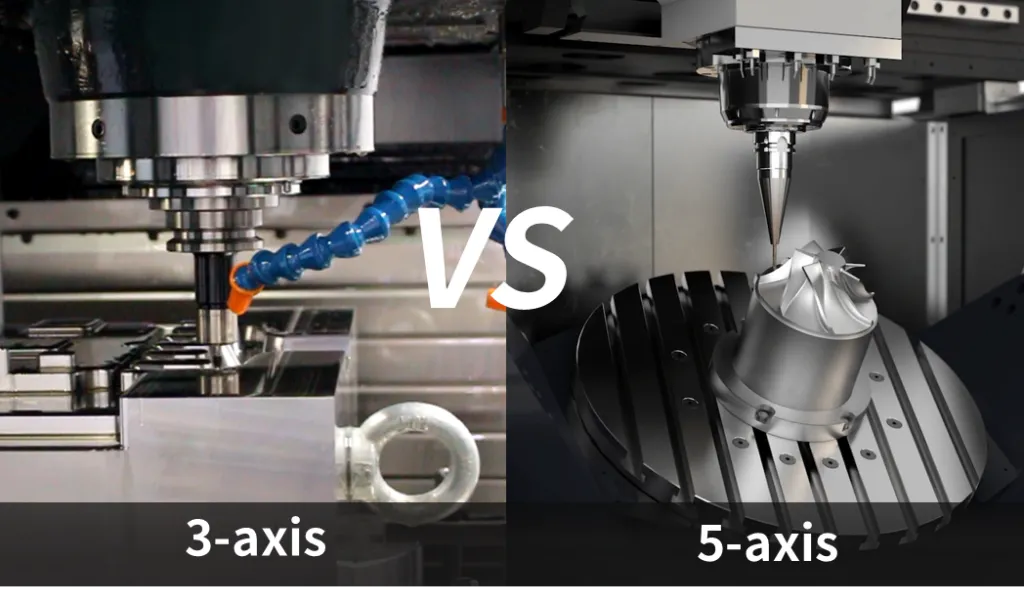
Mecanizado de 5 ejes frente al de 3 ejes
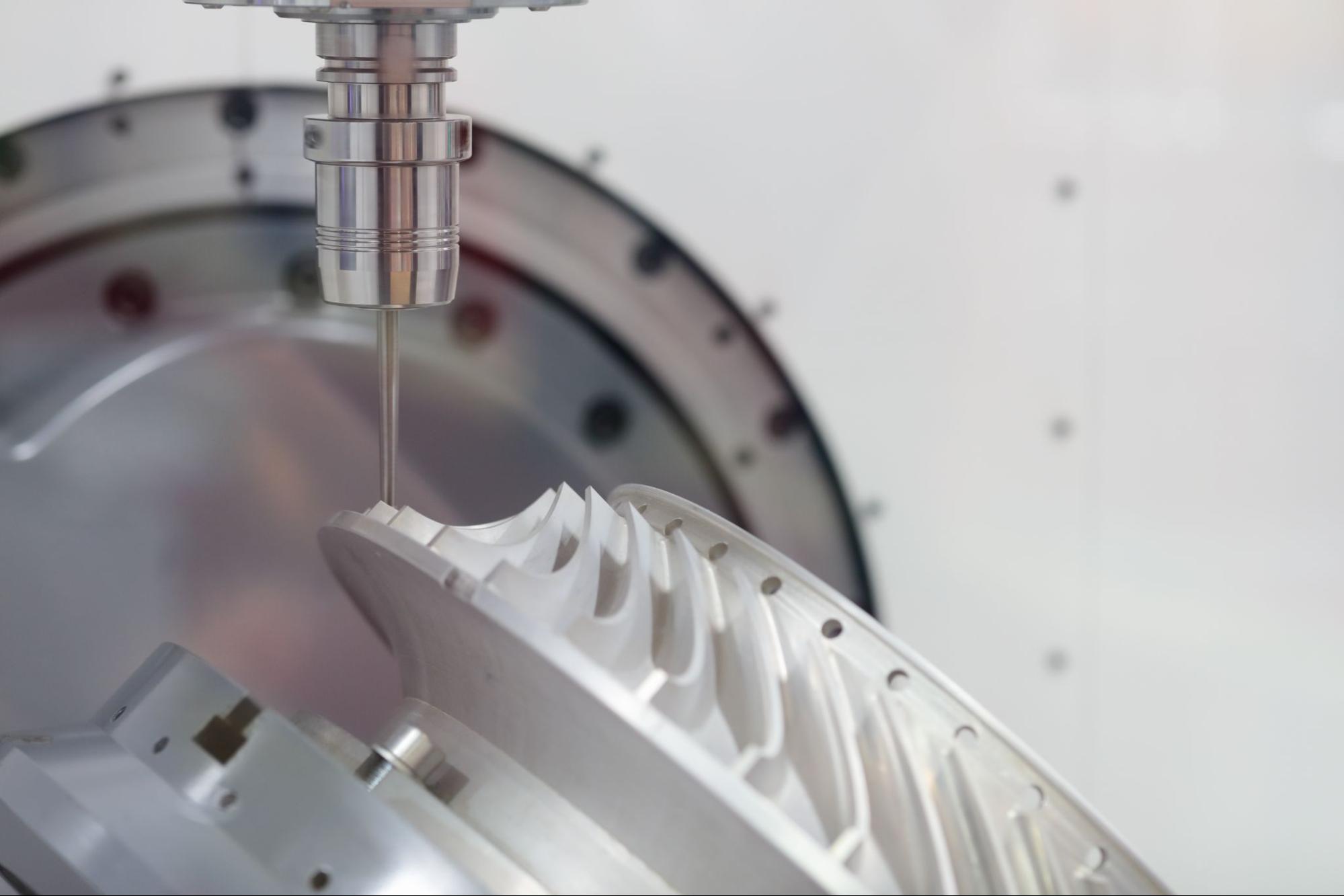
El mecanizado CNC de 5 ejes desplaza la herramienta a lo largo de cinco ejes, lo que le permite acceder a la pieza desde múltiples ángulos en una sola configuración. El fresado tradicional de 3 ejes se desplaza únicamente a lo largo de los ejes X, Y y Z, por lo que las piezas con múltiples caras requieren un reposicionamiento repetido. Los dos ejes rotativos adicionales permiten fresar cavidades profundas, superficies curvas y socavados con mayor precisión y menos configuraciones, lo que reduce los plazos de entrega y mejora la precisión.
Lo que la mayoría de los proveedores omiten decir: el mecanizado de 3 ejes sigue siendo la opción más adecuada y económica para piezas prismáticas sencillas con caras planas y características básicas. Las ventajas del mecanizado CNC de 5 ejes se aprecian especialmente en componentes aeroespaciales, álabes de turbina, impulsores, implantes médicos, moldes y piezas mecánicas con contornos muy complejos, en las que los ángulos fijos de las herramientas o los numerosos cambios de configuración podrían afectar negativamente a la tolerancia y al acabado. Derivamos cada pieza al proceso que mejor se adapta al plano con el menor coste justificado, y cada proyecto se somete a una revisión de ingeniería, un análisis de fabricación (DFM) y una inspección conforme a las normas de calidad ISO.
Nuestras capacidades
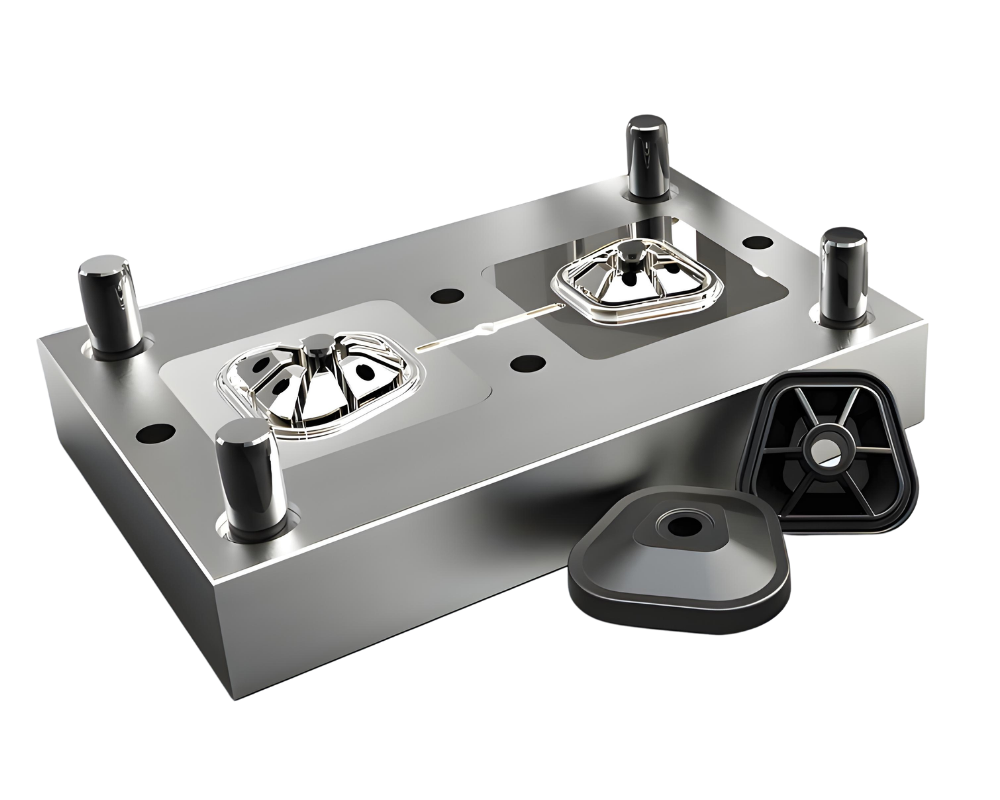
XY Machining ofrece servicios avanzados de fabricación multieje tanto para prototipos como para la producción en serie. Desde geometrías complejas hasta el acabado, nos encargamos de la fabricación completa de piezas de precisión bajo un mismo techo, con los mismos controles de proceso y de inspección independientemente del volumen de producción.
¿Por qué elegirnos para los servicios de mecanizado CNC personalizado de 5 ejes?
El mecanizado CNC de 5 ejes está diseñado para piezas que requieren ángulos complejos, superficies esculpidas y una alta precisión, sin los retrasos ni el riesgo que suponen las múltiples configuraciones. Gracias a una programación multieje avanzada y a una sujeción estable de la pieza, convertimos modelos CAD detallados en componentes listos para la producción con resultados uniformes. Ofrecemos soporte desde la creación de prototipos rápidos hasta la producción en serie, y muchos proyectos se ejecutan mediante mecanizado 3+2 o simultáneo, en función de la geometría, las tolerancias y los objetivos de coste.
Qué puede esperar: geometría compleja con menos configuraciones para una mayor precisión y rendimiento; carga segura y confidencialidad para proyectos sensibles; opciones de inspección que incluyen mediciones con máquina de coordenadas (CMM), informes de dimensiones críticas y documentación fotográfica según sea necesario; y opciones de materiales que abarcan los metales y plásticos más comunes, con soporte para el acabado de superficies.
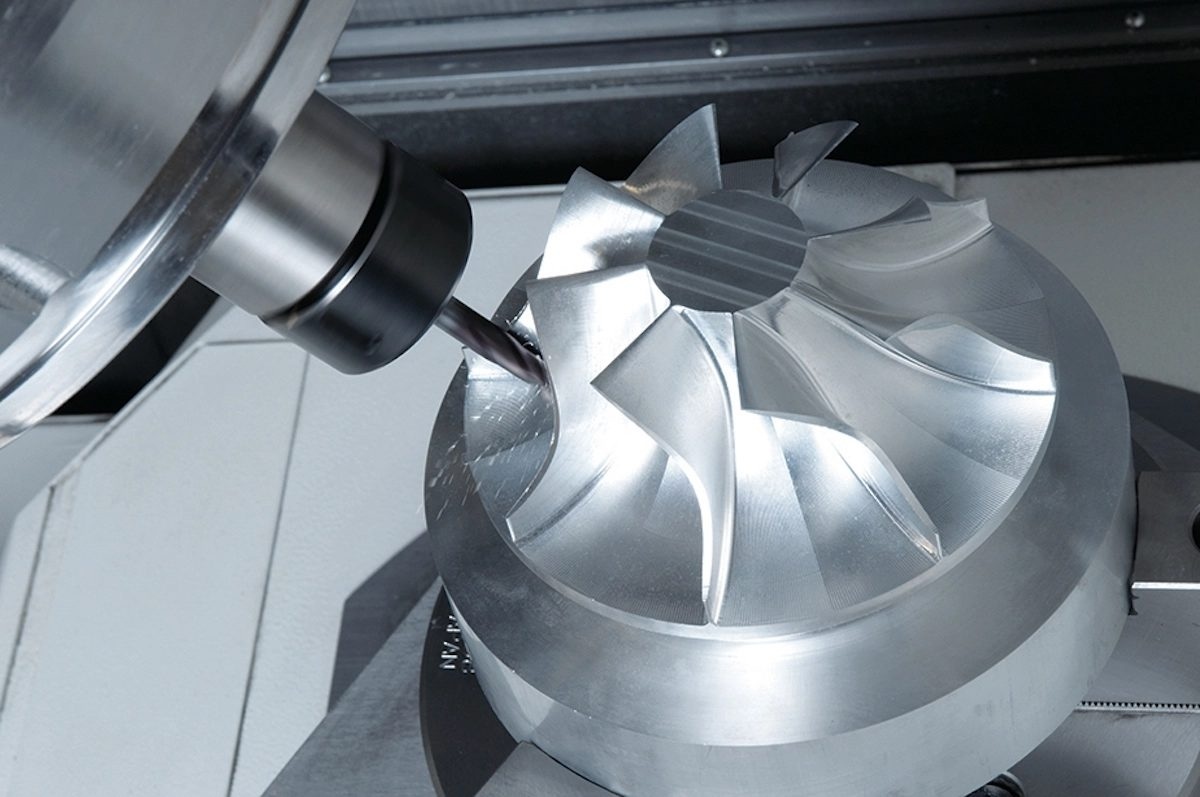
Estado de mecanizado natural y económico; pueden apreciarse marcas de herramientas en aquellos casos en los que el aspecto no sea lo más importante.
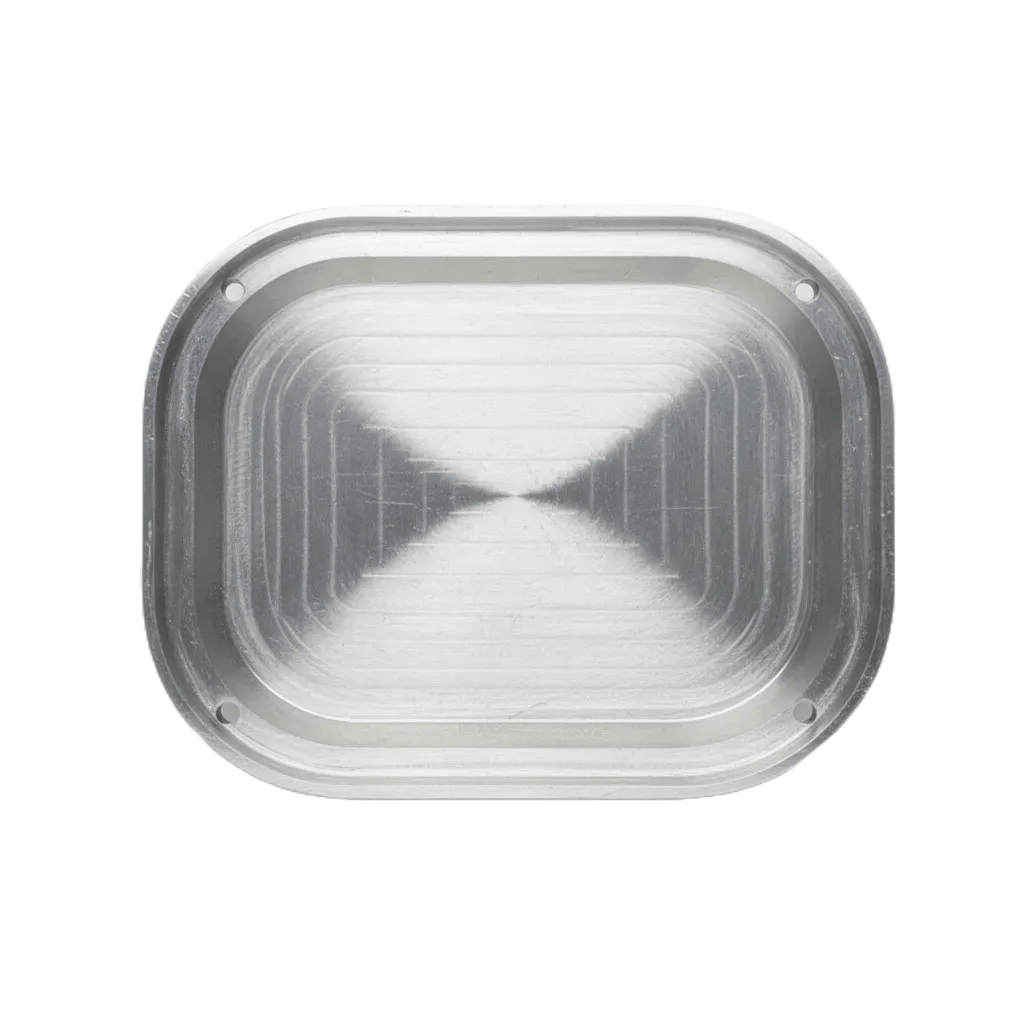
Textura mate uniforme que reduce los reflejos y suaviza las marcas de mecanizado.
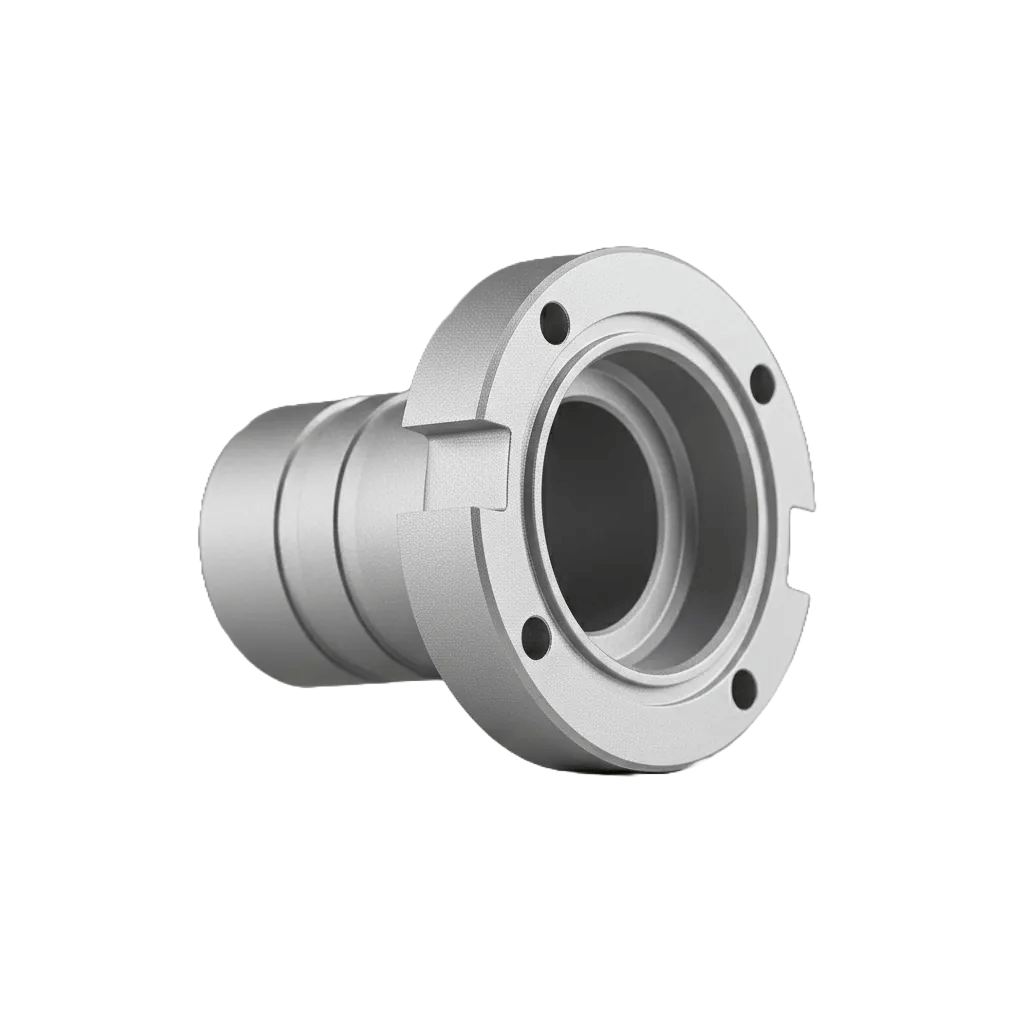
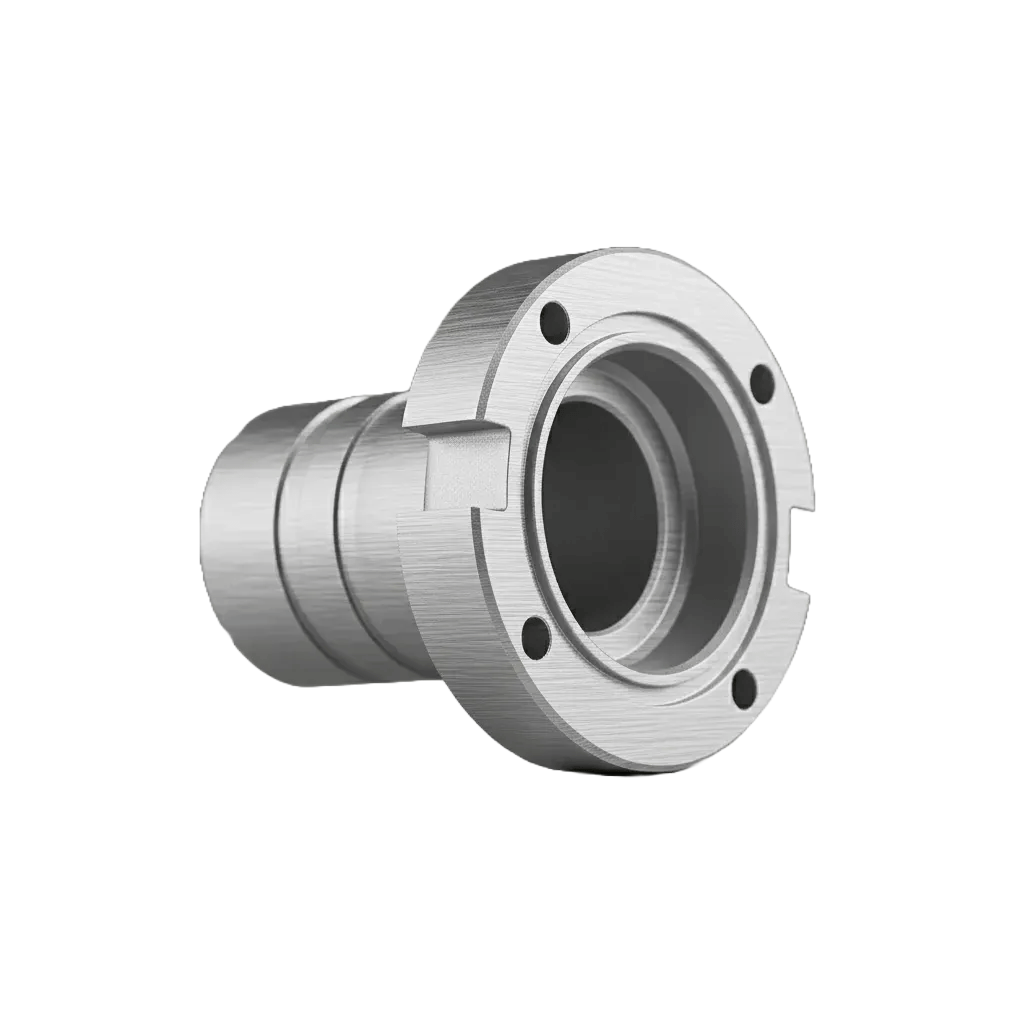
Líneas direccionales nítidas que aportan un aspecto metálico de alta calidad a las partes visibles.
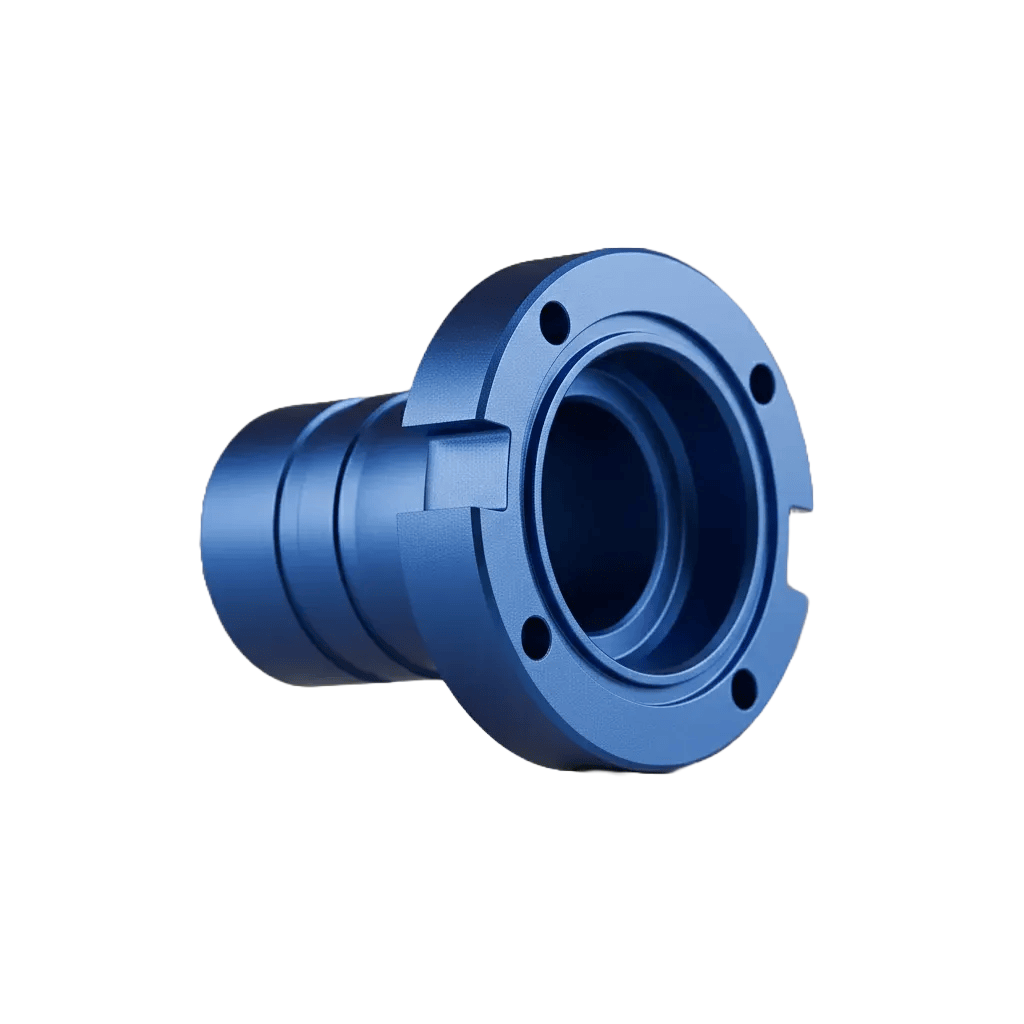
Recubrimiento electroquímico sobre aluminio para mejorar la resistencia a la corrosión y ofrecer diferentes opciones de color
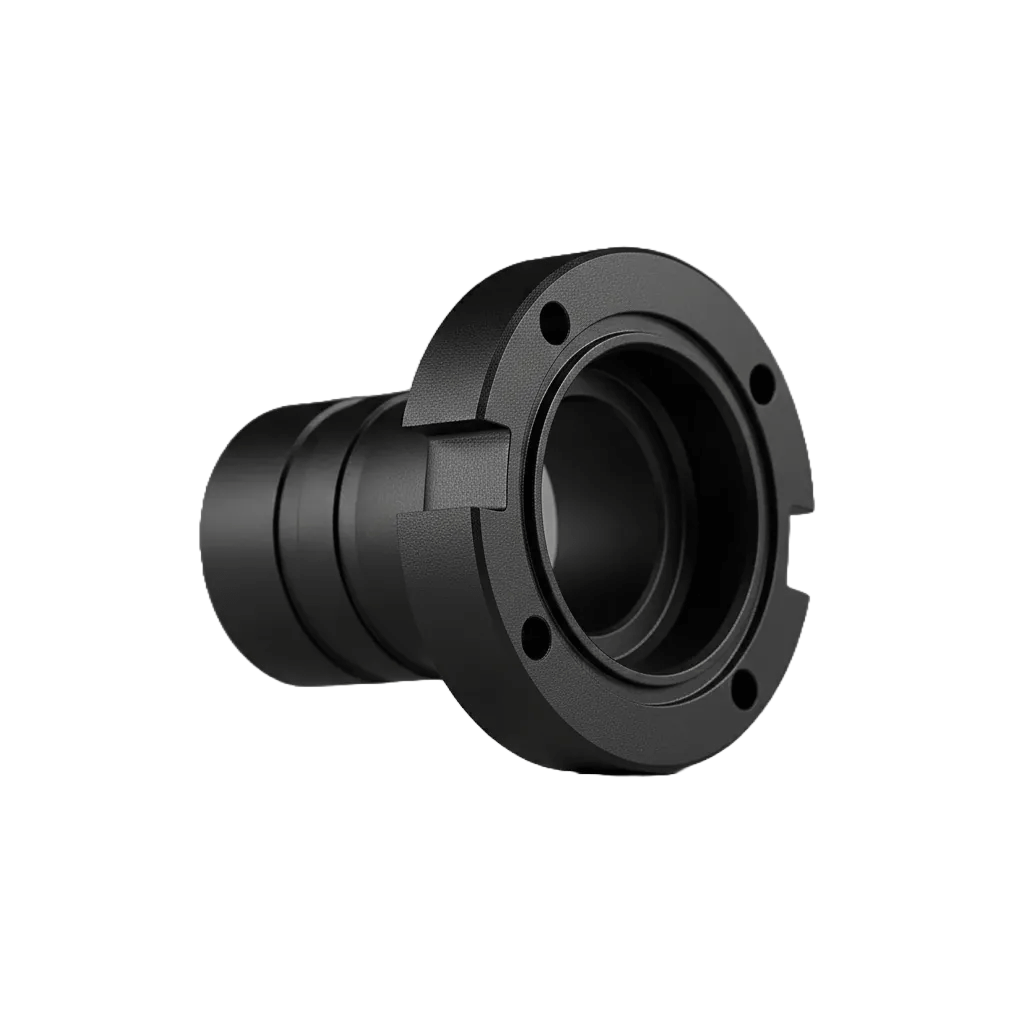
Capa anódica más gruesa para una mayor resistencia al desgaste en condiciones de fricción o entornos agresivos.
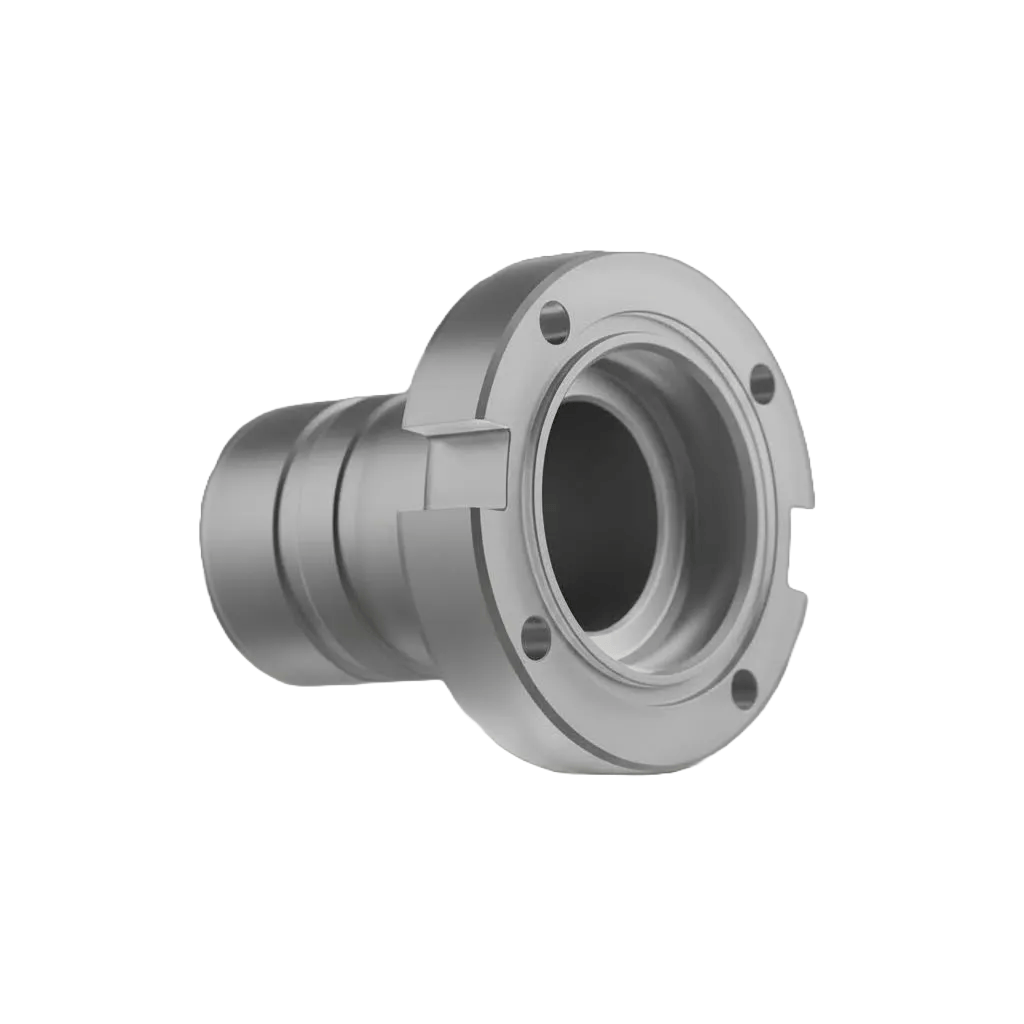
Combina la protección de superficies con la conductividad eléctrica para componentes electrónicos y carcasas.
Superficie limpia y pulida para plásticos de calidad óptica y piezas de pantallas.
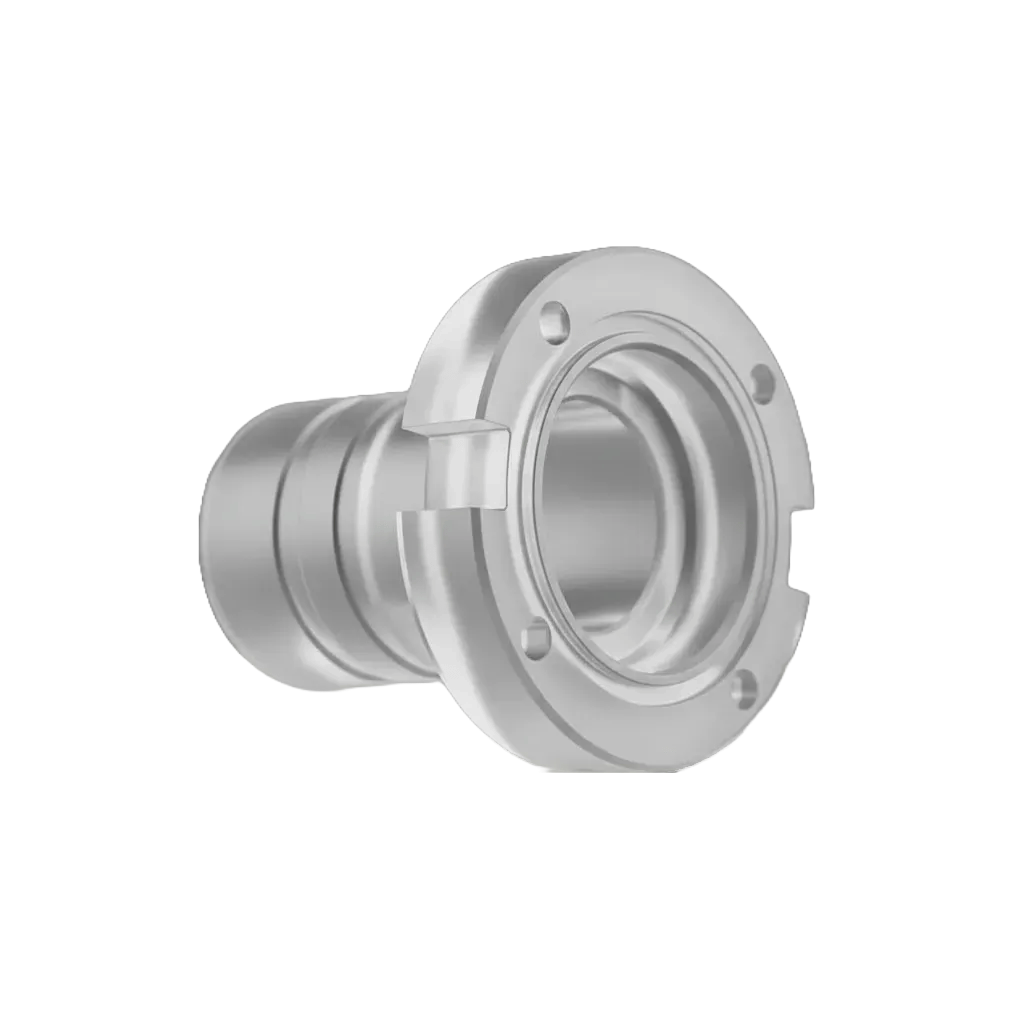
Acabado brillante y reflectante para piezas cosméticas de alta gama.
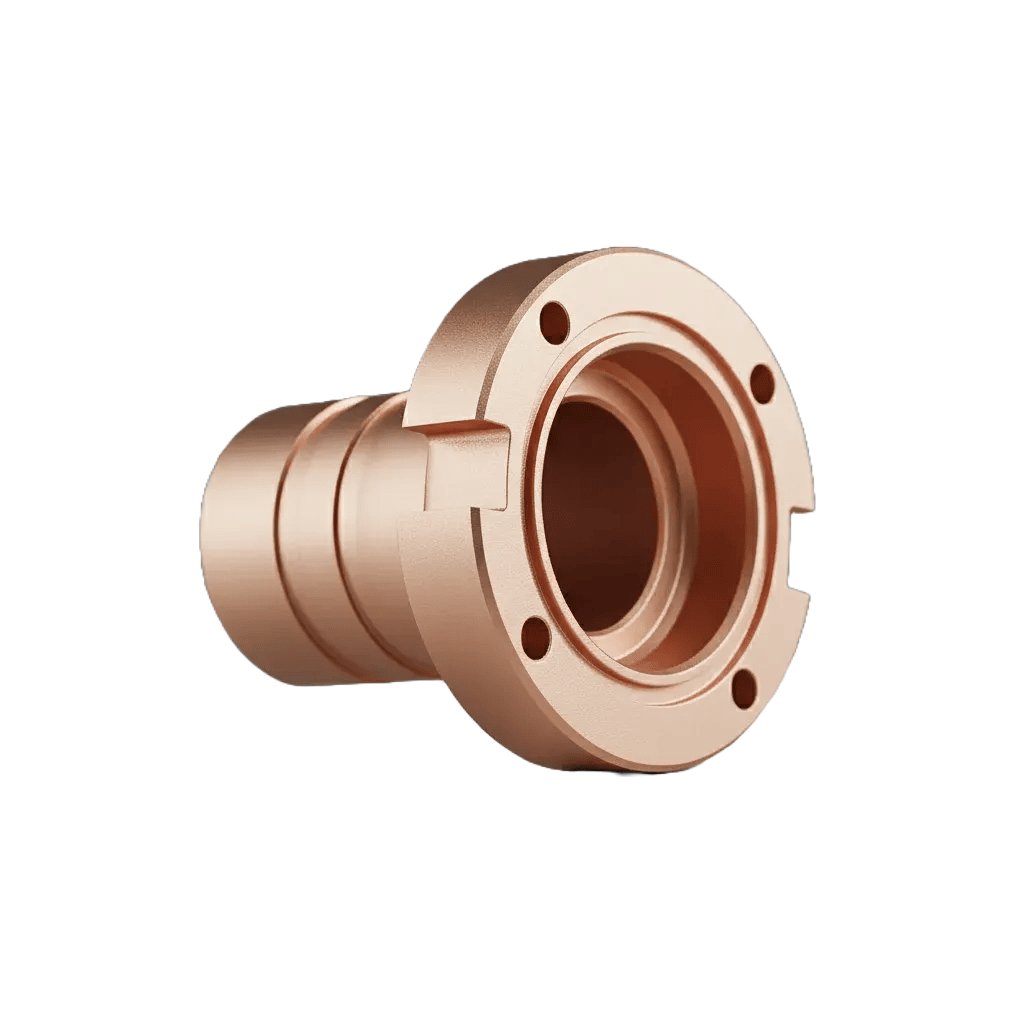
Acabados superficiales en el mecanizado CNC
Capacidades para el mecanizado en 5 ejes
Característica | Especificaciones |
Tolerancias generales | ISO 2768-m, salvo que se indique lo contrario. |
Tolerancias de precisión | Tolerancia estándar: ±0,005 pulgadas (±0,127 mm); se puede reducir hasta ±0,001 pulgadas (±0,025 mm) en función de la geometría. |
Modos de mecanizado | 3+2 posicionales y 5 ejes simultáneos, adaptados a la pieza. |
Tamaño máximo de la pieza | Hasta 4000 × 750 × 660 mm (dependiendo de la máquina). |
Tamaño mínimo de la característica | 0,5 mm (dependiendo del material y la geometría). |
Volumen de producción | Prototipos: 1-100 unidades. Pequeñas series: 100-10 000 unidades. Producción: más de 10 000 unidades. |
Dado que las características de varias caras se refieren a una misma configuración, nuestros servicios de mecanizado CNC de 5 ejes cumplen estrictas tolerancias posicionales de ±0,001 pulgadas entre caras, confirmadas para cada característica durante la fase de DFM, de modo que solo pagas por la precisión allí donde la pieza la necesita.
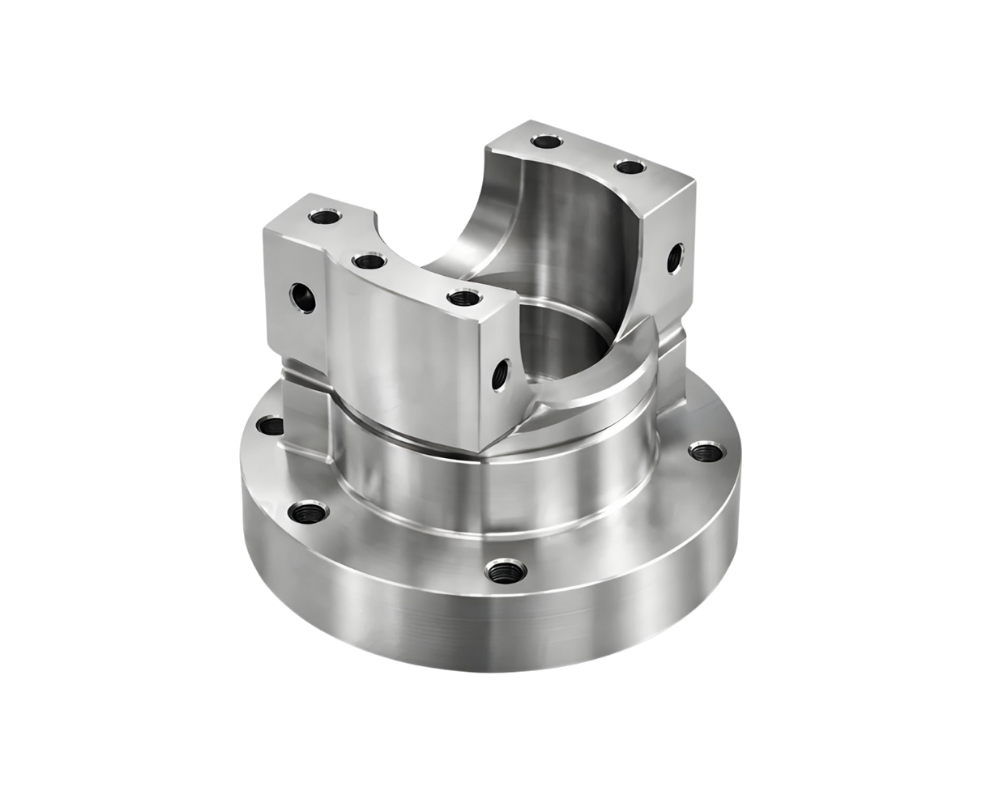
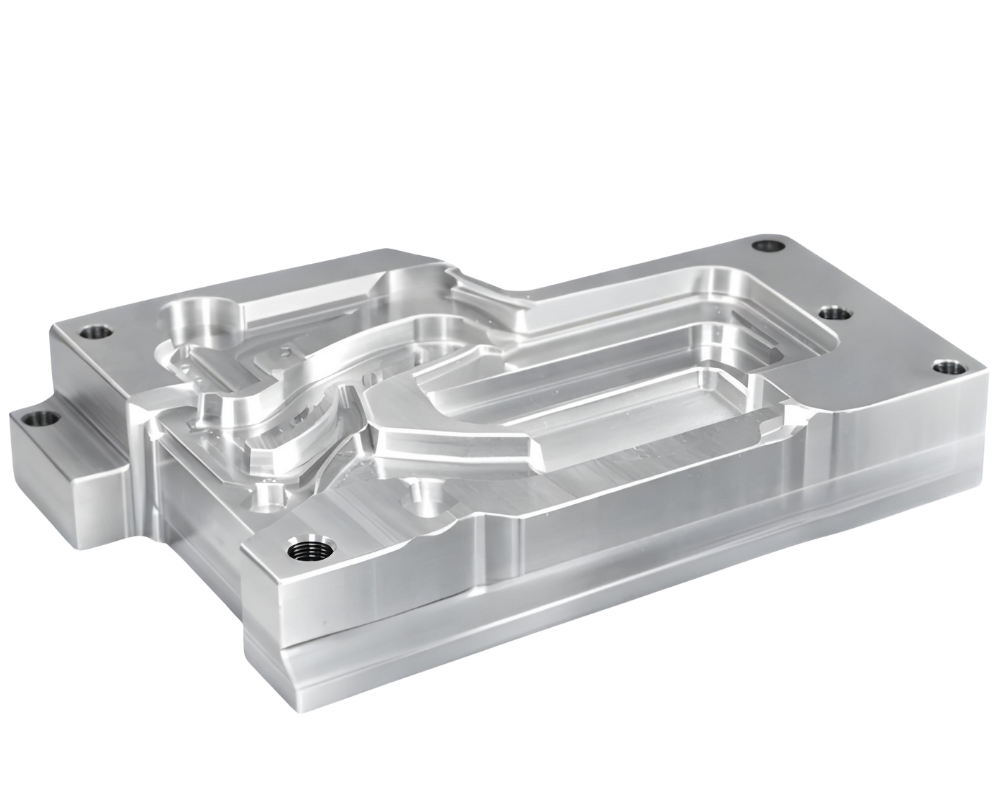
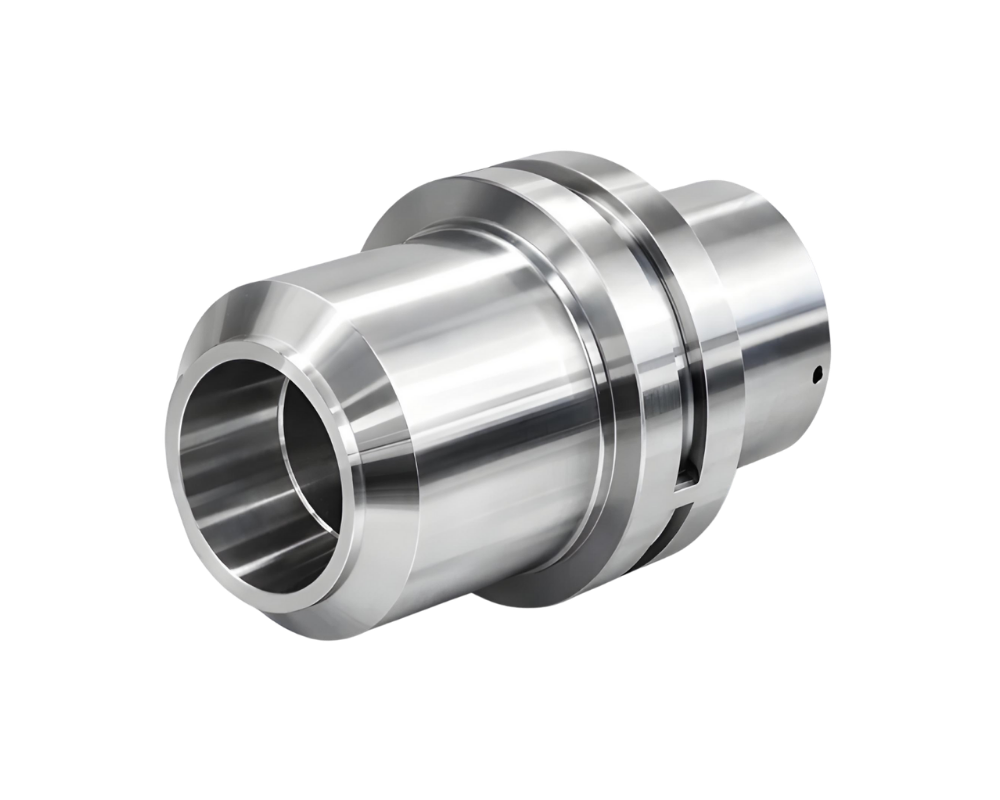
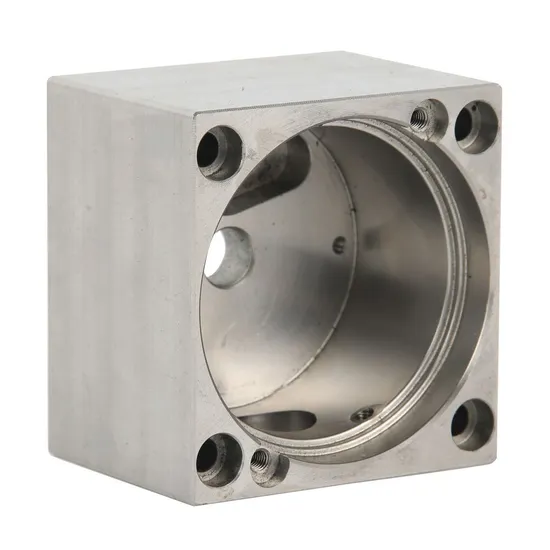
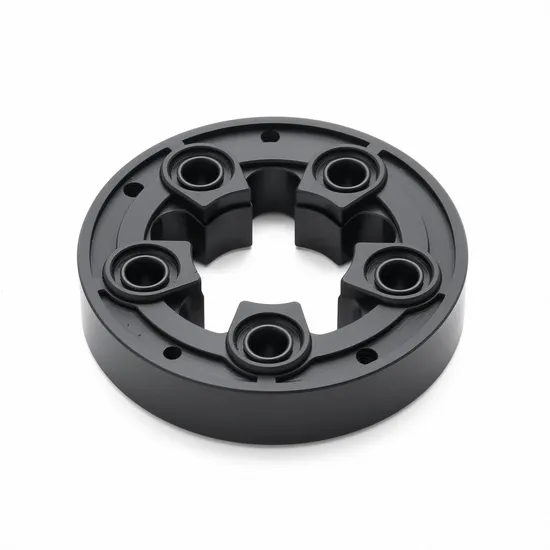
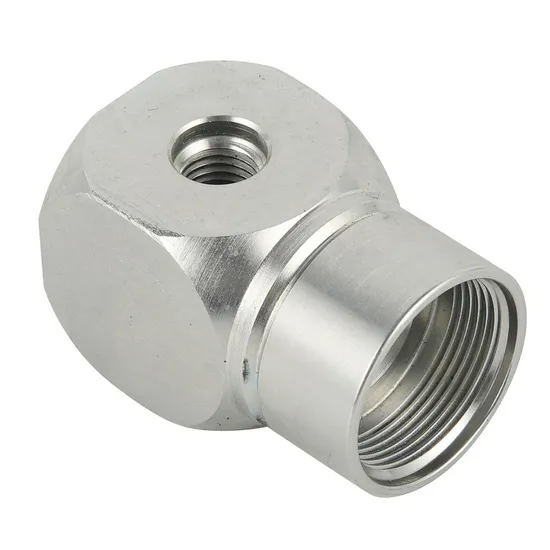
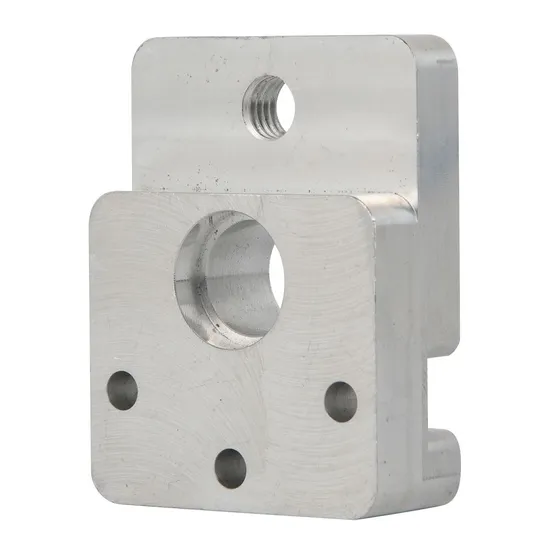
Nuestra galería de mecanizado CNC de 5 ejes
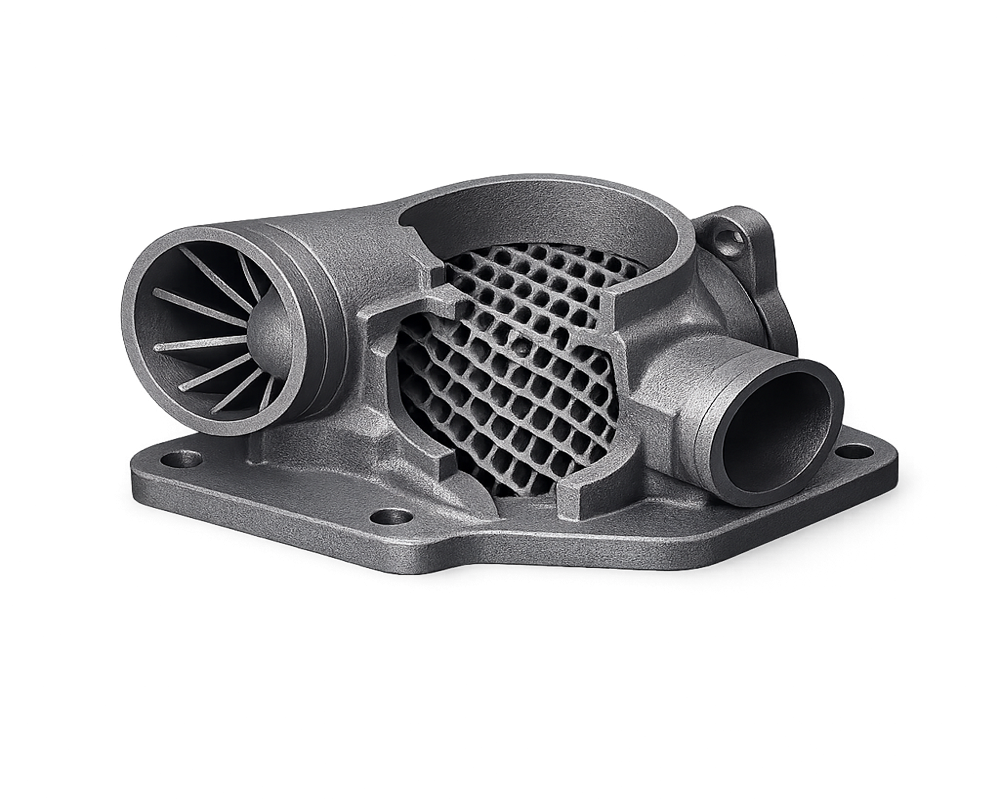
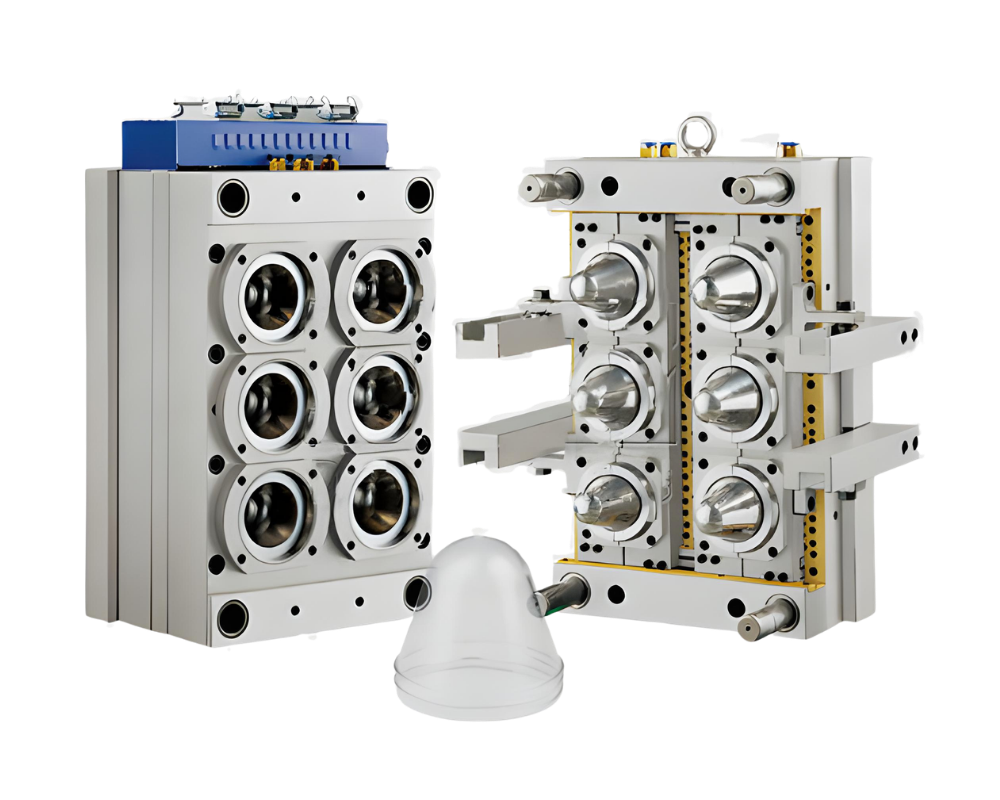
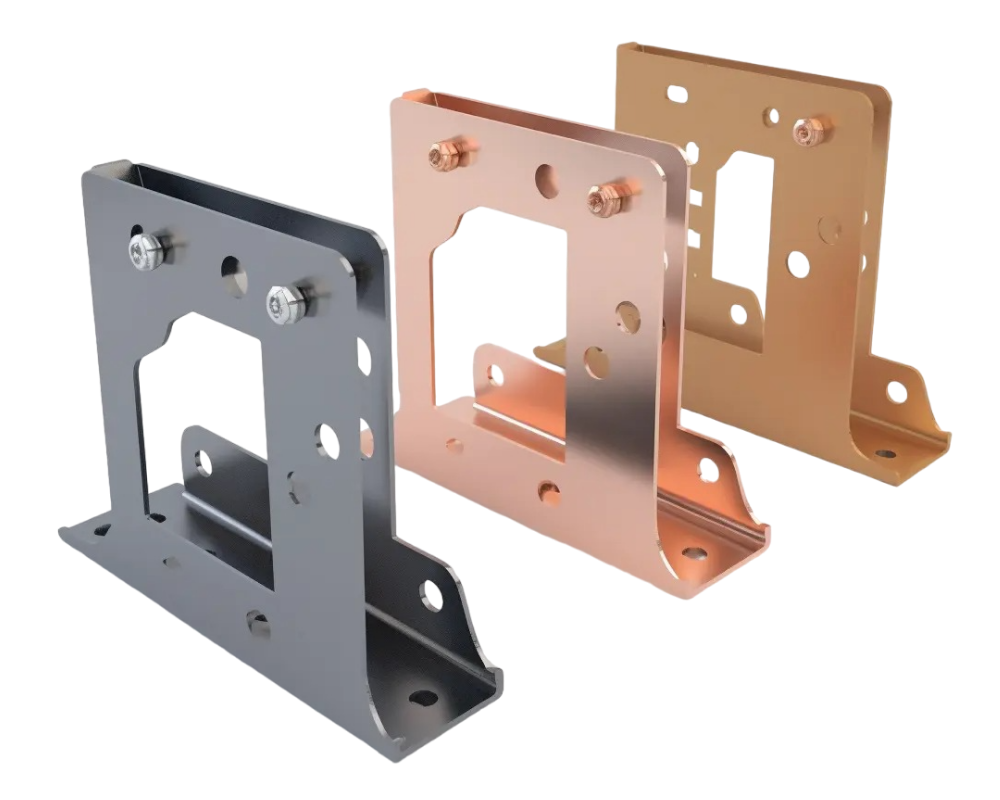
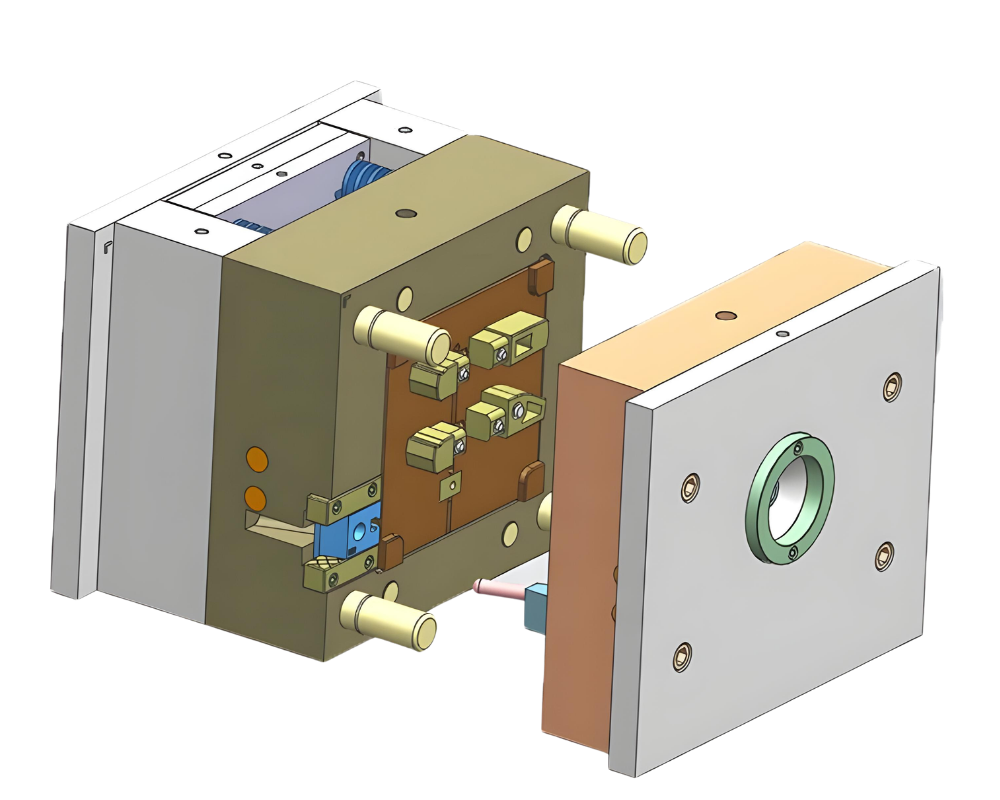
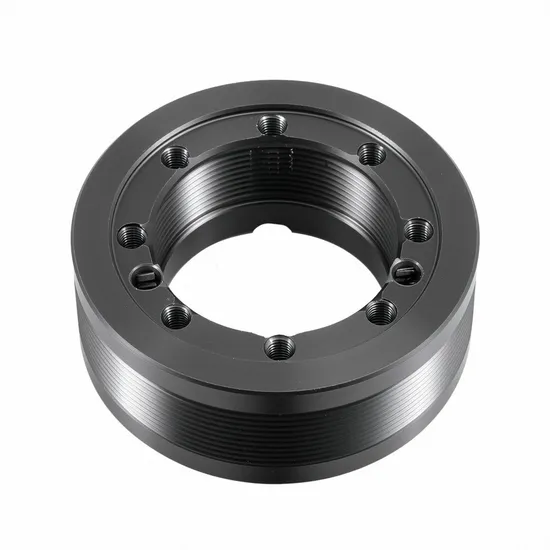
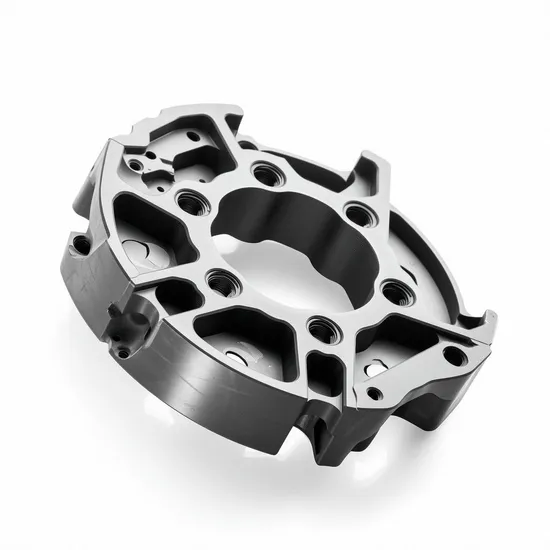
Nuestra cartera de productos incluye componentes de 5 ejes de alta precisión, desde piezas con contornos complejos hasta trabajos de precisión en múltiples caras. Cada pieza refleja nuestro compromiso con la calidad certificada según la norma ISO y con una precisión constante y repetible en geometrías complejas.
Directrices de diseño para el mecanizado en 5 ejes
Unas pocas decisiones de diseño determinan en gran medida el coste y la calidad del mecanizado en 5 ejes. Estas pautas te ayudarán a que tu pieza se mecanice correctamente a la primera:
Característica | Directriz |
Espesor de la pared | Mantén un espesor ≥ 0,5 mm para los metales; las paredes más gruesas mejoran la estabilidad y reducen las vibraciones. |
Cavidades profundas | Siempre que sea posible, evite relaciones excesivas entre la profundidad y el diámetro para garantizar el alcance y la rigidez de la herramienta. |
Estrategia de tolerancia | Aplica tolerancias estrictas únicamente a las características funcionales para controlar los costes. |
Indicaciones sobre el acabado de la superficie | Especifica los valores de Ra requeridos en el plano para que podamos establecer la estrategia adecuada. |
Recortes y ángulos complejos | El sistema de 5 ejes permite acceder a elementos en ángulo sin necesidad de ajustes adicionales; utilízalo cuando te resulte útil. |
Selección de materiales | El aluminio 6061/7075, el titanio y el acero inoxidable 303/304/316 son opciones habituales y fáciles de mecanizar. |
Orientación de la pieza | Optimizar la geometría para reducir las vibraciones y la flexión de la herramienta. |
Sectores a los que prestamos servicio
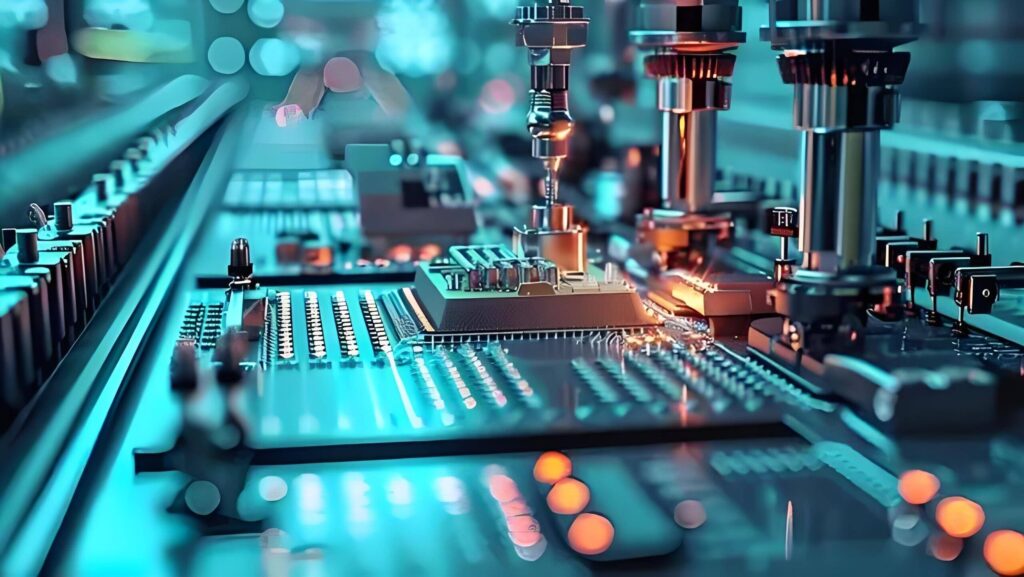
Álabes de turbina, soportes estructurales, carcasas y componentes de vuelo de precisión que requieren tolerancias estrictas.
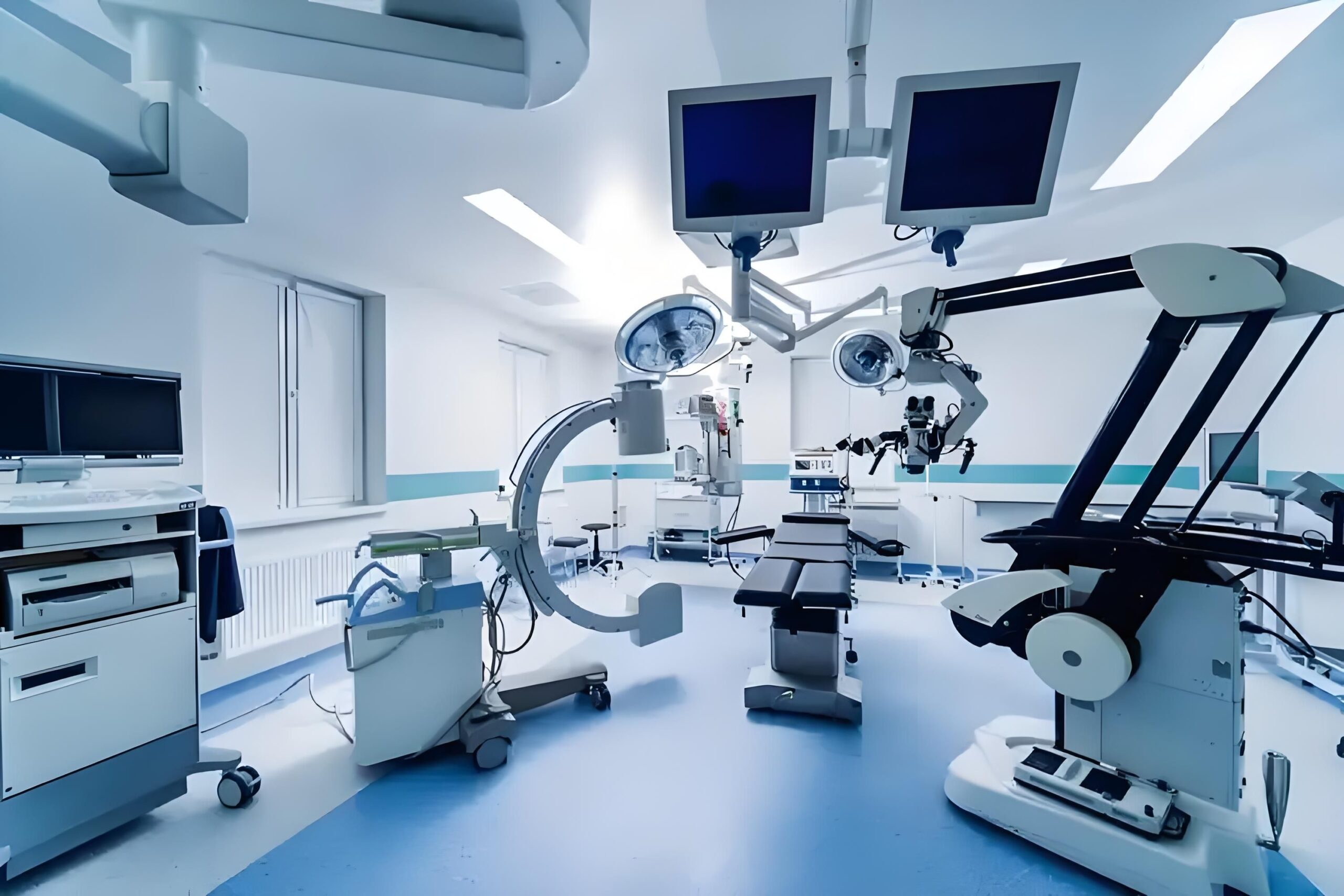
Implantes ortopédicos, componentes quirúrgicos y herramientas médicas de precisión.
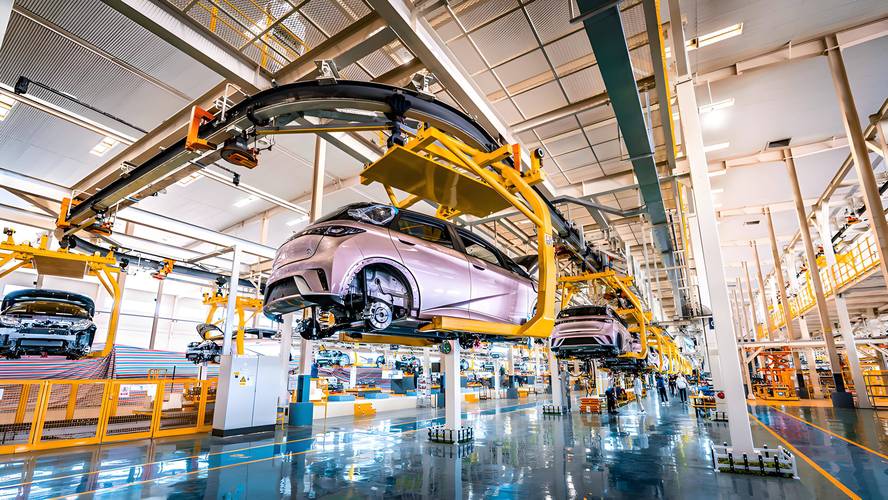
Componentes de motor de alto rendimiento y piezas estructurales ligeras.
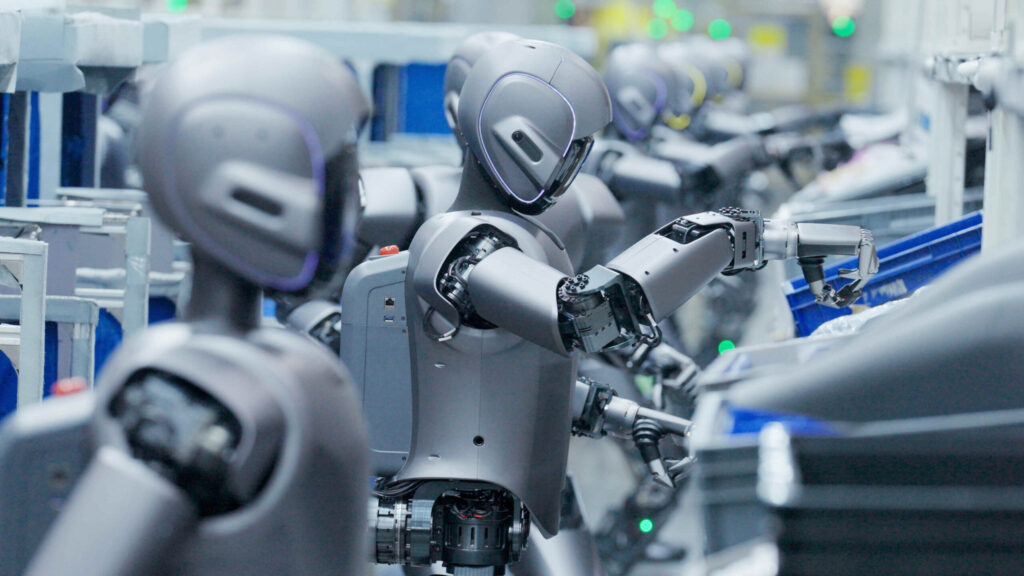
Conjuntos mecánicos complejos y componentes de automatización de precisión.
¿Qué diferencia a XY Machining del resto?



Del prototipo a la producción: un socio de confianza
- Amplia experiencia demostrada en los sectores médico, de la automoción, de la electrónica y de la robótica
- Asistencia técnica ágil con respuesta rápida a las solicitudes de presupuesto
- Capacidad de mecanizado CNC moderno de 3 y 5 ejes
- Comentarios colaborativos sobre el diseño para la fabricación (DFM) para reducir el riesgo y los costes
- Producción bajo demanda fiable con inspección documentada
Cómo funciona: flujo de trabajo en tres fases
Garantizamos que las piezas CNC se entregan a tiempo y que el proceso es totalmente transparente en los siguientes tres sencillos pasos:
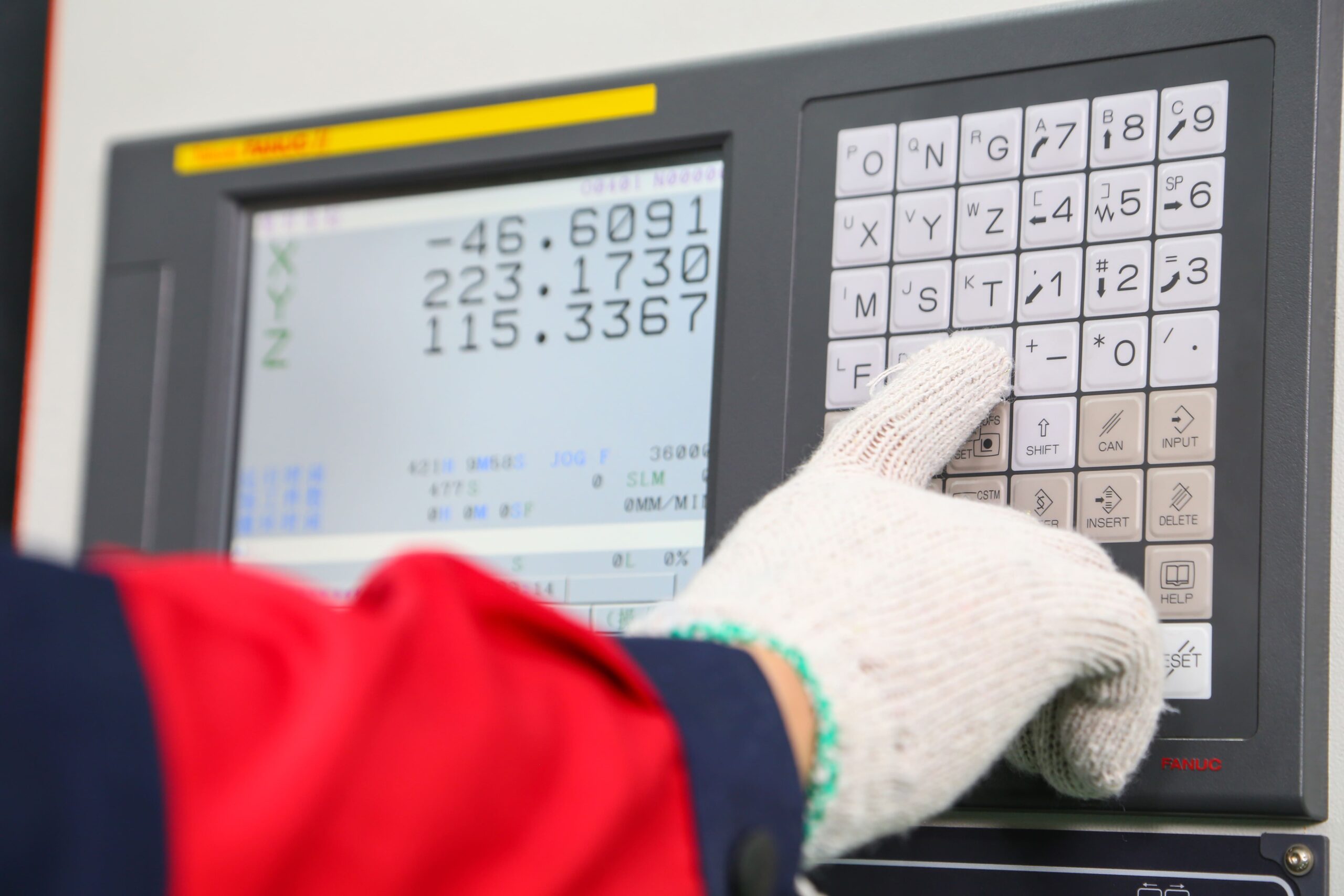

Envía tus archivos en formato STEP, IGES u otros formatos estándar y recibe un presupuesto, además de comentarios sobre la fabricación (DFM), para optimizar tu diseño.
Sus componentes se mecanizan en centros de mecanizado de 5 ejes con trayectorias de herramienta multieje, y se verifican mediante inspecciones durante el proceso de fabricación.

Las piezas superan la inspección dimensional, incluida la realizada con una máquina de medición por coordenadas (CMM) cuando es necesario, y se envían de forma segura con la documentación correspondiente, si así se solicita.
Soluciones integrales de XY Machining
Preguntas frecuentes
¿Es el mecanizado CNC de 5 ejes más caro que el de 3 ejes?
La tarifa por hora del mecanizado de 5 ejes suele ser entre un 50 % y un 100 % más alta que la del de 3 ejes, ya que las máquinas, el software y la cualificación de los operarios tienen un coste mayor. Sin embargo, la tarifa por hora no es el indicador adecuado para evaluar el proceso. En el caso de las piezas adecuadas, el mecanizado de 5 ejes elimina varias configuraciones, los soportes a medida y la sujeción manual, por lo que el coste total de la pieza suele resultar inferior incluso con una tarifa más elevada. Nuestros servicios de mecanizado CNC de 5 ejes presupuestan el ciclo completo, no solo el tiempo de máquina, para que pueda ver el coste real y compararlo con una opción de 3 ejes que requiera múltiples configuraciones.
¿Cuándo resulta innecesario o excesivo el mecanizado de 5 ejes?
Si una pieza se puede mecanizar con una o dos configuraciones sencillas de 3 ejes y no presenta tolerancias posicionales estrictas entre las caras, el mecanizado de 5 ejes aumenta el tiempo de programación y el coste de la máquina sin mejorar el resultado. Las placas planas, los bloques y los soportes sencillos deben fabricarse en una fresadora de 3 ejes. El mecanizado de 5 ejes tampoco soluciona la deformación debida a paredes delgadas o a la liberación de tensiones, lo cual es un problema del material, no de la configuración. Señalamos estos casos durante la optimización del diseño para la fabricación (DFM) y derivamos la pieza al proceso más económico que siga cumpliendo con el plano.
¿Puede el mecanizado de 5 ejes combinar varias piezas en un solo componente?
Sí, y esta es una de las mayores ventajas del mecanizado CNC de 5 ejes. Dado que la herramienta puede acceder a elementos situados en múltiples caras en una sola configuración, a menudo es posible rediseñar varios componentes independientes como una única pieza monolítica mecanizada a partir de un solo bloque. Esto elimina la mano de obra de montaje, los elementos de fijación, las uniones y la acumulación de tolerancias que se produce en un conjunto. Los soportes y carcasas aeroespaciales son ejemplos habituales. Envíenos el conjunto y le asesoraremos sobre si su consolidación en una sola pieza mecanizada reduce los costes y mejora la fiabilidad.
¿El mecanizado de 5 ejes ofrece un mejor acabado superficial que el de 3 ejes en piezas curvas?
En superficies con curvas continuas, sí. Una máquina de 3 ejes aproxima una curva con una fresa esférica y avances muy pequeños, y cerca de la punta de la herramienta la velocidad de corte desciende hasta casi cero, por lo que la herramienta roza y deja un acabado deficiente. En el mecanizado simultáneo de 5 ejes, la herramienta se inclina para mantener el filo de corte —y no la punta— en contacto con la pieza a un ángulo óptimo constante, lo que proporciona un acabado más limpio en menos tiempo. En el caso de impulsores, álabes y carcasas esculpidas, el mecanizado de 5 ejes suele ofrecer un acabado mejor y más rápido que el fresado con fresa esférica de 3 ejes.
¿Para qué tipo de piezas complejas resulta más adecuado el mecanizado de 5 ejes?
El mecanizado de 5 ejes destaca en piezas con superficies curvas continuas, ángulos compuestos y características en múltiples caras que comparten tolerancias posicionales muy ajustadas. Entre los ejemplos típicos se incluyen álabes de turbina, impulsores, blisks, perfiles aerodinámicos, implantes ortopédicos, soportes aeroespaciales monolíticos y moldes con núcleos y cavidades profundas. Estas formas o bien no se pueden alcanzar con ángulos de herramienta fijos, o bien requerirían demasiadas configuraciones de 3 ejes para mantener sus tolerancias. Si su pieza presenta una curvatura orgánica o puntos de referencia en múltiples caras, es una clara candidata para el mecanizado de 5 ejes.
¿Cómo mejora el mecanizado en una sola configuración la precisión en todas las caras?
Cada vez que se suelta una pieza y se vuelve a fijar, se produce un pequeño error de posicionamiento entre la nueva configuración y la anterior, y esos errores se acumulan a lo largo de las características. El mecanizado de 5 ejes referencia todas las caras a un único sistema de coordenadas de la pieza en una sola configuración, por lo que las características de las diferentes caras permanecen estrechamente relacionadas entre sí. Por eso el mecanizado de 5 ejes puede mantener tolerancias de posición de ±0,001 pulgadas o mejores en múltiples caras. Un menor número de configuraciones también significa menos posibilidades de que se produzcan daños durante la manipulación y de que se produzcan errores de posicionamiento.
¿Se pueden alcanzar cavidades profundas y rebajes con el mecanizado de 5 ejes?
Sí. Al inclinar la pieza o el husillo, el mecanizado de 5 ejes nos permite acceder a cavidades profundas y socavados con una herramienta más corta y rígida, en lugar de una fresa larga y delgada que vibra y se desvía. Las herramientas más cortas cortan con mayor precisión, duran más y dejan un mejor acabado en zonas de difícil acceso. Los socavados y las formas en ángulo a los que una máquina de 3 ejes no puede acceder en absoluto son habituales en las de 5 ejes. Marca las formas profundas o en ángulo en tu plano y planificaremos el acceso de la herramienta durante la fase de DFM.
¿Podéis mecanizar en 5 ejes metales duros como el titanio y el Inconel?
Sí. Realizamos mecanizados en 5 ejes de aluminio 6061 y 7075, acero inoxidable 303, 304 y 316, titanio y superaleaciones de níquel, como el Inconel, que son habituales en los sectores aeroespacial y médico. Las aleaciones duras se cortan más lentamente y desgastan las herramientas más rápido, por lo que el tiempo de ciclo y el coste aumentan en comparación con el aluminio, y la sujeción rígida de la pieza cobra mayor importancia. La ventaja es que el mecanizado de 5 ejes mantiene un ángulo de corte constante y controlado que ayuda a gestionar el calor y la carga de la herramienta en estos materiales resistentes. Indíquenos la aleación y las características críticas y confirmaremos el enfoque.
¿Qué archivos e información necesitáis para un presupuesto de mecanizado de 5 ejes?
Envía un modelo 3D, preferiblemente un archivo STEP, junto con un plano 2D en el que se especifiquen las tolerancias críticas, la GD&T, el acabado superficial y el material. En piezas con múltiples caras, la GD&T y el esquema de referencia son tan importantes como el modelo, ya que nos indican qué relaciones deben mantenerse en una sola configuración. Aceptamos archivos STEP, STP, SLDPRT, STL, DXF, X_T, X_B, IPT, CATPART, PRT, SAT, 3MF y JT. Cada archivo enviado está protegido por un acuerdo de confidencialidad (NDA), y recibirás un presupuesto y comentarios sobre la fabricabilidad (DFM) en un plazo de 24 horas.
¿Qué factores determinan el plazo de entrega de una pieza mecanizada en 5 ejes?
Los principales factores determinantes son la disponibilidad de material y la programación del tratamiento térmico, el tiempo necesario para preparar los dispositivos de sujeción o las mordazas blandas, la programación CAM y la comprobación de colisiones en trayectorias de herramienta complejas, así como el alcance del plan de inspección, como un informe completo del primer artículo o un informe de la máquina de medición por coordenadas (CMM). Las piezas sencillas de tipo «3+2» en aluminio disponible en stock se fabrican más rápido, mientras que el mecanizado simultáneo en 5 ejes de titanio con inspección completa lleva más tiempo. Como evaluamos la viabilidad de la fabricación desde el principio, detectamos los riesgos de calendario con antelación. De este modo, en el presupuesto se te ofrece un plazo de entrega realista y comprometido.