Servicios de moldeo por inyección de plástico
Consigue piezas de plástico homogéneas y listas para la producción a partir de plástico moldeo por inyección Servicios diseñados para ingenieros que necesitan una calidad constante, la resina adecuada y plazos de entrega realistas. XY Machining lleva a cabo procesos científicos de moldeo por inyección con más de 50 termoplásticos de ingeniería, desde el desarrollo de utillaje para prototipos y el moldeo por inyección de plástico en series reducidas hasta la producción en serie de grandes volúmenes con acero endurecido.
Sube tu archivo CAD, obtén comentarios sobre el diseño para la fabricación (DFM) y el flujo en el molde antes de que se fabrique el troquel, y recibe piezas con tolerancias estrictas, con los costes y las ventajas detallados desde el principio.
- Más de 50 termoplásticos, entre los que se incluyen el ABS, el PC, el PA66, el POM y el PEEK
- Moldeo científico con control de procesos conforme a la norma ISO 9001
- Prototipos, piezas de transición y utillaje de producción, todo bajo un mismo techo
Consigue al instante presupuestos, plazos de ejecución de los proyectos y comentarios sobre el diseño para la fabricación (DFM).
- Todas las subidas de archivos son seguras y confidenciales.
¿Qué es el moldeo por inyección de plástico?
El moldeo por inyección de plástico es un proceso de alta eficiencia que permite fabricar piezas de plástico mediante la inyección de termoplástico fundido en un molde de precisión a alta presión. Una vez que el plástico se enfría y se solidifica, la pieza sale del molde con una forma uniforme, tolerancias ajustadas y una precisión repetible a lo largo de miles de ciclos de inyección.
En Mecanizado XY Combinamos las herramientas de moldeo por inyección con el análisis de flujo de molde y el moldeo científico para fabricar geometrías complejas en resinas que van desde el ABS y el polipropileno de uso general hasta grados de ingeniería como el PC, el PA66, el POM y el PEEK. El proceso permite prototipado rápido, series de bajo volumen y producción en masa; además, el coste por pieza se reduce considerablemente a medida que aumenta el volumen, ya que el coste fijo de las herramientas se reparte entre un mayor número de piezas.
¿Por qué elegir XY Machining para los servicios de moldeo por inyección de plástico?
Un moldeado de alta calidad depende del control del proceso, no solo de la prensa. Nuestro departamento de ingeniería interno lleva a cabo análisis de DFM, validación de materiales y optimización de moldes antes de que comience la producción; a continuación, mantiene tiempos de ciclo estables y una calidad constante de las piezas mediante un moldeado científico y un control de calidad documentado.
Desde utillajes rápidos y provisionales para el moldeo por inyección de plástico en series reducidas hasta moldes de producción de acero templado, contarás con un socio centrado en la repetibilidad y el éxito de la producción a largo plazo. Confirmamos las tolerancias alcanzables, el comportamiento de la resina y los factores que influyen en los costes antes de que se fabrique el molde, de modo que puedas comprometerte con la decisión conociendo de antemano las ventajas y desventajas.
Niveles estándar de pulido de moldes que van desde superficies mate hasta superficies cosméticas de alto brillo.
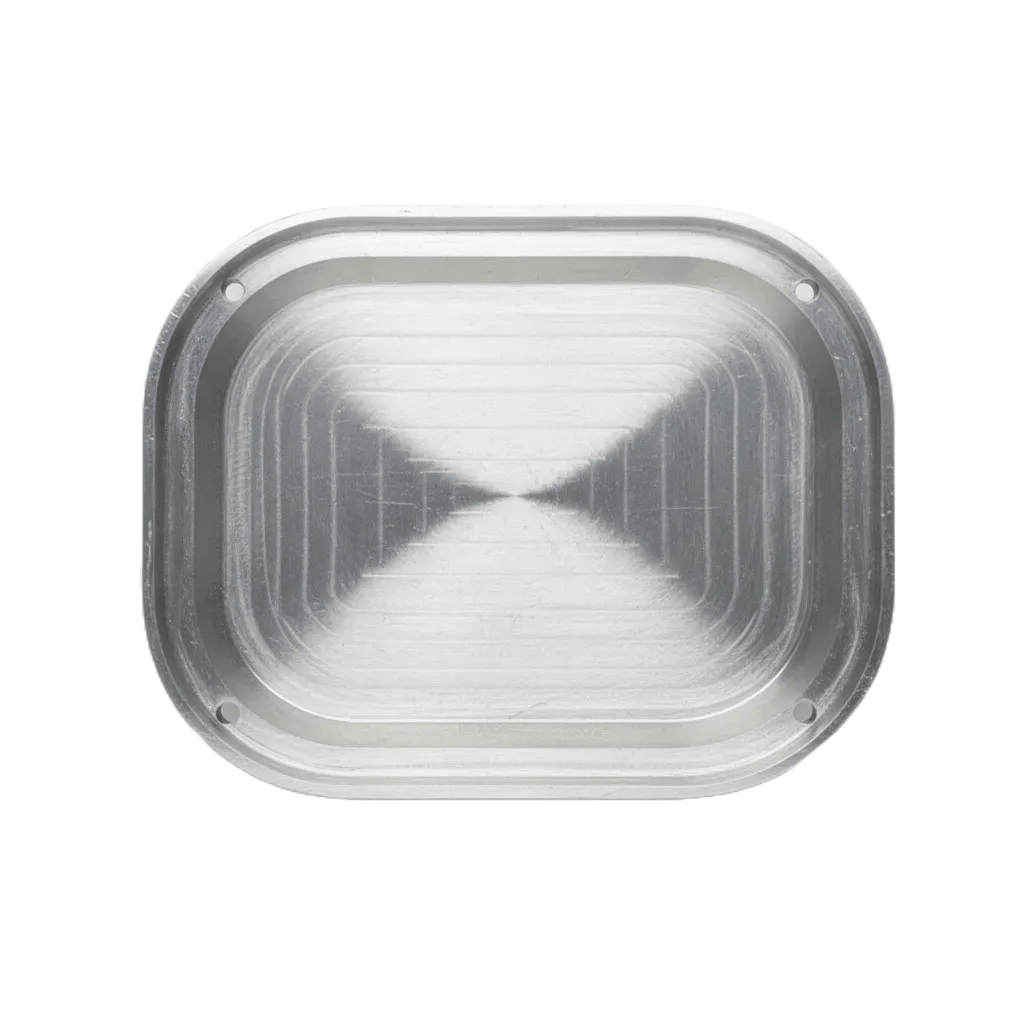
Crea una textura mate uniforme que disimula las marcas de las herramientas y mejora la uniformidad de la superficie.
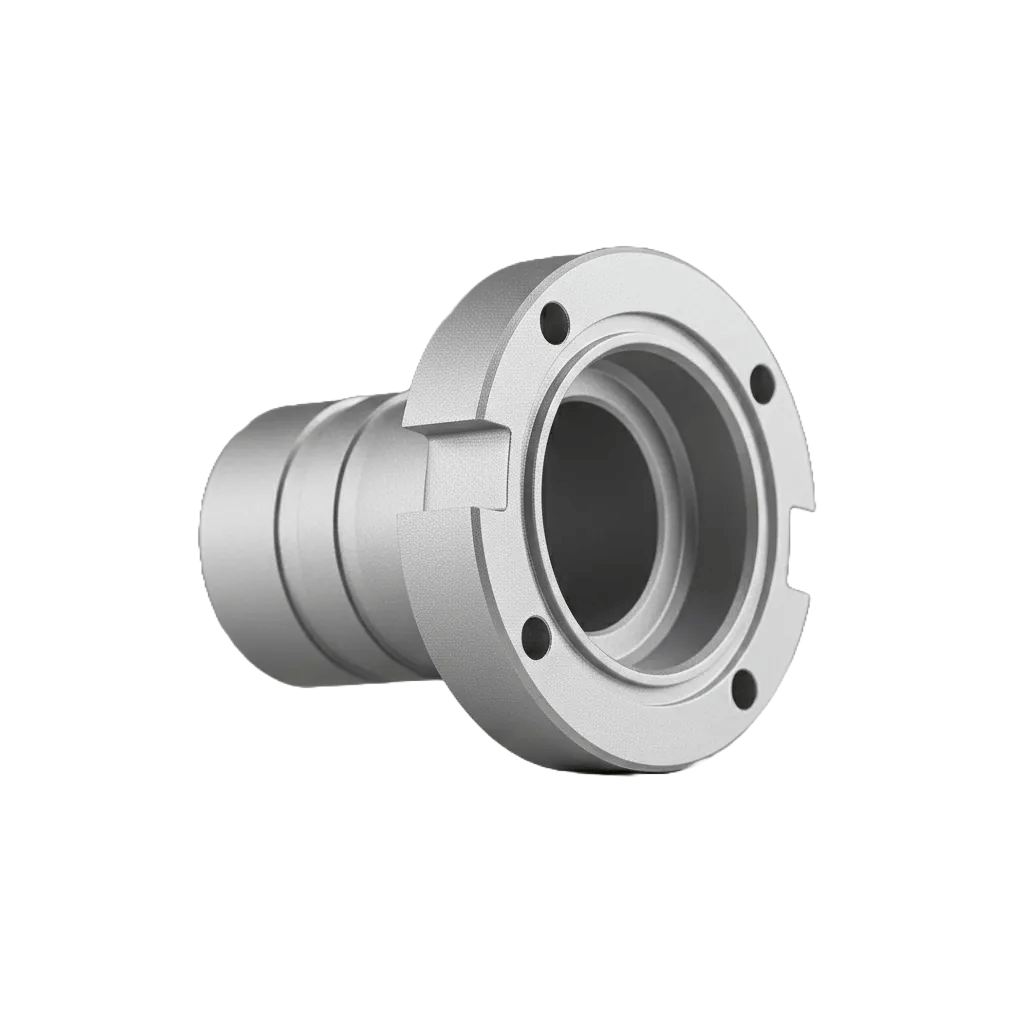
Texturización personalizada de moldes para mejorar el agarre, el atractivo visual o para crear diseños específicos de la marca.
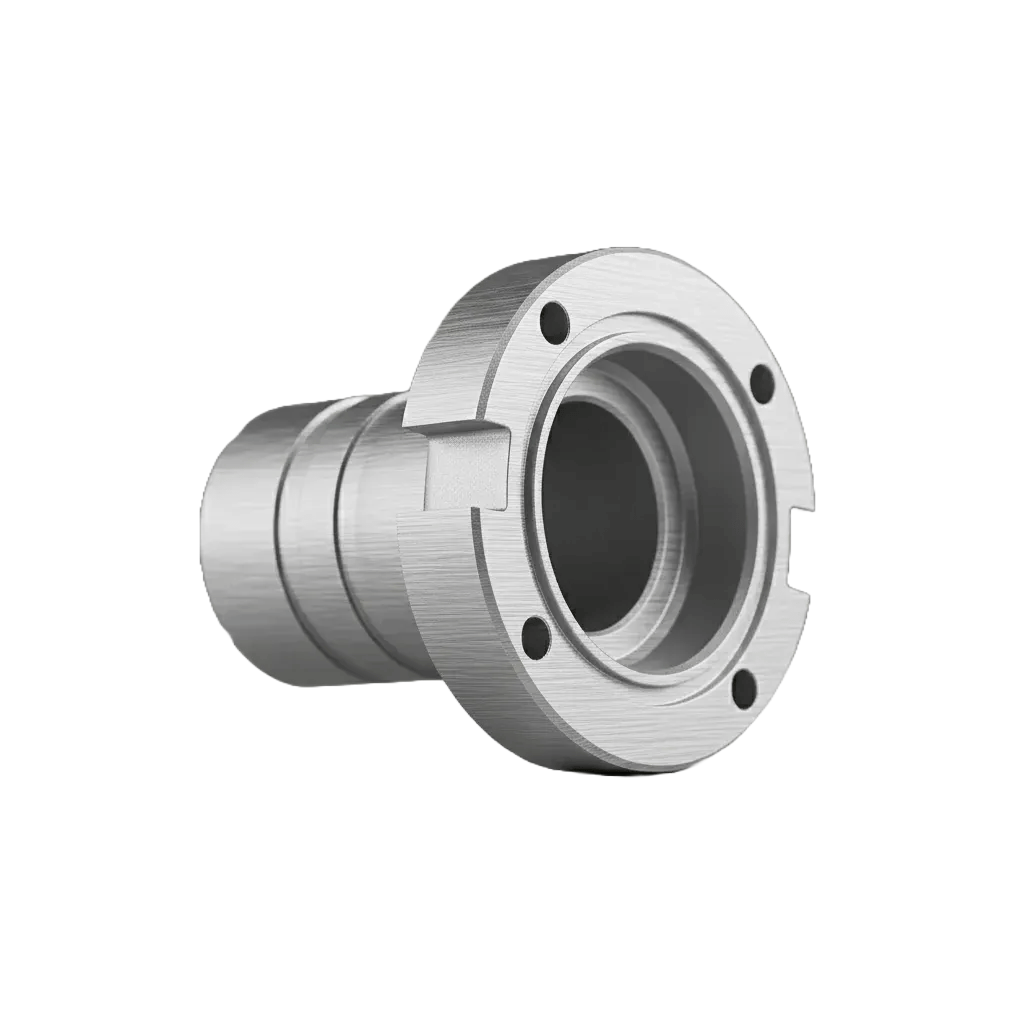
Pulido en varias etapas para piezas de grado cosmético u óptico, realizado sobre acero para moldes de alta calidad.
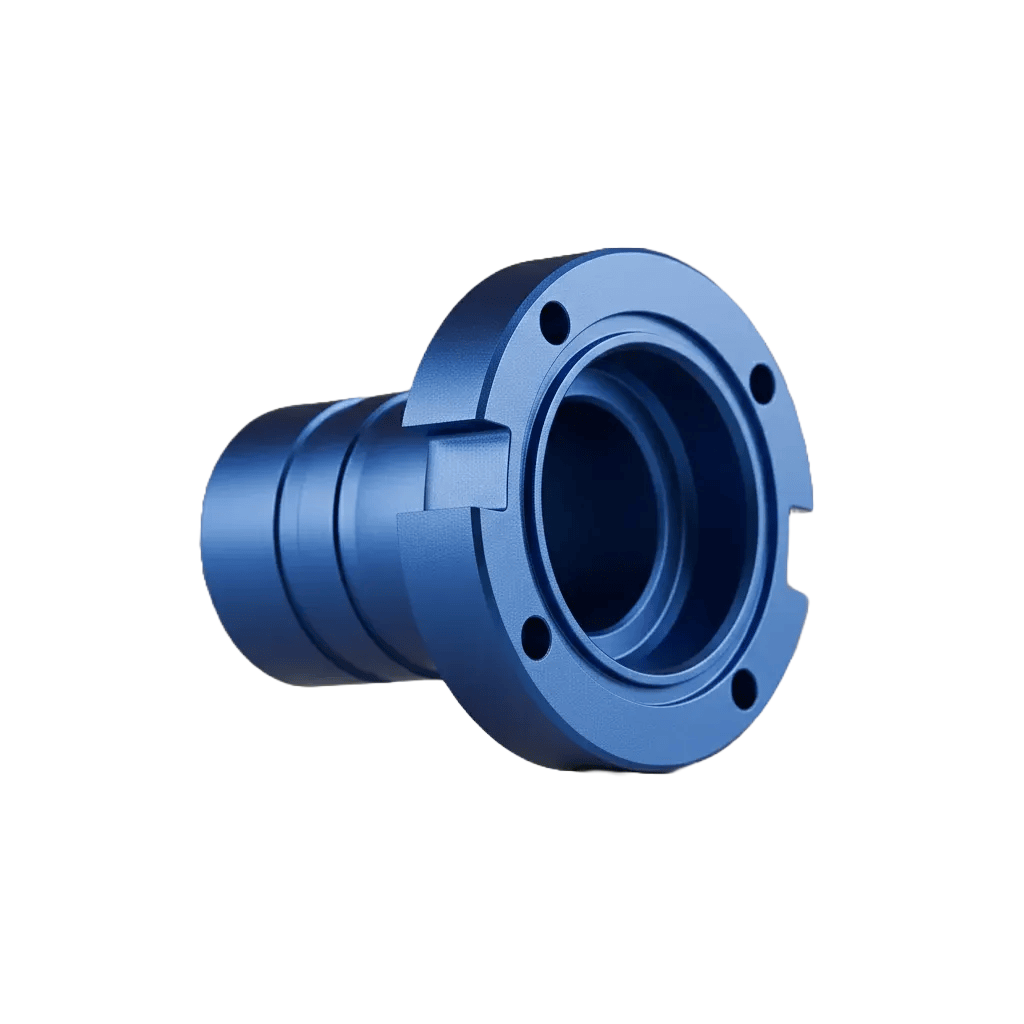
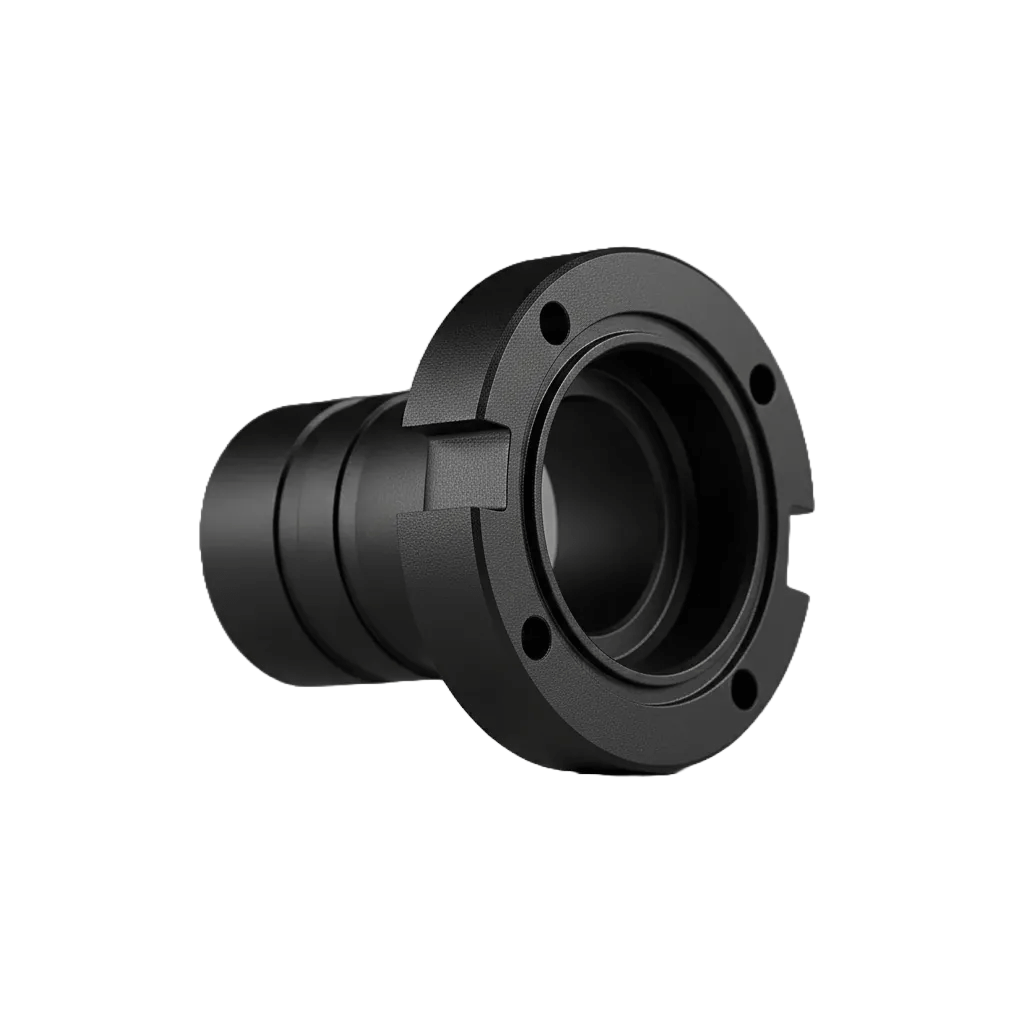
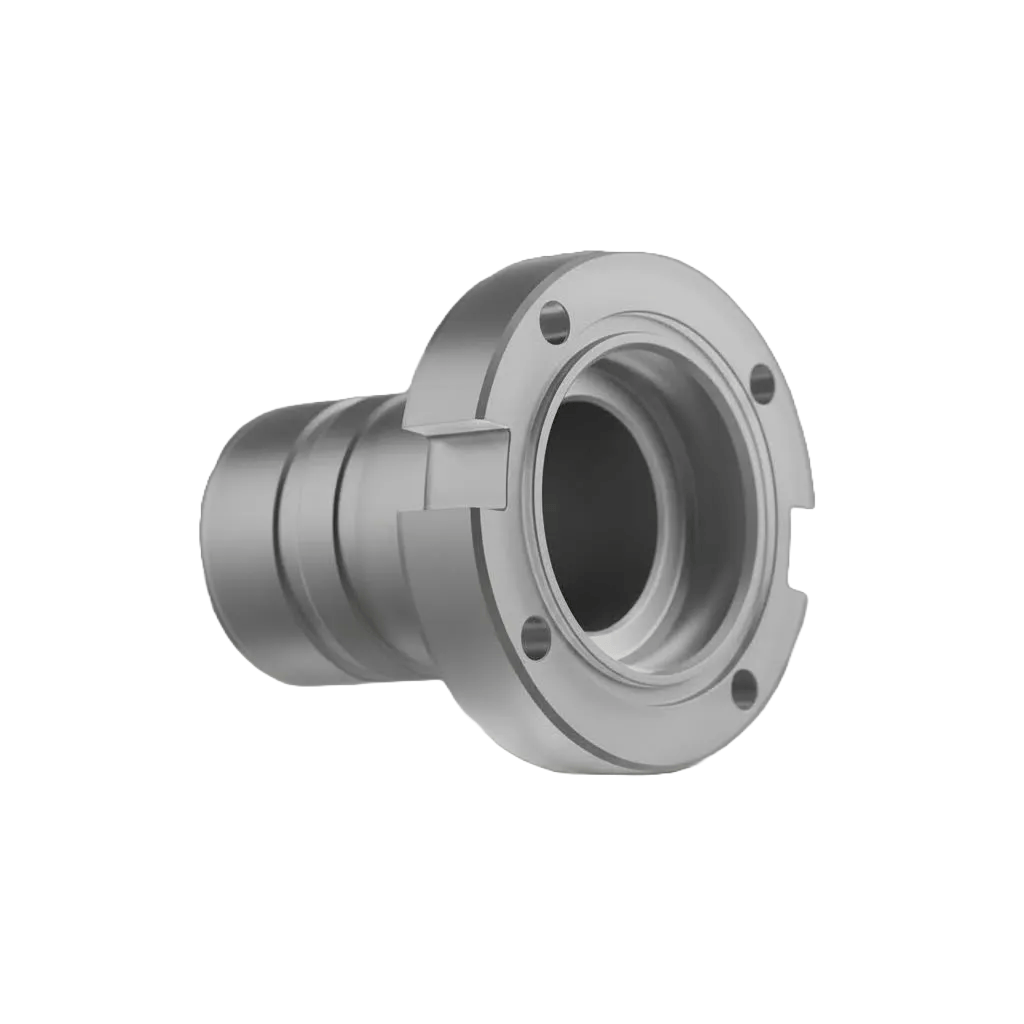
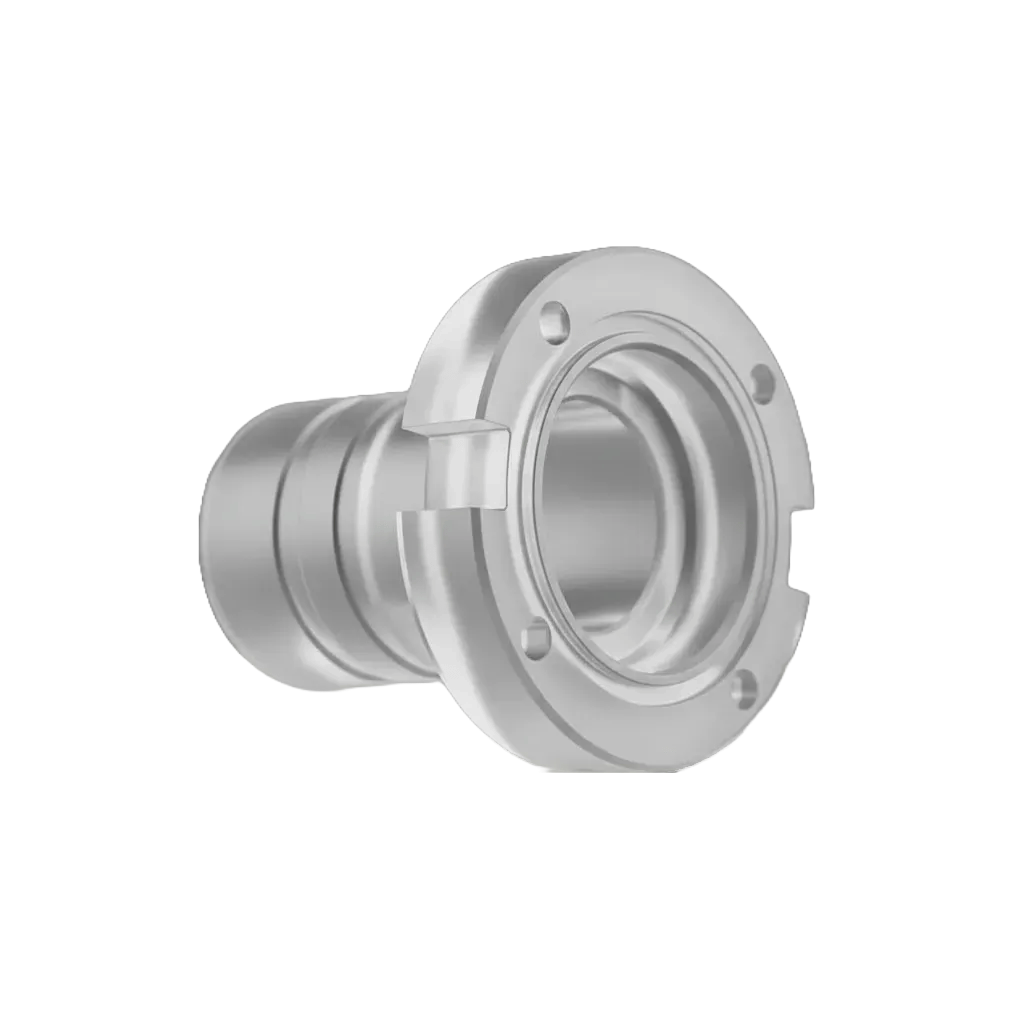
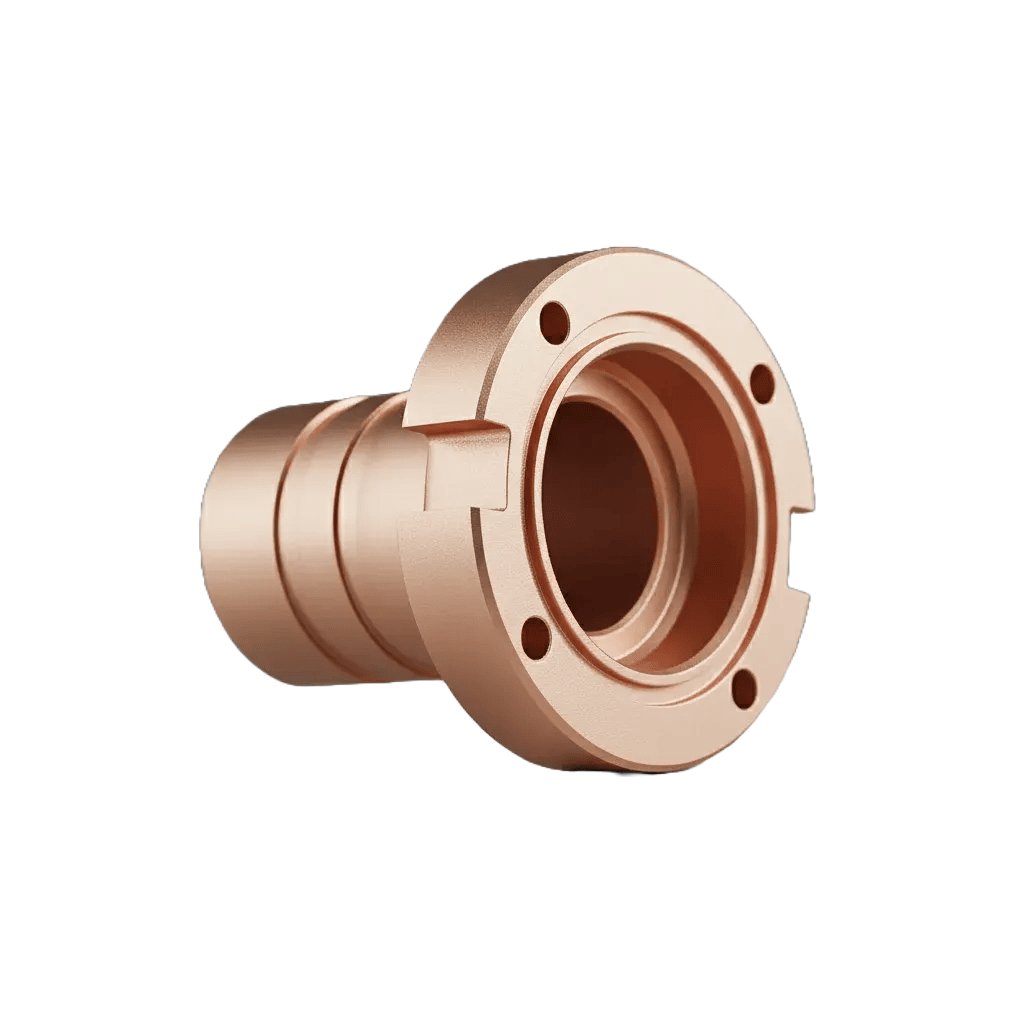
Acabados superficiales en el moldeo por inyección de plástico
Especificaciones del moldeo por inyección de plástico
Estas especificaciones abarcan la mayor parte de los trabajos de moldeo técnico. Las tolerancias generales se ajustan a la norma ISO 20457 para piezas de plástico, con una precisión de más o menos 0,05 mm siempre que la resina y la geometría lo permitan. Confirmamos la tolerancia alcanzable para cada característica durante la fase de DFM, ya que el plástico moldeado se contrae al enfriarse y las especificaciones ajustadas dependen de la elección del material y del diseño de las paredes.
Característica | Especificaciones |
Tolerancias generales | Normas ISO 20457 para piezas moldeadas por inyección de plástico |
Tolerancias de precisión | Precisión de hasta ± 0,05 mm, dependiendo del material |
Espesor mínimo de la pared | Normalmente 0,8 mm (varía según el tipo de resina) |
Tamaño máximo de la pieza | Hasta 1200 × 1000 × 500 mm, dependiendo del utillaje |
Tamaño mínimo de la pieza | Pequeños componentes de precisión de unos pocos milímetros |
Volumen de producción | Prototipo: 1-100 unidades; volumen bajo: 100-10 000 unidades; volumen alto: más de 10 000 unidades |
Sectores a los que prestamos servicio

Componentes moldeados de alta precisión sometidos a un estricto control dimensional y de seguridad, destinados al moldeo por inyección de plástico para dispositivos médicos y productos de diagnóstico.

Carcasas, conectores y cajas con precisión micrométrica para aplicaciones en las que son fundamentales el ajuste, la resistencia al calor y la repetibilidad.
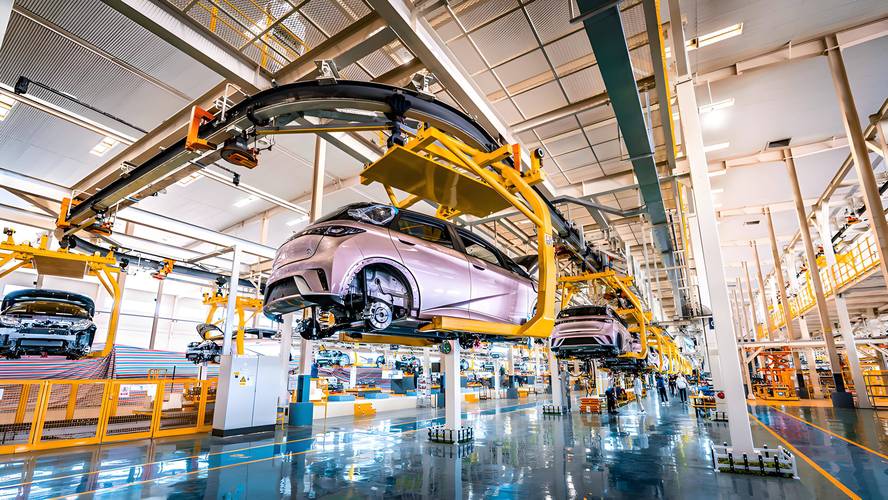
Piezas moldeadas resistentes para entornos con cargas elevadas y altas temperaturas: el núcleo de la actividad de moldeo por inyección de plástico en el sector de la automoción.

Carcasas, cubiertas y piezas estructurales moldeadas a medida para sistemas de automatización.
¿Qué diferencia a XY Machining del resto?




Nuestra galería de moldeo por inyección
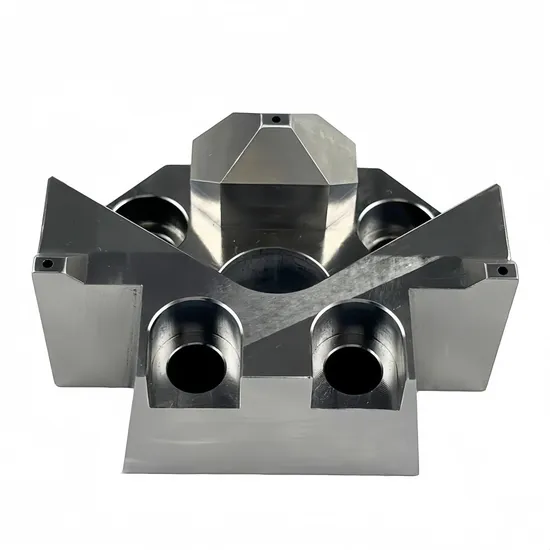
Estos ejemplos muestran componentes moldeados por inyección de precisión para aplicaciones en los sectores de la automoción, el sector médico, la electrónica de consumo y el sector industrial. Desde carcasas complejas hasta piezas funcionales de gran detalle, cada uno de ellos refleja un diseño optimizado del molde, una distribución de la entrada de material y un sistema de refrigeración adecuados, una cuidadosa selección de materiales y una producción conforme a las normas ISO.
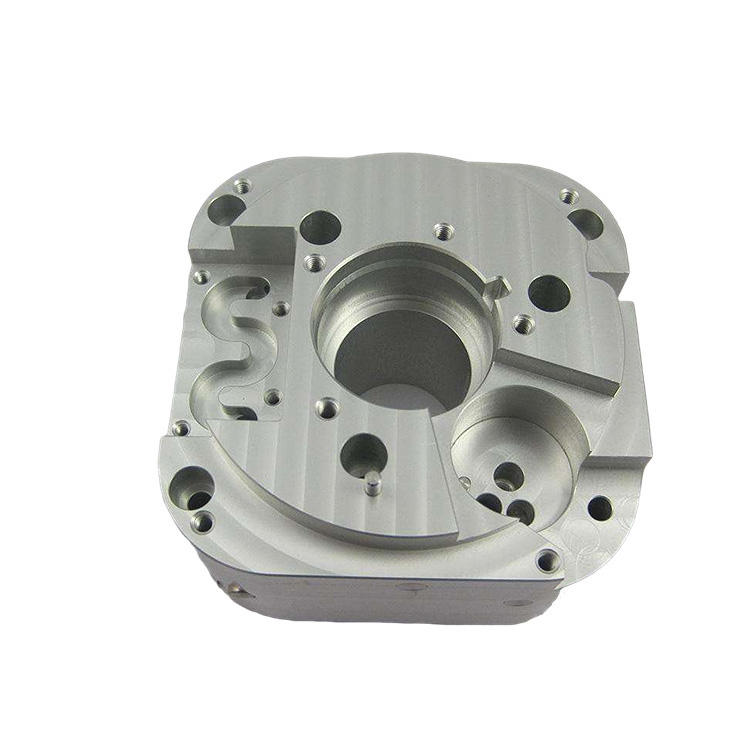
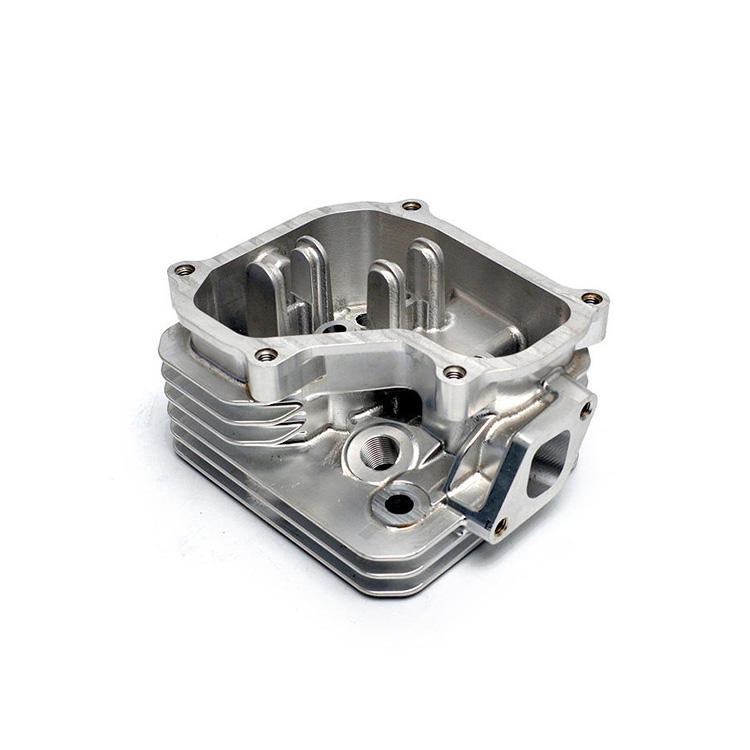
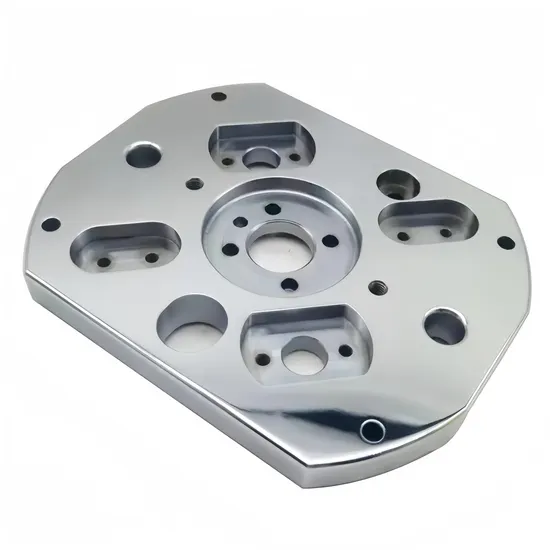
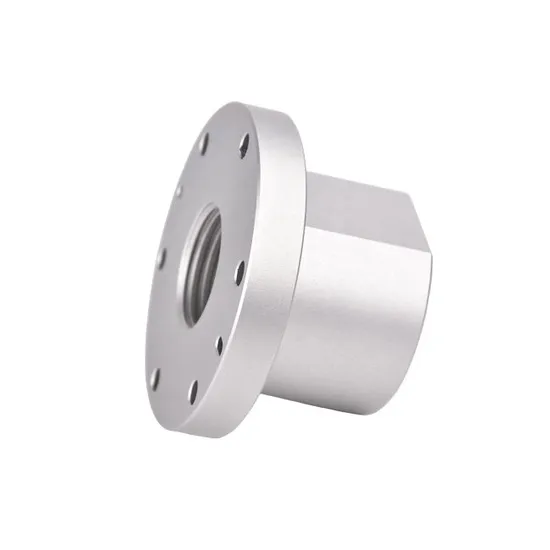
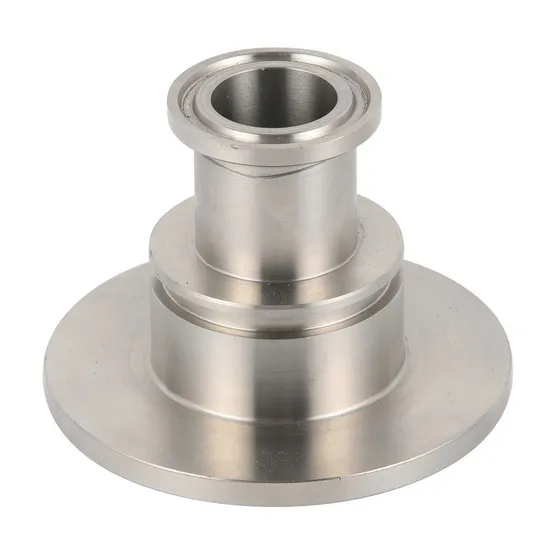
Moldes de aluminio que te permiten pasar rápidamente de la idea a piezas moldeadas funcionales, ideales para prototipos y series de bajo volumen en las que tanto la rapidez como la precisión son fundamentales.
Utillaje endurecido, diseñado para garantizar una gran durabilidad a largo plazo, que permite obtener piezas uniformes y precisas en la producción en serie a gran escala.
Ventajas del moldeo por inyección de plástico
- Alta eficiencia productiva:Los tiempos de ciclo cortos permiten una producción en serie rentable.
- Excelente repetibilidad: Calidad constante de las piezas en lotes de gran tamaño.
- Flexibilidad de diseño:Admite geometrías complejas, paredes delgadas y elementos integrados.
- Versatilidad de los materiales:Una amplia gama de termoplásticos, entre los que se incluyen el ABS, el PC, el PP, el PA, el POM y el PEEK.
- Acabado superficial de alta calidad:Acabados de calidad cosmética o con textura, directamente del molde.
Del prototipo a la producción: un socio de confianza
- Amplia experiencia demostrada en los sectores médico, de la automoción, de la electrónica y de la robótica
- Asistencia técnica ágil con respuesta rápida a las solicitudes de presupuesto
- Capacidad de mecanizado CNC moderno de 3 y 5 ejes
- Comentarios colaborativos sobre el diseño para la fabricación (DFM) para reducir el riesgo y los costes
- Producción bajo demanda fiable con inspección documentada
Cómo funciona: flujo de trabajo en tres fases
Garantizamos que las piezas CNC se entregan a tiempo y que el proceso es totalmente transparente en los siguientes tres sencillos pasos:
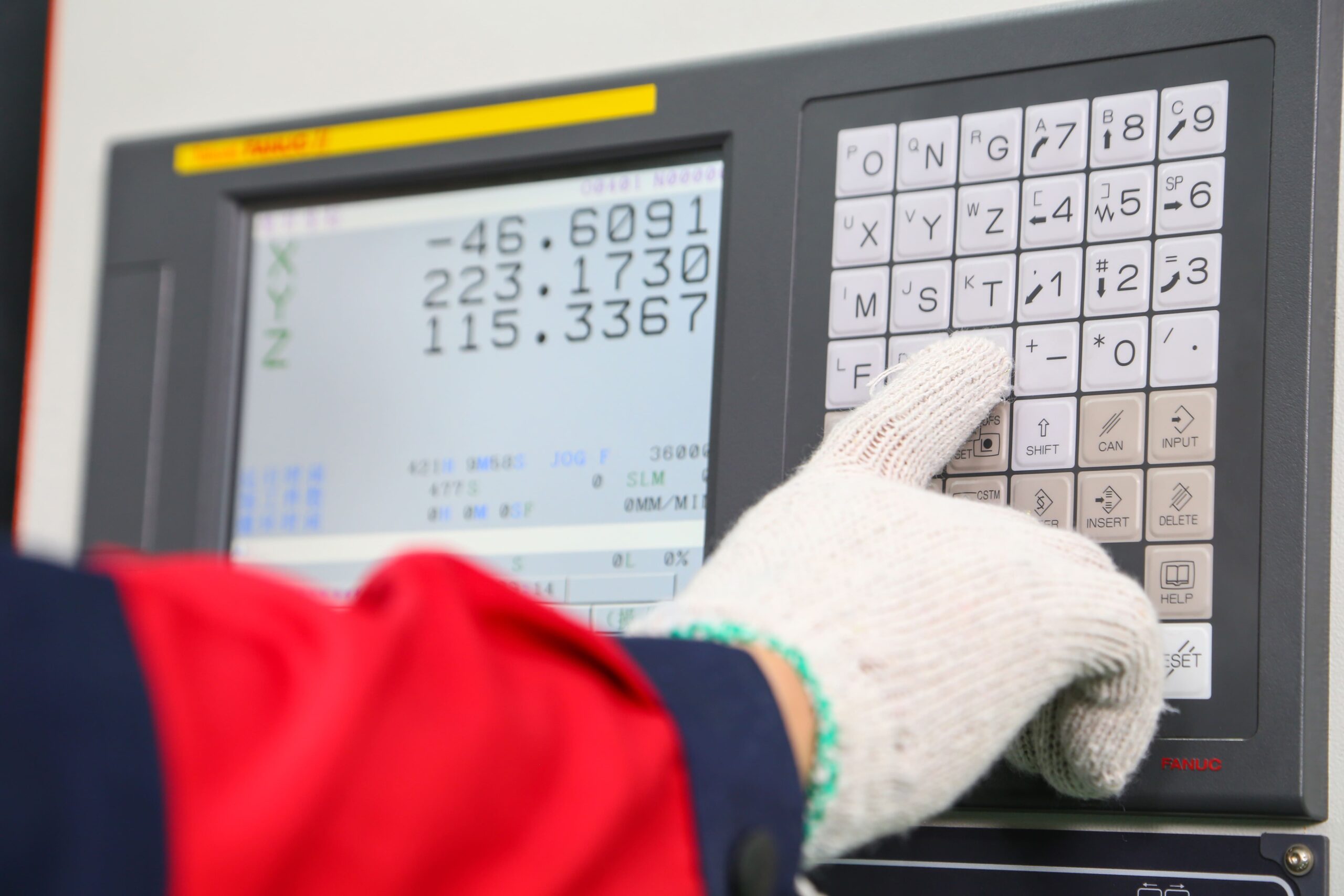

Envía tu modelo 3D y recibe comentarios sobre el diseño para la fabricación (DFM) y el flujo del molde en cuanto al espesor de las paredes, los conductos de inyección y el ángulo de desmoldeo antes de que se fabrique el molde.

Tras la aprobación del utillaje, las piezas se fabrican bajo un control científico del proceso de moldeo, con inspecciones durante el proceso.

Las piezas superan la inspección dimensional y estética y se envían con la documentación de control de calidad, disponible previa solicitud.
Soluciones integrales de XY Machining
Preguntas frecuentes
¿Cuánto cuesta el moldeo por inyección de plástico por pieza?
El coste por pieza se reduce drásticamente a medida que aumenta el volumen, ya que el coste fijo del utillaje se distribuye entre todas las piezas que se fabrican. Un molde $10 000 añade aproximadamente un dólar por pieza a partir de 10 000 unidades, pero solo diez céntimos a partir de 100 000 unidades, razón por la cual el moldeo es un proceso de producción en masa. Más allá del volumen, los factores más importantes son la resina (el ABS y el PP básicos son baratos, mientras que el PC, el nailon reforzado con fibra de vidrio y el PEEK cuestan varias veces más), el tamaño de la pieza, el tiempo de ciclo y cualquier operación secundaria. Desglosamos los factores que influyen en el coste durante el DFM para que puedas decidir en qué invertir y dónde simplificar.
¿Hay una cantidad mínima de pedido para el moldeo por inyección?
No imponemos un pedido mínimo (MOQ) fijo, pero el molde y la puesta a punto suponen un coste fijo, por lo que las tiradas muy pequeñas conllevan un precio por pieza más elevado. Esa disyuntiva es una decisión empresarial en la que te ayudamos a decidir: un molde de aluminio tipo «puente» puede producir unos cientos de piezas de forma rentable, mientras que una herramienta endurecida de múltiples cavidades resulta rentable cuando el volumen anual alcanza las decenas de miles. Ten cuidado con los proveedores que, sin decirlo abiertamente, exigen un mínimo elevado de resina, lo que puede obligarte a comprar mucho más material del que necesitas para una tirada corta. Nosotros te indicamos desde el principio el umbral de rentabilidad real para que puedas preparar el utillaje acorde con el volumen que realmente tienes.
¿Cómo puedo reducir el coste de las piezas moldeadas por inyección?
Los ahorros más significativos se consiguen antes de cortar el molde. Mantén un espesor de pared uniforme para evitar marcas de hundimiento y un enfriamiento prolongado, vacía las secciones gruesas y elimina los socavados que, de otro modo, requerirían deslizadores o elevadores, ya que una sola acción lateral puede encarecer el molde en miles. Elija una resina que cumpla los requisitos sin sobreingeniería y especifique un acabado estético de alto brillo solo en las zonas de la pieza que sean realmente visibles. Nuestra revisión de DFM señala cada uno de estos aspectos en su pieza específica, para que pueda reducir costes sin sacrificar la calidad.
¿Qué resina plástica debería elegir para mi pieza?
Elige la resina más adecuada para cada aplicación, en lugar de optar automáticamente por la más barata o la más resistente. Los grados básicos, como el ABS y el polipropileno, son económicos y fáciles de moldear para carcasas y piezas de consumo; el PC y el PC-ABS aportan resistencia al impacto y transparencia, y el nailon reforzado con fibra de vidrio (PA66-GF) o el POM son adecuados para piezas estructurales y sometidas a un desgaste intenso. Las resinas de alto rendimiento, como el PEEK, son mucho más caras y requieren utillaje reforzado, por lo que solo merecen la pena cuando los requisitos térmicos, químicos o de biocompatibilidad las justifican. Durante el proceso de diseño para la fabricación (DFM), recomendamos una resina en función de las necesidades mecánicas, térmicas y estéticas de la pieza, y confirmamos cómo se contraerá y fluirá.
¿Qué resistencia tienen las piezas de plástico moldeadas por inyección?
Elige la resina más adecuada para cada aplicación, en lugar de optar automáticamente por la más barata o la más resistente. Los grados básicos, como el ABS y el polipropileno, son económicos y fáciles de moldear para carcasas y piezas de consumo; el PC y el PC-ABS aportan resistencia al impacto y transparencia, y el nailon reforzado con fibra de vidrio (PA66-GF) o el POM son adecuados para piezas estructurales y sometidas a un desgaste intenso. Las resinas de alto rendimiento, como el PEEK, son mucho más caras y requieren utillaje reforzado, por lo que solo merecen la pena cuando los requisitos térmicos, químicos o de biocompatibilidad las justifican. Durante el proceso de diseño para la fabricación (DFM), recomendamos una resina en función de las necesidades mecánicas, térmicas y estéticas de la pieza, y confirmamos cómo se contraerá y fluirá.
¿Qué provoca las abolladuras y las deformaciones, y cómo se pueden evitar?
Ambos defectos se deben a un enfriamiento desigual. Las marcas de hundimiento aparecen donde el plástico es demasiado grueso, a menudo detrás de las nervaduras y los salientes, porque la superficie se hunde hacia dentro a medida que la sección gruesa se enfría lentamente. La deformación se produce cuando diferentes partes de la misma pieza se enfrían y se contraen a ritmos distintos, lo que hace que la pieza se deforme. Los evitamos manteniendo un espesor de pared uniforme, dimensionando las nervaduras a aproximadamente la mitad del espesor nominal de la pared, vaciando las zonas gruesas y utilizando el análisis de flujo en el molde para equilibrar la entrada de material y la refrigeración antes de que se fabrique el molde. Detectar estos problemas en la fase de diseño para la fabricación (DFM) resulta mucho más económico que volver a fabricar el acero más adelante.
¿Qué espesor de pared y qué ángulo de desmoldeo debe tener mi pieza?
Intenta conseguir una pared uniforme, que suele partir de unos 0,8 mm y mantenerse dentro de un margen de aproximadamente el 25 % del espesor nominal en toda la pieza, ya que los cambios bruscos de espesor provocan hundimientos y deformaciones. Añada un ángulo de desmoldeo, normalmente de uno a tres grados en las caras verticales, para que la pieza se desprenda limpiamente del molde sin marcas de arrastre ni problemas de expulsión. Las nervaduras funcionan mejor cuando tienen aproximadamente la mitad del espesor de la pared, y las esquinas internas deben redondearse para facilitar el flujo y reducir la tensión. Comprobamos todo esto durante el análisis de fabricabilidad (DFM) y sugerimos ajustes específicos para su geometría y la resina elegida.