Formung von Flüssigsilikonkautschuk
Get flexible, heat-resistant, biocompatible parts from liquid silicone rubber molding built for engineers who need tight tolerances, the right durometer, and consistent quality at volume. XY Machining runs LSR injection molding in platinum-cured, two-part silicone, from prototype tooling through high-volume production, for medical, automotive, electronics, and consumer parts. Upload your CAD file, get DFM feedback on gating, venting, and shrinkage before the tool is cut, and receive parts held to tight tolerances with the material trade-offs spelled out up front.
- Medical-grade, food-grade, and industrial LSR in a wide durometer
- Platinum-cured silicone with USP Class VI and ISO 10993 options
- Prototype, bridge, and hardened-steel production tooling under one roof
Erhalten Sie sofort Preisangaben, Projektlaufzeiten und DFM-Feedback.
- Alle Uploads sind sicher und vertraulich.
What is Liquid Silicone Rubber Molding?
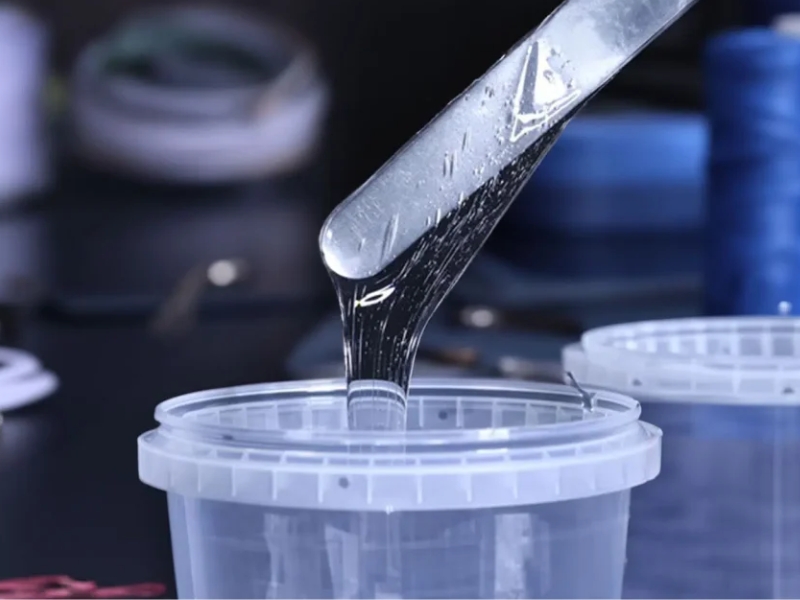
Liquid silicone rubber molding is a high-precision injection process that produces flexible, heat-resistant, durable silicone parts. The two-part liquid material, a base and a catalyst mixed at a 1:1 ratio, is injected into a heated mold cavity where it cures through a permanent thermoset reaction into a stable rubber part. Because LSR is a thermoset, the cured part cannot be melted again like a thermoplastic.
Bei XY-Bearbeitung we use advanced silicone rubber injection molding systems to run medical-grade, food-grade, and industrial silicone in complex geometries with tight tolerances and high repeatability, ideal for Automobilindustrie, medical devices, Elektronik, and consumer products that need flexibility, chemical resistance, and long service life
Warum sollten Sie sich für XY Machining beim Formen von Flüssigsilikonkautschuk entscheiden?
High-quality LSR parts depend on mold design and process control, not just the press. Our engineering optimizes gating, venting, and curing cycles to deliver consistent quality and reduce production cost, from prototype tooling through full production volumes. We operate under certified quality systems with strict inspection, and provide traceability, fast lead times, and dependable performance for critical industries such as medical, automotive, and electronics. From material selection through final inspection, we confirm the durometer, cure system, and achievable tolerances before the mold is cut, so your custom silicone rubber molding project starts with the trade-offs already clear.
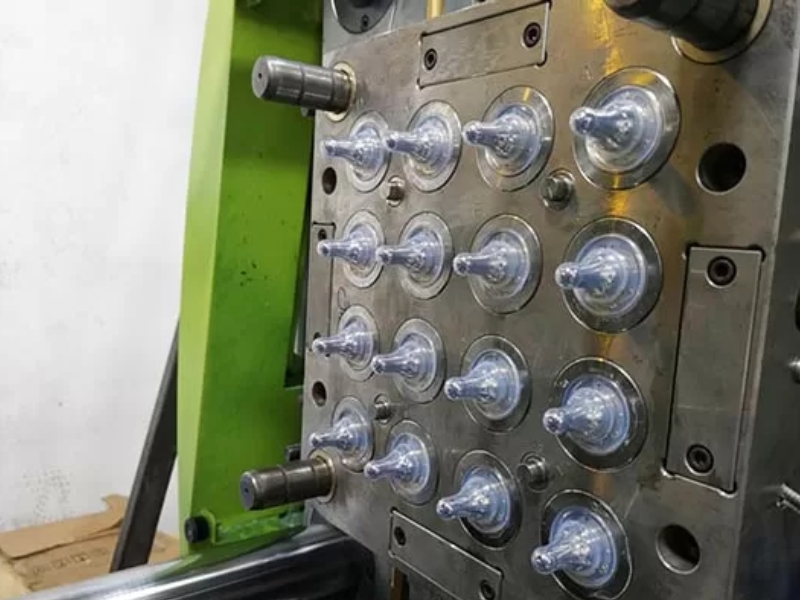
A clean molded surface straight from the tool, suitable for functional silicone components.
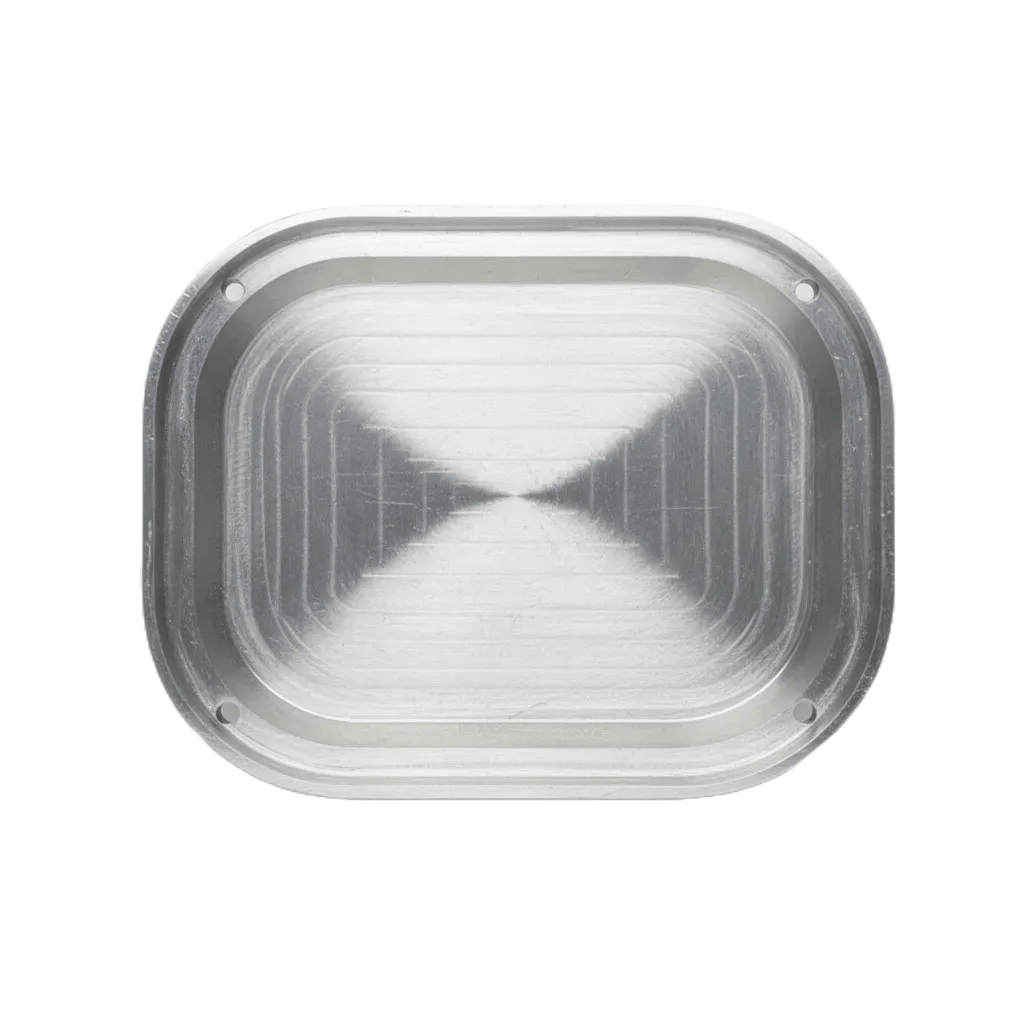
Light surface texturing that reduces glare and improves grip performance.
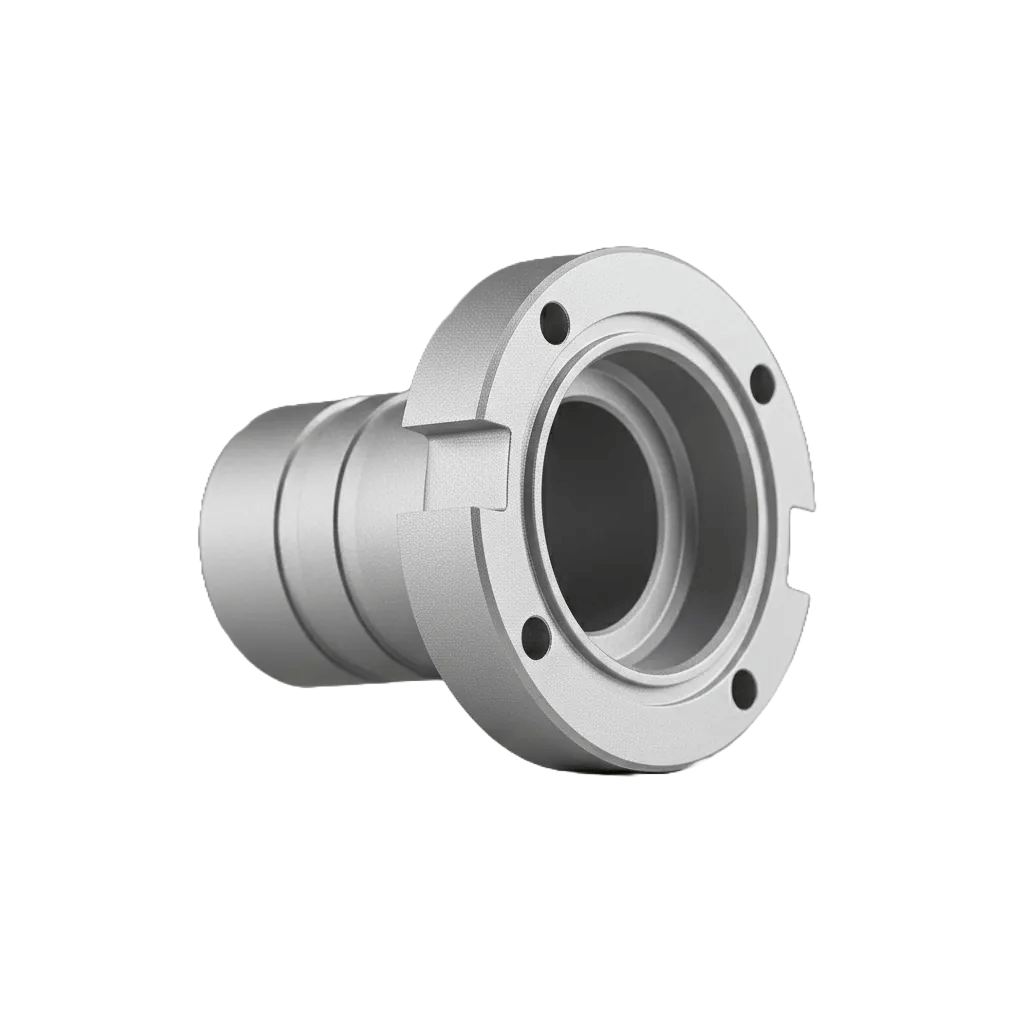
Glattes Polieren der Kavität für eine verbesserte Oberflächenklarheit und ein edles Erscheinungsbild.
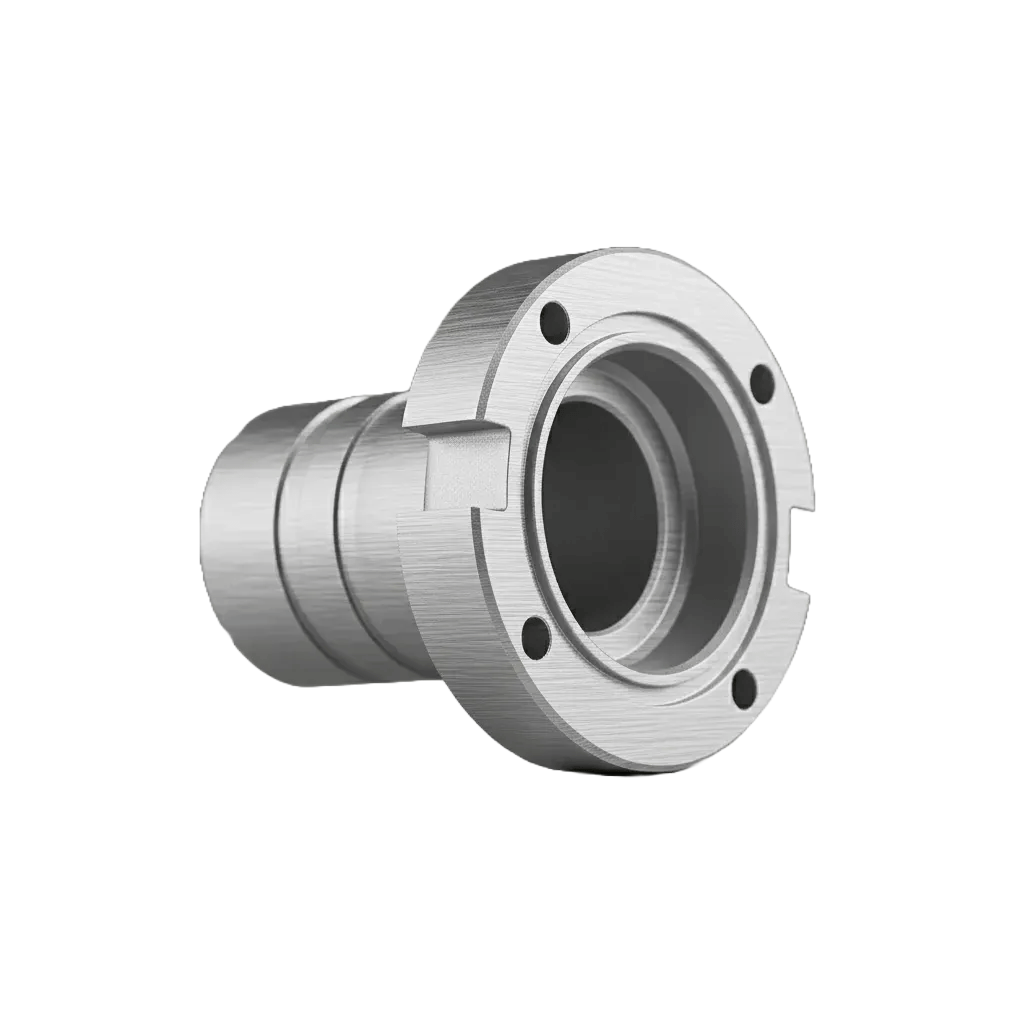
Special mold textures for branding or specific aesthetic requirements.
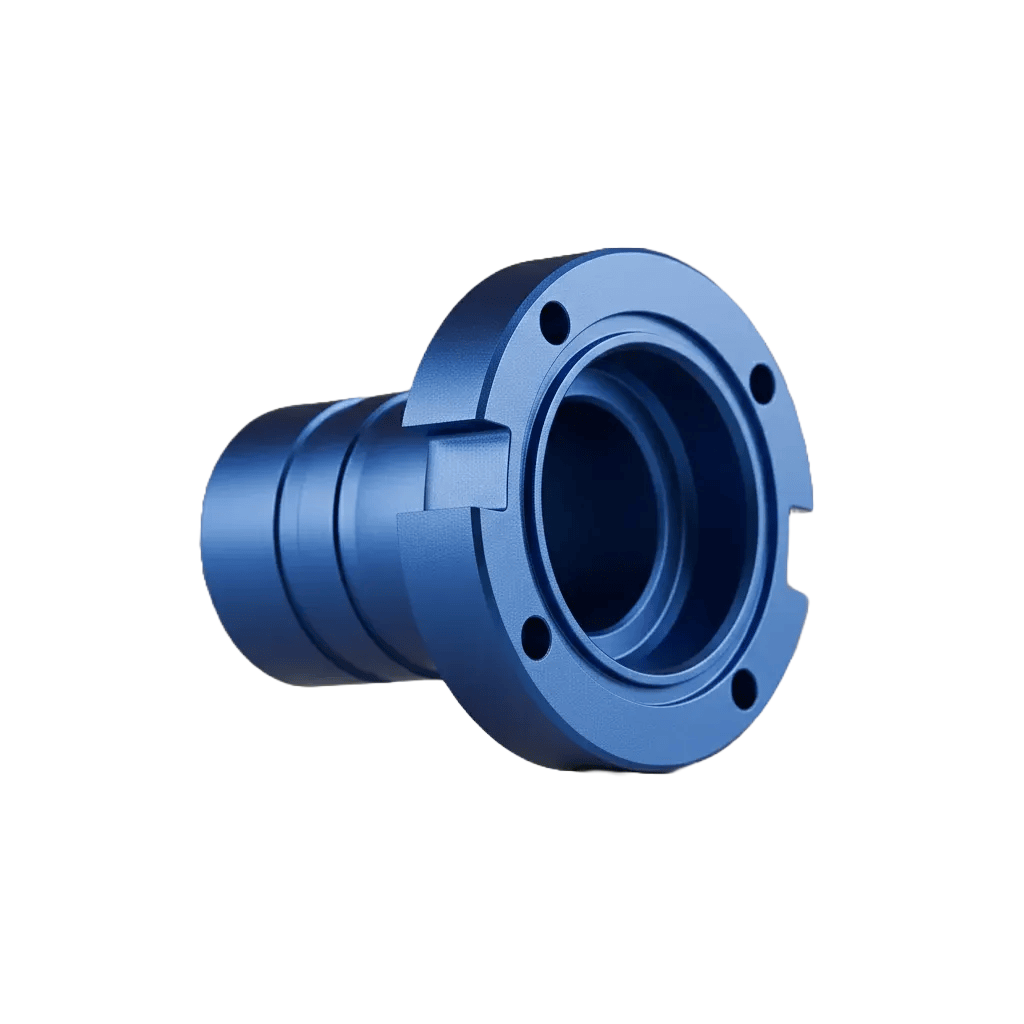
Kontrollierte Oberflächenqualität für Anwendungen in der Medizin und im Gesundheitswesen.
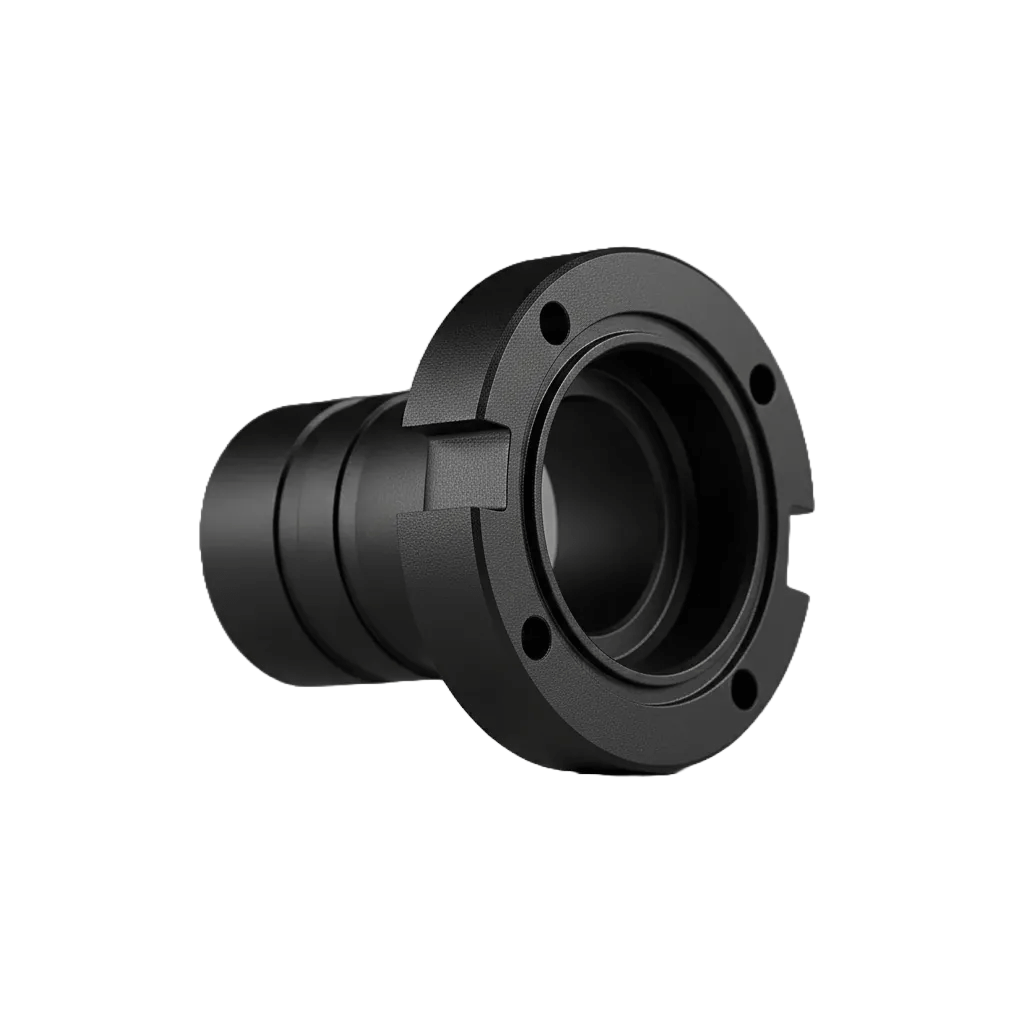
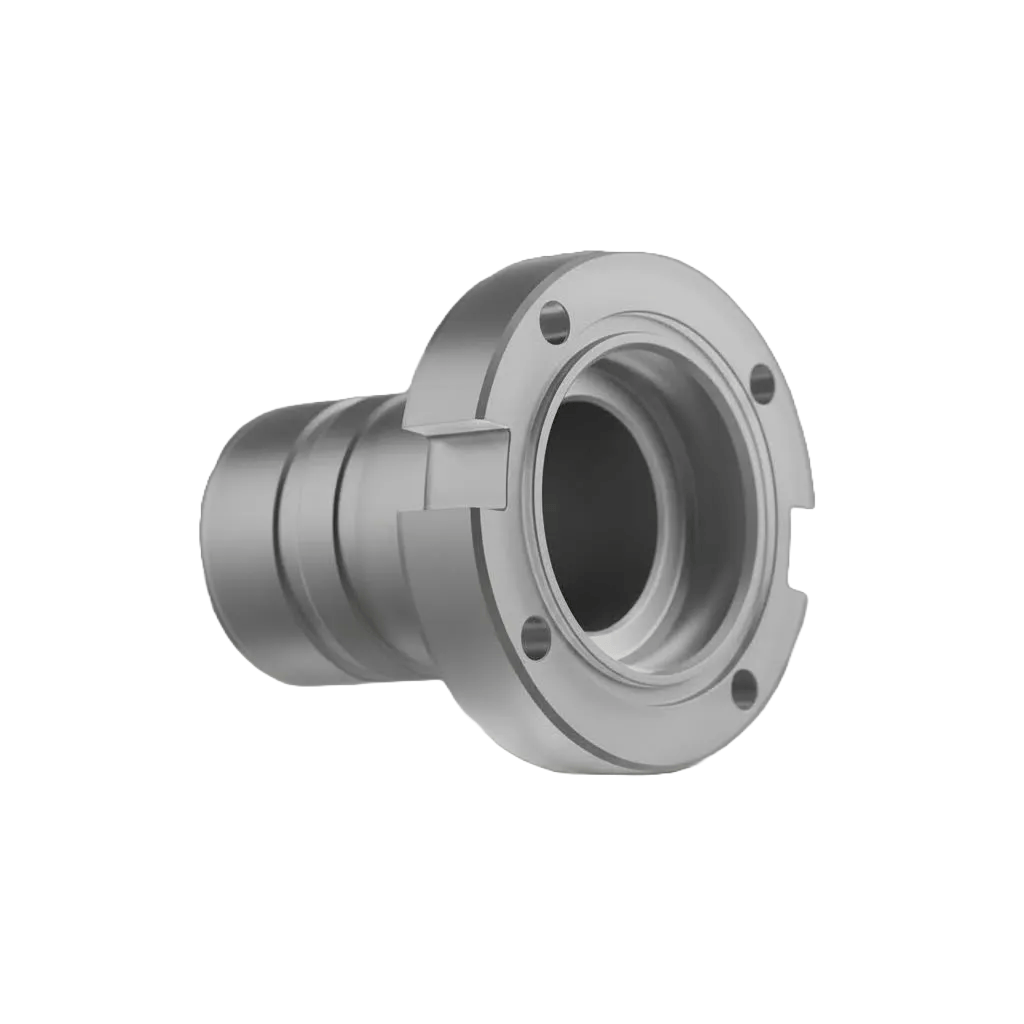
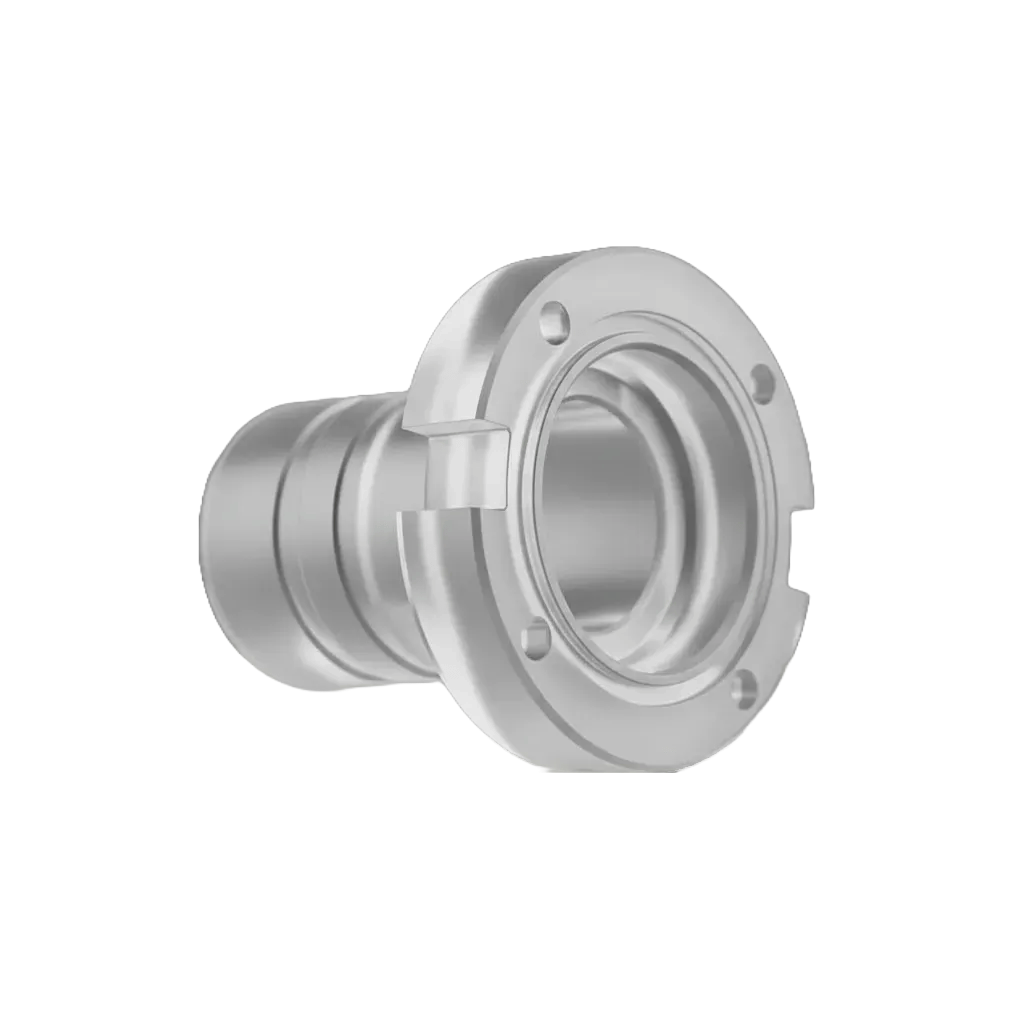
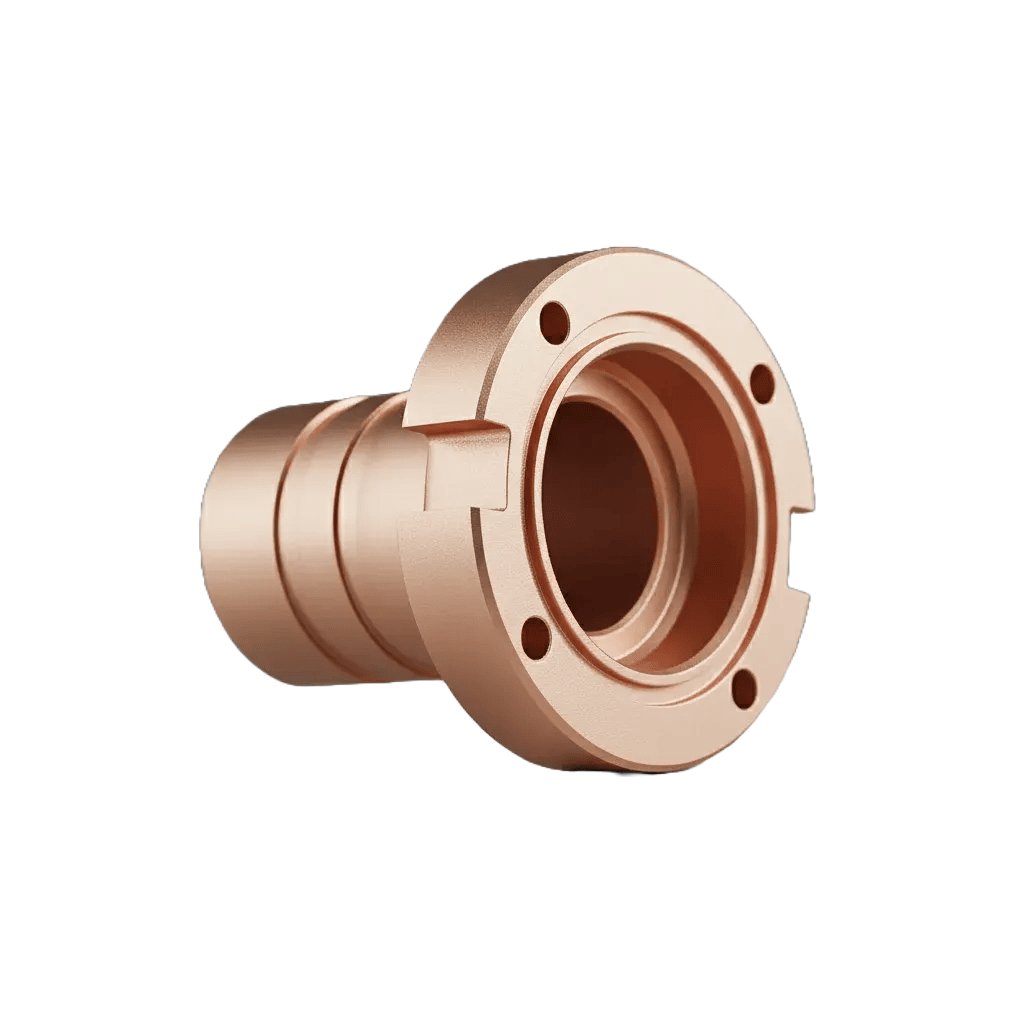
Oberflächenbeschaffenheiten bei der Formgebung von Flüssigsilikonkautschuk
Fähigkeiten im Bereich des Formens von Flüssigsilikonkautschuk
These capabilities cover most engineering LSR work. General tolerances follow ISO 2768-M, with precision to plus or minus 0.05 mm confirmed per geometry, since silicone shrinks as it cures and tight callouts depend on wall design and material grade.
Funktion | Beschreibung |
Allgemeine Toleranzen | Toleranzbereich gemäß der Norm ISO 2768-M |
Präzisionstoleranzen | Achievable up to ± 0.05 mm depending on geometry |
Mindestwandstärke | 0,3–0,5 mm, je nach Materialgüte |
Materialauswahl | LSR für medizinische Anwendungen, für den Lebensmittelbereich und für industrielle Anwendungen |
Maximale Teilegröße | Basierend auf der Formkonstruktion und der Presskapazität |
Produktionsvolumen | Vom Prototyp bis zu über 100.000 Teilen |
Werkzeugoptionen | Aluminum prototype molds and hardened steel production molds |
Branchen, die wir bedienen

Biocompatible silicone components under strict dimensional and safety control for devices, seals, and wearables.

Waterproof seals, gaskets, and keypad interfaces with excellent electrical insulation and flexibility.
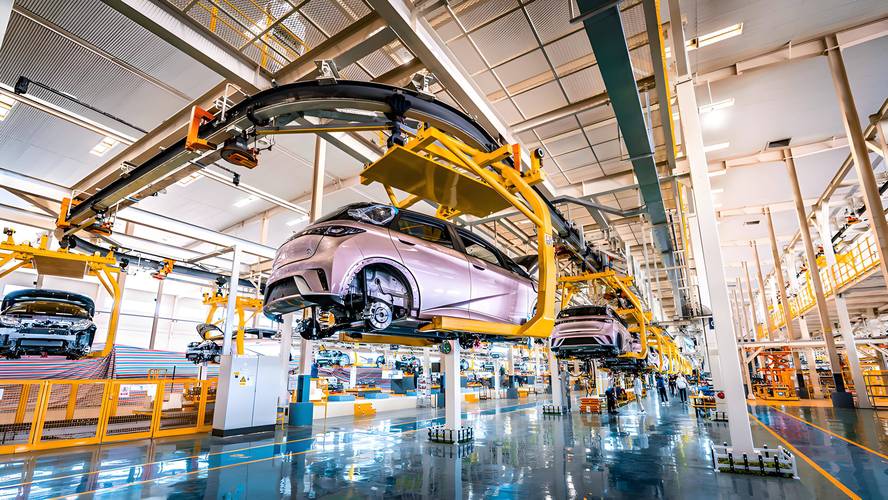
Durable seals, grommets, and vibration-damping parts that withstand heat, cold, and chemical exposure.

Custom silicone housings, covers, and flexible components for automation systems.
Was unterscheidet XY Machining von anderen?




Our LSR Molding Gallery
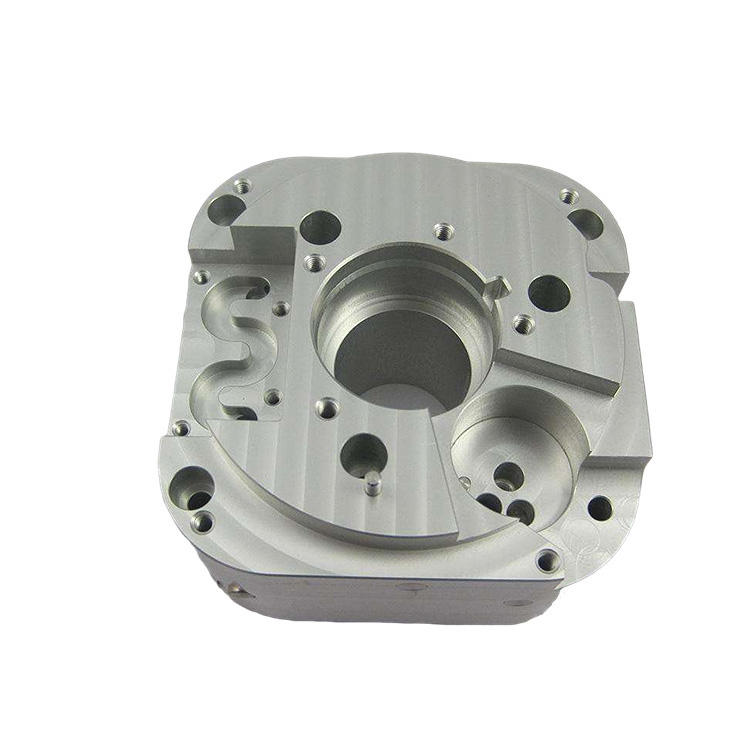
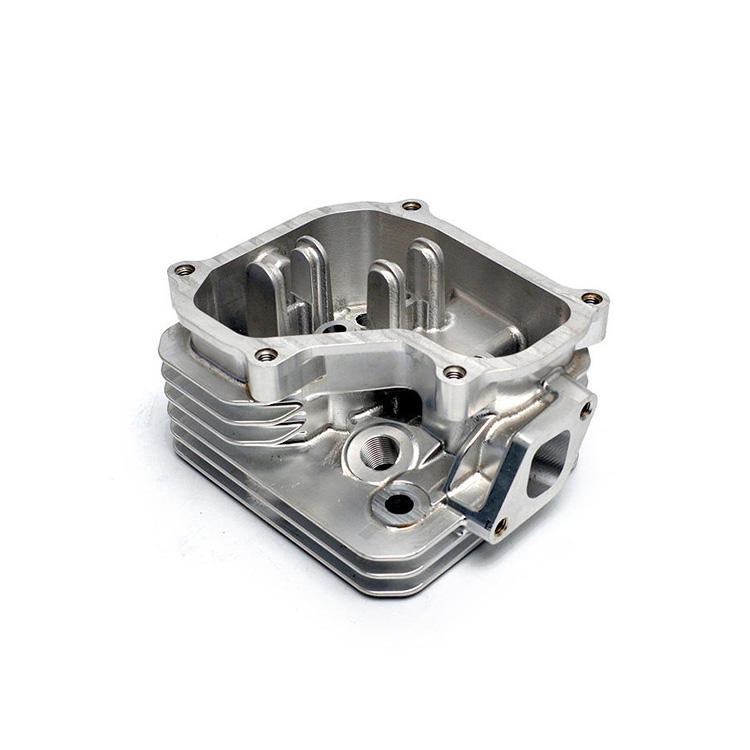
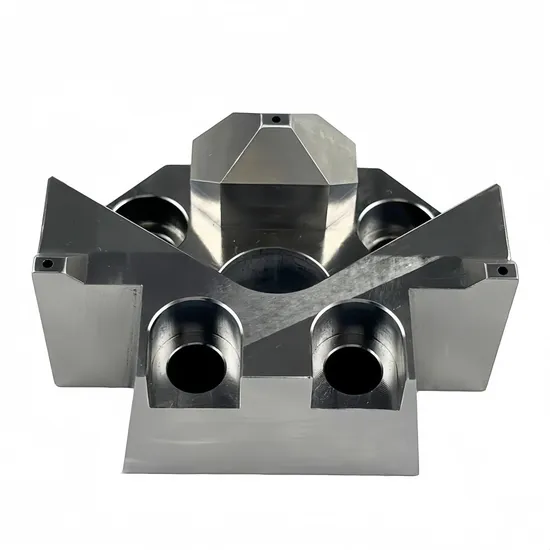
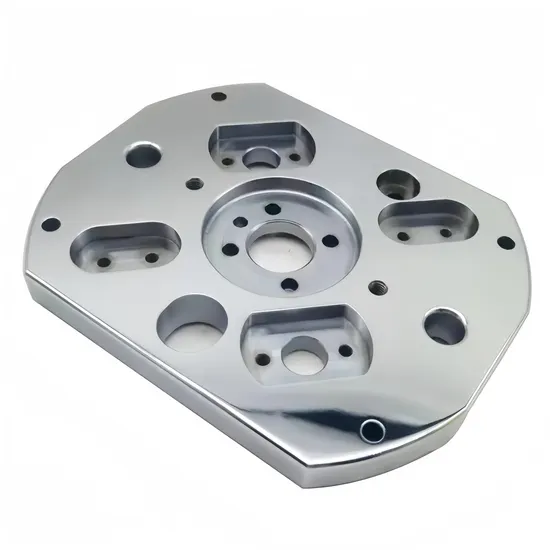
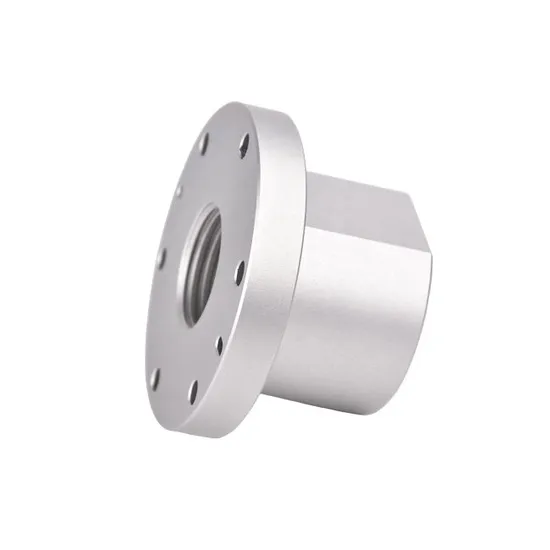
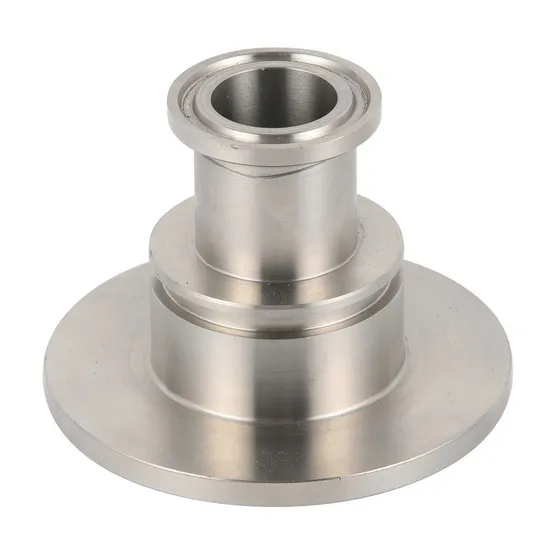
These examples show precision LSR molded components, including medical seals, silicone gaskets, valves, wearable device parts, and automotive connectors. Each reflects dimensional accuracy, clean molding, correct venting, and ISO-aligned quality inspection.
Design Guidelines for Liquid Silicone Rubber Molding
Good LSR design prevents the two most common defects, air traps and flash, before the tool is cut. These guidelines keep parts bubble-free and easy to demold:
Funktion | Leitfaden |
Entwurfswinkel | 1°–3° empfohlen für ein einfaches Entformen |
Wandstärke | Uniform thickness to prevent air traps |
Unterschnitte | Achievable with slides or advanced tooling |
Radien und Ecken | Abgerundete Ecken verbessern den Materialfluss |
Entlüftung | Eine ordnungsgemäße Entlüftung gewährleistet blasenfreie Silikonteile |
Schrumpfungsrate | Hängt von der Silikonsorte und den Aushärtungsbedingungen ab |
Umspritzen | LSR bonds with compatible plastics or metals |
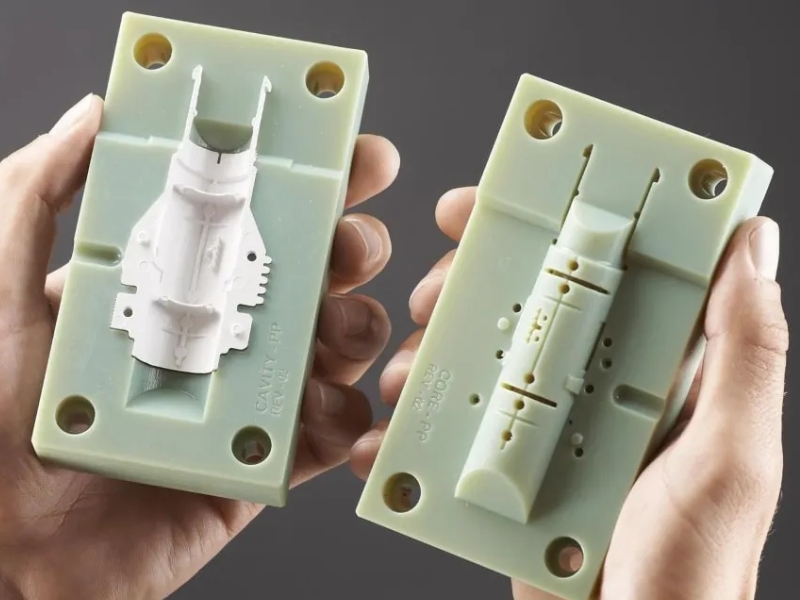
Aluminum tooling that moves you from idea to functional silicone parts fast, ideal for prototypes and low-volume runs where speed and precision both matter.
Hardened tooling built for long-term durability, delivering consistent, accurate parts across full-scale production.
Vorteile des Formens mit flüssigem Silikonkautschuk
- Hohe Präzision und Wiederholgenauigkeit: Das LSR-Spritzgießen liefert gleichbleibende Silikonteile mit engen Toleranzen für anspruchsvolle Anwendungen.
- Hervorragende Temperaturbeständigkeit: Withstands extreme heat and cold, typically from about -50°C to +250°C, without losing flexibility.
- Biokompatibilität und Sicherheit: Medical-grade LSR is ideal for healthcare, food-contact, and wearable applications.ade LSR is ideal for healthcare, food, and wearable applications.
- Chemikalien- und UV-Beständigkeit:Durable against moisture, chemicals, ozone, and environmental exposure.
Vom Prototyp bis zur Serienfertigung – ein zuverlässiger Partner
- Nachgewiesene Fachkompetenz in den Bereichen Medizin, Automobilindustrie, Elektronik und Robotik
- Reaktionsschneller technischer Support mit schneller Angebotserstellung
- Moderne 3- und 5-Achsen-CNC-Bearbeitung
- Gemeinsames DFM-Feedback zur Risikominimierung und Kostensenkung
- Zuverlässige bedarfsgerechte Fertigung mit dokumentierter Prüfung
So funktioniert es – 3-stufiger Arbeitsablauf
Wir garantieren, dass CNC-Teile pünktlich geliefert werden und dass der Prozess in den folgenden drei einfachen Schritten vollkommen transparent abläuft:
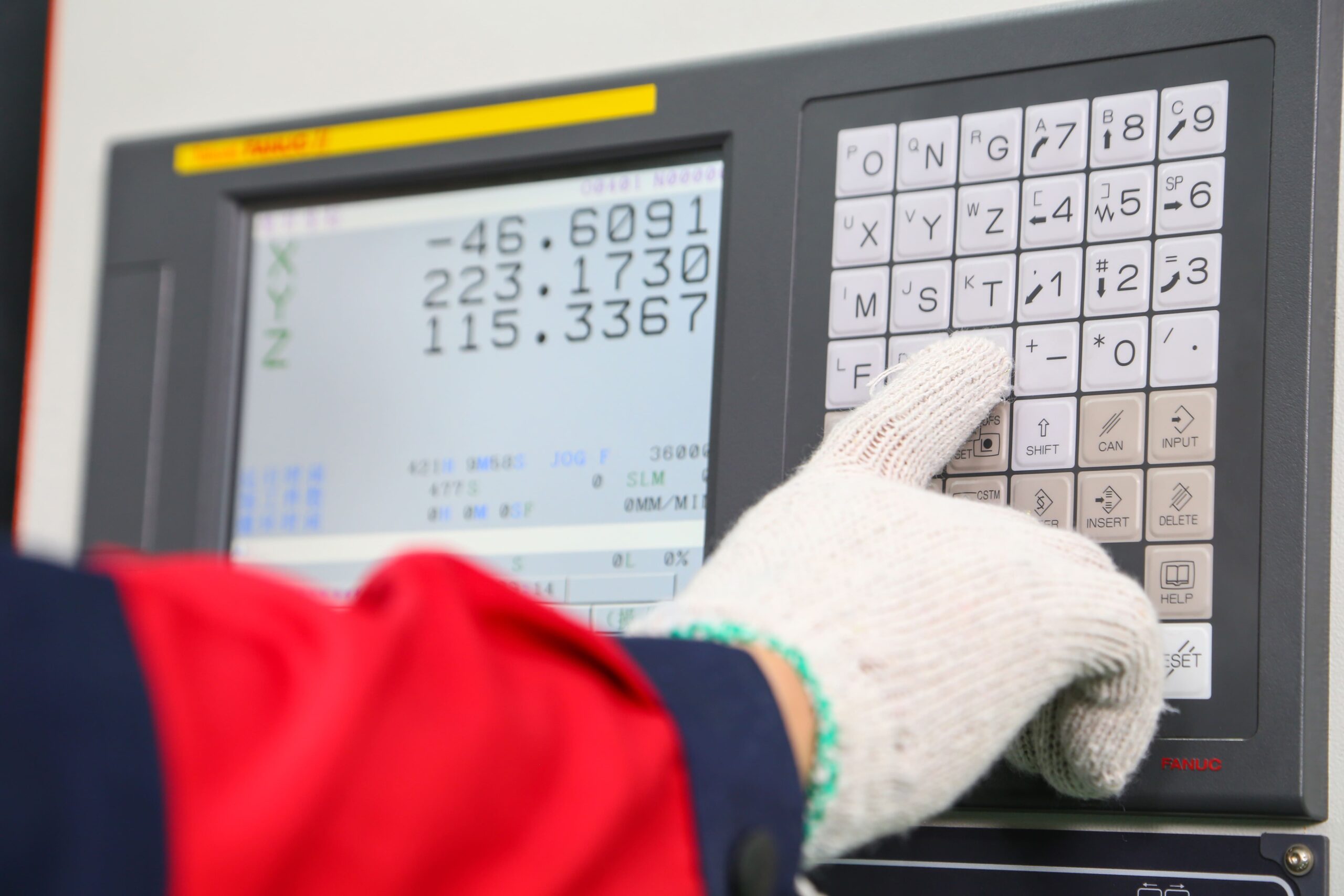

Submit your 3D model and receive DFM feedback on wall thickness, venting, and draft before the mold is cut.

After tooling approval, the two-part LSR is metered, mixed, and injected into a heated mold under process control, with in-process inspection.

Die Teile durchlaufen eine Maß- und Optikprüfung und werden mit Qualitätskontrollunterlagen versandt, die auf Anfrage erhältlich sind.
Komplettlösungen von XY Machining
Häufig gestellte Fragen
What durometer (Shore hardness) of LSR should I choose?
Durometer is the single most important LSR spec, and it maps directly to how the part behaves. Most LSR falls on the Shore A scale between about 10A and 80A: soft grades near 10 to 30A conform and seal well for wearables, cushioning, and soft-touch parts, medium 40 to 50A grades suit seals, gaskets, and buttons that flex, and firm 60 to 80A grades handle structural seals, connectors, and load-bearing parts. Very soft gel-like grades run on the Shore 00 scale for delicate medical work. We help you pick the durometer during DFM based on whether the part seals, flexes, grips, or supports load, since the wrong hardness is a common cause of field failure.
What temperature range can LSR parts withstand?
LSR holds up across a far wider temperature range than most thermoplastics, typically from around -50°C to +250°C, and stays flexible at both extremes. That stability is why it is chosen for automotive under-hood seals, medical devices that face sterilization, and electronics exposed to heat cycling. Specialty grades like high-temperature silicone and fluorosilicone extend performance further for the most demanding environments. We confirm the grade against your part’s real service temperature so the seal or component performs over its full life, not just at room temperature.
Is LSR platinum-cured or peroxide-cured, and does it matter?
We use platinum-cured LSR, and the cure system matters more than most buyers expect. Platinum cure produces very low residual volatiles, cures faster, and gives better optical clarity, which is why it is the standard for medical, food-contact, and optical parts and is required for most biocompatible applications. Peroxide cure is slower and leaves volatiles that must be driven off by post-baking, so it is limited to general industrial use. Platinum chemistry also enables self-adhesive LSR for overmolding onto compatible plastics. For any regulated part, platinum cure is the right and usually the required choice.
What is the difference between LSR and TPE?
Both are flexible, but they are fundamentally different materials with different processes. LSR is a thermoset: it cures permanently in a heated mold and cannot be remelted, which gives it a much wider temperature range, better chemical and UV resistance, and true biocompatibility for medical and food use. TPE is a thermoplastic elastomer that melts and resolidifies, so it is cheaper to process and easier to recycle, but it softens at high temperature and generally will not match LSR on heat, longevity, or regulatory performance. Choose LSR when the part faces heat, sterilization, chemicals, or skin contact, and TPE when cost and easy processing matter more than extreme performance.
How much does LSR molding cost?
Two costs drive an LSR quote: the mold (a fixed, upfront cost) and the per-part price, which falls as volume rises because tooling spreads across more parts. Aluminum prototype and bridge tooling keeps upfront cost low for early runs, while hardened steel multi-cavity molds pay off at high volume. Beyond tooling, the biggest levers are part size, durometer and grade (medical and specialty silicones cost more than industrial grades), cavity count, and cycle time. LSR does have low material waste and fast cycles thanks to a cold-runner system, which helps unit cost at scale. We break the cost drivers down during DFM so you tool for the volume you actually have.
What tolerances can you hold on LSR parts?
General tolerances follow ISO 2768-M, and we hold precision up to plus or minus 0.05 mm confirmed per feature. Silicone is inherently looser than machined metal because it shrinks as it cures, and shrinkage varies with grade, wall thickness, and cure conditions, so we design the mold to compensate for that specific shrinkage. Uniform walls and proper venting matter as much as the number, because air traps and flash are the usual causes of out-of-spec parts. We confirm the achievable tolerance for your geometry during DFM so you specify tight callouts only where the part truly needs them.
Can LSR be molded in custom colors or clear?
Yes. LSR is naturally translucent or white and takes color easily, because liquid pigment is metered in as a third stream before the material enters the mixer, giving consistent color throughout the part rather than a surface coating. We can match custom colors for branding or color-coding, and run water-clear grades for optical and light-guide parts. Because the pigment is dosed inline, color stays uniform across a full production run. Tell us the target color or optical requirement during DFM so we validate the grade and pigment load.
What certifications do you offer for medical LSR parts?
For medical and food-contact work we run biocompatible, platinum-cured LSR with USP Class VI and ISO 10993 options, molded under certified quality systems with documented inspection and traceability. Platinum-cured silicone is compatible with autoclave, gamma, and EtO sterilization, which suits both reusable and single-use devices. Medical parts also usually require post-baking to drive off any residuals, which we build into the process. Tell us the standard your part must meet during DFM so we specify the correct silicone grade, cure, and inspection plan from the start.
What is the minimum wall thickness for an LSR part?
We mold walls as thin as 0.3 to 0.5 mm depending on the silicone grade, which is thinner than most thermoplastics allow because low-viscosity LSR flows into fine features well. The key is keeping wall thickness uniform, since sudden changes cause air traps and inconsistent cure. LSR’s flexibility also lets it release from features that would lock up a rigid plastic part, which opens up thin membranes, seals, and delicate geometries. We check wall thickness and flow during DFM and suggest adjustments so the part fills cleanly and demolds without tearing.
How long does LSR tooling and production take?
Lead time splits into tooling and production. Prototype aluminum tooling is fastest, and many LSR molders deliver prototype-to-parts in roughly two to three weeks, while hardened production tooling takes longer because it is built for high cavity counts and long life. Once the mold is validated, LSR’s fast cure and cold-runner system give short cycle times and efficient high-volume runs. Because tooling is the longest and most expensive step, we finalize the design through DFM before cutting steel, so you avoid the re-cuts that stretch schedules. You get a committed lead time inside your quote.