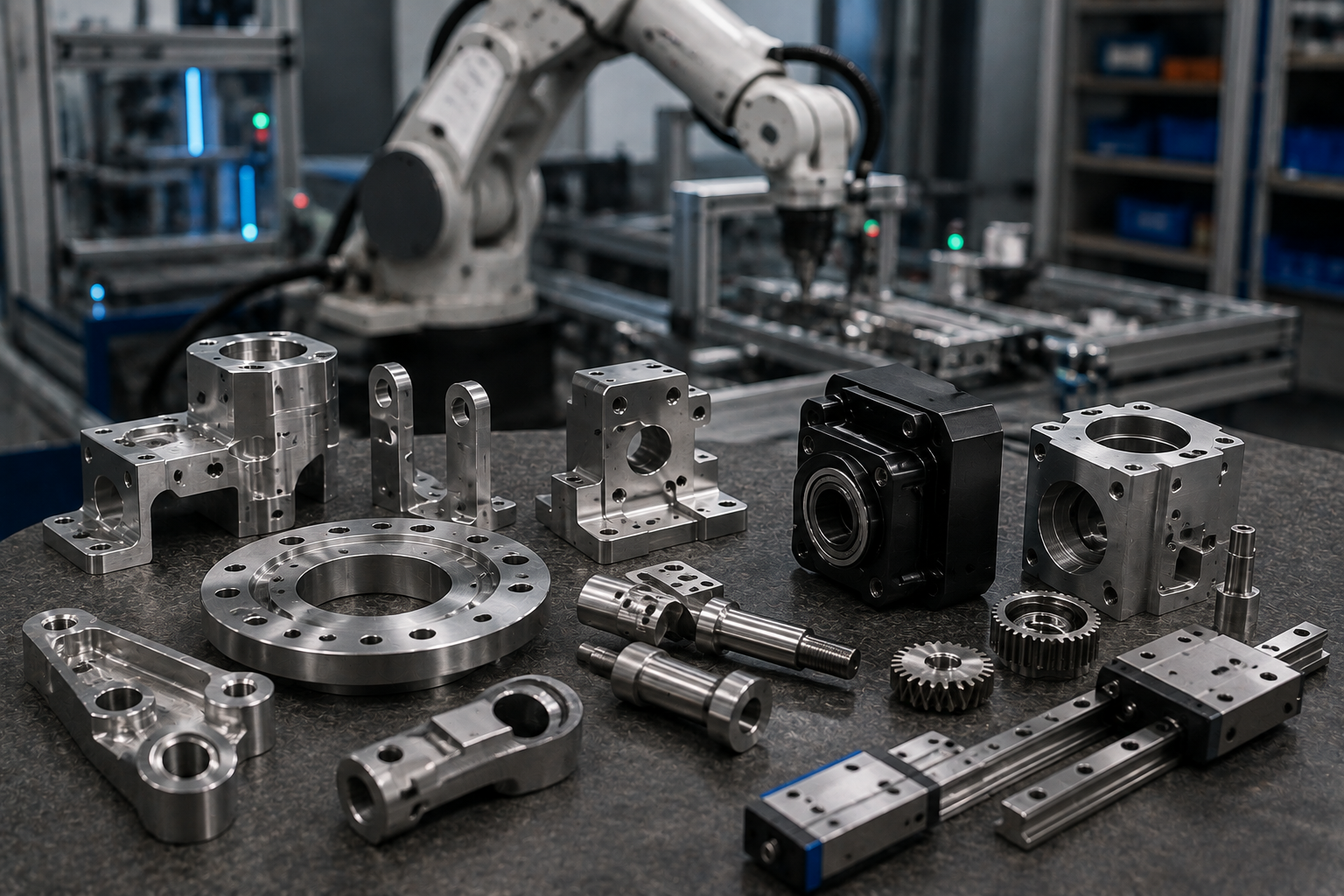
CNC加工部品を米国内の工場から調達するか、中国を拠点とするメーカーから調達するかという決定は、ハードウェアエンジニアリングチームが下す調達上の選択の中でも最も重要なもののひとつであり、2026年においては、近年のいかなる時期よりもその判断は複雑化しています。3つの要因が同時に変化しています。 中国産品に対する米国の関税措置がより厳しく、対象範囲も拡大したこと、中国の一流精密加工業者の品質が米国国内の中堅加工業者にますます近づいていること、そして「中国での生産能力と米国向けのエンジニアリング・サポートを組み合わせた」ハイブリッド型製造モデルが、商用プログラムにとって信頼できる第3の選択肢として成熟してきたことです。.
本ガイドは、エンジニアリングチームや調達マネージャーが、明確な判断を下すための事実に基づく根拠を提供します。2026年の累進関税を含む総コストの算定、サプライヤー階層ごとの品質期待値、輸送時間を考慮した現実的なリードタイム、知的財産(IP)リスクとその実際の要因、さらにはサプライヤーモデルとプロジェクトの種類を対応付ける意思決定フレームワークについて網羅しています。 本ガイドは米国のバイヤー向けに作成されています。英国のバイヤーの場合、関税環境は構造的に異なります(当社の『CNC加工 英国調達ガイド』をご参照ください)。また、UAEのバイヤーは、中国向けの追加関税がなく、GCC(湾岸協力理事会)加盟国に対して一律5%の関税が課されます(当社の『CNC加工 UAE調達ガイド』をご参照ください)。.
XY加工 当社はハイブリッド型メーカーモデルを採用しており、中国に生産拠点を置き、米国向けのエンジニアリングおよびカスタマーサポート体制を整備し、ISO 9001:2015品質マネジメントシステムを導入しています。各調達モデルが優れている点とそうでない点、さらには特定の業務において国内調達を必須とする規制上の厳格な制約についても、透明性を持って開示しています。.
全項目を並べて比較
| 因子 | 米国のCNCサプライヤー | 中国のCNCサプライヤー | ハイブリッド(XY加工) |
| 単価(生産量) | ベースライン(1.0倍) | 30–50% 下部 | 20–40% 下部 |
| 2026年の着陸コスト(関税込み) | 関税なし | 積み重ね課税:多くのHTSコードにおいて、実質的に27–75%+が適用される | 同様の積み上げ方式が適用されます — HTSコードごとに計算してください |
| リードタイム(注文から納品まで) | 5~14営業日 | 10~25日(送料込み) | 7~18日 |
| コミュニケーション | 同じタイムゾーン、英語が母国語 | タイムゾーンの差;英語表現はベンダーによって異なる | 米国向けエンジニアリングチーム |
| IPリスクレベル | 低 — 米国の法制度 | 中程度 — 直接契約および秘密保持契約(NDA)が必要 | メーカーとの直接契約によりリスクを軽減 |
| ITAR規制の対象となる業務 | 入手可能(DDTC登録サプライヤー) | 対象外 — 法律による禁止 | ITAR関連業務の対象外 |
| AS9100 航空宇宙 | 認定販売店にてお取り扱い中 | 通常は入手不可 | ITAR対象外。その他の件についてはお問い合わせください。 |
| ISO 9001 品質マネジメントシステム | 認定店舗での標準仕様 | トップクラスの直販メーカーにおける標準仕様 | ISO 9001:2015 認証取得 |
| 許容能力(最上位レベル) | ±0.005インチ以上 | トップクラスの直接製造メーカーでは±0.005インチ | ±0.005インチ、CMMによる検証済み検査 |
| こんな方に最適 | 防衛、航空宇宙、FDA、緊急配送 | 大量、コスト重視、ITAR対象外 | 商業生産、混合プロセス、スケールアップ |
コスト:30~50%という数字をめぐる疑問と、2026年の関税がそれに与える影響
中国に拠点を置く CNC加工 確立されたトップクラスの直接製造業者による価格は、同等の部品について、量産レベルでは米国国内の業者よりも30~50%安くなっています。これは、人件費の低さ、間接費の削減、そして大規模製造施設における規模の経済によって実現される、確実かつ持続的なコスト優位性です。 しかし、少量生産の場合、この価格差は縮小し、場合によっては逆転することもあります。少量生産では、米国企業の見積もり効率の高さやセットアップにかかる間接費の低さにより、海外からの単価に輸送費やコンプライアンス負担を加えたコストと同等か、それ以下になることが多いためです。また、ITAR(国際武器取引規制)の対象となる業務については、単価にかかわらず海外からの調達自体が法的に禁止されているため、価格差は完全に消滅します。.
2026年の米国のバイヤーにとって重要な計算は、工場出荷単価ではなく、積み重なる輸入関税をすべて含んだ総着荷コストです。中国産の機械加工部品1回の出荷につき、HTS分類に応じて、以下の関税が重畳して適用される可能性があります:
- 最恵国待遇(MFN)の基本関税率:HTS第84章および第73章/第76章に分類される機械加工部品については、具体的な分類に応じて通常0~4%となります。usitc.govの米国国際貿易委員会(USITC)HTSツールにより確認済みです。.
- 第301条に基づく関税:第84章、第85章などに該当するほとんどの産業用機械、機械加工部品、および金属部品に対して25%の追加関税が課される。対象となるHTSコードの最新リストおよび適用中の製品除外事項については、USTR(米国通商代表部)のウェブサイト(ustr.gov)で確認できる。.
- 第122条に基づく相互追加課徴金:2026年2月下旬に発効した、既存の関税に上乗せされる10%の追加課徴金。期間限定の措置であり、2026年半ば時点で現在見直しが進められている。数ヶ月にわたるコストモデルに組み込む際は、現在の状況を確認すること。.
- 第232条に基づく鉄鋼・アルミニウム関税:鉄鋼含有量に対して25%、アルミニウム含有量に対して50%が課され、機械類の品目分類ではなく、鉄鋼またはアルミニウムのHTS品目分類に該当する部品に適用される。2026年初頭に現在の水準に引き上げられた。.
具体例を挙げると、HTS第84章の機械類に分類され、最恵国待遇(MFN)税率が2%のアルミニウム製ブラケットの場合、セクション301に基づく25%の関税とセクション122に基づく10%の関税が課されるため、運賃や通関手数料を除いた実効合計関税率は約37%となる。 工場価格が米国の同等の製品より40%安い場合、正味着荷コストの優位性はおよそ3%となる。これは非常に大量の場合には有意義だが、中程度の数量では海外生産に伴う複雑さを正当化するには不十分である。第76章に分類され、第232条の対象となるアルミニウム部品については、この計算上の優位性はさらに縮小する。.
これには、次のような実践的な対応が求められます。すなわち、海外調達を決定する前に、正しいHTS分類を用いて総着陸コストをモデル化し、認可を受けた通関業者に確認してもらうことです。コストモデルを、工場の単価や単一の推定関税率のみに基づいて作成してはなりません。 2026年の関税政策は急速に変化しています。「第122条」に基づく追加関税には期限が設けられており、「第301条」に基づく製品の適用除外措置のいくつかは見直しが行われており、分類をめぐる紛争も活発に訴訟化されています。利益率が厳しいプログラムについては、四半期ごとに税率を再確認してください。.
コスト面では、他の地域からのオフショア調達の方が構造的に有利です。英国のバイヤーは、ほとんどの機械加工部品に対して、0~4%の英国標準のグローバル関税率が適用されますが、中国向けの懲罰的な追加関税は課されません。英国には、米国通商代表部(USTR)の「セクション301」に相当する措置がそもそも存在しないからです。 UAEのバイヤーは、原産地にかかわらず、一律5%のGCC共通関税が課されます。貴社が複数の市場から調達を行っている場合、2026年時点では、米国に比べて英国およびUAEにおける海外調達によるコスト面での優位性が大幅に大きくなります。.
品質:サプライヤーのランクがすべてを左右する
中国のCNC加工サプライヤー間の品質のばらつきは大きく――米国国内市場よりもさらに大きい――ため、どのレベルの業者と取引するかによって、その経験が素晴らしいものになるか、あるいは悲惨なものになるかが決まります。 「米国の品質対中国の品質」という枠組みでは、この点を完全に見落としている。「トップクラスの直接製造メーカー対、最下層の審査を受けていない工場」という枠組みこそが正しく、この区別は両国に共通して存在する。.
中国市場の最下層では、公開入札プラットフォームやアリババを通じて、資格審査を経ずに調達された未審査の工場が、品質にばらつきのある部品を生産し、不十分な検査書類しか提出せず、部品が規格外であった場合でも有効な責任追及が行われません。この層は、海外での機械加工における品質不良の大部分の原因となっており、いかなる生産プログラムにおいても利用すべきではありません。 この層を回避するための第一歩は、プラットフォームの評価システムに頼るのではなく、特定のメーカーを認定するための作業をしっかりと行うことである。.
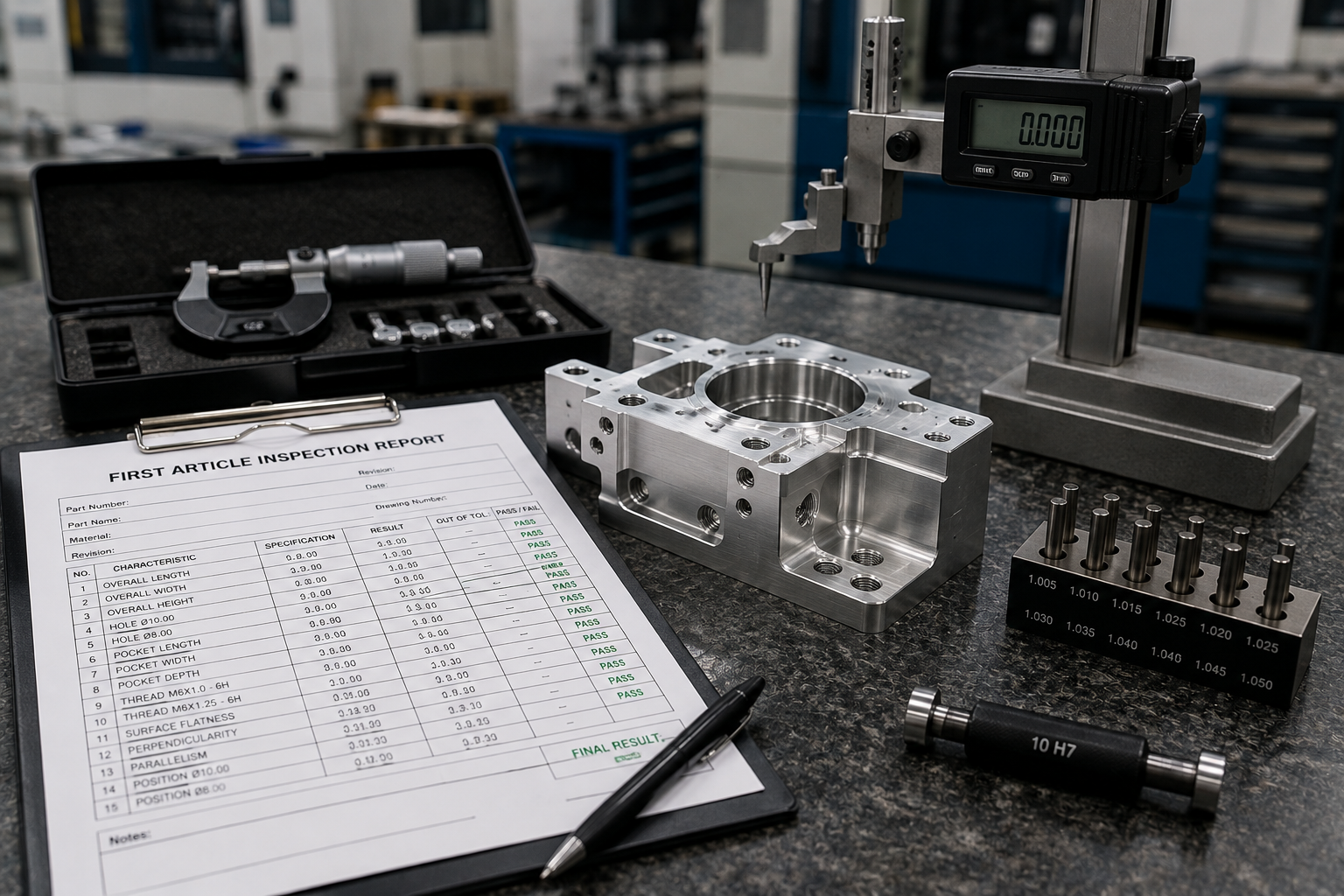
トップクラスのメーカー――ISO 9001:2015品質マネジメントシステムに基づき、校正済みのCMM検査装置、文書化された是正措置プロセス、そして見積もり前にDFMを精査する製造エンジニアを擁する老舗の直接製造メーカー――においては、量産段階での部品品質は、米国中堅の国内メーカーと同等です。 公差は±0.005インチが標準であり、適切な金型を使用すれば、対象となる部位においてこれより厳しい公差も実現可能です。初回製品検査報告書、材料試験証明書、寸法検査報告書は、追加料金を要するオプションではなく、標準的な納品物として提供されます。.
中国の一流メーカーと米国内のサプライヤーの間に依然として存在する品質格差は、主に3つの分野に集中しています。第一に、規制認証です。AS9100 Rev D、特殊プロセスに関するNADCAP認定、FDAの監査受け入れを伴うISO 13485など――米国のサプライヤーは、これらに関する関係構築と監査実績を数十年にわたって築き上げてきました。 第二に、設計段階における技術的なコミュニケーションです。同じタイムゾーンでの共同作業、ネイティブレベルの英語によるDFM(製造性設計)の議論、反復的な設計レビューは、試作段階において米国国内のサプライヤーと行う方が、より迅速かつ円滑に進みます。 第三に、責任の所在です。米国の法域では、国際的な契約執行に比べて品質に関する紛争に対する執行メカニズムの摩擦が少なく、不適合部品のロットが生産スケジュールを脅かすような状況において、これが最も重要となります。.
商業用機械加工(ロボット工学、電子機器筐体、自動車用非規制部品、民生用ハードウェア、産業用機器など)においては、これら3つの課題はいずれも事業を阻害するほどの問題ではありません。商業用途において国内調達を支持する品質面での論点は、主に認証や規制への対応に関するものであり、トップクラスの製造能力そのものに関するものではありません。.
リードタイム:貨物輸送を含む「受注から埠頭到着」までの実態
米国のCNC加工業者では、通常、受注確定から5~14営業日以内に完成品を納品します。また、緊急納品が必要な場合は、追加料金を支払うことで急ぎのサービスを利用することも可能です。国内での標準的なリードタイムである5~10日は、ドア・ツー・ドアベースで海外生産の選択肢と比べても十分に競争力があり、サプライチェーン上の複雑さも一切ありません。.
中国を拠点とするサプライヤーは、通常、7~14営業日で機械加工を完了します。その後、輸送日数が加算されます。中国南部の製造拠点(深セン、東莞、広州周辺)から米国西海岸の港までの海上輸送には14~18日かかり、東海岸の港の場合はさらに5~7日かかります。 航空便はドア・ツー・ドアで3~5日ですが、高密度の機械加工金属部品の場合、1キログラムあたりの運賃が高いため、単価面での優位性の大部分が相殺されてしまう可能性があります。 標準的な航空便の場合、受注から埠頭到着までの総リードタイムは10~20営業日です。海上輸送の場合は25~40営業日となります。.
こうしたリードタイムの現実は、業務に直接的な影響を及ぼします。投資家向けプレゼン用プロトタイプ、展示会の締め切り、緊急の生産停止、あるいは10日以内に部品が必要な設計の反復サイクルなどにおいては、米国国内での調達こそが唯一現実的な選択肢となります。 6~8週間前に発注書が発行される計画的な四半期ごとの生産ロットについては、中国からの海上輸送が計画期間内に収まり、部品1個あたりの輸送コストも許容範囲内です。.
生産プログラムにおける海外調達に伴うリードタイムリスクに対する標準的な対応策は、安全在庫の確保です。中国から生産部品を調達するハードウェアチームは、通常、輸送時間の変動を吸収し、出荷遅延や品質問題による保留から生産スケジュールを守るため、4~8週間分の安全在庫を確保しています。 その在庫の保有コスト(在庫に拘束される資本、倉庫スペース、保険など)は、海外調達と国内調達を評価する際に、総着陸コストの比較に含めるべき実質的なコストである。.
海外への出荷においては、航空便と海上便のどちらを選ぶかが重要な判断ポイントとなります。航空便の1キログラムあたりの運賃は、通常、海上便の8倍から15倍です。少量で軽量な部品の場合、航空便の方が経済的な場合もあります。 生産量のある高密度の機械加工金属部品の場合、定期的な補充にはほぼ常に海上輸送が適切な選択肢となり、航空輸送は緊急の補充や初回試作品に限定されます。.
知的財産の保護:サプライヤーとの関係が鍵となる
CNC加工における知的財産リスクは、主に製造国ではなく、サプライヤーとの関係の在り方によって左右されます。実際に知的財産リスクを決定づける要因は、技術データを受け取る当事者の数、その取り扱いに関する契約上の保護措置の内容、そして、それらの当事者が、不正使用を行った場合に多大な損失を被るような十分な評判的・商業的リスクにさらされているかどうかです。これらの要因は、地理的な要因とは無関係です。.
世界の製造業において、知的財産(IP)リスクが最も高い環境は、オープン入札型マーケットプレイスです。これは、図面やCADファイルを掲載すると、複数の工場がその仕事に対して入札を行うプラットフォームのことです。 このモデルでは、貴社の技術データが不特定多数の製造業者に配布されますが、それらの業者はいずれも貴社と直接的な契約関係にないため、プラットフォームの利用規約のみに準拠することになります。これにより、どの国においても高い知的財産リスクが生じます。同様のリスク構造は、明確な契約の連鎖がない仲介業者による取り決めにも当てはまります。この場合、貴社のデータは、サプライヤーが直接把握できない形で仲介業者を経由することになります。.
リスクが最も低いオフショア環境とは、署名済みの秘密保持契約(NDA)および、知的財産権の帰属、技術データの取り扱い、製造の独占権、守秘義務について明示的に規定した基本サービス契約に基づいて管理される、製造業者との直接かつ明確な関係です。 この仕組みでは、知的財産リスクのプロファイルは、米国内の工場との直接取引と同等となります。つまり、製造業者とのビジネス関係全体、ひいては製造業者の評判そのものが、守秘義務の遵守にかかっているのです。XY Machining社は、NDAおよびサービス契約に基づく顧客との直接取引を標準的な業務慣行として運営しています。.
知的財産上の機密性が高い設計に対する追加の保護措置:主要な機能寸法を省略した不完全な図面を提出するか、または設計を複数のサプライヤーに分割して、どのサプライヤーも完全な組立品を保有しないようにする; 最終組立または独自のサブアセンブリを国内に留保する;中国メーカーに図面を提出する前に、中国で意匠登録を行うこと――中国の特許法は登録された知的財産を保護しており、登録を行うことで、秘密保持契約(NDA)のみの場合よりもはるかに強力な権利行使の基盤が築かれる。これらの措置はプロセスの負担を増大させるが、真に競争上の機密性が高い設計においては標準的な慣行である。.
米国の防衛関連請負業者にとって、DFARS条項252.204-7012(対象防衛情報の保護)は、対象防衛情報(CDI)および管理対象非機密情報(CUI)の取り扱い、保管、および送信に関する具体的な要件を定めています。 これらの要件により、特定の承認がない限り、DFARSの対象となる技術データを米国本土外のシステム上、または米国本土外の当事者に対して保存または送信することが事実上禁止されています。これは一般的な知的財産(IP)リスクとは別のコンプライアンス上の義務であり、海外サプライヤーとの契約関係の質にかかわらず適用されます。.
関税リスク:実態を把握する
中国産品に対する第301条に基づく関税は2018年から実施されており、その間、対象範囲の拡大や変更が行われてきた。2026年半ば時点で、米国の購入者が中国産の機械加工部品に支払う実効関税率は、そのHTS分類によって異なり、HTS分類が「主要な影響対象品目」以外に分類されるか、または「適用除外品目」が指定されている部品については約10% (適用除外措置の対象となっている部品、または主要な対象品目分類外に分類される部品の場合)から、セクション301およびセクション232の両方の対象となる鉄鋼またはアルミニウム含有部品の場合の50%を大幅に上回るものまで、幅がある。.
正確なコストモデリングにおいて最も重要なのは、着陸コストモデルを構築する前に、HTS分類を正しく行うことです。分類の誤り(意図的な過少申告であれ、純粋な誤りであれ)は、米国税関・国境警備局(CBP)から未納関税額の最大4倍に相当する罰金が科されるほか、貨物の差し止めや没収につながる可能性があります。 認可を受けた通関業者は、新しい部品タイプについて初回輸入前に分類を行うべきであり、関税政策の変更が既存の分類に影響を与える場合は、改めて相談を行う必要があります。.
これらの関税が積み重なる仕組みが重要となる。最恵国待遇(MFN)関税2%、セクション301に基づく関税25%、およびセクション122に基づく追加関税10%が合算されると、申告通関価格に対する実効税率は約37%となる。 工場価格が米国の同等の製品より40%安い部品の場合、これによって得られる正味着荷コスト上の優位性は約3%となる――確かに優位性はあるが、その幅は狭い。 工場価格が米国国内品より50%安い部品の場合、同じ累積関税が適用された後の純コスト優位性は約13%となる。工場価格の割引率が高ければ高いほど、累積関税を吸収しつつコスト優位性を維持できる余地が大きくなる。.
多くの米国の調達チームは、2026年の関税環境に対応するため、地理的な分散化戦略を打ち出しています。具体的には、USMCA加盟国(メキシコおよびカナダ。これらの国では、ほとんどの品目についてセクション301やセクション232に基づく追加関税が課されません)、ベトナム、あるいは中国を対象とした措置の対象外となるその他の国々において、認定サプライヤーを確保しています。 機械加工部品に関しては、特にメキシコが自動車およびエレクトロニクス産業において高度な精密機械加工能力を確立しており、USMCAでは適格品目に対して無関税待遇が適用される。これは即効性のある対策というよりは長期的な構造的対応であり(サプライヤーの認定には時間を要する)、しかし、安定した発注量があり、関税の影響を受けやすい利益率を持つプログラムにおいては、地理的多角化を検討する価値がある。.
ハイブリッドメーカーモデルが優位に立つ場面
このハイブリッド型メーカーモデル――中国に生産拠点を置き、米国向けのエンジニアリング、技術コミュニケーション、顧客サポートを提供する――は、純粋な国内調達や純粋な中国直輸入のいずれでも十分に満たせない、特定の購入者層のニーズに応えるために存在している。.
純粋な国内バイヤーにとっては、現地に責任の所在が明確で、輸送費や関税に関する複雑な手続きがない地元の店舗が最適です。 純粋な中国直輸入のバイヤーは、海外サプライヤー管理に精通した社内調達チームを擁しているか、あるいはその複雑さを管理する価値があるほどの十分な調達量を持っているかのいずれかです。ハイブリッドモデルは、中国での生産量によるコストメリットを必要としながらも、海外サプライヤーとの関係を直接管理するためのインフラや意欲に欠け、かつ国内調達を義務付ける規制上の制約に直面していないバイヤーを対象としています。.
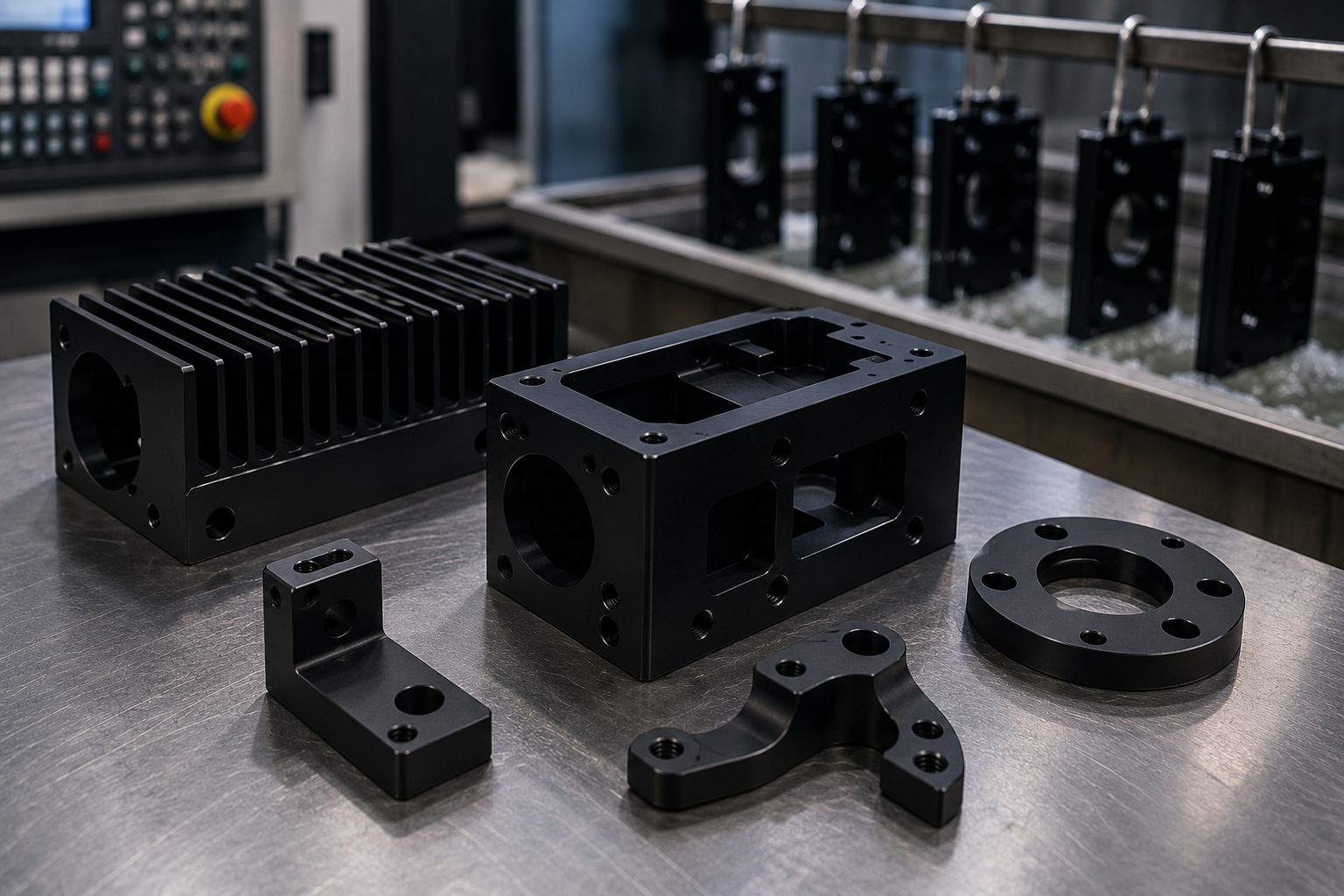
XY Machiningの このモデルが提供するメリット:中国拠点での製造による量産レベルのコスト優位性、英語ネイティブによる技術文書作成およびDFMレビュー、マーケットプレイスや仲介業者を介さないメーカーとの直接取引(NDAおよびサービス契約を標準として締結)、 文書化された検査および材料認証を備えたISO 9001:2015品質マネジメントシステム;そして、単一の品質マネジメントシステムの下で、CNC加工、射出成形、板金加工、表面処理を網羅する多工程対応能力。.
ハイブリッドモデルは、すべてのプロジェクトに適しているわけではありません。ITAR(国際武器取引規制)の対象となる防衛関連業務については、DDTCに登録された米国国内のサプライヤーが必須であり、ハイブリッドやオフショアの選択肢は存在しません。 NADCAPの特殊プロセス認定を必要とするAS9100航空宇宙プログラムにおいては、米国国内のサプライヤーは、海外では再現が困難な認証や監査へのアクセスという点で優位性を持ちます。1~3日での緊急納品については、海外オプションでは国内の工場に太刀打ちできません。 しかし、ロボット工学、エレクトロニクス、自動車(規制対象外)、医療(FDA規制対象外)、民生用ハードウェア、産業用機器にわたる商業生産においては、2026年の関税および運賃を考慮した後でも、ハイブリッドモデルは通常、同等の米国国内調達に比べて20~40%低い総コストを実現します。.
意思決定フレームワーク:プロジェクトの種類とサプライヤーモデルの適合
| プロジェクト概要 | 推奨サプライヤーモデル | 主な理由 |
| ITARまたはEARの規制対象となる防衛・輸出関連業務 | 米国国内、DDTC登録済み | 法的要件 — 例外は認められません |
| AS9100航空宇宙規格およびNADCAP特別工程 | 米国国内、AS9100およびNADCAP認証取得 | 規制当局による認証および監査へのアクセス |
| FDAの規制対象となる医療機器(ISO 13485) | 米国国内、またはISO 13485認証を取得した海外拠点 | 規制監査へのアクセスとトレーサビリティ |
| 5日以内の配送要件 | 米国国内または現地の製造業者 | 貨物の輸送時間が長いため、海外からの輸入は困難である |
| 量産、年間500~5万個 | ハイブリッド(XYマシニング)または中国からのトップクラスの直輸入 | 知的財産権の保護を兼ねた、最も有利な着陸コスト |
| 大量生産、コスト重視、規制上の制約なし | 中国の一流の直接製造メーカー | 規模拡大に伴う最大単位コスト優位性 |
| 複合加工(CNC+板金+成形) | ハイブリッド(XY加工) | サプライヤー1社、品質管理システム(QMS)1つ、引き継ぎの回数が少ない |
| スタートアップのハードウェアのスケールアップ:試作から量産まで | ハイブリッド(XY加工) | ライフサイクルの各段階を通じて一貫して取引するサプライヤー |
| 価格に敏感で、販売量が持続的に高い | USMCA加盟国(メキシコ/カナダ)のサプライヤー、または国内のサプライヤー | USMCAに基づく免税または低関税での市場アクセス |
よくある質問
中国でのCNC加工は、知的財産の観点から安全なのでしょうか?
審査済みの直接製造業者との取引、署名済みの秘密保持契約(NDA)、および知的財産権の帰属や技術データの取り扱いに関する基本サービス契約があれば、中国のサプライヤーとの直接取引における知的財産リスクは、米国内の業者との取引と同程度になります。 リスクが最も高くなるのは、公開入札型マーケットプレイスや、審査済みのアリババサプライヤーを利用する場合です。こうした場合、CADデータが直接的な契約関係のない複数の当事者に渡ってしまうからです。特定のメーカーと直接取引を行うようにしてください。競争上の機密性が高い設計については、図面を提出する前に中国で関連特許を出願し、主要な機能寸法をサプライヤー間で分割した不完全な図面を提出することを検討してください。.
2026年の関税は、米国のバイヤーにとって中国のCNC加工コストにどのような影響を与えるのでしょうか?
重要なのは、これらの措置が積み重なるという点だ。 セクション301に基づく25%の関税、セクション122に基づく10%の追加課徴金(2026年半ばまで期間限定)、および鉄鋼(25%)とアルミニウム(50%)に対するセクション232に基づく関税は、HTS分類によっては1つの貨物に対して重複して適用される可能性があります。 関税と運賃を合算した結果、対象となるHTSコードにおいて、米国国内調達と比較した正味着荷コストの優位性は3~15%程度となる可能性がある。これは大量調達では実質的なメリットとなるが、少量調達では海外調達の複雑さを正当化するには不十分である。調達決定を行う前に、認可を受けた通関業者に確認した正しいHTS分類を用いて、正味着荷コストを算出すること。.
ITAR規制対象の部品は、中国で機械加工することができますか?
いいえ。米国軍需品リスト(USML)に基づき規制対象となる部品、技術データ、またはサービスについては、DDTCへの登録およびITARの遵守が義務付けられています。ITARの規制対象となる技術データを、中国の製造業者を含む外国籍の個人または外国の事業体と共有することは、輸出に該当し、適用される免除規定がない限り、国務省からの特定の輸出許可が必要となります。 実際には、ITARの規制対象となる機械加工業務は、米国に拠点を置き、DDTCに登録された施設で行う必要があります。これは法的遵守要件であり、違反した場合には重大な民事および刑事上の罰則が科されます。これは単なる好みや品質上の考慮事項ではありません。.
米国と中国のトップクラスのCNCサプライヤー間には、実際にどのような品質の差があるのでしょうか?
ISO 9001:2015品質マネジメントシステムに基づき、校正済みの検査機器を運用する厳選されたトップクラスのサプライヤー間では、量産段階における部品の品質は同等の水準にあります。両社とも、標準的な機械加工部材において±0.005インチの公差を日常的に達成しており、初回製品検査報告書および材料証明書を標準的な納品物として提供しています。 決定的な違いは、AS9100、NADCAP、ISO 13485といった規制認証において現れます。この分野では、米国のサプライヤーが確立された監査実績を有しています。また、試作設計段階における同一タイムゾーンでの技術的なコミュニケーション、そして市場の最下層において、両国の審査を受けていない工場が不安定な成果しか出せない点にも違いが見られます。.
中国からの配送には実際どれくらい時間がかかり、送料はいくらですか?
中国南部の製造拠点から米国西海岸の港までの海上輸送の所要日数は、通常14~18日です。東海岸の港の場合は、さらに5~7日かかります。航空輸送の場合は、ドア・ツー・ドアで3~5日かかります。 受注から埠頭到着までの総リードタイムは、航空便の場合10~20営業日、海上便の場合は25~40営業日であり、これには機械加工時間も含まれます。同一航路の場合、海上輸送の1キログラムあたりのコストは、通常、航空便の8~15分の1です。 高密度の機械加工済み金属部品の場合、生産用補充には海上輸送が標準的な選択肢となります。航空輸送は緊急の補充に限定されます。XY Machiningを含む多くのメーカーは、通関手続きを納品価格に組み込んだDDP(Delivered Duty Paid:関税込み納品)配送を提供しており、通関手続きを直接行いたくないバイヤーにとって、輸入プロセスを簡素化しています。.