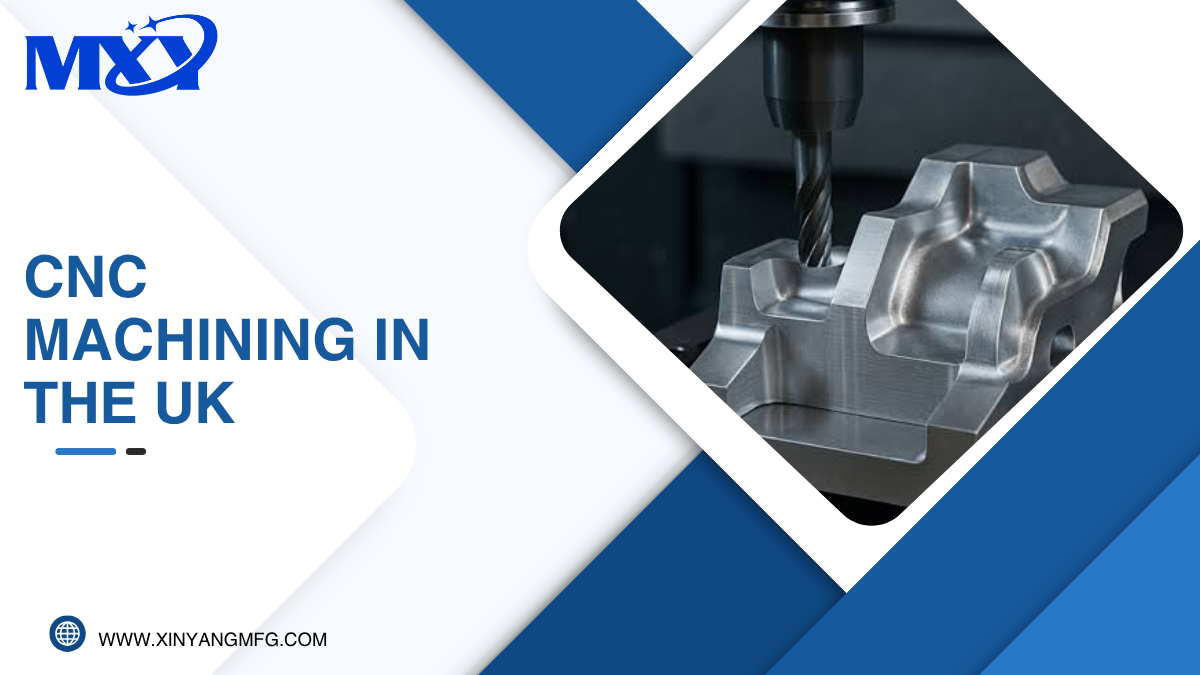
英国でのプロジェクト向けにCNC加工部品を調達する際には、3つの要素を同時に考慮する必要があります。それは、当該業界で求められる技術基準や品質管理システムの認証、輸入関税や付加価値税(VAT)を考慮した実際の着荷コスト、そして明確なコミュニケーションを取り、納期通りに納品してくれるサプライヤーです。.
2026年の英国の買い手にとって、貿易環境は同種の市場に比べて構造的に有利である。 英国は、米国のセクション301制度に匹敵するような中国向けの懲罰的関税を課しておらず、中国からの機械加工部品は英国の標準的な「グローバル関税表」に基づいて輸入され、ほとんどの機械・部品カテゴリーでは一桁台前半の低い関税率が適用される。 さらに、国境での輸入VATの支払いを不要にする「VAT会計の繰り延べ」制度と相まって、VAT登録済みの企業であれば、輸入に伴うキャッシュフロー上のコストは管理可能な範囲に収まります。.
このガイドでは、英国のエンジニアが評価すべきあらゆる側面を網羅しています。具体的には、仕様書に記載すべき規格、gov.uk や HMRC のガイダンスを参照した 2026 年の関税および VAT の取り扱い、最も厳しい要件が課される業界、そしてサプライヤー審査チェックリストなどです。XY Machining は以下を提供しています。 CNC加工サービス, 射出成形, 板金, 、および 3Dプリント 英国のエンジニアリングチーム向けですが、この記事の指針は、評価対象となるあらゆるサプライヤーに適用されます。.
英国のエンジニアリングに関する規格および仕様
英国の設計図面はメートル法を採用しており、BS ENおよびISO規格に準拠しています。ISO 2768は、一般的な公差表記に関する規格であり、直線寸法および角度寸法について、細(f)から極粗(v)までのクラスを定義しています。 図面のタイトルブロックに許容差クラスを明記すること(例えば、中程度の場合は「ISO 2768-m」と表記)は、許容差が指定されていないすべての寸法に対する基準を確立するものであり、世界中の有能な機械加工業者であれば誰でも理解できるものです。.
ISO 9001は、品質管理の基準となります。これは、サプライヤーが受注管理、生産計画、検査、是正措置について、文書化され、監査可能なプロセスを整備していることを証明するものです。ほとんどの商業業務において、ISO 9001は最低限受け入れられる品質システムです。.
規制対象の業界では、要件がさらに厳しくなります。AS9100は航空宇宙分野の品質マネジメント規格であり、ISO 9001の要件に加え、トレーサビリティ、初回製品検査、リスクマネジメント、設計権限の管理に関する追加要件が盛り込まれています。英国の航空宇宙分野のプライムコントラクターやティア1サプライヤーは、通常、この規格の取得を義務付けています。 ISO 13485は医療機器を規定する規格であり、設計管理、製品履歴記録、滅菌バリデーションに関する要件は、ISO 9001の要件を大幅に上回っています。IATF 16949は自動車の生産部品およびサービス部品に適用され、統計的工程管理、測定システム分析、およびPPAP(生産部品承認プロセス)に関する要件が含まれています。.
規制の対象となるあらゆる製品において、ブレグジット後の適合性には注意が必要です。英国で販売される多くの製品において、CEマーキングだけでは不十分となっています。機械、圧力機器、医療機器など、旧EU「ニューアプローチ指令」の対象となる規制製品のほとんどについて、現在はUKCA(UK Conformity Assessed)マーキングが義務付けられています。 特定のカテゴリーについては、CEマークの有効性が一時的に延長されていますが、現在の状況は定期的に変化しています。製品の設計を確定する前に、gov.ukを通じて適用される適合性評価のルートを必ず確認してください。.
2026年の輸入関税と付加価値税
英国は中国と自由貿易協定を結んでいないため、中国製の商品は英国のグローバル関税表に基づいて輸入されます。機械および機械加工部品の場合、関税率は当該部品の調和制度(HS)品目コードによって決まります。 税率は概して低く、一部の機械工学分野では0%、その他の分野では2~4%となっています。技術者は、gov.ukの「UK Trade Tariff」ツールで品目コードを検索し、各HS分類に現在適用されている税率を確認することで、自社の部品に適用される正確な税率を把握する必要があります。.
中国を対象とした懲罰的関税が課されていないことは、米国市場と比較して大きなコスト上の優位性となっている。米国の「セクション301」に基づき、中国製品に対する追加関税は25%から、一部の品目では100%以上に及ぶ。 中国から機械加工済みアルミニウム部品を輸入する英国のバイヤーは、標準的なグローバル関税率を支払うのに対し、同じ部品を購入する米国のバイヤーは、通常の最恵国待遇(MFN)関税に加えて25%以上の関税を支払うことになる。この構造的な違いが、英国のバイヤーにとって、海外で製造された部品の競争力を支えている。.
輸入VATは、関税評価額に関税を加えた金額に対して20%の税率で課されます。VAT登録企業の場合、輸入VATは次回のVAT申告において仕入税額として還付を受けることができるため、恒久的なコストではなく、一時的なコストとなります。 英国のVAT登録済みのすべての輸入業者が利用できる「VAT会計の繰り延べ(PVA)」制度により、企業は輸入時点でVATを支払うのではなく、VAT申告書上で輸入VATを計上することができます。これにより、定期的に輸入を行う企業のキャッシュフローが大幅に改善されます。.
英国への輸入に関する実務上の要件:gov.uk を通じて HMRC から取得可能な GB EORI(経済事業者登録・識別)番号(輸入を行う前に取得必須);誤申告による罰則を避けるための商品の正しい HS 分類;インコタームズが明記された商業送り状;および、複雑または納期が厳しい貨物については通関業者。 海外のサプライヤーからDDP(Delivered Duty Paid:関税込み渡し)の提案を受けた場合は、輸入申告書の写しを別途請求し、VAT(付加価値税)の確認と還付手続きを行えるようにしてください。.
英国における機械加工需要の高い業種
航空宇宙産業は、売上高ベースで英国最大の精密機械加工分野です。大手プライムコントラクターや、充実したティア1およびティア2のサプライチェーンにより、完全な材料トレーサビリティ、初回製品検査報告書、場合によっては熱処理や非破壊検査などの特殊工程に対するNADCAP認定を備えた、AS9100認証取得サプライヤーへの需要が生まれています。 飛行安全分類に該当する部品については、原材料から完成部品に至るまでの管理履歴が文書化されていることが求められます。.
モータースポーツおよび高性能自動車、特に英国を拠点とする モータースポーツ・クラスター ノーサンプトンシャーおよび近隣諸県では、厳しい公差と迅速な開発サイクルが特に重視されています。多くのチームは、正式な品質マネジメントシステム(QMS)の認証ではなく、顧客ごとにカスタマイズされた品質計画に基づいて業務を行っていますが、寸法精度、材料のトレーサビリティ、および納期の確実性は、決して妥協できない要件となっています。.
医療機器には、ISO 13485の適合、ISO 14971に基づく設計リスク管理文書、そして多くの場合、特定の表面仕上げや清浄度に関する要件が求められます。無菌医療機器や体内に埋め込む医療機器の部品は、最も厳しい要件が課されます。CEマークまたはUKCAマークの表示に関する規制上の義務は完成品に課されますが、文書化の要件は部品レベルにまで及んでいます。.
防衛、エネルギー、そして成長を続ける先端製造・ロボット工学分野が英国の需要を構成しており、各分野には業界特有の資材、書類、場合によってはセキュリティ要件が存在するため、これらについては当初の段階で潜在的なサプライヤーと明確にしておく必要があります。.
英国でのプロジェクトに向けたCNC加工業者の選定方法
- 能力:サプライヤーが、貴社の部品に求められる公差を満たすよう材料を加工していることを確認すること。また、用途に応じて、CMMを含む校正済みの検査機器を保有していることも確認すること。
- 品質認証:サプライヤーの主張だけでなく、発行機関の登録簿と照らし合わせて、現在の認証(AS9100、ISO 13485、またはISO 9001など、該当するもの)を確認すること
- 資料:類似した過去の案件について、検査報告書のサンプル、材料試験証明書、および初回製品検査書類を請求する
- 着荷価格:関税およびVATを含む完全納品価格での見積もりを比較してください。運賃、関税、仲介手数料を考慮していない、工場出荷価格が安くても、総コストが最も安くなるとは限りません。
- 物流:インコタームズの明確化、英国での通関手続きを担当する主体、現実的な海上・航空輸送所要日数、およびサプライヤーが英国への輸送ルートを確立しているかどうかの確認
- DFMに関するフィードバック:加工前に図面を確認し、製造上の問題を指摘してくれるサプライヤーがいれば、コストのかかる修正作業を回避できます。これは、特に試作開発の段階で大きな価値があります。
XY Machiningが英国のエンジニアに提供するサービス
XY Machiningは、英国のエンジニアリングチームに対し、試作から量産に至るまで、CNC加工、射出成形、板金加工、3Dプリントのサービスを提供しています。 すべての受注は、図面の確認とDFM(製造適性設計)に関するフィードバックから始まり、文書化された検査を経て生産が進められ、材料証明書および寸法報告書とともに納品されます。英国における機械加工部品の関税は、同種の市場と比較して比較的低く設定されており、当社の価格設定では、比較が容易になるよう、総着陸コストを反映しています。図面をアップロードいただければ、即座に見積もりとDFMに関するフィードバックをご提供いたします。.
よくある質問
海外から英国へCNC加工部品を輸入する場合、費用はどれくらいかかりますか?
関税率は、部品の品目コードによって異なります。英国のグローバル関税表によれば、ほとんどの機械および機械加工部品には、1桁台前半の低い関税率が適用され、一部の機械工学分野では0%となっています。 関税に加え、輸入付加価値税(VAT)は、関税評価額に関税を加えた金額に対して20%が課されます。VAT登録企業の場合、輸入VATは還付可能であり、「VAT会計の繰り延べ」制度により、国境での支払いは不要となります。実質的に回収不能となるコストは、関税率と運賃となります。.
英国は中国の機械加工部品に対して追加関税を課しているのでしょうか?
いいえ。米国とは異なり、英国では中国を対象とした懲罰的関税は課されていません。中国製品は英国の標準的な「グローバル関税表」に基づいて輸入され、機械や機械加工部品には通常、比較的低い関税率が適用されます。これは、英国と米国での調達コストを比較するバイヤーにとって、大きなコスト差となります。.
英国向けのCNC加工部品には、どのような規格を指定すべきでしょうか?
一般的な公差についてはISO 2768を、品質管理の基準としてはISO 9001を参照したメートル法の図面を使用してください。 航空宇宙分野にはAS9100、医療機器にはISO 13485、自動車用生産部品にはIATF 16949を追加してください。設計を確定する前に、完成品に対するUKCAマーキングの要件を確認してください。.
機械加工部品を輸入するには、EORI番号は必要ですか?
はい。英国の通関手続きにはGB EORI番号が必要であり、輸入前にgov.ukを通じてHMRCから取得する必要があります。「VAT会計の繰り延べ(Postponed VAT Accounting)」を利用すれば、国境でVATを支払う代わりに、VAT申告書で輸入VATを計上することができます。EORI番号を取得したら、別途この制度への登録を行ってください。.
2026年においても、英国のバイヤーにとって海外でのCNC加工は依然として費用対効果が高いのでしょうか?
多くの用途において、その通りです。英国の機械類に対するグローバル関税は低く、中国向けの追加関税もなく、VAT会計の繰り延べ制度によりキャッシュフロー上の負担が軽減されます。 重要なのは、単価だけでなく、工場出荷価格に運賃、関税、通関手数料、およびVATの計上時期を加えた「総着荷コスト」で比較することです。適切な書類とリードタイムの要件が満たされれば、海外での機械加工は英国のバイヤーにとって競争力のある総コストを実現します。.