板金加工には、平らな金属板を完成部品へと加工するために用いられる8つの主要な工程が含まれます。(1) レーザー切断、(2) ウォータージェット切断、 (3) プラズマ切断、(4) パンチングおよびスタンピング、(5) 曲げおよび成形、(6) 深絞り、(7) 溶接および接合、そして (8) バリ取り、陽極酸化処理、粉体塗装を含む仕上げ工程です。各工程には、それぞれ固有の公差能力、材料厚さの範囲、およびコスト面での特徴があります。 現代の板金加工工場では、完成部品を製造するために、これらの工程のうち3~5つを順次組み合わせています。典型的なワークフローは、レーザー切断 → バリ取り → 曲げ → 溶接 → 仕上げです。 達成可能な公差範囲は、レーザー切断の±0.005インチ(0.13 mm)から、精密プレス加工の±0.001インチまでであり、板厚は0.005インチの箔から0.5インチの板材まで対応可能です。.
板金加工の8つの工程を一目で把握
| プロセス | 材料の厚さ | 寛容 | 一般的な費用 |
|---|---|---|---|
| レーザー切断(ファイバー) | 0.020~0.5インチ | ±0.005インチ | $$ |
| ウォータージェット切断 | 0.010~6インチ | ±0.005インチ | $$$ |
| プラズマ切断 | 0.060~2インチ | ±0.020インチ | $ |
| パンチング/スタンピング | 0.020~0.25インチ | ±0.001~0.005インチ | $(高電圧) |
| 曲げ・成形 | 0.010~0.5インチ | ±0.5°の角度 | $ |
| 深絞り | 0.005~0.25インチ | ±0.005インチ | $$(高音量) |
| 溶接(TIG/MIG/スポット溶接) | 0.020~0.5インチ | ±0.030インチ | $ |
| 表面処理(陽極酸化、粉体塗装) | すべて | 化粧品 | $ |
1. レーザー切断
レーザー切断では、集束されたビーム(通常は2~12 kWのファイバーレーザー、または2~6 kWのCO₂レーザー)を用いて、プログラムされた経路に沿って材料を気化させます。ファイバーレーザーが主流となっています。 板金 0.5インチ未満であり、切断速度が3~4倍速く、エネルギー消費量が40~60%低いため、鋼材の切断においてCO₂レーザーにほぼ取って代わっている。.
公差範囲は、標準的なファイバーレーザーでは±0.005インチ(0.127 mm)、オートフォーカスおよび適応光学系を備えたハイエンド機種では±0.002インチ(0.050 mm)です。 切断幅は、出力や材料に応じて0.004~0.012インチです。熱影響部(HAZ)は通常0.003~0.010インチであり、ほとんどの構造用途において機械的特性に影響を与えないほど小さいです。 切断可能な材料には、炭素鋼(12 kWで最大0.75インチ)、ステンレス鋼(最大0.5インチ)、 アルミニウム(最大0.5インチ)、真鍮および銅(最大0.25インチ、反射率が高いため特別なレンズ設定が必要)、チタンなどがあります。.
2. ウォータージェット切断
ウォータージェット切断では、研磨剤であるガーネットを混合した高圧の水流(通常60,000~90,000 PSI)を用いて、材料を削り取ります。これとは異なり、 レーザー切断, ウォータージェット加工では熱影響域がゼロとなるため、材料の焼き戻し状態を維持し、熱に敏感な合金における歪みを防ぐことができます。.
公差は、標準的なウォータージェットでは±0.005インチ(0.13 mm)ですが、動圧式精密システムでは±0.002インチに厳格化されます。 切断幅は0.025~0.045インチと、レーザーよりも広くなります。材料の厚さ範囲は、あらゆる板金加工プロセスの中で最も広く、0.010インチの箔から6インチの鋼板、あるいは石材やセラミックでは8インチ以上まで対応可能です。 熱に敏感な合金(アルミニウムハニカム、航空宇宙用チタン、焼入れ工具鋼)、複合材料(炭素繊維、ガラス繊維)、およびレーザー加工では歪みが生じやすい複数のシートを積層した材料に最適です。.
3. プラズマ切断
プラズマ切断は、20,000~50,000°Fの高温に加熱された高速のイオン化ガス流(通常は窒素、アルゴン、または圧縮空気)を用いて、導電性材料を切断する手法です。レーザーやウォータージェットに比べて精度は劣りますが、厚い炭素鋼の切断においては、コストが大幅に安くなります。.
公差は、標準的なプラズマでは±0.020インチ(0.5 mm)ですが、高解像度(HD)プラズマシステムでは±0.010インチに厳格化されます。 切断幅は0.060~0.150インチと広い。レーザー加工では採算が取れなくなる厚さ0.060~2インチの炭素鋼やステンレス鋼に最適である。精密板金加工というよりは、大型構造物、構造用鋼材、造船分野で一般的に用いられる。.
4. パンチングおよびスタンピング
パンチングとは、機械式または油圧式のプレス機を用いて、焼入れ処理された工具鋼製のパンチを板材を通して金型に打ち込み、穴や所定の形状を切り抜く加工方法です。スタンピングは、パンチング、ブランキング、ピアシング、ランシング、エンボス加工、コインングなどを含むより広範なカテゴリーであり、通常、大量生産のために順送金型で組み合わせて行われます。.
タレットパンチプレスでの公差範囲は±0.005インチですが、焼入れ工具を用いた精密プレス加工では±0.001インチまで厳格化されます。一般的な板金加工における材料の厚さは0.020~0.25インチです。金型コストは高額ですが (順送金型の場合、$5,000~$50,000以上)ですが、量産レベルでは部品当たりのコストがあらゆる板金加工プロセスの中で最も低いため、プレス加工は自動車のボディパネル、電子機器の筐体、家電製品の本体、および年間生産台数が約10,000個を超えるあらゆる部品の標準的な製造方法となっています。.
5. 曲げ加工および成形
板金の曲げ加工では、プレスブレーキを用いて、成形金型周囲で材料を塑性変形させます。曲げ角度はラムの沈み込み量によって制御され、曲げ半径は金型の形状によって制御され、曲げ余裕は材料の厚さ、K係数(硬度に応じて通常0.33~0.45)、および内側曲げ半径から算出されます。.
標準公差は、角度で±0.5°、直線寸法で±0.010インチです。適応型クラウニング機能とレーザー角度測定機能を備えた高精度CNCプレスブレーキでは、±0.1°および±0.005インチの精度を実現しています。 一般的な曲げ加工には、エアベンディング(最も柔軟性が高く、公差は中程度)、ボトムベンディング(角度制御が厳密)、およびコイニング(公差が最も厳密で、金型の摩耗が最も大きい)があります。 推奨材料:最小内側曲げ半径は、通常、軟質アルミニウムで 1.0t、半硬質アルミニウムで 1.5t、ステンレス 304/316 で 2.0t、軟鋼で 1.5t です。ここで、t は材料の厚さです。.
6. 深絞り
深絞り加工では、油圧プレスを使用して板金を金型のキャビティに押し込み、平らなブランクから中空のカップや箱を成形します。円筒形の容器や台所の流し台などに広く用いられており、, 消火器本体, 、および民生用電子機器の筐体。.
成形限界とは、引抜き比(D/d。ここで、Dはブランク径、dは完成径)のことです。通常、1回の引抜きで1.6~2.2の範囲ですが、より深い形状の部品の場合は、複数の引抜き工程と中間焼鈍が必要となります。 公差は、重要寸法で±0.005インチ、全高で±0.020インチである。金型コストは高いが、量産時には1個あたりのコストが非常に低くなるため、溶接継手のないシームレスな円筒形または矩形形状が求められる部品において、深絞り加工は標準的な製造方法となっている。.
7. 溶接および接合
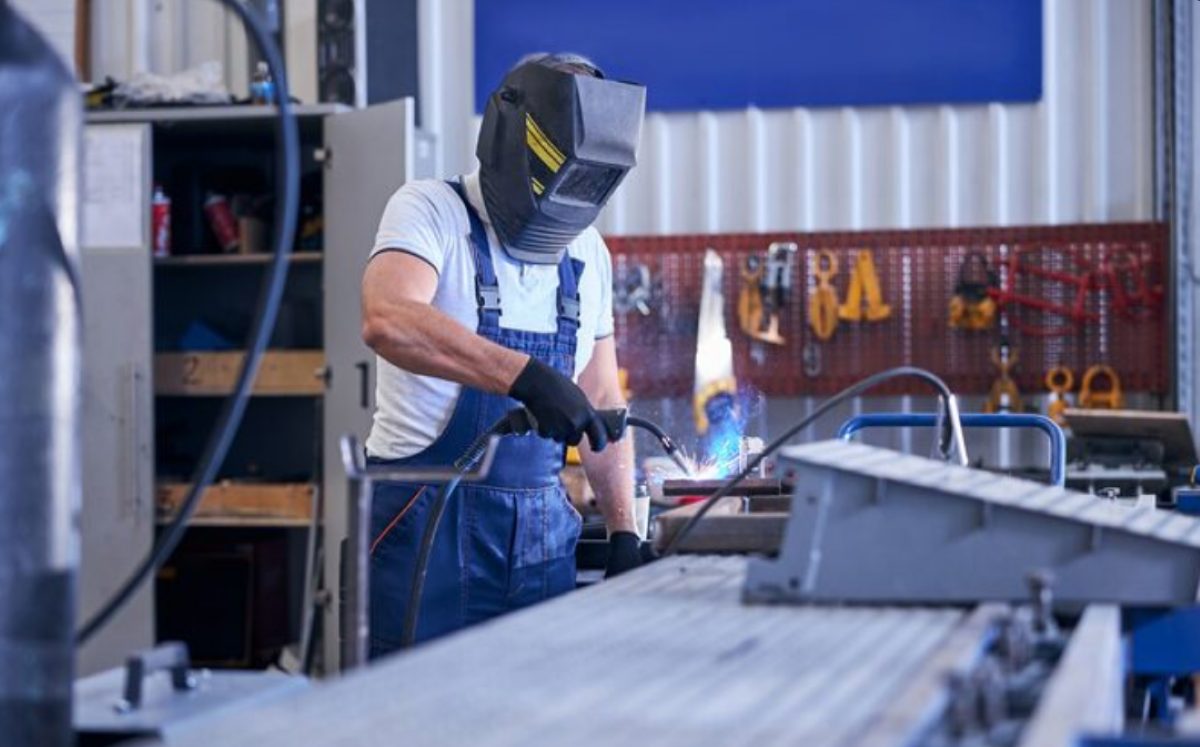
板金溶接では、熱を利用して隣接する端面を融合させます。TIG(ガス・タングステン・アーク溶接)は、入熱を最も厳密に制御できる最高品質の溶接法であり、ステンレスやアルミニウムの構造用溶接に用いられます。MIG(ガス・メタル・アーク溶接)は、より高速で経済的であり、炭素鋼の構造物製作に用いられます。 スポット溶接(抵抗溶接)は、自動車の車体や電子機器のシャーシにおいて主流となっている大量生産向けの接合方法であり、2つのクランプされた電極から積層された板に電流を流し、接触点で小さな溶着核を形成します。.
熱変形による溶接公差は直線方向で±0.030ですが、堅固な治具とパルス制御溶接を用いることで、±0.010まで厳密に制御されます。 避けるべき一般的な欠陥としては、気孔(ガス混入)、アンダーカット(過熱)、反り(熱入による過度な歪み)、および焼き抜け(薄板への過大な電流)などが挙げられます。.
8. 仕上げ工程
仕上げ加工は、製造されたばかりの板金を、完成品として耐久性があり、外観的にも良好な部品へと仕上げます。 主な仕上げの種類には、バリ取り(タンブラー、ブラシ、またはレーザーを用いて鋭いエッジを除去する)、陽極酸化処理(アルミニウム表面を電気化学的に硬質酸化皮膜に変換するもので、クリア、ブラック、ゴールド、レッド、その他の着色仕上げが可能)、粉体塗装(静電塗装により塗布された乾燥顔料を350–400°Fで焼結させ、強靭な熱硬化性仕上げを形成する)、湿式塗装(色の選択肢が広く、複雑な形状にも対応可能な液体塗料)、メッキ(耐食性を高めるための亜鉛、ニッケル、クロムの電気めっき)、および不動態化処理(ASTM A967に準拠し、ステンレス鋼の耐食性を高めるための化学処理)です。.
実用部品のための板金加工プロセスの組み合わせ
ほとんどの生産用板金 各部品には3~5つの工程が組み合わされている 順を追って。電子機器用筐体の典型的な製造工程:(1) 厚さ0.060インチの5052-H32アルミニウムをレーザー切断、(2) エッジのバリ取り、 (3) プレスブレーキで90°の曲げ加工、(4) 締結用ネジ穴のタップ加工、(5) タイプIIのクリアアルマイト処理。 自動車用ブラケットの代表的な製造工程:(1) 厚さ0.080インチのHSLA鋼を順送金型でプレス成形、(2) 補強ガセットのタブ溶接、(3) 腐食防止のための亜鉛メッキ、(4) Eコート下塗り。.
加工方法の選定は、生産数量、公差、および材料によって決まります。試作品や少量生産(1~500個)では、通常、レーザー切断+曲げ+溶接が採用されます。 中量産(500~10,000個)ではタレットパンチ+曲げ+溶接へ移行し、大量生産(10,000個以上)では順送プレス加工へと移行します。公差が厳しくなるほど、精密プレス加工や5軸レーザー切断が選択される傾向があります。.
よくある質問
1. 板金加工とプレス加工の違いは何ですか?
板金加工とは、平らな金属板を完成部品に成形するための一連の工程の総称であり、切断(レーザー、ウォータージェット、プラズマ)、成形(曲げ、絞り)、接合(溶接)、仕上げなどが含まれます。 プレス加工は、この板金加工の一分野であり、硬化工具を用いた金型を使用して、板金を打ち抜き、ブランク加工、またはコイン成形を大量に行うものです。すべてのプレス加工は板金加工の一種ですが、すべての板金加工がプレス加工であるわけではありません。.
2. 板金加工では、どの程度の公差を実現できますか?
公差は加工方法によって異なります。レーザー切断は標準で±0.005インチ(0.13 mm)、精密システムでは±0.002インチです。ウォータージェットは±0.005インチ、プラズマは±0.020インチ、 タレットパンチは±0.005インチ、精密プレス加工は±0.001インチ、プレスブレーキ曲げ加工は角度±0.5°および直線±0.010インチが標準、精密CNCプレスブレーキは±0.1°および±0.005インチです。 溶接では、熱変形により±0.030 inの公差が生じます。.
3. レーザーとウォータージェットでは、それぞれどの程度の厚さの板金を切断できるか?
12 kWのファイバーレーザーでは、炭素鋼は最大0.75インチ、ステンレスやアルミニウムは最大0.5インチまで切断可能です。ウォータージェットでは、鋼は最大6インチ、石材やセラミックは8インチ以上まで切断可能です。 厚さが0.5インチを超える材料や、熱に弱い合金(チタン、アルミニウムハニカム)の場合は、ウォータージェットの方が適しています。.
4. 板金の最小曲げ半径はどれくらいですか?
最小内側曲げ半径は、材質および焼き付け状態によって異なります。軟質アルミニウムは1.0t、半硬質アルミニウムは1.5t、ステンレス304/316は2.0t、軟鋼は1.5tです(ここでtは板厚を表します)。半径が小さすぎると、外側の繊維に亀裂が生じます。 最小曲げ半径の要件がある場合は、焼きなまし材を指定するか、曲げ半径を若干緩く設計してください。.
5. 深絞り加工は、溶接による組立よりもどのような場合に適しているか?
深絞り加工は、溶接ビードのないシームレスな円筒形または長方形の形状が求められる部品(キッチンシンク、消火器本体、飲料缶、深型の筐体など)に適しています。 溶接加工は、少量~中量生産(5,000個未満)の場合、または1回の工程で深絞り比が2.2を超える部品に適しています。.
6. どのような板金仕上げがありますか?
一般的な表面処理:クリアアルマイト(タイプII)、ハードコートアルマイト(タイプIII)(アルミニウム用); 粉体塗装(全色対応、耐久性あり);湿式塗装(特注色、複雑な形状);亜鉛メッキ(クリアまたは黄色クロメート)、ニッケルメッキ、クロムメッキ;ASTM A967に準拠した不動態化処理(ステンレス鋼);Eコートプライマー;ブラスト仕上げ、研磨仕上げ、または粒状仕上げなどの機械的仕上げ。.
結論
板金加工は、8つの異なる工程から構成されており、各工程には固有の公差対応能力、材料厚さの範囲、およびコスト面での経済性があります。現代の生産部品では、これらの工程のうち3~5つを順次組み合わせています。典型的な工程の流れは、レーザー切断 → バリ取り → 曲げ → 溶接 → 仕上げです。 工程の選定は、生産数量(少量生産にはレーザー切断/パンチ加工、大量生産にはプレス加工)、公差(最も厳しい公差には精密プレス加工、中程度の公差にはレーザー切断)、および材料(熱に敏感な合金にはウォータージェット切断、鋼やアルミニウムにはレーザー切断)によって決定されます。.
Xinyang Industrial Techは、レーザー切断、CNCプレスブレーキ成形、MIG/TIG溶接、および一貫した仕上げ工程を備えた、ペーパーレスのデジタルQMS対応板金加工施設を運営しています。板金部品のお見積もりをご希望の場合は、CADファイルをアップロードして、 DFMを完全に反映した見積もり 24時間以内にフィードバックいたします。.