La creación rápida de prototipos, la fabricación rápida de utillaje y el utillaje de producción son tres etapas en el proceso de desarrollo de un producto. Cada etapa tiene un objetivo distinto, una estructura de costes diferente y un conjunto diferente de compensaciones entre la rapidez, el coste unitario, la flexibilidad de diseño y la calidad de las piezas. Confundirlas —fabricar un molde de producción antes de que se haya validado el diseño, o seguir utilizando prototipos impresos en 3D más allá del punto en el que la rentabilidad del utillaje es claramente superior— es uno de los errores más costosos en el desarrollo de productos de hardware.
Esta guía está dirigida a ingenieros de producto, fundadores de empresas de hardware y responsables de compras que necesitan tomar la decisión adecuada sobre el utillaje en el momento oportuno del ciclo de vida de un producto. En ella se explica la finalidad de cada etapa, el perfil de costes y plazos de entrega de cada una, cómo reconocer el momento adecuado para pasar a la siguiente etapa y los errores habituales que suponen un desperdicio de la inversión en utillaje. XY Machining se encarga de las tres etapas: — Impresión 3D y Mecanizado CNC para la creación de prototipos, utillaje rápido de aluminio y P20 para la producción puente, y utillaje de producción de acero templado para tiradas de gran volumen — todo ello bajo el mismo sistema de calidad y el mismo equipo de ingeniería, lo cual es relevante para el debate sobre la transición que se aborda más adelante en esta guía.
Para conocer los procesos específicos de conformado de chapa utilizados en la fabricación de prototipos de carcasas y componentes estructurales, consulta nuestra guía de procesos de conformado de chapa. En cuanto al mecanizado CNC como método de prototipado —que permite fabricar piezas funcionales de metal y plástico con tolerancias más ajustadas que la mayoría de los métodos de impresión 3D—, consulta nuestra página de servicios de mecanizado CNC.
Las tres etapas: para qué sirve cada una
Fase 1: Prototipado rápido — Validación del diseño
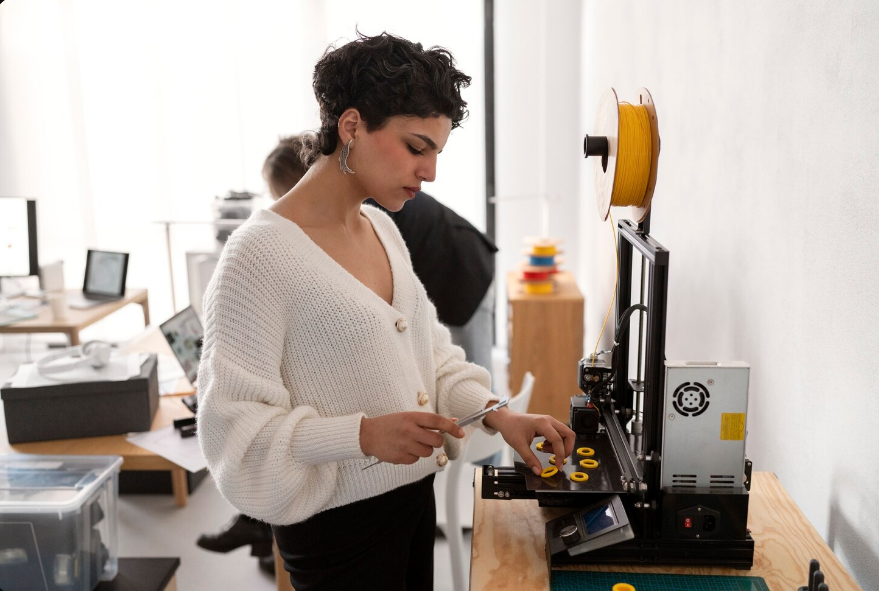
La prototipación rápida es cualquier proceso que permita fabricar piezas físicas con la rapidez y el bajo coste suficientes para facilitar la iteración activa del diseño. El objetivo no es producir piezas representativas de la producción final, sino responder rápidamente a las dudas de diseño antes de invertir capital en el utillaje. ¿Encaja esta geometría en el conjunto? ¿Funciona el mecanismo? ¿Se percibe correctamente este factor de forma al sostenerlo en la mano? ¿El espesor de la pared resulta adecuado? Responder a estas preguntas cuesta muy poco con una pieza impresa en 3D, pero mucho más una vez que se ha fabricado un molde.
Métodos habituales de prototipado rápido y cuándo es adecuado cada uno:
- Impresión 3D por FDM: el método más económico y rápido, adecuado para la validación de la forma y el ajuste de piezas de plástico no funcionales. Las líneas de capa son visibles; las propiedades mecánicas son anisotrópicas. No es adecuado para pruebas funcionales de elementos estructurales ni de piezas que requieran un comportamiento isotrópico del material.
- Impresión SLA/DLP: acabado superficial más liso que el de la impresión FDM, mayor precisión dimensional; adecuada para modelos de presentación y prototipos funcionales sometidos a pocas tensiones. La elección de la resina es importante; muchas resinas de ingeniería son más frágiles que los grados utilizados en el moldeo por inyección para producción.
- Impresión SLS/MJF: más resistente y más isotrópica que la FDM y la SLA; más adecuada para pruebas funcionales de piezas móviles y conjuntos. El acabado superficial es similar al de un recubrimiento en polvo; el posprocesamiento mejora el aspecto.
- Mecanizado CNC: la máxima calidad prototipado rápido Método para piezas metálicas y de plástico rígido. Produce piezas con tolerancias equivalentes a las de producción en materiales de ingeniería reales (6061-T6, acero inoxidable 316, Delrin, PEEK). El plazo de entrega es de 5 a 10 días; el coste por pieza es superior al de la impresión 3D, pero la pieza es fielmente representativa del diseño de producción. Imprescindible para ensayos estructurales funcionales, ajustes precisos y cualquier prototipo que vaya a someterse a ensayos reglamentarios.
- Fabricación de chapas metálicas : en el caso de las carcasas, los chasis y los soportes estructurales, el corte por láser CNC, combinado con el plegado en prensa plegadora, permite fabricar piezas prototipo de chapa metálica en un plazo de entre 5 y 12 días, con materiales y tolerancias equivalentes a los de la producción en serie. Es el método de prototipado adecuado para cualquier diseño que vaya a pasar a la producción en serie como pieza de chapa metálica conformada.
- Moldeo de uretano: permite fabricar entre 20 y 50 piezas en uretano o silicona de calidad industrial a partir de un modelo maestro mecanizado, lo que ofrece un mejor acabado superficial y mejores propiedades del material que la impresión 3D, aunque a un coste más elevado. Resulta útil para modelos de presentación, muestras para inversores y series de validación previas a la producción.
Fase 2: Fabricación rápida de herramientas — Producción puente
El «rapid tooling» se refiere a moldes y matrices fabricados con materiales más blandos —principalmente aleaciones de aluminio o acero preendurecido P20— que permiten producir piezas moldeadas por inyección en un plazo de 1 a 3 semanas, en lugar de las 6 a 12 semanas que requiere un molde de producción de acero endurecido. El utillaje rápido es lo que hace económicamente viables las series piloto de entre 500 y 50 000 piezas antes de decidirse por un utillaje de producción.
La característica definitoria del utillaje rápido es el equilibrio entre velocidad y durabilidad. Los moldes de aluminio permiten un corte más rápido y económico que los de acero, pero se desgastan más rápidamente —por lo general, entre 10 000 y 50 000 ciclos antes de que se degrade la calidad de la superficie o la precisión dimensional—. El acero preendurecido P20 tarda entre 2 y 3 semanas en fabricarse y es más caro, pero aguanta entre 100 000 y 250 000 ciclos, lo que lo hace adecuado para la producción puente de volumen medio hasta que esté listo un utillaje de producción endurecido.
La fabricación rápida de herramientas es la solución ideal cuando:
- El diseño está cerrado o casi cerrado: cualquier cambio significativo en la geometría tras el corte de una herramienta rápida requiere un costoso recorte o, de lo contrario, la herramienta se desecha.
- La cantidad oscila entre 500 y 50 000 piezas, y los requisitos de material exigen plástico moldeado por inyección auténtico, no aproximaciones impresas en 3D.
- El plazo de comercialización es importante: una herramienta rápida permite suministrar piezas en un plazo de entre 3 y 6 semanas desde la aprobación del diseño; una herramienta de producción tarda como mínimo entre 10 y 20 semanas.
- Se ha previsto la fabricación de una herramienta de producción, pero aún no se ha justificado por un volumen confirmado; la fabricación rápida de herramientas sirve para cubrir esa carencia.
- Es necesario realizar una validación mediante una tirada piloto antes de invertir en utillaje de producción.
Parámetros de coste del moldeado rápido: los moldes de aluminio de una cavidad para piezas sencillas suelen tener un precio inicial de entre 3.000 y 8.000 USD; los moldes P20 de una cavidad oscilan entre los 6.000 y los 15.000 USD. Los moldes rápidos de múltiples cavidades cuestan proporcionalmente más. Estas cifras dependen en gran medida de la geometría de la pieza, del número de cavidades y de la complejidad de las acciones laterales o los elevadores necesarios.
Fase 3: Utillaje de producción — Diseñado para durar
Los utillajes de producción son conjuntos de moldes de acero endurecido —acero para herramientas H13, S136 (para resinas corrosivas), NAK80 (para superficies ópticas de alto brillo)— diseñados para 1 millón o más de ciclos de producción a lo largo de una vida útil de entre 5 y 10 años. Los moldes de producción son más lentos y más caros de fabricar que los moldes rápidos, pero ofrecen tres ventajas que estos últimos no pueden proporcionar: una precisión dimensional constante a lo largo de millones de inyecciones, acabados superficiales que van desde el nivel SPI A1 (pulido espejo) hasta grados texturizados, y configuraciones de múltiples cavidades (4, 8, 16, 32 o más cavidades) que reducen proporcionalmente el tiempo de ciclo por pieza.
El utillaje de producción es la solución adecuada cuando:
- El volumen anual supera las 100 000 piezas; con este volumen, la herramienta de producción se amortiza rápidamente y el menor coste por pieza justifica la inversión.
- El diseño ha sido validado por completo mediante la fabricación de prototipos y la producción piloto; no se prevén cambios en la geometría.
- Los requisitos de acabado superficial superan las posibilidades de un molde de fabricación rápida: el acabado espejo SPI A1 y los grados de textura precisos exigen acero templado pulido hasta el grado requerido.
- Las tolerancias dimensionales deben mantenerse constantes a lo largo de millones de ciclos: el acero templado conserva su geometría durante toda la vida útil de la herramienta, mientras que el aluminio se desgasta progresivamente.
- Es necesario que la producción con moldes de múltiples cavidades resulte rentable: los moldes endurecidos de 8 cavidades tienen un coste por pieza muy inferior al de los moldes rápidos de una sola cavidad
Parámetros de coste de los moldes de producción: los moldes de acero templado de una sola cavidad para piezas sencillas suelen tener un coste inicial de entre 15 000 y 30 000 USD. Los moldes de múltiples cavidades para piezas complejas con acciones laterales y sistemas de canal caliente oscilan entre 50 000 y 150 000 USD o más. La complejidad del molde, el número de cavidades y el tipo de acero son los principales factores que determinan el coste. El plazo de entrega es de entre 6 y 12 semanas desde la aprobación del diseño del molde hasta las primeras piezas moldeadas.
Tabla comparativa completa
| Atributo | Prototipado rápido | Fabricación rápida de utillaje | Utillaje de producción |
| Objetivo principal | Validar el diseño: forma, ajuste y funcionalidad | Producción de puente: tirada piloto en resina real | Producción en serie: el menor coste por pieza |
| Cantidad producida | Entre 1 y 50 partes, por lo general | 500–50 000 piezas | Entre 100 000 y más de 10 millones de piezas |
| Coste de los utillajes | Cero (sin herramienta) | $3K–$15K de aluminio o P20 | Acero endurecido $15K–$150K+ |
| Plazo de fabricación de los utillajes | N/A (días hasta la primera parte) | 1 a 3 semanas | 6 a 12 semanas |
| Material de las herramientas | N/A | Aluminio o acero preendurecido P20 | Acero endurecido H13, S136, NAK80 |
| Vida útil de la herramienta | N/A | Entre 10 000 y 250 000 disparos (dependiendo del material) | Más de 1 millón de fotos |
| Coste por pieza | Máximo (3DP) o moderado (CNC) | Gama media | Mínimo por volumen |
| Coste del cambio de diseño | Insignificante — actualizar archivo | Moderado — herramienta de recorte o parcheo | Alto: volver a afilar o sustituir la herramienta |
| Acabado superficial | De líneas de capa (FDM) a acabado liso (SLA) | Textura limitada, apta para producción | SPI A1 para cualquier grado de textura |
| Precisión de los materiales | Material de impresión, no resina de producción | Resina de producción real | Resina de producción real |
Cuándo subir un peldaño
Del prototipado rápido al utillaje rápido
El factor decisivo para pasar de la creación de prototipos al utillaje rápido es cuando el coste por pieza de los métodos de prototipado supera el coste amortizado por pieza de un utillaje rápido, teniendo en cuenta el volumen que se prevé encargar en los próximos seis meses. Un cálculo sencillo: si una pieza prototipo mecanizada con CNC cuesta 80 USD cada una y se necesitan 500 piezas para una tirada piloto, eso supone 40 000 USD en piezas prototipadas. Un molde rápido de aluminio de 6.000 USD, más 2 USD por pieza moldeada por inyección con ese volumen, supone un total de 7.000 USD, lo que representa un ahorro de 33.000 USD. Además, el diseño debe ser lo suficientemente estable como para que la inversión en el molde no se eche a perder de inmediato por un cambio en la geometría.
Entre los factores secundarios se incluyen: la necesidad de disponer de propiedades reales del material moldeado por inyección (y no de aproximaciones obtenidas mediante impresión 3D) para los ensayos mecánicos; requisitos estéticos que la impresión 3D no puede cubrir; y tiradas de producción piloto que deben venderse o distribuirse a clientes o usuarios beta antes de que se confirme el volumen total de producción.
Del utillaje rápido al utillaje de producción
El factor decisivo para pasar del utillaje de prototipado rápido al de producción es cuando el volumen de producción previsto a lo largo de la vida útil del producto supera la vida útil nominal del utillaje de prototipado rápido (normalmente entre 50 000 y 100 000 inyecciones para el P20), cuando los requisitos de acabado superficial o estéticos superan lo que puede ofrecer un molde de aluminio o de P20, o cuando la rentabilidad de la producción con múltiples cavidades es necesaria para alcanzar los objetivos de coste por pieza.
La sustitución también resulta imprescindible cuando la precisión dimensional de la herramienta rápida empieza a deteriorarse: el desgaste progresivo de los materiales más blandos de la herramienta provoca una desviación dimensional gradual que se manifiesta en piezas fuera de tolerancia antes de que se alcance el límite nominal de vida útil de la herramienta. Detectar este problema mediante inspecciones durante el proceso y realizar la sustitución antes de que la herramienta rápida falle garantiza la continuidad de la producción.
Los errores habituales que hacen que la inversión en utillaje resulte inútil
Retirar las herramientas de producción demasiado pronto
Invertir 50 000 USD o más en un utillaje de producción de acero endurecido antes de que el diseño haya sido validado, al menos mediante una prueba piloto con utillaje rápido, supone una apuesta de alto riesgo. Los cambios en el diseño una vez fabricado el utillaje de producción —incluso modificaciones geométricas menores— requieren costosas modificaciones del utillaje o la sustitución de los insertos. El coste de la reelaboración de la herramienta, sumado al plazo de entrega adicional, suele superar el coste de una prueba piloto con utillaje rápido que habría detectado el problema antes. La regla es la siguiente: no se debe comprometer el capital destinado al utillaje de producción hasta que el diseño se haya validado en un material representativo de la producción mediante una prueba con utillaje rápido.
Permanecer demasiado tiempo en la fase de prototipado rápido
El error contrario resulta igualmente costoso, aunque de forma más gradual. Un equipo de hardware que produce 5.000 piezas por trimestre, a 25 USD cada una, en prototipos de aluminio mecanizados con CNC, gasta 125.000 USD por trimestre en el volumen de producción de prototipos. Un molde rápido de aluminio de 6.000 USD, más 1,50 USD por pieza moldeada por inyección con ese volumen, supone un ahorro trimestral de aproximadamente 117.500 USD. El umbral de rentabilidad del molde se recupera en menos de una semana de producción. Los equipos que se encuentran en esta situación suelen estar emocionalmente apegados a la flexibilidad que ofrece la fase de prototipos, algo comprensible pero costoso.
Prescindir de la fabricación rápida de herramientas y pasar directamente a la producción
Pasar directamente de los prototipos impresos en 3D a un utillaje de producción de 100 000 USD sin realizar una serie piloto de moldeo por inyección es la decisión más arriesgada en materia de utillaje en el desarrollo de hardware. Se omite así la fase en la que se hacen evidentes los problemas de contracción, deformación, ubicación de la entrada de material, ventilación y ángulo de desmoldeo en las piezas reales moldeadas por inyección. Estos problemas son habituales en las primeras pruebas de molde; detectarlos en un molde rápido de 8.000 USD es muy diferente a detectarlos en un molde de producción de 80.000 USD, donde cada ciclo de modificación cuesta miles y provoca retrasos de semanas.
Trabajar con un único proveedor en las tres fases
Una de las mejoras de eficiencia más infravaloradas en el desarrollo de productos de hardware es la homologación de un único proveedor que se encargue de las tres fases bajo un mismo sistema de calidad. La alternativa —contar con proveedores distintos para la creación de prototipos, el utillaje rápido y el utillaje de producción— genera tres ciclos de homologación independientes, tres series de revisiones de planos y aprobaciones de piezas, y tres riesgos de transición en los que la información de diseño debe transferirse entre proveedores sin que se produzca ninguna pérdida.
XY Machining se encarga de todo el proceso: impresión 3D y mecanizado CNC para la validación de prototipos, utillaje rápido de aluminio y P20 para la producción puente y las series piloto, y utillaje de producción de acero templado para la fabricación a gran escala. El mismo equipo de ingeniería que revisa la DFM en el diseño del prototipo se encarga también de revisar el diseño del utillaje rápido y el del utillaje de producción. Se aplica el mismo sistema de gestión de la calidad (SGC) en todas las fases. La transición entre fases es un cambio de proceso interno, más que un cambio de proveedor, lo que elimina el tiempo de recalificación y garantiza la continuidad del diseño.
Preguntas frecuentes
¿Cuánto tiempo lleva la fabricación rápida de utillaje?
Los moldes rápidos de aluminio para piezas sencillas suelen fabricarse en un plazo de 1 a 2 semanas a partir del diseño aprobado del molde. Los moldes rápidos de acero preendurecido P20 tardan entre 2 y 3 semanas. El plazo desde el pedido hasta las primeras piezas también incluye el diseño del molde y la revisión de la fabricabilidad (DFM), lo que suele llevar entre 3 y 5 días laborables. Prevea un plazo total de entre 2 y 4 semanas desde la aprobación del diseño hasta la obtención de las primeras piezas con un molde rápido.
¿Cuánto cuesta el utillaje de producción?
Los moldes de producción de acero endurecido de una sola cavidad para piezas sencillas tienen un precio inicial de entre 15 000 y 30 000 USD aproximadamente. Los moldes de múltiples cavidades para piezas complejas con acciones laterales, elevadores y sistemas de canal caliente oscilan entre 50 000 y 150 000 USD o más. Los principales factores que influyen en el coste son el número de cavidades, la complejidad geométrica de la pieza, el tipo de acero (H13 frente a S136 para resinas corrosivas) y los requisitos de acabado superficial. Solicite una propuesta detallada de diseño del molde antes de elaborar el presupuesto.
¿Se pueden utilizar las herramientas de fabricación rápida en la producción real?
Sí, para la producción de volúmenes limitados. Los moldes rápidos de aluminio se utilizan habitualmente para tiradas piloto de entre 5.000 y 50.000 piezas. Los moldes rápidos P20 amplían este rango a entre 100.000 y 250.000 inyecciones. La limitación radica en que los moldes rápidos no están diseñados para una vida útil de varios millones de inyecciones, no alcanzan los grados de acabado superficial más precisos y experimentan una mayor deriva dimensional a lo largo de su vida útil que los moldes de producción endurecidos. Planifica la transición a los moldes de producción cuando el volumen previsto para toda la vida útil se acerque a la vida útil nominal del molde rápido.
¿Necesito un servicio de fabricación rápida de utillaje si dispongo de impresión 3D?
Si el volumen previsto es inferior a 500 piezas y los requisitos de material son flexibles, la impresión 3D o la fundición de uretano son la opción más rentable. Por encima de las 500 piezas en resina termoplástica de calidad industrial —o cuando el diseño requiere propiedades del material, acabado superficial o niveles de tolerancia que la impresión 3D no puede alcanzar—, el utillaje rápido suele ofrecer un coste total menor y una mejor calidad de las piezas. Realiza una comparación del coste por pieza en función de tu volumen previsto antes de tomar una decisión.
¿Cuál es la diferencia real entre el aluminio y el utillaje rápido P20?
Las herramientas de aluminio cortan más rápido (de 1 a 2 semanas) y son más baratas, pero se desgastan más rápidamente: normalmente, entre 10 000 y 50 000 disparos antes de que se degrade la calidad de la superficie o la precisión dimensional. El acero preendurecido P20 tarda de 2 a 3 semanas y cuesta entre un 20 % y un 50 % más, pero dura entre 100 000 y 250 000 ciclos. Elige el aluminio para tiradas cortas de producción de puentes en las que la rapidez sea lo más importante y el volumen sea modesto; elige el P20 cuando la tirada de puentes se extienda a cientos de miles de piezas o cuando la consistencia dimensional a lo largo de una tirada más larga sea fundamental.